
Weekly Oversight Report – June 22, 2026
LOVED ONES COALITION
Documenting Systemic Concerns Across the Federal Bureau of Prisons
This week’s reporting once again reveals a theme that continues to emerge across nearly every region of the Bureau of Prisons:
Conditions of confinement.
This report contains concerns involving deteriorating infrastructure, excessive heat, plumbing failures, sanitation issues, prolonged restrictive housing placements, delayed medical care, inadequate dental care, overcrowding, recurring lockdowns, and facilities struggling to provide basic living conditions.
This message is directed to everyone reading this report:
Bureau leadership.
Congress.
Lawmakers.
Investigative journalists.
Oversight entities.
Policy makers.
Advocates.
Reform organizations.
And anyone else claiming to care about criminal justice reform.
Look at this report.
Look at the photographs.
Look at the documentation.
Look at the testimony.
Look at the videos.
Then ask yourself a simple question:
How exactly is someone supposed to be rehabilitated under these conditions?
Every week, LOC receives reports from across the country. Different institutions. Different regions. Different incarcerated individuals. Different families.
Yet the same themes continue to emerge.
At this point, these are not simply isolated complaints appearing once or twice.
We are documenting the same concerns over and over and over again.
I am no longer asking whether there is a problem.
There is a problem.
The only question remaining is what is going to be done about it.
Week after week, I review the photographs.
I watch the videos.
I read the emails.
I review the documentation.
I speak directly with families.
I speak with currently incarcerated individuals.
I speak with recently released individuals.
And I continue to see many of the same conditions repeated throughout the federal prison system.
What is the plan?
If overcrowding is contributing to these conditions, what is the plan?
If facilities are deteriorating faster than they can be repaired, what is the plan?
If institutions cannot safely and humanely house the populations assigned to them, what is the plan?
Because continuing to document the same problems year after year is not a plan.
For those who wish to better understand the conditions described throughout this report, LOC maintains extensive photographic documentation and video evidence supporting many of the concerns outlined herein.
Investigative journalists, lawmakers, oversight entities, researchers, and decision makers are encouraged to reach out directly.
Some conditions cannot be fully understood through written testimony alone.
The videos tell the story.
Additional footage and documentation will be released publicly through LOC social media platforms, including by Deputy Director Aaron Pelia and other members of the LOC leadership team.
Look at the evidence.
Then ask yourself whether these are conditions consistent with rehabilitation, public safety, accountability, and human dignity.
Because from where I sit, reviewing dozens of facilities and thousands of reports, the status quo is not sustainable.
NORTHEAST REGION
FCI FORT DIX (NJ)
Environmental Health Concerns, Excessive Heat, Infrastructure Deterioration, Sanitation Deficiencies, Plumbing Failures, Ventilation Concerns, and Program Access Issues



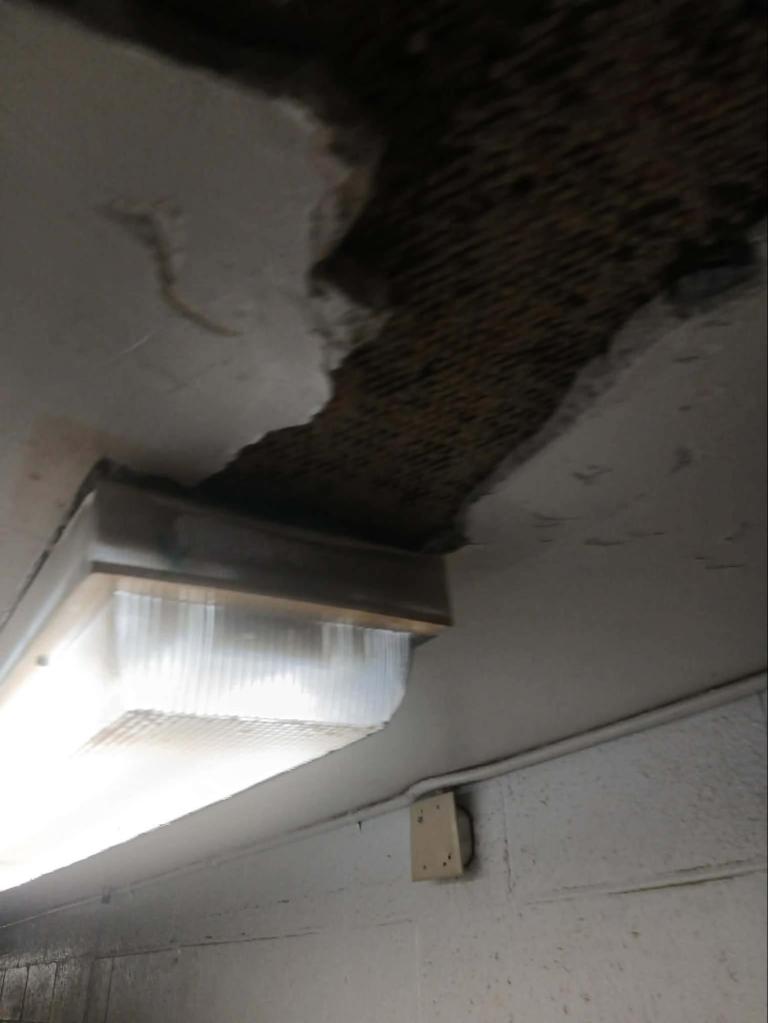
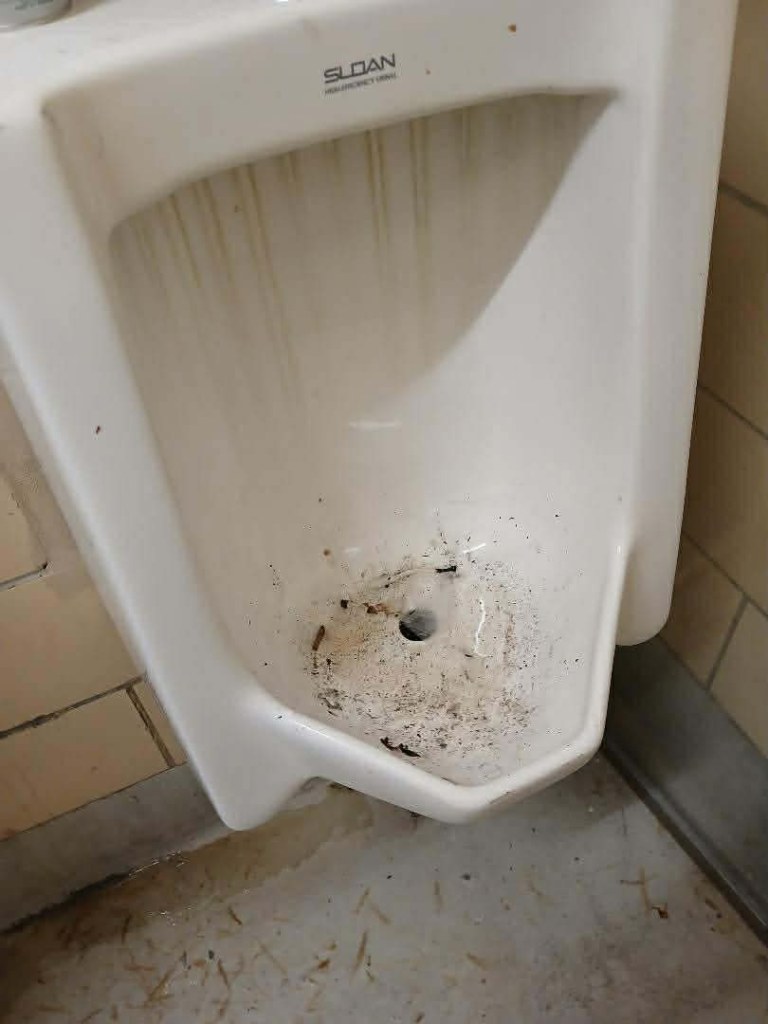
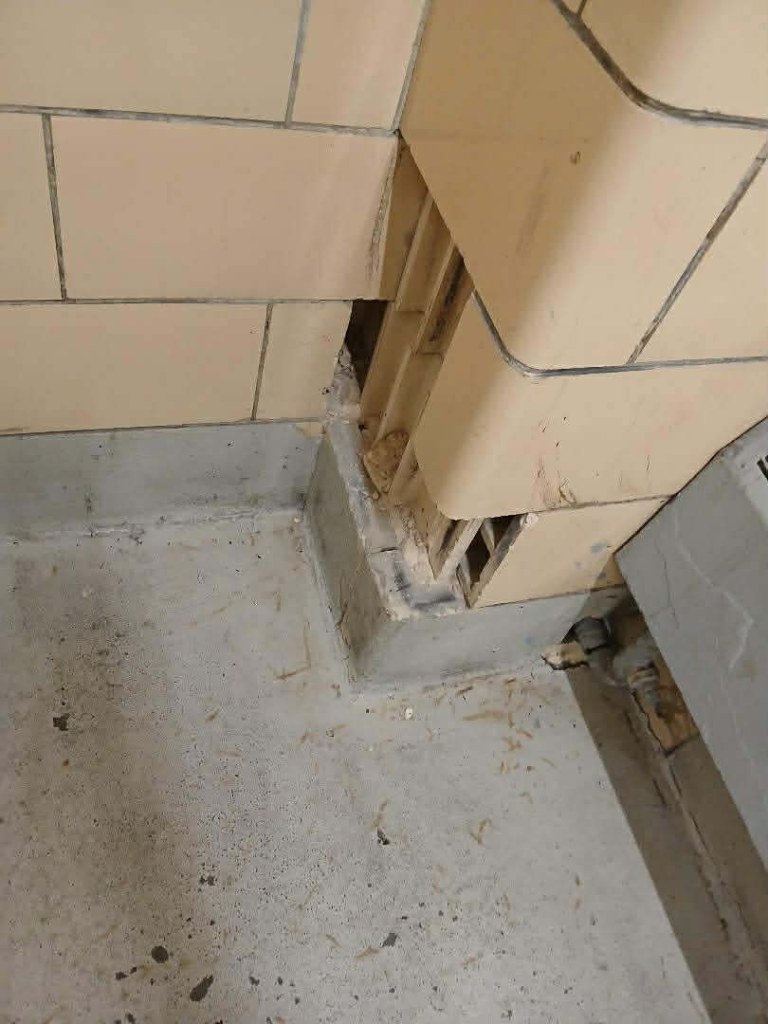

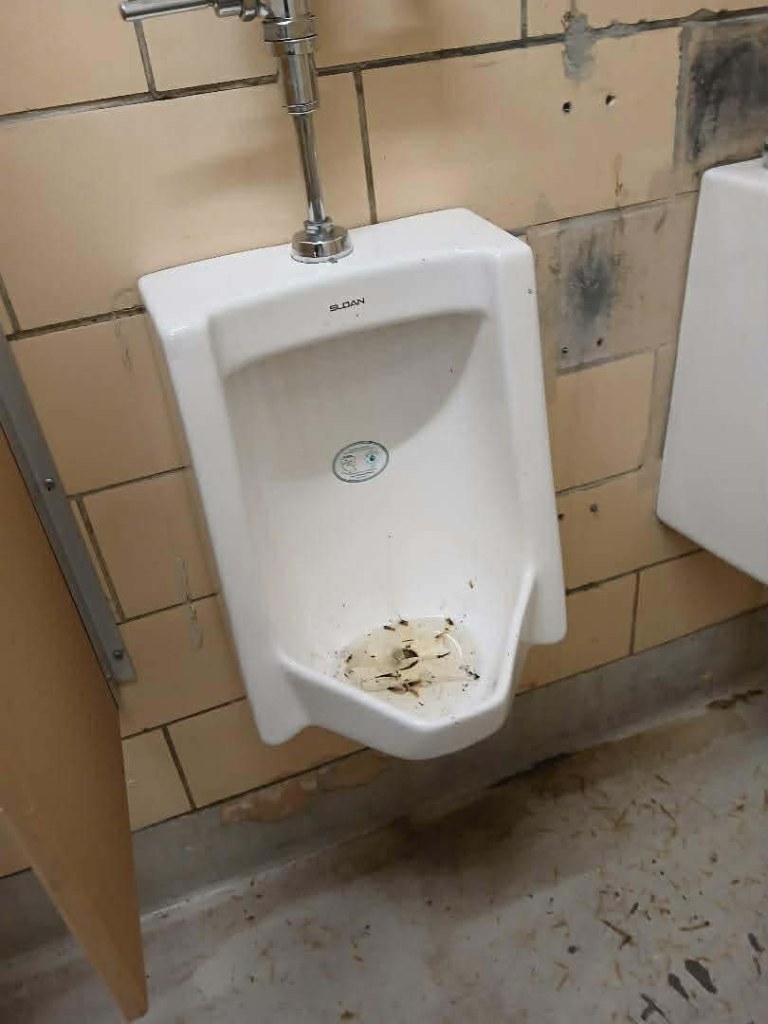


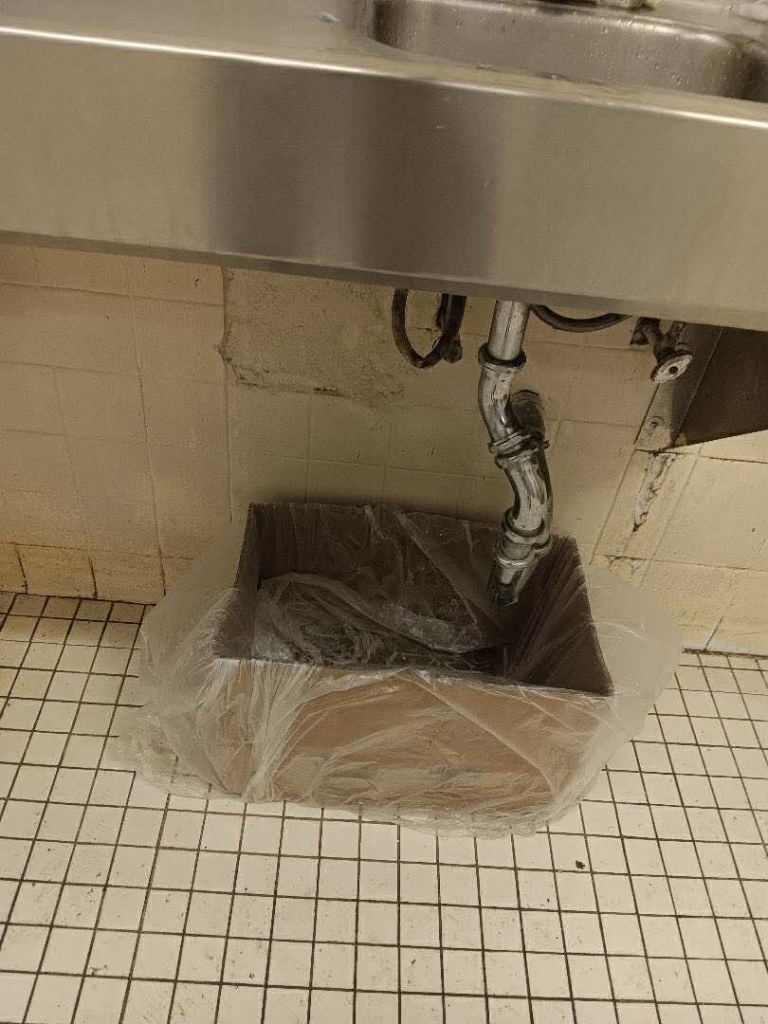


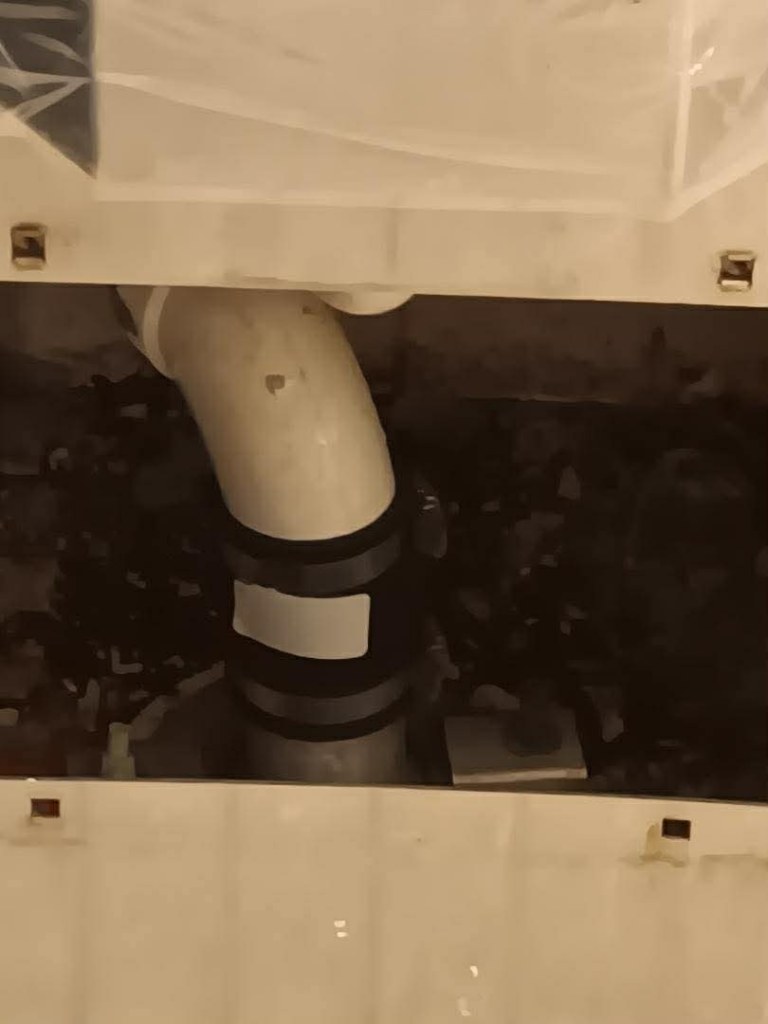
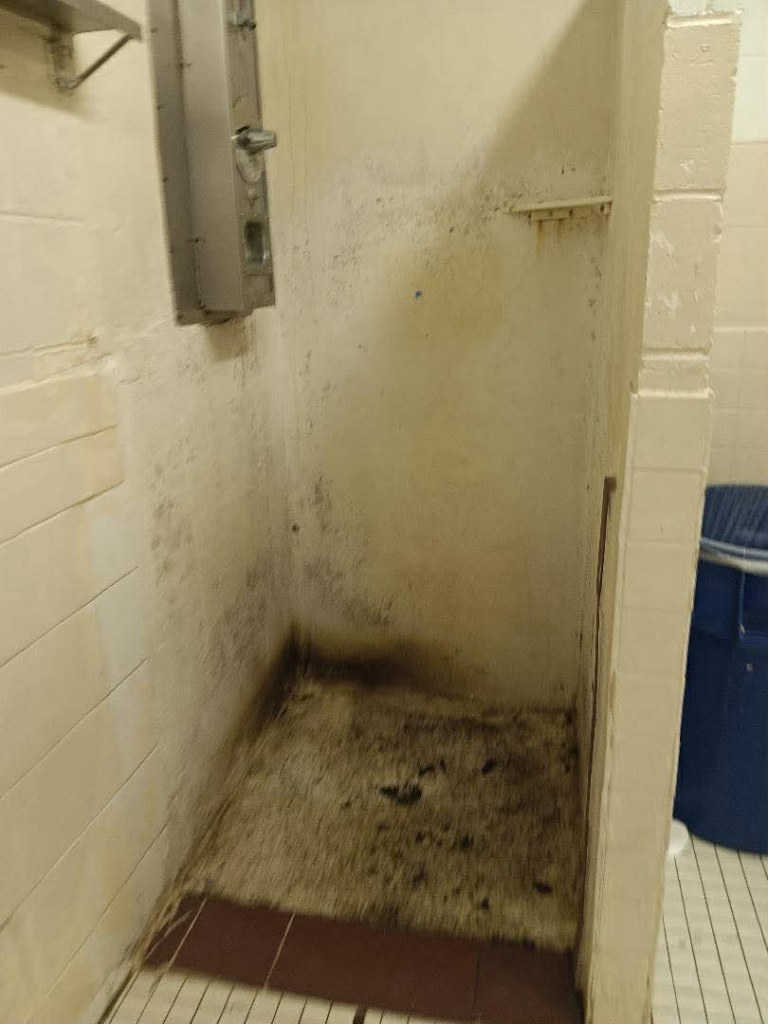

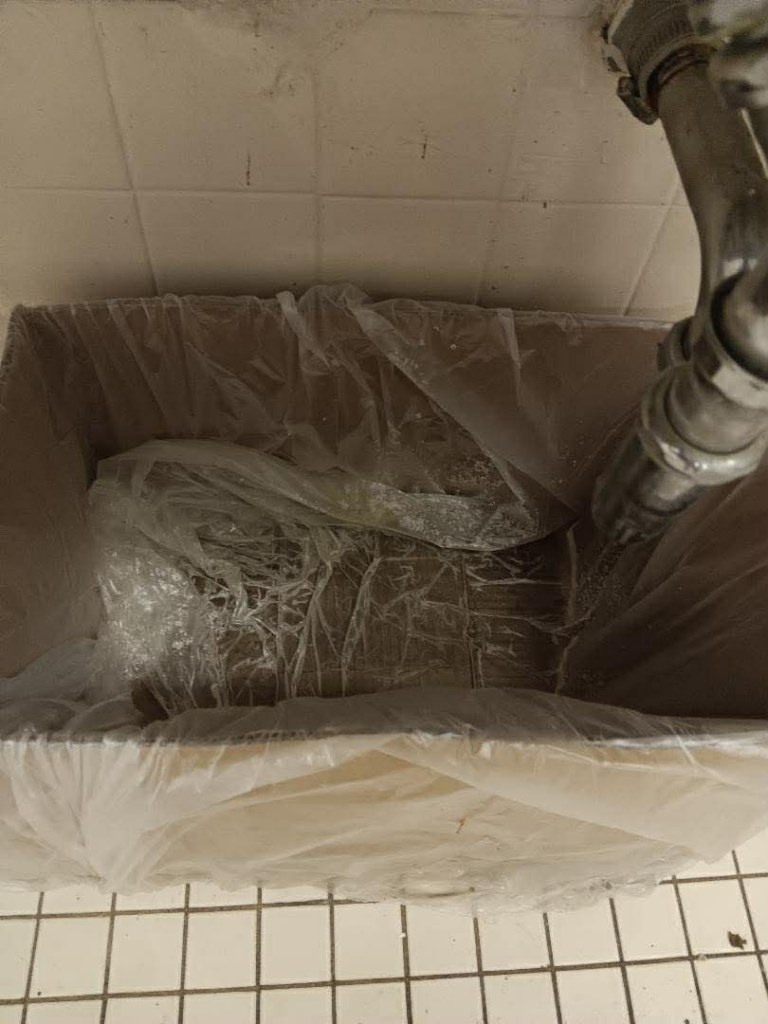







1. Summary of Allegations
LOC received extensive reporting during this reporting period regarding environmental conditions, excessive heat, sanitation concerns, infrastructure deterioration, plumbing failures, ventilation issues, and program access concerns at FCI Fort Dix.
Reporting received included more than thirty photographs, multiple videos, testimony from currently incarcerated individuals, statements from family members, and information provided by recently released individuals familiar with conditions at the institution.
Particularly noteworthy is the volume of reporting received regarding FCI Fort Dix during this reporting period. LOC received reports from more than nineteen verified reporting sources over approximately two weeks. These reports originated from multiple incarcerated individuals, family members, and recently released individuals familiar with conditions at FCI Fort Dix.
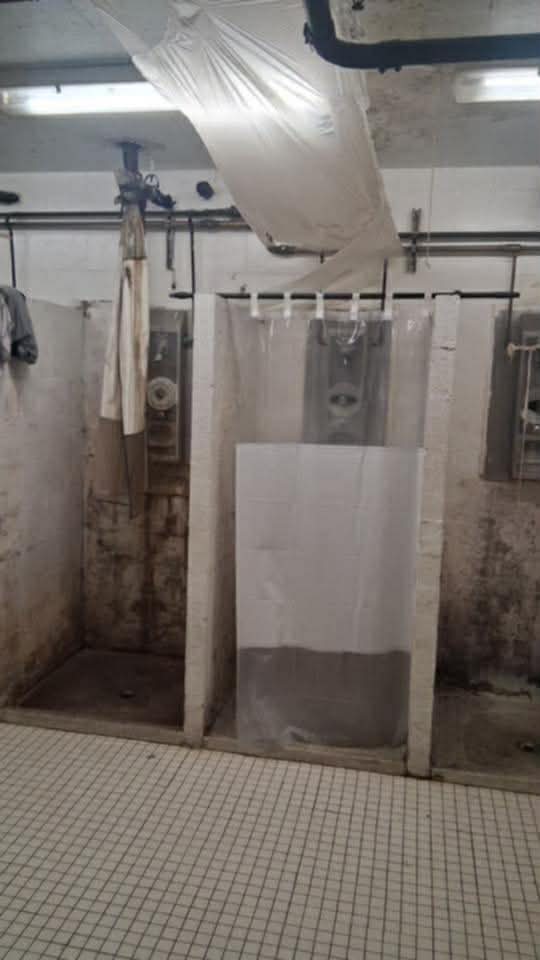
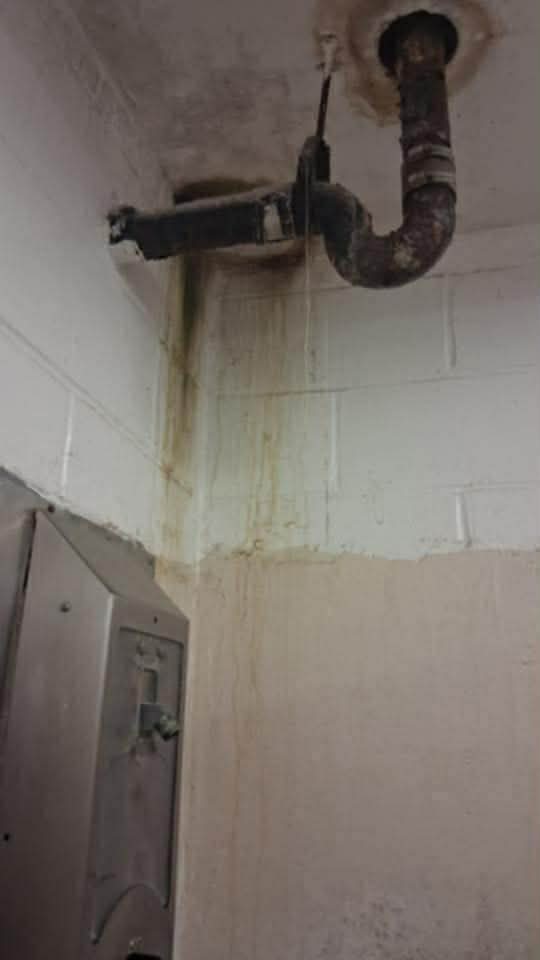
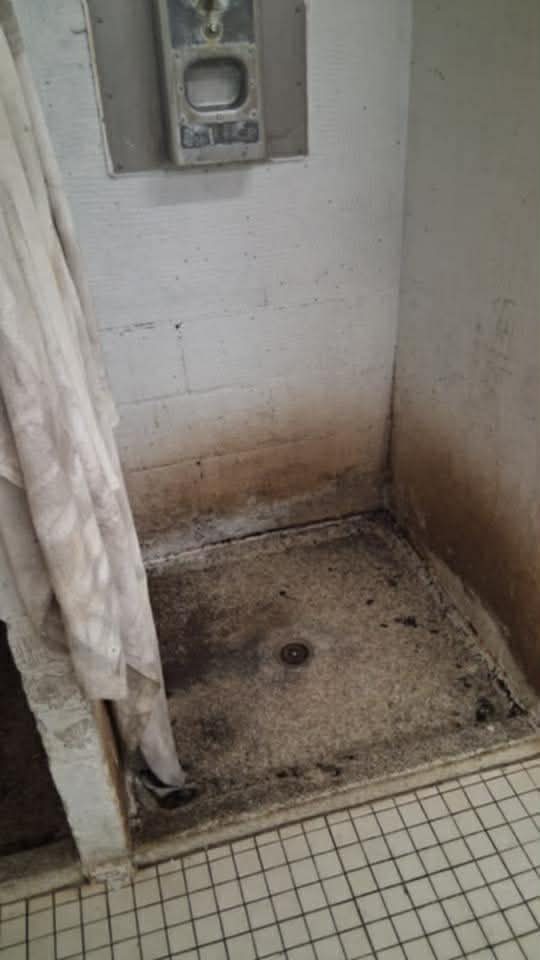
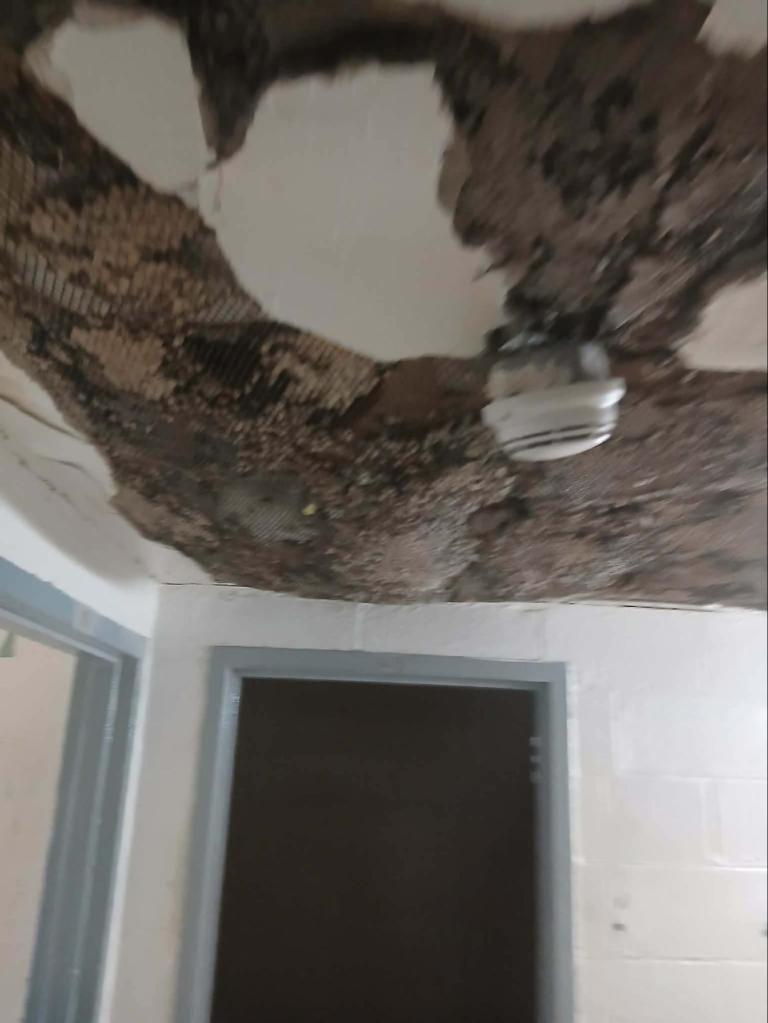
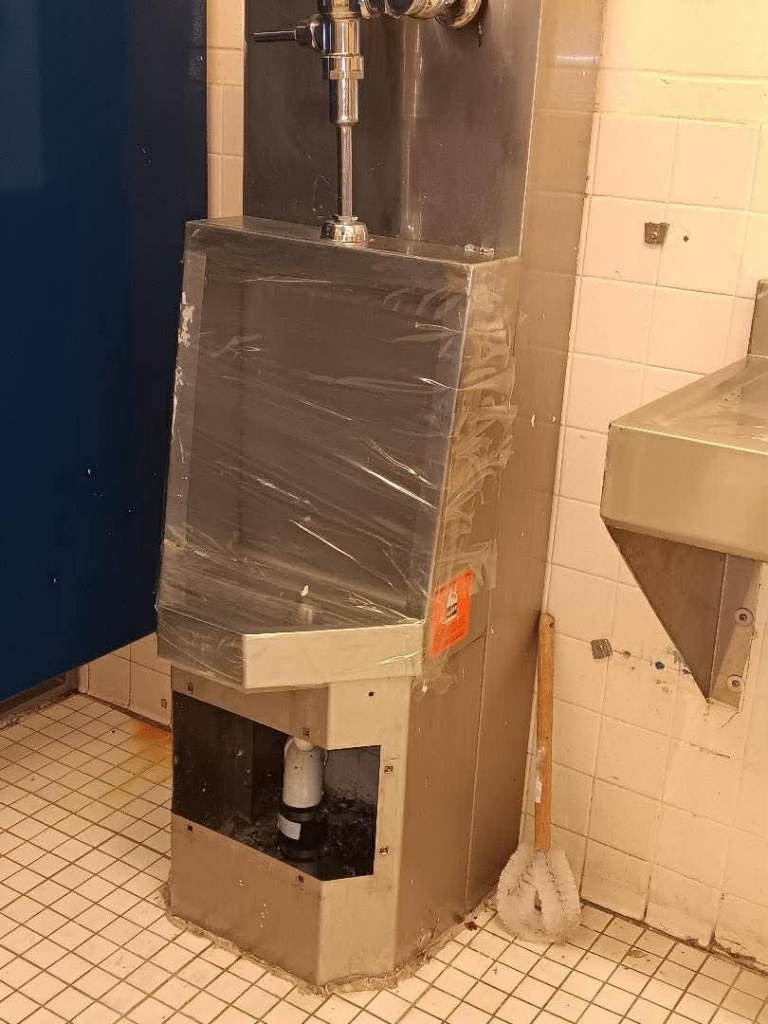
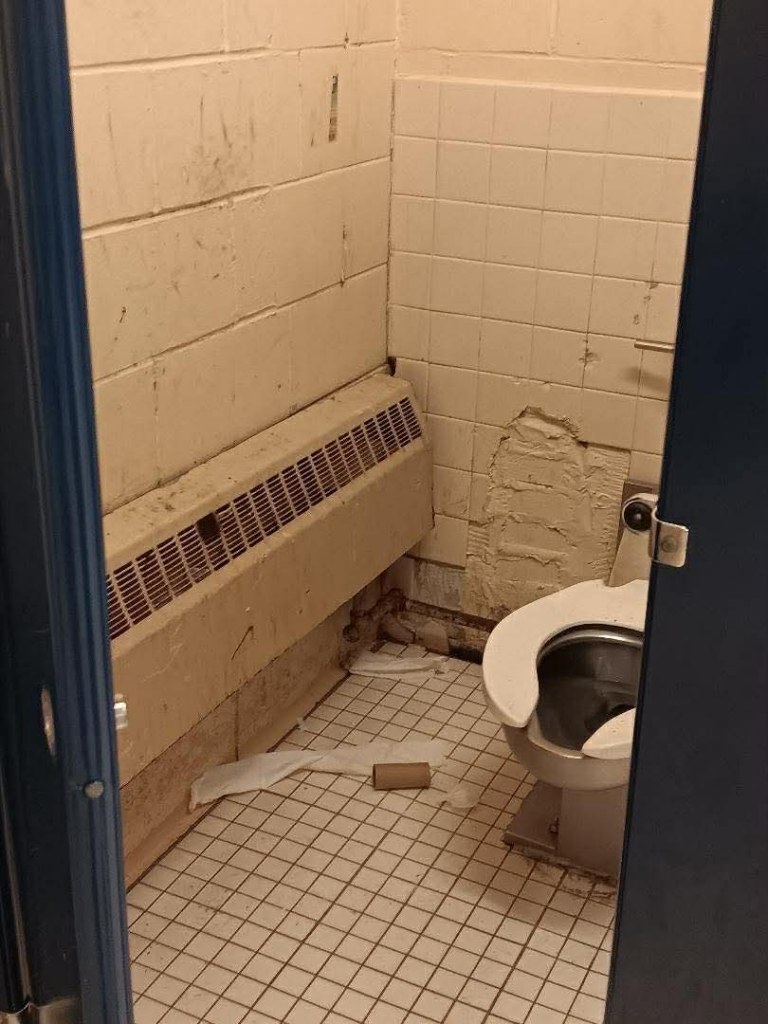
LOC received more than thirty photographs and multiple videos documenting conditions at FCI Fort Dix during this reporting period. The volume of visual documentation submitted by verified reporting sources was significant and, in many cases, corroborated concerns independently reported by incarcerated individuals, family members, and recently released individuals. The photographs and videos reviewed by LOC depicted conditions involving shower facilities, restroom infrastructure, water intrusion, deteriorating fixtures, sanitation concerns, environmental conditions, and other issues referenced throughout this section.
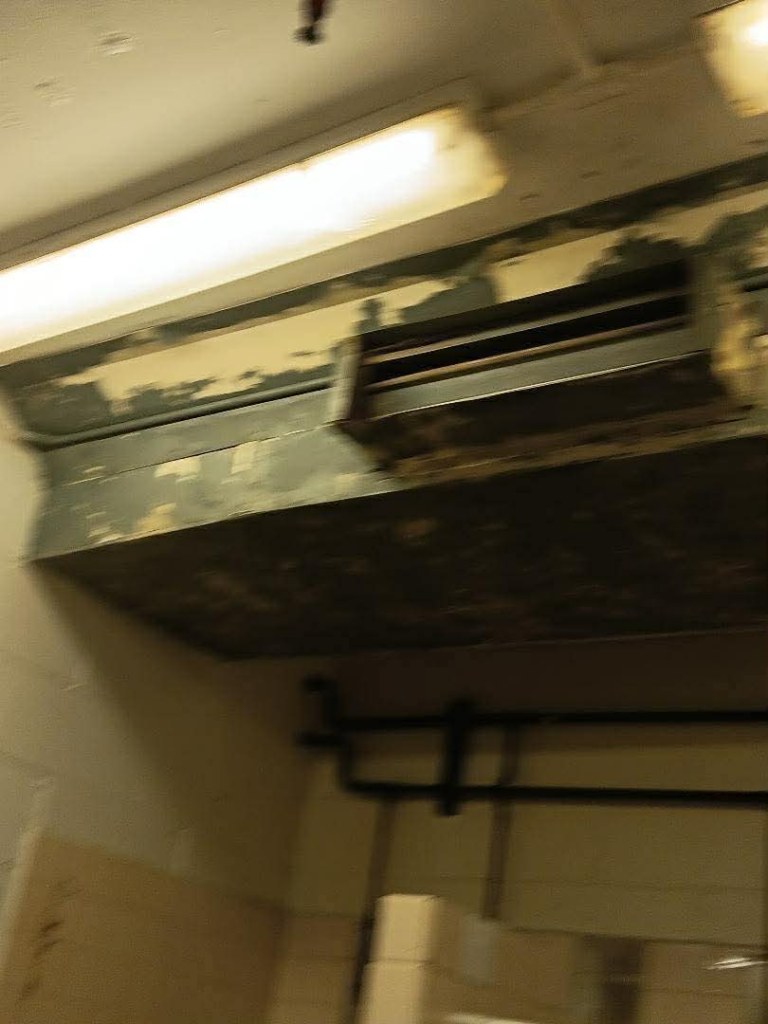
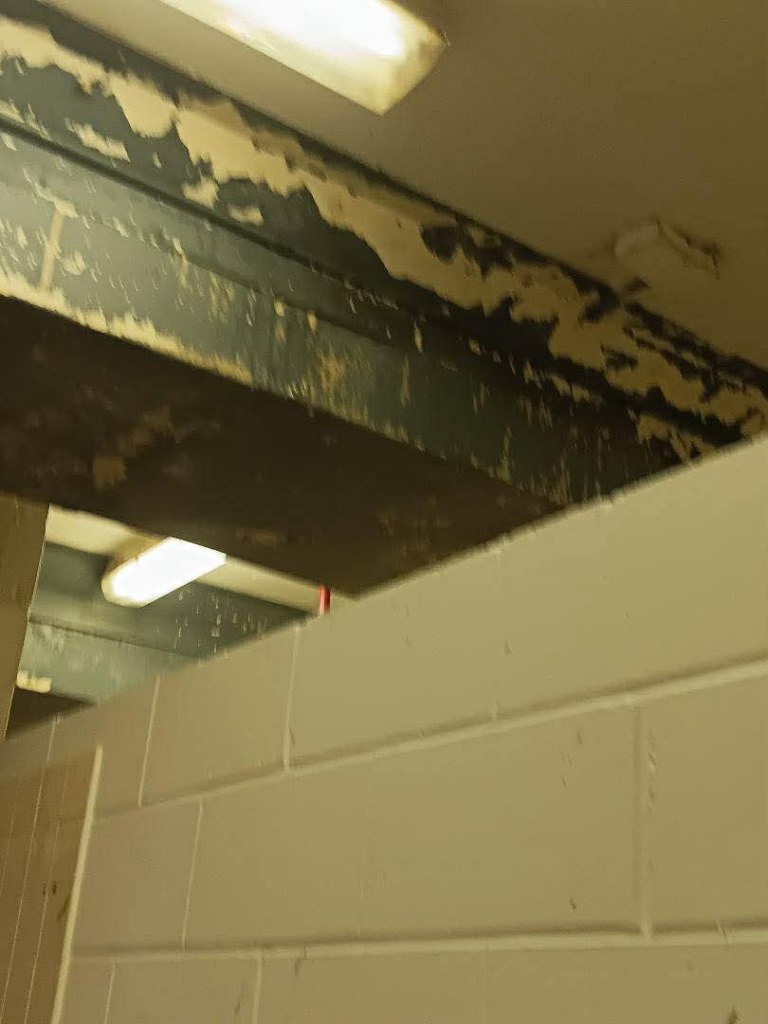
Several reporting parties described widespread environmental concerns throughout housing units, shower areas, restrooms, and common spaces. Supporting photographs submitted to LOC appear to depict deteriorating shower facilities, damaged restroom fixtures, water intrusion, standing water, deteriorating ceilings, mold-like discoloration, damaged infrastructure, and conditions raising concerns regarding routine maintenance and environmental safety.
Multiple reporting parties independently alleged that mold or mold-like substances are present throughout shower facilities, ventilation systems, ceilings, walls, and housing areas. While LOC cannot independently verify the precise nature of the substances depicted in the photographs, the consistency of reporting and visual documentation raises concerns regarding moisture control, ventilation maintenance, environmental health conditions, and remediation efforts.
LOC additionally received numerous reports regarding excessive heat and inadequate cooling within housing units. Reporting parties described conditions in which incarcerated individuals allegedly remain housed in extremely hot and humid environments during periods of elevated temperatures. Multiple reporting parties expressed concern regarding the impact of these conditions on elderly and medically vulnerable incarcerated individuals.
Several reporting parties alleged that cooling measures are insufficient during periods of extreme heat. Reports received described non-functioning ceiling fans, poor airflow, excessive humidity, limited cooling options, and concerns regarding heat-related illness. Reporting parties further alleged that housing units become increasingly difficult to occupy during periods of elevated temperatures.
LOC also received reports describing plumbing failures, damaged restroom fixtures, non-functioning urinals, standing water, recurring leaks, and sanitation concerns affecting daily living conditions. Multiple reporting parties alleged that some of these issues have persisted for extended periods without permanent resolution.
LOC further received video documentation depicting conditions that cannot be fully conveyed through still photographs alone. Due to file-size limitations and federal email restrictions, video evidence cannot be embedded within this report. However, LOC maintains video documentation referenced throughout this section, including footage depicting restroom conditions, shower conditions, infrastructure deterioration, sanitation concerns, environmental conditions, and reported medical concerns. Bureau leadership, oversight entities, congressional offices, and investigative agencies wishing to review the underlying video evidence may request it directly from LOC.
LOC notes that the reporting summarized in this section is based upon information received from verified reporting sources and is presented for review, clarification, and investigation by Bureau leadership. LOC does not independently determine the validity of individual allegations but notes the consistency of reporting across multiple independent sources.
Taken together, the volume of reporting, supporting photographs, video documentation, testimony, and corroborating accounts received regarding FCI Fort Dix raise significant concerns regarding environmental health, sanitation, infrastructure maintenance, excessive heat exposure, facility conditions, and institutional operations.
2. Key Allegation & Concern Table
| Allegation | Description | Potential Concern Area |
| Excessive Heat Conditions | Multiple reports describe extreme heat, humidity, and inadequate cooling within housing units. | Conditions of Confinement |
| Lack of Effective Climate Control | Reporting parties allege inadequate cooling measures during periods of elevated temperatures. | Environmental Health |
| Ventilation Concerns | Reports describe non-functioning fans, poor airflow, and inadequate ventilation. | Environmental Health |
| Suspected Mold Exposure | Multiple reports describe mold-like substances throughout showers, ceilings, vents, and housing areas. | Environmental Health, Facility Maintenance |
| Plumbing Failures | Reports describe broken urinals, leaking fixtures, standing water, and damaged restroom facilities. | Infrastructure Maintenance |
| Water Intrusion | Reporting parties describe recurring leaks, moisture accumulation, and water damage. | Environmental Safety |
| Sanitation Deficiencies | Reports describe unsanitary restroom and shower conditions. | Conditions of Confinement |
| Infrastructure Deterioration | Reports describe damaged ceilings, peeling paint, structural deterioration, and aging facilities. | Institutional Maintenance |
| Heat Mitigation Concerns | Reports question the adequacy of cooling measures during extreme temperatures. | Health & Safety |
| Program Access Concerns | Reports describe limited access to educational, recreational, and First Step Act programming opportunities. | Reentry & Programming |
3. Direct Testimony
“There is no AC and when it’s hot they lock the ice machines.”
“It’s so hot you can’t breathe in this building.”
“Out of seven urinals, four are broken and two are filled and clogged.”
“There are thirty showers and only a handful work, and they’re covered in black mold.”
“The floors are wet from the humidity.”
“The ceiling fans don’t work.”
“They sweat all the time.”
“That place is 100% full of mold.”
“Paint peeling, water leaking everywhere, fungus everywhere.”
“The buildings are falling apart.”
“It’s dirty.”
“We don’t have the programs we’re supposed to have.”
In addition to written testimony, LOC received photographs and video documentation depicting restroom conditions, shower facilities, water intrusion, deteriorating infrastructure, sanitation concerns, environmental conditions, and reported medical concerns described by reporting parties.
4. Systemic Concerns
The reporting received regarding FCI Fort Dix raises concerns extending beyond isolated maintenance issues. Multiple reporting parties independently described substantially similar conditions involving excessive heat, inadequate ventilation, mold-like substances, deteriorating infrastructure, plumbing failures, sanitation deficiencies, and limited cooling measures.
Particularly concerning is the consistency between testimony from currently incarcerated individuals, family reports, testimony from recently released individuals, photographic documentation, video evidence, and reports received from more than nineteen verified reporting sources during this reporting period. While individual allegations require independent review and verification, the volume and consistency of reporting suggest these concerns may not represent isolated incidents.
LOC is especially concerned regarding reports involving excessive heat exposure. Reporting parties consistently described conditions in which incarcerated individuals allegedly remain housed in extremely hot and humid environments while outdoor temperatures reach dangerous levels. Such reports warrant review of institutional heat mitigation procedures, ventilation systems, cooling measures, and protections available to medically vulnerable populations.
LOC is additionally concerned by the volume of reporting regarding mold-like substances, water intrusion, damaged fixtures, standing water, deteriorating restroom facilities, and recurring maintenance concerns. Conditions involving prolonged moisture exposure may contribute to environmental health concerns and warrant review by appropriate institutional personnel.
The reporting also raises broader questions regarding infrastructure investment, preventative maintenance practices, environmental monitoring, and long-term facility planning. Numerous reporting parties described conditions they believe have persisted for extended periods despite repeated complaints and maintenance concerns.
While LOC recognizes that aging institutions face unique maintenance challenges, more than nineteen verified reporting sources provided substantially similar accounts regarding environmental conditions, sanitation concerns, infrastructure deterioration, excessive heat, ventilation issues, and facility maintenance concerns over a relatively short reporting period.
Given the volume of reporting, supporting documentation, photographs, and video evidence received during this reporting period, LOC believes the concerns documented throughout this section warrant direct review and corrective action by institutional, regional, and Bureau leadership.
Taken together, the consistency of reporting, photographic documentation, video evidence, and testimony received regarding FCI Fort Dix raises significant concerns regarding environmental health, sanitation, facility maintenance, conditions of confinement, and institutional accountability.
5. Oversight Questions for Clarification
- After reviewing the photographs, testimony, and supporting documentation contained within this report, what corrective actions will be taken to address the conditions documented at FCI Fort Dix?
- Because video files cannot be embedded within this report, does Bureau leadership wish to review the additional video evidence currently maintained by LOC, including footage documenting conditions referenced throughout this section?
- After reviewing the photographs, testimony, and any additional video evidence requested by Bureau leadership, what is the Bureau’s plan to address the concerns documented at FCI Fort Dix?
- What immediate corrective actions can be implemented while longer-term repairs, renovations, infrastructure improvements, or remediation efforts are being evaluated?
- Given the volume of reporting, photographs, testimony, supporting documentation, and reports received from more than nineteen verified reporting sources, how does Bureau leadership assess the overall condition of FCI Fort Dix?
- Does Bureau leadership believe the conditions documented in the submitted photographs are consistent with Bureau standards for incarcerated individuals and staff members?
- What timeline exists for addressing the deteriorating shower facilities, damaged restroom fixtures, water intrusion, excessive heat concerns, ventilation deficiencies, sanitation concerns, and infrastructure deterioration documented throughout this reporting period?
- What resources, funding, personnel, or infrastructure investments would be required to address the concerns documented throughout this section?
- What specific actions will be taken regarding the reported excessive heat, deteriorating shower facilities, non-functioning restroom fixtures, water intrusion, ventilation concerns, sanitation deficiencies, environmental health concerns, and medical concerns documented by reporting parties?
- Have environmental assessments been conducted regarding reported mold-like substances, moisture intrusion, excessive humidity, ventilation concerns, or potential air quality issues within affected housing units and common areas?
- At what point does facility deterioration warrant significant renovation, population reduction, temporary housing modifications, partial closure, or relocation of incarcerated individuals and staff for health and safety reasons?
- What plans currently exist to address the long-term infrastructure concerns repeatedly reported at FCI Fort Dix?
- What steps are being taken to ensure that incarcerated individuals and staff are not adversely impacted by the environmental, sanitation, infrastructure, ventilation, and heat-related concerns documented in this report?
- If the conditions documented in the photographs, testimony, and available video evidence do not warrant intervention, what conditions would?
NORTHEAST REGION
USP CANAAN
Restrictive Housing, Mental Health Placement, Medication Continuity, and Systemic Review Concerns
1. Summary of Concerns
LOC received reporting during this reporting period regarding prolonged restrictive housing placements involving individuals with significant mental health needs.
Reporting received raises concerns regarding whether incarcerated individuals requiring enhanced mental health services are remaining in restrictive housing settings for extended periods despite the availability of designated mental health care institutions within the Bureau.
LOC received reports alleging prolonged SHU placements, repeated transfers between institutions, medication continuity concerns, significant weight loss, and ongoing mental health deterioration while individuals remain housed in restrictive settings.
Particularly concerning is the recurring theme that multiple staff members at different institutions allegedly questioned placement decisions, yet the reported housing status remained unchanged.
The reporting received raises broader questions regarding:
• The use of prolonged restrictive housing for individuals with serious mental health needs.
• The process used to review continued SHU placements.
• Continuity of psychiatric and medical care following institutional transfers.
• Medication continuity following transfers between facilities.
• The effectiveness of current review mechanisms intended to prevent unnecessary prolonged restrictive housing placements.
• Whether individuals designated to higher levels of mental health care are receiving housing placements consistent with treatment recommendations.
LOC recognizes that restrictive housing is sometimes necessary for safety, security, investigative purposes, or institutional order. However, the reporting received raises concerns regarding whether prolonged SHU placements involving individuals with documented mental health needs are receiving sufficient review and oversight.
LOC notes that the reporting summarized in this section is based upon information received from verified reporting sources and is presented for review, clarification, and investigation by Bureau leadership. LOC does not independently determine the validity of individual allegations but notes the consistency of concerns involving prolonged restrictive housing, mental health treatment, and continuity of care.
2. Key Concern Table
| Concern Area | Description |
| Prolonged Restrictive Housing | Reports describe individuals remaining in SHU status for extended periods. |
| Mental Health Placement | Concerns regarding housing placements for individuals with significant mental health needs. |
| Medication Continuity | Reports raise concerns regarding interruption of psychiatric and medical medications following transfers. |
| Transfer Review | Multiple transfers may create challenges regarding continuity of care and treatment planning. |
| Placement Oversight | Questions regarding review processes for continued SHU placements. |
| Weight Loss & Physical Health | Reports raise concerns regarding physical health deterioration while housed in restrictive settings. |
| Treatment Consistency | Questions regarding continuity of mental health treatment during transfers and restrictive housing placements. |
| Case Review Procedures | Concerns regarding how frequently prolonged SHU placements are reassessed. |
3. Direct Testimony
“The psychologist at Canaan told us he was not supposed to be there in the first place.”
“He dropped over 50 pounds.”
“Now it’s June and he is still there in the SHU.”
“He still has not been put back on any of his psych meds, seizure meds, or blood pressure meds.”
4. Systemic Concern
LOC is not presenting this matter solely as an individual case concern. Rather, the reporting raises broader questions regarding the use of prolonged restrictive housing for individuals with significant mental health needs, continuity of care following institutional transfers, medication management, and the review process used to determine whether continued SHU placement remains appropriate.
The reporting received during this reporting period raises concerns regarding whether existing safeguards are sufficient to identify individuals whose mental health may be negatively impacted by prolonged restrictive housing placements and whether additional review mechanisms may be warranted.
LOC further notes that this is not the first time concerns regarding restrictive housing and mental health treatment have been raised by reporting parties. While individual cases vary significantly, the consistency of these concerns continues to generate questions regarding how the Bureau balances institutional security needs with treatment objectives for individuals requiring enhanced mental health services.
Particularly concerning are allegations involving prolonged SHU placement despite reported mental health needs, significant weight loss, repeated transfers, and concerns regarding medication continuity. While LOC cannot independently verify medical records, diagnoses, treatment plans, or classification decisions, the consistency of reporting raises important questions regarding oversight, review procedures, and continuity of care.
Taken together, the reporting received regarding USP Canaan raises concerns regarding restrictive housing practices, mental health treatment, medication continuity, and review processes involving individuals with significant mental health needs.
5. Questions for Clarification
- How many individuals currently designated for enhanced mental health services remain housed in SHU status within the Northeast Region?
- What safeguards exist to prevent individuals with significant mental health needs from remaining in restrictive housing longer than necessary?
- What review process is utilized when an incarcerated individual remains in SHU status for an extended period?
- How frequently are prolonged SHU placements reviewed by mental health professionals?
- What role do institutional psychologists and psychiatric providers play in determining whether continued restrictive housing remains appropriate?
- How does the Bureau ensure continuity of psychiatric medications, seizure medications, blood pressure medications, and other chronic-care medications following institutional transfers?
- What mechanisms exist to identify individuals whose mental health may be deteriorating while housed in restrictive settings?
- How many individuals currently designated to Level 3 or higher mental health care institutions remain in restrictive housing throughout the Bureau?
- Does the Bureau track the average duration of restrictive housing placements involving individuals with significant mental health needs?
- What steps are being taken to reduce prolonged restrictive housing placements when less restrictive alternatives may be available?
- Has the Bureau conducted any recent review regarding the impact of prolonged restrictive housing on individuals receiving mental health treatment?
- Following review of the concerns outlined above, does Bureau leadership believe additional assessment of restrictive housing practices involving individuals with significant mental health needs is warranted?
NORTHEAST REGION
FCI McKEAN
Legal Mail Confidentiality and Attorney Communication Concerns
1. Summary of Concerns
LOC received reporting during this reporting period alleging concerns regarding legal mail handling procedures and access to confidential legal communications at FCI McKean Camp.
Specifically, reporting received alleges that clearly marked legal mail may be opened prior to delivery to the intended recipient. Additionally, reporting raises concerns regarding the availability of private spaces for scheduled legal calls and attorney-client communications.
Attorney-client privilege and confidential legal communications are fundamental components of meaningful access to the courts. Any perception that legal correspondence is being opened outside established procedures or that confidential legal communications cannot occur in a private setting may undermine confidence in the legal process.
LOC recognizes that institutions must balance security requirements with operational realities. However, the reporting received raises questions regarding whether current procedures are being consistently followed and whether sufficient safeguards exist to protect confidential legal communications.
LOC notes that the reporting summarized in this section is based upon information received from verified reporting sources and is presented for review, clarification, and investigation by Bureau leadership. LOC does not independently determine the validity of individual allegations but notes the significance of concerns involving attorney-client privilege and access to confidential legal communications.
2. Key Concern Table
| Concern Area | Description |
| Legal Mail Handling | Reports alleging clearly marked legal mail may be opened before delivery to the recipient. |
| Confidential Communications | Concerns regarding the ability to communicate privately with legal counsel. |
| Attorney Access | Reports alleging a lack of private spaces for scheduled legal calls. |
| Due Process Concerns | Questions regarding preservation of attorney-client privilege and confidential legal communications. |
| Policy Compliance | Concerns regarding consistency of legal mail handling procedures. |
3. Direct Testimony
“McKean camp staff will open clearly indicated law mail before it gets to the recipient.”
“They also do not provide private spaces for scheduled law calls.”
4. Systemic Concern
While this reporting involves a specific institution, the concern extends beyond a single individual’s experience.
The Bureau has established procedures governing legal mail and attorney communications for an important reason: incarcerated individuals must be able to communicate with legal counsel without fear that privileged communications will be improperly accessed, reviewed, or disclosed.
When allegations arise that legal mail is being opened prior to delivery or that confidential legal calls cannot be conducted in private settings, questions naturally arise regarding procedural compliance, staff training, institutional oversight, and quality assurance measures.
Even isolated incidents can create significant concerns regarding confidence in the attorney-client process. The reporting received raises broader questions regarding how institutions ensure legal correspondence is handled appropriately and how attorney-client confidentiality is protected within camp settings.
Taken together, the reporting received regarding FCI McKean raises concerns regarding legal mail procedures, confidential attorney communications, policy compliance, and access-to-courts protections.
5. Questions for Clarification
- What procedures are currently in place at FCI McKean Camp regarding the handling of legal mail?
- Are staff required to open legal mail only in the presence of the intended recipient?
- Has institution leadership reviewed the allegations outlined above?
- Have any complaints regarding legal mail handling been submitted, investigated, or substantiated at FCI McKean during the past 24 months?
- What quality assurance measures are used to ensure compliance with Bureau policy regarding legal correspondence?
- What accommodations are available at FCI McKean Camp for confidential attorney-client communications?
- Are private locations available for scheduled legal calls when attorney-client confidentiality is required?
- If private locations are unavailable, what alternative procedures are utilized to protect confidential communications?
- Following review of this reporting, does institution leadership believe additional review, staff training, or corrective action is warranted?
- What assurances can be provided to incarcerated individuals and their families that attorney-client privilege and legal mail confidentiality are being consistently protected at FCI McKean Camp?
MID-ATLANTIC REGION
FCI HAZELTON
First Step Act Programming Reductions, Medical Access Delays, Dental Care Concerns, Classification Review Issues, and Unit Team Communication Concerns
1. Summary of Concerns
LOC received multiple reports from verified reporting sources during this reporting period regarding First Step Act programming reductions, access to medical and dental care, specialty healthcare delays, classification review concerns, and communication issues between incarcerated individuals and institution staff at FCI Hazleton.
Several reporting sources expressed concern regarding recent changes to the Academic Success program. According to reporting received, Academic Success reportedly served as a qualifying First Step Act program for approximately two years, allowing participants to earn Federal Time Credits while addressing identified needs and reducing recidivism risk factors.
Reporting sources alleged that the program recently lost FTC eligibility and that participants were not notified prior to the change. One reporting source further alleged that instructional staff appeared unaware of the change until it was brought to their attention by incarcerated individuals.
LOC additionally received multiple reports alleging delays in access to medical, dental, and specialty healthcare services. Reporting included concerns regarding cancer treatment, routine dental care, vision services, and evaluation of sleep-related medical conditions.
Additional reporting raised concerns regarding classification reviews, Management Variables, custody scoring, and communication between incarcerated individuals and Unit Team staff. One reporting source alleged that a team review was completed without their participation or knowledge and that subsequent classification decisions affected institutional placement and transfer eligibility.
LOC notes that the reporting summarized in this section is based upon information received from verified reporting sources and is presented for review, clarification, and investigation by Bureau leadership. LOC does not independently determine the validity of individual allegations but notes the consistency of reporting received regarding these concerns.
Taken together, the reporting received raises concerns regarding access to programming opportunities, healthcare services, classification procedures, and institutional communication practices that may directly impact release preparation, treatment continuity, and successful reentry.
2. Key Concern Table
| Allegation | Description | Potential Concern Area |
| First Step Act Program Changes | Academic Success reportedly no longer qualifies for Federal Time Credits despite previously being recognized as an FSA program. | First Step Act, Programming |
| Program Availability Concerns | Reporting sources expressed concern regarding reduced opportunities to earn credits and address identified needs. | Reentry & Programming |
| Delayed Medical Care | Reports allege significant delays in access to specialty medical treatment. | Medical Care |
| Cancer Treatment Concerns | Reports allege delays in treatment and follow-up regarding a reported mouth cancer diagnosis. | Medical Care |
| Dental Care Delays | Reports allege prolonged waits for routine dental services. | Dental Services |
| Vision Care Delays | Reports allege extended wait times for optometry appointments. | Medical Care |
| Sleep Apnea Evaluation Delays | Reports allege delays in evaluation and treatment of sleep-related medical concerns. | Medical Care |
| Classification Concerns | Reports raise concerns regarding team reviews, custody scoring, and Management Variables. | Classification |
| Communication Concerns | Allegations that decisions affecting incarcerated individuals are being made without direct communication. | Institutional Operations |
3. Direct Testimony
“Academic Success is the name of the class that for the last 2 years has been a FSA class that gave you 24-25 hours of FTCs, took care of one of our needs and a couple points off our recidivism.”
“Now it is a worthless class that shouldn’t even be offered because it does nothing for us.”
“How are they going to take away classes instead of increasing the number of classes and opportunities for us to lower our scores and meet our needs?”
“A guy has stage 2-3 mouth cancer and BOP has been aware of this since October of 2024. They have been sending him back and forth between medical and dental and no one is answering or getting him care.”
“Another guy has been waiting 3 years to get his teeth cleaned.”
“I still have not been seen by an eye doctor since getting to BOP in March 2024.”
“I went to medical for sleep apnea. I was told that it is not a sick call issue and I would be seen in 6 months.”
“I went to team today only to find out that I was team back in March, except I never saw anyone in March.”
“They did my points then and put a management variable on me to keep me here for another year.”
“My points are messed up but I was told it would have to wait until March 2027.”
4. Systemic Concern
The reporting received regarding FCI Hazleton raises concerns extending beyond individual complaints. Multiple reporting sources independently described concerns involving access to First Step Act programming, delays in medical and dental care, specialty healthcare access, classification reviews, and communication regarding institutional decisions.
Particularly concerning is the allegation that a previously recognized FTC-eligible program was reportedly removed without notice to participants or instructional staff. Reporting sources expressed concern that opportunities to earn Federal Time Credits and address identified needs may be decreasing despite continued demand for programming and ongoing emphasis on First Step Act participation.
LOC is additionally concerned by reports involving delayed access to medical, dental, and specialty healthcare services. While LOC cannot independently verify individual medical records, diagnoses, or treatment plans, the consistency of reporting raises questions regarding wait times, specialty care access, continuity of treatment, and the ability of incarcerated individuals to obtain timely healthcare services.
The reporting further raises questions regarding transparency and communication surrounding team reviews, classification decisions, custody scoring, and Management Variables. Reporting parties expressed concern regarding decisions that directly affect institutional placement, transfer eligibility, and release preparation occurring without meaningful communication or participation.
Taken together, the reporting received regarding FCI Hazleton raises concerns regarding programming availability, healthcare access, classification procedures, and institutional communication practices.
5. Questions for Clarification
- What changes were made to the Academic Success program, and when were those changes implemented?
- Why were participants and instructional staff reportedly unaware that the program would no longer qualify for Federal Time Credits?
- What replacement programming opportunities are available for individuals who relied on Academic Success to earn FTCs and address identified needs?
- What steps are being taken to increase opportunities for incarcerated individuals to earn Federal Time Credits and satisfy identified needs?
- What is the current average wait time for specialty medical referrals, including oncology, dental, optometry, and sleep-related care at FCI Hazleton?
- Has institution leadership reviewed the reported case involving an incarcerated individual allegedly diagnosed with Stage 2-3 mouth cancer who reportedly has been awaiting treatment since October 2024?
- What safeguards exist to ensure serious medical conditions are not delayed due to referral, scheduling, or coordination issues between departments?
- What is the current dental backlog at FCI Hazleton?
- How are incarcerated individuals notified when team reviews, classification reviews, and custody decisions are conducted?
- What review process exists when an incarcerated individual alleges inaccurate custody scoring or improperly applied Management Variables?
- Following review of the concerns outlined above, does institution leadership believe additional review, corrective action, or policy clarification is warranted?
MID-ATLANTIC REGION
FCI PETERSBURG
Food Quality, Portion Size, Nutritional Adequacy, Portion-Control Compliance, and Food Service Oversight Concerns
1. Summary of Concerns
LOC received reporting during this reporting period regarding food quality, portion size, nutritional adequacy, and food service operations at FCI Petersburg.
Reporting parties expressed concerns regarding both the quality and quantity of meals being served. Supporting photographic documentation submitted to LOC appears to depict meals containing limited portions, minimal protein, and concerns regarding overall nutritional adequacy.
Several reporting sources questioned whether meals currently being served are consistent with approved Bureau menu standards and established portion requirements. Reporting received additionally raised concerns regarding how portions are measured, monitored, and verified within the institution.
LOC also received information alleging concerns regarding portion-control practices and whether meals are consistently being served in accordance with approved serving standards. These concerns raise questions regarding food service oversight, quality assurance measures, and compliance with established Bureau food service procedures.
Food service is a core institutional responsibility. Individuals in Bureau custody are entirely dependent upon the institution for their daily nutritional needs and have no ability to obtain alternative meals when portions are inadequate or food quality is poor.
The reporting received during this reporting period raises questions regarding whether meals being served at Petersburg are consistent with Bureau nutritional standards, approved menu requirements, and reasonable expectations for adequate daily nutrition.
The concerns raised are not simply matters of preference. Reporting parties consistently described concerns regarding portion size, meal adequacy, hunger following meals, and the overall quality of food being served.
Supporting photographic documentation received by LOC raises concerns regarding whether incarcerated individuals are receiving meals consistent with approved serving standards and nutritional requirements.
Taken together, the reporting received raises concerns regarding food quality, portion adequacy, nutritional value, portion-control compliance, and institutional oversight of food service operations at Petersburg.
2. Key Concern Table
| Concern Area | Description |
| Portion Size Concerns | Reporting parties allege meal portions are inadequate. |
| Food Quality | Reports describe concerns regarding meal quality and preparation. |
| Nutritional Adequacy | Questions regarding whether meals provide sufficient nutrition. |
| Portion-Control Compliance | Concerns regarding whether food portions are being measured and served correctly. |
| Menu Compliance | Questions regarding consistency with approved Bureau menu standards. |
| Food Service Oversight | Concerns regarding quality control and supervision of food service operations. |
| Meal Service Consistency | Reports raise concerns regarding consistency of portions served to the population. |
3. Direct Testimony
“The portions continue getting smaller.”
“The food quality keeps getting worse.”
“Most people leave chow still hungry.”
In addition to written testimony, LOC received photographic documentation depicting meals reportedly served at FCI Petersburg during this reporting period. Reporting parties expressed concern that the portions depicted may not be consistent with what they believe should be provided under approved serving standards.
4. Systemic Concern
While individual meal preferences may vary, concerns regarding food service remain among the most frequently reported issues received by LOC across Bureau facilities.
The reporting received regarding FCI Petersburg raises broader questions regarding portion-control practices, nutritional standards, menu compliance, food preparation quality, and institutional oversight of meal service operations.
Food service is not simply a comfort issue. Adequate nutrition directly impacts institutional health, medical outcomes, morale, institutional stability, and overall conditions of confinement.
Particularly concerning are allegations that food portions may not be consistently measured or served in accordance with approved standards. If accurate, such concerns would raise questions regarding quality assurance procedures, food service training, institutional oversight, and compliance with established Bureau requirements.
LOC believes the concerns outlined above warrant review to ensure meals are being prepared, portioned, and served in accordance with Bureau policy, nutritional standards, and approved menu requirements.
5. Questions for Clarification
- After reviewing the submitted photograph, does Bureau leadership believe the meal depicted reflects an appropriate meal portion for an adult incarcerated individual?
- Is the meal depicted in the submitted photograph consistent with approved Bureau menu standards and serving requirements?
- How are portion sizes currently monitored and verified at FCI Petersburg?
- Have recent audits been conducted regarding food quality, meal preparation, and serving practices?
- How frequently are food service operations inspected by institution leadership?
- What mechanisms exist to ensure incarcerated individuals receive nutritionally adequate meals on a consistent basis?
- Has institution leadership received prior complaints regarding food quality, meal portions, or nutritional adequacy?
- If the meal depicted in the submitted photograph is representative of meals routinely being served, does Bureau leadership believe those portions are sufficient?
- What corrective action will be taken if review determines meals are not being served in accordance with Bureau standards?
- Following review of the reporting, photographs, and testimony received, does Bureau leadership believe the current food service operation at Petersburg meets the standards expected of a federal correctional institution?
- What method is currently utilized at Petersburg to ensure compliance with approved portion sizes and menu requirements?
- Are food portions measured using standardized serving utensils, weight-based measurements, volume measurements, or another approved method?
- Are food service staff required to utilize specific serving scoops, ladles, scales, or other measurement devices when portioning meals?
- How does institution leadership verify that portions being served are consistent with national menu requirements and approved serving sizes?
- Are periodic audits conducted to determine whether actual portions served match approved menu specifications?
- When was the last food service audit conducted at FCI Petersburg, and did that audit identify any deficiencies related to portion control or meal service?
- Does institution leadership believe the meal depicted in the submitted photograph reflects the portion size intended by Bureau policy and menu standards?
- If the meal depicted in the submitted photograph complies with Bureau standards, what specific serving measurements, portion-control procedures, and approved menu requirements were used to produce that tray?
- What corrective action is taken when food service staff fail to follow approved portion-control procedures?
- Following review of the submitted photograph and reporting received, will institution leadership conduct a review of food service portioning practices at FCI Petersburg?
MID-ATLANTIC REGION
FCI GILMER
Prolonged Restrictive Housing, Investigative Detention, Due Process Concerns, Communication Restrictions, and SHU Review Procedures
1. Summary of Concerns
LOC received reporting during this reporting period regarding prolonged placement in the Special Housing Unit (SHU) at FCI Gilmer following an investigation involving an alleged cellular telephone incident.
According to reporting received, multiple incarcerated individuals were reportedly removed from a housing unit in late December and placed in SHU following the discovery of a cellular telephone. Reporting parties allege that despite the device having reportedly been returned from forensic review more than a month ago, several individuals remain housed in restrictive housing pending the outcome of the investigation.
Reporting further alleges that some individuals have remained in SHU for approximately six months while awaiting final resolution of the matter.
LOC recognizes that institutions must maintain the ability to conduct investigations and ensure institutional security. However, the reporting received raises questions regarding the duration of investigative detention, the review process utilized for continued SHU placement, and the restrictions imposed upon individuals who have not yet received final disciplinary disposition.
Additional concerns were raised regarding limitations on telephone access, visitation, family contact, and communication while individuals remain housed in SHU status.
The reporting received raises broader questions regarding investigative timelines, periodic review procedures, due process protections, and the criteria utilized to justify continued restrictive housing placement during ongoing investigations.
2. Key Concern Table
| Concern Area | Description |
| Prolonged SHU Placement | Reports allege individuals have remained in SHU for approximately six months pending investigation. |
| Investigative Detention | Questions regarding the duration of housing restrictions while investigations remain ongoing. |
| SHU Review Procedures | Concerns regarding periodic review of continued restrictive housing placements. |
| Due Process Concerns | Questions regarding the evidentiary basis for continued detention and housing restrictions. |
| Communication Restrictions | Reports allege limitations on phone calls and family communication. |
| Visitation Restrictions | Concerns regarding the suspension of visitation privileges during extended investigations. |
| Family Contact | Questions regarding access to outside support systems during prolonged SHU placement. |
| Investigative Timelines | Concerns regarding the length of time required to complete investigations and disciplinary review. |
3. Direct Testimony
“My husband and 4-5 others have been in the SHU on suspicion of use of a cellphone since December 29th.”
“The cellphone came back over a month ago from forensics and they still have them all in the box.”
“They won’t allow us any phone calls or visits.”
“Saying he is a security threat until the phone clears.”
“How long can they hold them in the SHU?”
4. Systemic Concern
LOC is not presenting this matter solely as an individual case concern. Rather, the reporting received raises broader questions regarding how investigative detentions are reviewed, how long individuals may remain housed in restrictive settings pending investigation outcomes, and what procedural safeguards exist to prevent unnecessarily prolonged SHU placements.
Particularly concerning is the allegation that individuals may remain in restrictive housing for extended periods after relevant forensic review has reportedly been completed. While LOC cannot independently verify the status of any investigation, the reporting raises questions regarding investigative efficiency, review procedures, and the criteria utilized to justify continued housing restrictions.
The reporting also raises concerns regarding restrictions on communication with family members and limitations on visitation during prolonged investigative detention. Family contact remains an important component of institutional stability, rehabilitation, and successful reentry planning.
LOC believes the concerns outlined above warrant review to ensure investigative housing decisions remain consistent with Bureau policy, due process protections, institutional security needs, and periodic review requirements.
5. Questions for Clarification
- How many individuals are currently housed in SHU at FCI Gilmer solely pending investigation of alleged cellular telephone incidents?
- What is the average duration of investigative SHU placement at FCI Gilmer?
- What review process is utilized to determine whether continued SHU placement remains necessary during an ongoing investigation?
- How frequently are investigative SHU placements reviewed by institution leadership?
- If forensic examination of a device has been completed, what factors may justify continued SHU placement pending final resolution?
- What safeguards exist to prevent individuals from remaining in restrictive housing longer than necessary while investigations remain pending?
- Are incarcerated individuals provided periodic updates regarding the status of ongoing investigations affecting their housing status?
- What criteria are utilized to determine whether an individual remains a security concern during an active investigation?
- Under what circumstances may telephone access and visitation privileges be restricted during investigative detention?
- What review process exists to ensure communication restrictions remain necessary and proportionate?
- Following review of the concerns outlined above, does institution leadership believe the reported duration of SHU placement described in this section is consistent with Bureau expectations and policy requirements?
- What steps are being taken to ensure investigations are completed within a reasonable timeframe while maintaining institutional security and due process protections?
NORTH CENTRAL REGION
FCI FLORENCE
Sanitation Failures, Plumbing Breakdown, Health & Safety Concerns, and Institutional Maintenance Issues
1. Summary of Concerns
LOC received reporting during this reporting period alleging that incarcerated individuals within a housing unit at FCI Florence have been unable to flush toilets for multiple days.
According to reporting received, affected individuals remained housed in the unit while the plumbing issues persisted and were provided no clear timeline regarding when repairs would be completed.
The inability to flush toilets inside a federal correctional institution is not a minor inconvenience. Access to functioning restroom facilities is a basic sanitation requirement and fundamental component of safe institutional operations. When toilets remain inoperable for days at a time, questions arise regarding sanitation, environmental health, living conditions, maintenance response, and institutional oversight.
Reporting received raises concerns regarding exposure to unsanitary conditions, odors, waste accumulation, disease transmission risks, and the overall impact on both incarcerated individuals and staff assigned to the affected areas.
LOC recognizes that equipment can fail. What is concerning is the allegation that the issue remained unresolved for multiple days while individuals continued living in the affected housing unit without meaningful updates regarding repair timelines.
If the reporting received is accurate, the question is no longer whether a plumbing issue occurred. The question becomes why individuals were expected to live under those conditions for an extended period of time and what actions were taken to immediately mitigate the health and sanitation risks created by the failure.
2. Key Concern Table
| Concern Area | Description |
| Plumbing Failure | Reports allege toilets could not be flushed for multiple days. |
| Sanitation Concerns | Inability to properly dispose of human waste raises significant sanitation concerns. |
| Health & Safety | Questions regarding exposure to unsanitary living conditions. |
| Environmental Health | Potential concerns involving odors, bacteria, and contamination. |
| Maintenance Response | Questions regarding the timeliness of repairs. |
| Living Conditions | Reports indicate individuals remained housed in affected areas during the outage. |
| Institutional Oversight | Questions regarding accountability and emergency response procedures. |
3. Direct Testimony
“One of their units can’t flush toilets for a couple days.”
“They’ve been on lockdown.”
“Not able to flush toilets is not very sanitary.”
“No news on when it will be fixed.”
4. Systemic Concern
The concern raised here is larger than a single broken plumbing system.
Federal correctional institutions are expected to maintain functioning sanitation systems. Toilets are not optional infrastructure. They are among the most basic operational necessities within any institution housing large numbers of people.
When a housing unit allegedly remains without functioning toilet flushing capability for multiple days, questions naturally arise regarding emergency maintenance procedures, institutional response timelines, contingency planning, and oversight.
The reporting received raises concerns regarding whether sufficient urgency was applied to resolving the issue and whether affected individuals were provided conditions consistent with basic sanitation standards while repairs were pending.
LOC believes reports involving prolonged inability to flush toilets warrant immediate review due to the obvious health, sanitation, and quality-of-life implications associated with such conditions.
5. Questions for Clarification
- How many toilets were affected by the reported plumbing failure?
- How many incarcerated individuals were housed in the affected unit while the plumbing issue remained unresolved?
- Exactly how many days were individuals unable to properly flush toilets?
- What emergency sanitation procedures were implemented while the plumbing systems remained inoperable?
- Were alternative restroom accommodations provided?
- What immediate actions were taken once institution leadership became aware of the issue?
- How quickly was maintenance notified, and how quickly did repairs begin?
- Does Bureau leadership believe multiple days without functioning toilet flushing capability meets acceptable sanitation standards?
- Would institution leadership consider these conditions acceptable for staff work areas, administrative offices, or public-facing spaces?
- If not, why should incarcerated individuals be expected to live under those conditions?
- Has the institution conducted any review regarding potential health impacts associated with the reported sanitation failure?
- What corrective actions will be taken to prevent similar incidents from occurring in the future?
- Following review of this reporting, does Bureau leadership believe additional oversight or infrastructure investment is warranted at FCI Florence?
- If multiple days without functioning toilets does not trigger immediate corrective action, what conditions would?
NORTH CENTRAL REGION
FCI TERRE HAUTE
Transfer Holdover Conditions, Restrictive Housing Practices, Bedding Concerns, Property Access, and Humane Living Conditions
1. Summary of Concerns
LOC received reporting during this reporting period regarding conditions experienced by incarcerated individuals temporarily housed at FCI Terre Haute while awaiting transfer to other institutions.
According to reporting received, individuals awaiting transfer may remain in restrictive housing conditions for extended periods despite not serving disciplinary sanctions and despite already being designated for transfer to lower-security facilities.
Reporting received alleges that some individuals are being held on 24-hour lockdown status while awaiting transportation and are provided limited property, limited bedding, and minimal personal items during the holdover period.
Particularly concerning are reports describing sleeping conditions involving extremely thin mattresses, limited bedding, lack of pillows, and physical discomfort allegedly resulting from prolonged confinement under these conditions.
LOC recognizes that transfer centers and receiving institutions often face logistical challenges associated with transportation schedules, population movement, and temporary housing assignments. However, the reporting received raises questions regarding whether individuals awaiting transfer are being housed under conditions consistent with Bureau standards and basic expectations of humane treatment.
The reporting further raises concerns regarding whether individuals designated for minimum-security facilities should experience conditions that reporting parties describe as more restrictive than those experienced at their previous institutions.
LOC believes the concerns outlined below warrant review to ensure that temporary housing assignments, even during periods of transfer, provide reasonable living conditions and basic necessities.
2. Key Concern Table
| Concern Area | Description |
| Transfer Holdover Conditions | Reports describe restrictive housing conditions while awaiting transfer. |
| 24-Hour Lockdown | Reporting alleges individuals remain confined for extended periods during transfer processing. |
| Bedding Concerns | Reports describe extremely thin mattresses, limited bedding, and lack of pillows. |
| Property Access | Concerns regarding limited access to personal belongings during transfer status. |
| Living Conditions | Questions regarding comfort, sanitation, and overall housing conditions. |
| Physical Well-Being | Reports indicate physical discomfort associated with sleeping arrangements. |
| Institutional Practices | Questions regarding housing practices for non-disciplinary transfer holdovers. |
3. Direct Testimony
“He has a quarter of a mattress that’s thinner than his towel.”
“He is in so much pain from sleeping right on whatever they sleep on.”
4. Systemic Concern
LOC is not presenting this reporting as a complaint regarding temporary inconvenience during the transfer process.
Rather, the reporting raises broader questions regarding the treatment of incarcerated individuals who are simply awaiting transportation to another institution and are not serving disciplinary sanctions.
The concerns described involve basic living conditions, access to adequate bedding, physical well-being, and whether temporary transfer housing is being utilized in a manner consistent with Bureau standards.
While security concerns and transportation logistics may require temporary housing restrictions, the reporting received raises questions regarding whether adequate safeguards exist to ensure that individuals awaiting transfer are not subjected to unnecessarily harsh conditions for prolonged periods.
The reporting further raises questions regarding whether current transfer-holdover practices adequately balance security needs with humane living standards and basic health considerations.
LOC believes the concerns documented throughout this section warrant review by institution and regional leadership.
5. Questions for Clarification
- What are the standard housing conditions for incarcerated individuals awaiting transfer through FCI Terre Haute?
- Under what circumstances are transfer holdovers placed on 24-hour lockdown status?
- Are individuals awaiting transfer housed in disciplinary segregation units or separate holdover housing areas?
- What bedding standards apply to incarcerated individuals awaiting transfer?
- Are pillows routinely provided to individuals housed in transfer status?
- What procedures exist to address reports of inadequate mattresses or bedding?
- How long do incarcerated individuals typically remain in transfer-holdover status before transportation occurs?
- What review process exists when transfer delays extend beyond anticipated timelines?
- Does Bureau leadership believe the reported sleeping conditions described above meet acceptable institutional standards?
- What safeguards exist to ensure that individuals awaiting transfer maintain access to basic necessities and humane living conditions?
- Have any complaints regarding transfer-holdover housing conditions been reviewed by institution leadership during the past 12 months?
- Following review of the concerns outlined above, does Bureau leadership believe additional review or corrective action is warranted regarding transfer-holdover practices at FCI Terre Haute?
NORTH CENTRAL REGION
FCI PEKIN (WOMEN’S CAMP)
Leadership Communication, Juneteenth Observance Concerns, Institutional Climate, Cultural Awareness, and Medical Care Issues
1. Summary of Concerns
LOC received reporting during this reporting period regarding leadership communication, institutional climate, cultural awareness concerns, and ongoing medical care issues at the Women’s Camp at FCI Pekin.
According to reporting received, an incarcerated individual inquired about Juneteenth activities and a holiday meal. Reporting alleges that during the discussion, Warden Greg Rosenberg questioned the significance of Juneteenth and reportedly stated that the Emancipation Proclamation was signed in January 1863, suggesting that June 19th was not a particularly significant date.
Juneteenth is a federally recognized holiday. The concern raised by reporting parties is not whether individuals personally agree with the holiday or its significance. Rather, the concern is that comments reportedly made by institution leadership appeared to minimize the significance of a federally recognized holiday while responding to incarcerated individuals seeking information regarding holiday observances and activities.
The reporting party expressed concern that the comments diminished the significance of Juneteenth and created concerns regarding institutional climate, cultural awareness, and leadership communication.
LOC additionally continues to receive reporting regarding medical care concerns at the Women’s Camp. While specific medical allegations vary, reporting parties continue to express concerns regarding access to care, timeliness of treatment, and responsiveness to medical needs.
Taken together, the reporting received raises questions regarding leadership communication, institutional climate, recognition of federally recognized holidays, cultural awareness, and ongoing concerns regarding healthcare services at the Women’s Camp.
2. Key Concern Table
| Concern Area | Description |
| Leadership Communication | Concerns regarding reported comments made during discussion of Juneteenth. |
| Juneteenth Observance | Questions regarding institutional recognition of a federally recognized holiday. |
| Cultural Awareness | Concerns regarding understanding and communication of culturally significant observances. |
| Institutional Climate | Questions regarding how incarcerated individuals perceive leadership communication. |
| Inclusivity & Respect | Concerns regarding how culturally significant topics are addressed within the institution. |
| Holiday Activities | Questions regarding holiday programming, meals, and observances. |
| Medical Care Access | Continued reports alleging difficulties obtaining timely medical care. |
| Healthcare Responsiveness | Ongoing concerns regarding treatment and follow-up care. |
3. Direct Testimony
“When questioned about Juneteenth activities and a holiday meal, Warden Greg Rosenberg questioned the significance of Juneteenth.”
“When informed of its significance, he reportedly stated that the Emancipation Proclamation was signed in January 1863 and that June 19th was not a significant date.”
“Many of us felt the significance of Juneteenth was being dismissed.”
“Medical care continues to be lacking at Pekin’s Women’s Camp.”
4. Systemic Concern
LOC is not presenting this reporting solely as a disagreement regarding historical interpretation.
Rather, the concern involves how institutional leadership communicates with incarcerated populations regarding federally recognized holidays and culturally significant events.
Juneteenth is a federally recognized holiday. The concern raised by reporting parties is not whether individuals personally agree with the holiday. The concern is whether comments reportedly made by institution leadership appeared to minimize or dismiss the significance of a federally recognized holiday while responding to incarcerated individuals seeking information regarding institutional observances.
The reporting received raises questions regarding institutional climate, cultural awareness, leadership communication, and how federally recognized holidays are acknowledged within the institution.
LOC further notes that concerns regarding medical care at the Women’s Camp continue to be reported by multiple sources over time. While individual medical situations vary significantly, the recurring nature of these concerns continues to raise questions regarding healthcare access, responsiveness, and continuity of care.
Taken together, the reporting received raises broader questions regarding institutional culture, leadership communication, recognition of federally recognized holidays, and ongoing healthcare concerns at the Women’s Camp.
5. Questions for Clarification
- What Juneteenth activities, educational programming, observances, or special meals were offered at the Women’s Camp during this reporting period?
- How was Juneteenth recognized or celebrated at the Women’s Camp?
- Were incarcerated individuals provided any educational programming regarding the history and significance of Juneteenth?
- Was a special holiday meal offered in recognition of Juneteenth? If not, why not?
- What guidance is provided to institution leadership and staff regarding federally recognized holidays and culturally significant observances?
- Following review of the concerns outlined above, does institution leadership believe additional clarification regarding the reported interaction is warranted?
- How does institution leadership ensure incarcerated individuals from diverse backgrounds feel respected and heard when raising questions regarding cultural or historical observances?
- Have any concerns regarding institutional climate, cultural awareness, or inclusivity been formally reviewed during the past 12 months?
- What mechanisms exist for incarcerated individuals to raise concerns regarding institutional climate without fear of retaliation?
- What are the current average wait times for routine medical appointments at the Women’s Camp?
- Has institution leadership reviewed the recurring medical care concerns reported by incarcerated individuals at the Women’s Camp?
- What steps are currently being taken to improve access to medical care and responsiveness to healthcare concerns?
- Following review of the reported interaction involving Warden Greg Rosenberg, does institution leadership believe any clarification or follow-up communication is warranted?
- Following review of the reporting received during this reporting period, does Bureau leadership believe additional assessment of institutional climate or medical services at the Women’s Camp is warranted?
NORTH CENTRAL REGION
FCI THOMSON
Medical Device Access, Continuity of Care, Commissary Availability, and Medical Decision-Making Concerns
1. Summary of Concerns
LOC received reporting during this reporting period regarding medical device access, continuity of care concerns, and ongoing commissary shortages at FCI Thomson.
LOC previously reported concerns involving an incarcerated individual who reportedly suffered a stroke and was subsequently provided with a physician-ordered cardiac monitoring device. According to updated reporting received during this reporting period, the individual continues to experience difficulties obtaining access to the device despite prior intervention and review.
Reporting received alleges that the individual had a cardiac monitoring device implanted following a stroke and had possessed the device for approximately eleven months without issue. According to the reporting party, institution staff recently informed him that the device could no longer remain in his possession due to alleged security concerns.
The reporting further alleges that when the incarcerated individual questioned the decision and requested clarification regarding the medical basis for the determination, he was advised that security staff made the decision despite the device reportedly being connected to ongoing cardiac monitoring.
LOC is concerned whenever treatment plans, monitoring devices, or physician-directed medical care appear to conflict with operational decisions, particularly when the individual reports the device is associated with stroke recovery, cardiac monitoring, or other significant medical concerns.
Additionally, LOC received reporting that commissary continues to be out of several commonly utilized items, including shoe inserts, aspirin, and ibuprofen. While temporary supply shortages can occur, reporting parties indicate these items have remained unavailable for an extended period.
Taken together, the reporting received raises questions regarding continuity of care, medical decision-making, access to prescribed monitoring devices, and availability of basic commissary items frequently utilized by incarcerated individuals.
2. Key Concern Table
| Concern Area | Description |
| Medical Device Access | Reports allege a cardiac monitoring device was removed or prohibited despite prior medical use. |
| Continuity of Care | Concerns regarding interruption of previously approved medical treatment and monitoring. |
| Medical vs. Security Decisions | Questions regarding how medical necessity is balanced against security concerns. |
| Cardiac Monitoring | Concerns regarding ongoing monitoring following reported stroke and heart-related issues. |
| Healthcare Communication | Questions regarding explanation of treatment decisions provided to patients. |
| Commissary Availability | Reports indicate continued shortages of common commissary items. |
| OTC Medication Access | Concerns regarding availability of aspirin and ibuprofen. |
| Footwear Support Items | Reports indicate shoe inserts remain unavailable through commissary. |
3. Direct Testimony
“I had the device for 11 months and it has not been a problem.”
“This is something that’s connected to my heart.”
“They told me today I cannot have it in my cell because it poses a security risk.”
“I asked who made that decision.”
“Still out of shoes, inserts, aspirin, and ibuprofen on commissary.”
4. Systemic Concern
LOC is not presenting this matter solely as an individual medical complaint.
Rather, the reporting raises broader questions regarding how institutions evaluate medical devices, physician-directed treatment plans, and ongoing monitoring needs when operational or security concerns arise.
Particularly concerning is the allegation that a device reportedly associated with cardiac monitoring following a stroke may no longer be permitted despite having been previously authorized for an extended period. If accurate, questions naturally arise regarding what changed, who made the determination, whether medical staff concurred, and what alternative monitoring arrangements are being provided.
LOC additionally notes that recurring commissary shortages involving over-the-counter medications and footwear-related items continue to be reported. While individual shortages may occur periodically, extended unavailability of commonly utilized items may impact comfort, mobility, and access to basic healthcare needs.
Taken together, the reporting received raises questions regarding continuity of care, coordination between medical and security departments, patient communication, and access to basic health-related commissary items.
5. Questions for Clarification
- Has institution leadership reviewed the reported concerns regarding the cardiac monitoring device referenced above?
- Was the decision to prohibit possession of the device made by medical staff, security staff, or jointly?
- If the device was previously authorized for approximately eleven months, what changed to necessitate its removal or restriction?
- Does institution medical staff believe the device remains medically necessary?
- If the device is no longer permitted in the individual’s possession, what alternative monitoring arrangements have been implemented?
- How are incarcerated individuals informed when previously approved medical devices are restricted, removed, or discontinued?
- What safeguards exist to ensure continuity of care when security concerns intersect with physician-directed treatment plans?
- Is institution leadership satisfied that the reporting party’s current medical needs are being adequately addressed?
- How long have shoe inserts, aspirin, and ibuprofen been unavailable through commissary?
- What is causing the continued shortage of these items?
- What steps are being taken to restore availability of these commonly requested commissary products?
- Following review of the concerns outlined above, does institution leadership believe additional review or corrective action is warranted regarding medical-device access, continuity of care, or commissary availability at FCI Thomson?
SOUTH CENTRAL REGION
FMC CARSWELL
PREA Reporting Concerns, Perceived Retaliation, Quarantine Procedures, Institutional Communication, and Medical Access Issues
1. Summary of Concerns
LOC received reporting during this reporting period regarding PREA-related concerns, perceived retaliation following protected reporting, quarantine procedures, institutional communication, and medical access issues at FMC Carswell.
Reporting received raises concerns regarding whether sufficient safeguards exist to protect incarcerated individuals who submit PREA complaints from actual or perceived retaliation. Specifically, reporting parties expressed concern regarding continued interactions with staff members who were the subject of prior complaints and whether such interactions may undermine confidence in the PREA reporting process.
LOC additionally received reporting regarding a quarantine-related lockdown at FMC Carswell. According to reporting received, movement was restricted, visitation was impacted, and portions of the institution reportedly operated under modified procedures for several days.
Reporting parties expressed confusion regarding the reason for the quarantine measures and reported receiving limited information regarding the circumstances that prompted the restrictions, the expected duration of the lockdown, or the criteria being used to determine when normal operations would resume.
Some reporting parties additionally expressed concern that incarcerated individuals may be reluctant to report illness or seek medical attention if doing so results in housing restrictions, movement limitations, or quarantine measures.
The reporting received raises questions regarding institutional communication, quarantine procedures, medical monitoring, confidence in reporting systems, and how information is communicated to incarcerated individuals and their families during periods of restricted operations.
Taken together, the reporting received raises questions regarding PREA protections, institutional climate, quarantine procedures, communication practices, and access to medical services.
2. Key Concern Table
| Concern Area | Description |
| PREA Reporting Concerns | Questions regarding confidence in the PREA reporting process. |
| Perceived Retaliation | Reports alleging interactions perceived as intimidating following protected reporting. |
| Staff Separation Procedures | Questions regarding safeguards following PREA complaints. |
| Institutional Climate | Concerns regarding confidence in reporting systems. |
| Quarantine Procedures | Reports regarding quarantine-related restrictions and lockdown measures. |
| Visitation Restrictions | Reports regarding suspended visitation during quarantine operations. |
| Institutional Communication | Concerns regarding communication of restrictions and procedures. |
| Medical Access | Questions regarding healthcare access during restricted operations. |
3. Direct Testimony
“Tell me this is not her trying to intimidate me.”
“She knows her presence alone bothers me.”
“I am so tired of the BOP saying they have zero tolerance for sexual misconduct.”
“The institution was on lockdown for five days.”
“No one reports when they feel sick because they know the only thing that will happen is that they will get punished.”
4. Systemic Concern
LOC is not presenting these concerns solely as individual complaints.
The reporting raises broader questions regarding confidence in PREA reporting systems, retaliation prevention mechanisms, staff separation procedures, and institutional safeguards intended to protect individuals who report misconduct.
Even when allegations are ultimately unsubstantiated, incarcerated individuals must have confidence that they can report concerns without fear of retaliation, intimidation, or continued unwanted interactions.
The reporting additionally raises questions regarding quarantine procedures and whether institutional practices unintentionally discourage incarcerated individuals from reporting symptoms or seeking medical care.
Equally concerning is the apparent confusion surrounding the reason for the quarantine measures. When incarcerated individuals and their families are unable to obtain clear information regarding why restrictions have been implemented, confidence in institutional communication may be negatively impacted.
LOC believes both issues warrant review because confidence in reporting systems—whether PREA-related or medical—is essential to institutional safety, accountability, and effective operations.
5. Questions for Clarification
- What procedures are currently in place at FMC Carswell to prevent actual or perceived retaliation following PREA complaints?
- Under what circumstances are reporting parties separated from staff members who are the subject of allegations?
- How does institution leadership ensure incarcerated individuals feel safe utilizing the PREA reporting process?
- What mechanisms exist for reporting concerns regarding perceived retaliation following PREA complaints?
- Has institution leadership reviewed the concerns outlined above?
- What circumstances led to the quarantine-related lockdown referenced in the reporting received?
- How many incarcerated individuals were impacted by the reported quarantine measures?
- What information was provided to incarcerated individuals and their families regarding the reason for the restrictions?
- What criteria were utilized to determine the duration of the quarantine measures?
- Were any positive cases, exposures, or public health concerns identified that necessitated the restrictions?
- What medical monitoring or healthcare services remained available during the quarantine period?
- Following review of the concerns outlined above, does institution leadership believe communication regarding the quarantine measures was adequate?
- Does institution leadership believe current quarantine procedures encourage individuals to report illness and seek medical care when needed?
- Following review of the concerns outlined above, does institution leadership believe additional review or corrective action is warranted?
SOUTH CENTRAL REGION
FCI EL RENO
Prolonged Administrative Detention, Due Process Concerns, Restrictive Housing Conditions, Grievance Access Issues, and Alleged Retaliation Concerns
1. Summary of Concerns
LOC received reporting during this reporting period regarding prolonged administrative detention placements, due process concerns, restrictive housing conditions, grievance access issues, and alleged retaliation concerns at FCI El Reno.
Reporting received alleges that multiple incarcerated individuals have remained in restrictive housing for extended periods while under investigation without receiving disciplinary hearings, incident reports, or meaningful updates regarding the status of their cases.
Particularly concerning are reports describing individuals allegedly remaining in administrative detention for more than 110 days while experiencing conditions substantially similar to disciplinary segregation, including severe restrictions on personal property, commissary access, communication privileges, and recreation opportunities.
Reporting parties further allege that incarcerated individuals are reluctant to file grievances due to fear of retaliation or concerns that doing so may negatively impact their housing status or prolong their confinement in restrictive housing. Additional reporting alleges difficulties advancing complaints beyond the informal grievance stage.
LOC also received reporting regarding environmental conditions within restrictive housing, including allegations that air conditioning systems failed during periods of elevated temperatures, creating conditions where incarcerated individuals reportedly resorted to placing wet cloths on their heads to cope with the heat.
Several reporting parties described a culture of fear surrounding institutional complaints, alleging that individuals who attempt to raise concerns or communicate information externally may face retaliation, housing changes, or additional restrictions.
The reporting received raises broader questions regarding administrative detention practices, due process protections, restrictive housing reviews, grievance accessibility, environmental conditions, and oversight mechanisms intended to prevent prolonged confinement without resolution.
2. Key Concern Table
| Concern Area | Description |
| Administrative Detention | Reports describe prolonged detention placements exceeding 110 days. |
| Due Process Concerns | Allegations involving delayed hearings, lack of incident reports, and limited case updates. |
| Restrictive Housing Conditions | Reports describe conditions similar to disciplinary segregation despite administrative status. |
| Property Restrictions | Allegations involving limited personal property access. |
| Communication Restrictions | Reports describe severely limited phone access and communication opportunities. |
| Grievance Access | Concerns regarding the ability to advance complaints through the administrative remedy process. |
| Retaliation Concerns | Reports allege fear of retaliation for filing grievances or reporting concerns. |
| Environmental Conditions | Reports describe extreme heat and air conditioning failures within restrictive housing. |
3. Direct Testimony
“Keeping someone on investigation for over 110 days and still going with no hearing, no real updates.”
“Everyone just says they are still looking into it.”
“No write up.”
“Claiming administrative hold while conditions are the exact same as disciplinary.”
“Inmates are reluctant to file grievances because they believe it will worsen their situation.”
“He has been in there since March 4 with no answers, no proper checkups, no mental health checks, no write ups, nothing.”
“Their air conditioner was broken down for several days.”
“They were putting wet cloths on their heads and didn’t want to move.”
“It’s got everyone afraid to speak up.”
4. Systemic Concern
LOC is not presenting these concerns solely as isolated incidents involving individual incarcerated persons.
Rather, the reporting received raises broader questions regarding how administrative detention is utilized, how investigations are conducted, how frequently detention placements are reviewed, and what safeguards exist to prevent prolonged confinement without meaningful resolution.
Particularly concerning is the allegation that individuals may remain in restrictive housing for months without receiving incident reports, disciplinary hearings, or substantive updates regarding their status. While investigations may require additional time under certain circumstances, prolonged confinement without clear resolution raises questions regarding procedural safeguards and oversight mechanisms.
LOC is additionally concerned by allegations that incarcerated individuals may fear retaliation for utilizing the administrative remedy process or communicating concerns regarding institutional conditions. Confidence in grievance systems is essential to identifying and correcting institutional problems before they escalate.
The reporting regarding extreme heat conditions and temporary air conditioning failures within restrictive housing also raises health and safety concerns, particularly when individuals remain confined for extended periods.
Taken together, the reporting received raises significant questions regarding due process protections, administrative detention practices, restrictive housing oversight, grievance accessibility, institutional climate, and accountability mechanisms at FCI El Reno.
5. Questions for Clarification
- How many incarcerated individuals are currently housed in administrative detention status at FCI El Reno?
- How many individuals have remained in administrative detention for more than 30, 60, 90, or 120 days?
- What review process is utilized when an incarcerated individual remains in administrative detention for an extended period?
- How frequently are administrative detention placements reviewed by institution leadership?
- Under what circumstances may an incarcerated individual remain in administrative detention for more than 110 days without a disciplinary hearing?
- What safeguards exist to ensure administrative detention does not become prolonged without meaningful review?
- Has institution leadership reviewed allegations regarding limited access to the administrative remedy process?
- What measures exist to protect incarcerated individuals from actual or perceived retaliation for filing grievances or reporting concerns?
- Has institution leadership reviewed reports regarding air conditioning failures and extreme heat conditions within restrictive housing units?
- What steps were taken to mitigate heat-related risks during the reported air conditioning outage?
- How does the institution ensure individuals housed in restrictive settings receive routine medical, mental health, and case-management reviews?
- Following review of the concerns outlined above, does institution leadership believe additional review or corrective action is warranted?
SOUTH CENTRAL REGION
FCI FORREST CITY
Housing Capacity Concerns, Restrictive Housing Placement Due to Bed Space Shortages, Communication Delays, Recreation Limitations, Environmental Conditions, and Infrastructure Maintenance Concerns
1. Summary of Concerns
LOC received reporting during this reporting period regarding housing capacity concerns, restrictive housing placements due to bed space shortages, communication delays following transfers, recreation limitations, environmental conditions, and ongoing infrastructure maintenance concerns at FCI Forrest City.
Multiple reporting parties described incarcerated individuals being housed in SHU status upon arrival, not due to disciplinary issues, but allegedly because adequate bed space was unavailable within the institution. Reports indicate some individuals remained in restrictive housing for extended periods while awaiting placement into general population despite having no disciplinary infractions.
LOC also received reports from family members describing prolonged periods without communication following transfers into the institution. Several reporting parties stated they were unable to obtain information regarding the status or housing location of their loved ones despite repeated attempts to contact the institution.
Additional reporting alleges that individuals housed in SHU due to bed space shortages experienced poor environmental conditions, including lack of air circulation, excessive heat, and limited access to fresh air.
LOC further received reports alleging limited recreation opportunities and restricted movement within housing units. Reporting parties described infrequent recreation periods, limited outdoor access, and inconsistent opportunities for exercise and fresh air despite not being on institutional lockdown status.
Infrastructure concerns were also reported. Reporting parties allege that only a limited number of showers remain operational within certain housing units and that plumbing issues continue to affect daily living conditions. Reports describe leaking fixtures, urinals dripping onto incarcerated individuals, and ongoing sanitation concerns despite previous maintenance efforts.
Reporting parties further alleged that regional officials have previously reviewed some of the reported concerns but that long-term corrective action has not occurred, with temporary repairs allegedly serving as short-term solutions to recurring problems.
Taken together, the reporting received raises concerns regarding housing capacity management, use of restrictive housing for non-disciplinary purposes, communication access following transfers, recreation opportunities, infrastructure maintenance, sanitation conditions, and environmental conditions within the institution.
2. Key Concern Table
| Concern Area | Description |
| Bed Space Shortages | Reports describe individuals being housed in SHU due to lack of available bed space. |
| Non-Disciplinary SHU Placement | Concerns regarding restrictive housing placement despite no disciplinary issues. |
| Communication Delays | Reports describe prolonged periods without communication following transfers. |
| Recreation Access | Allegations involving limited recreation opportunities and outdoor access. |
| Environmental Conditions | Reports describe excessive heat and lack of air circulation in certain housing areas. |
| Housing Unit Movement Restrictions | Concerns regarding limited movement between housing areas. |
| Shower Availability | Reports indicate a limited number of functioning showers in affected housing units. |
| Plumbing Concerns | Reports describe leaking fixtures and ongoing maintenance issues. |
| Sanitation Concerns | Questions regarding conditions created by leaking urinals and plumbing failures. |
| Infrastructure Maintenance | Concerns regarding recurring repairs and long-term facility upkeep. |
3. Direct Testimony
“My husband arrived at Forrest City Low almost a week ago and I have not heard anything from him.”
“I believe he is in the SHU due to bed space issues.”
“He has no disciplinary issues.”
“My husband spent a week in SHU when he first got there because of lack of bed space.”
“There was NO air.”
“Since coming into his regular cell they have had rec one time.”
“No movement between pods or fresh air except when going to chow.”
“Six showers are working in H Building.”
“The urinals still drip onto the inmate.”
“Regional came and nothing changed. Just band-aids on fixes.”
4. Systemic Concern
The reporting received regarding FCI Forrest City raises concerns extending beyond individual housing assignments or maintenance complaints.
Particularly concerning are reports alleging that incarcerated individuals are being housed in restrictive settings due to bed space shortages rather than disciplinary reasons. While temporary housing constraints may occasionally occur, prolonged placement in SHU environments because adequate bed space is unavailable raises questions regarding population management, housing capacity, and the appropriateness of utilizing restrictive housing for non-disciplinary purposes.
LOC is additionally concerned by reports describing delayed communication following transfers. Family members frequently report significant anxiety when unable to determine the location, status, or well-being of recently transferred loved ones.
The reporting further raises questions regarding recreation opportunities, access to outdoor activity, and environmental conditions within affected housing areas. Reports describing excessive heat, lack of air circulation, and limited recreation opportunities warrant review to ensure conditions remain consistent with institutional standards.
LOC is also concerned by reports indicating that plumbing deficiencies and sanitation concerns may continue despite prior review and repair efforts. Reports describing leaking urinals, limited shower availability, and recurring infrastructure issues raise broader questions regarding facility maintenance and quality-of-life conditions.
Taken together, the consistency of reporting received raises concerns regarding housing capacity management, restrictive housing practices, communication access, environmental conditions, sanitation, infrastructure maintenance, and institutional operations at FCI Forrest City.
5. Questions for Clarification
- How many incarcerated individuals are currently housed in SHU status due solely to bed space limitations?
- What policies govern the use of restrictive housing when general population bed space is unavailable?
- What is the average duration of SHU placement for individuals awaiting bed space at FCI Forrest City?
- What procedures exist to ensure family members can confirm the location and status of recently transferred incarcerated individuals?
- Has institution leadership reviewed reports involving delayed communication following transfers?
- What recreation opportunities are currently available to individuals housed in affected housing units?
- Has institution leadership reviewed reports regarding limited outdoor access and restricted movement?
- How many showers are currently operational within H Building and other affected housing units?
- What repairs have been completed regarding reported plumbing failures and leaking fixtures?
- Has the institution conducted any recent assessment regarding sanitation concerns associated with leaking urinals and plumbing issues?
- Given reports that regional personnel have previously reviewed these concerns, what long-term corrective actions are planned to address recurring infrastructure deficiencies?
- Following review of the concerns outlined above, does institution leadership believe additional review or corrective action is warranted?
SOUTH CENTRAL REGION
FCI YAZOO CITY LOW
SHU Hygiene Supply Concerns

LOC received reports regarding hygiene supplies and basic living necessities being provided to individuals housed in SHU at FCI Yazoo City Low.
According to reporting received, individuals in SHU are being issued hygiene packets and cardboard eating utensils that are expected to last for an entire week. Reporting parties state the cardboard utensils quickly become soft, deteriorate with use, and are not practical for repeated daily meals over an extended period of time.
While reporting parties acknowledge these types of utensils are commonly utilized during suicide watch or similar observation statuses, concerns have been raised regarding individuals remaining in SHU for extended periods while receiving only one hygiene packet and utensil set per week.
Several reporting parties also report spending significant time on lockdown due to ongoing security issues within the institution, making access to replacement items even more limited.
Basic hygiene supplies and functional eating utensils are necessities, not luxuries. If individuals are expected to use these items for a full week, institution leadership should review whether current distribution practices are sufficient to meet basic sanitation and daily living needs.
Questions for Clarification
- How often are hygiene packets distributed to individuals housed in SHU?
- How often are cardboard eating utensils replaced?
- Is one hygiene packet per week considered sufficient by institution leadership?
- If individuals remain on lockdown for extended periods, what process exists to obtain replacement hygiene items or eating utensils?
- Has institution leadership reviewed whether current distribution practices adequately meet sanitation and hygiene needs for individuals housed in SHU?
SOUTHEAST REGION
FCI ALICEVILLE
Medical Neglect Allegations, PREA Reporting Concerns, Mental Health Care, Administrative Remedy Access, Retaliation Concerns, and Institutional Culture
1. Summary of Concerns
LOC received extensive reporting during this reporting period regarding conditions at FCI Aliceville, including allegations involving medical neglect, delayed emergency response, PREA-related concerns, mental health care deficiencies, administrative remedy access, retaliation concerns, and institutional culture.
Reporting received included written statements from multiple incarcerated women describing serious concerns regarding medical care, staff conduct, access to reporting systems, and the perceived inability to safely seek help within the institution.
Several reporting parties described allegations involving delayed or denied medical care, including reports of serious medical symptoms being dismissed, women allegedly being told they were exaggerating or “faking,” and concerns that medical complaints were not escalated until conditions became emergent.
Reporting also included allegations involving PREA-related concerns, sexual harassment, sexual assault, intimidation, and fear of retaliation. Reporting parties described concerns that staff relationships within the institution may discourage accountability and may prevent incarcerated women from feeling safe reporting misconduct.
LOC also received reporting regarding mental health care access. Reporting parties described concerns that mental health needs are not being meaningfully addressed and that treatment is allegedly limited, dismissive, or not individualized.
Additional reporting raised concerns regarding administrative remedies, including allegations that incarcerated individuals are discouraged from filing grievances, denied access to the remedy process, or retaliated against after attempting to report concerns.
The volume and severity of the reporting received regarding FCI Aliceville raises significant concerns regarding institutional safety, medical responsiveness, PREA protections, mental health care access, grievance accessibility, staff accountability, and the ability of incarcerated women to report abuse or neglect without fear of retaliation.
2. Key Concern Table
| Concern Area | Description |
| Medical Neglect Allegations | Reports describe serious medical complaints allegedly being dismissed or delayed. |
| Emergency Response Concerns | Reports allege delayed response to serious medical symptoms and emergency situations. |
| PREA Reporting Concerns | Multiple reports describe sexual misconduct allegations and fear of reporting. |
| Retaliation Concerns | Reports allege fear of retaliation after reporting staff misconduct or filing remedies. |
| Mental Health Care | Concerns regarding limited, dismissive, or non-individualized mental health care. |
| Administrative Remedy Access | Reports allege barriers to filing BP remedies and escalating complaints. |
| Institutional Culture | Concerns regarding staff relationships, accountability, and reporting confidence. |
| Medical Records Concerns | Reports allege falsification or inaccuracies in medical and team documentation. |
| Dental Care Concerns | Reports describe delayed or denied dental treatment. |
| Classification & Programming | Reports raise concerns regarding custody scoring, PSFs, programming access, and court-ordered services. |
3. Direct Testimony
“I have been neglected by medical staff at Aliceville.”
“I went 22 days without using the restroom.”
“Going out to the hospital or to a GI doctor was never a concern to them.”
“I have witnessed other women be turned away by medical staff to the point of women not surviving.”
“There is zero mental health care here.”
“There is no one to talk to or report it to here on this compound.”
“Everyone here protects the others that work here.”
“I witness refusal to any and all administrative remedies.”
“If you attempt to go above their heads then you are written up and lose your phone, emails, and more.”
“Dental has refused to clean my teeth even though my teeth are decaying since coming to prison.”
4. Systemic Concern
LOC is not presenting the reporting regarding FCI Aliceville as isolated individual complaints.
The reporting received raises broader questions regarding the safety of women in federal custody, access to timely medical care, PREA reporting protections, mental health treatment, grievance access, and whether incarcerated women can safely report abuse, neglect, or misconduct without fear of retaliation.
Particularly concerning is the consistency of reporting across multiple written statements. Reporting parties described similar themes involving medical complaints allegedly being dismissed, serious symptoms not being escalated, women feeling unsafe reporting staff misconduct, and administrative remedies allegedly being blocked or met with retaliation.
LOC is especially concerned by allegations involving sexual misconduct and the reported belief that incarcerated women do not have a safe, trusted, or independent pathway to report PREA-related concerns. Confidence in the PREA process is essential. If women believe reporting will place them at further risk, the reporting system is not functioning as intended.
The medical allegations are also deeply concerning. Reports involving prolonged constipation, chest pain, seizures, dental deterioration, emergency response concerns, and alleged deaths following dismissed medical complaints warrant serious review by Bureau leadership and appropriate oversight entities.
Taken together, the reporting received regarding FCI Aliceville raises significant concerns regarding medical care, mental health care, PREA protections, retaliation prevention, administrative remedy access, staff accountability, and institutional culture.
5. Questions for Clarification
- Has Bureau leadership reviewed the written statements submitted regarding FCI Aliceville during this reporting period?
- What review has been conducted regarding allegations of delayed or denied medical care at FCI Aliceville?
- How does institution leadership ensure serious medical complaints are escalated appropriately when symptoms persist or worsen?
- What procedures exist when an incarcerated individual reports prolonged inability to use the restroom, chest pain, seizures, severe pain, or other potentially emergent symptoms?
- What is the current average wait time for outside specialty referrals, including GI, dental, neurology, cardiology, and other specialty care?
- Has institution leadership reviewed allegations that medical complaints are dismissed as exaggeration, drug-seeking, or “faking”?
- What mental health services are currently available at FCI Aliceville?
- How does the institution ensure mental health treatment is individualized and not limited to generic worksheets, coloring pages, or non-clinical responses?
- What independent reporting options are available to incarcerated women who fear reporting PREA-related concerns through institutional staff?
- What safeguards exist to prevent retaliation after PREA complaints, medical complaints, or administrative remedies are filed?
- How does the institution ensure reporting parties are separated from staff members who are the subject of PREA or misconduct allegations when appropriate?
- Has institution leadership reviewed allegations that incarcerated women are discouraged from filing administrative remedies or prevented from escalating BP complaints?
- What quality assurance measures exist to ensure BP-8, BP-9, BP-10, and BP-11 remedies are processed properly and not obstructed?
- Has the Bureau reviewed allegations regarding inaccurate or falsified medical records, team paperwork, classification records, or program documentation at FCI Aliceville?
- What review has been conducted regarding reported dental care delays and allegations of untreated dental deterioration?
- What oversight mechanisms are in place to ensure staff relationships, family relationships, or personal connections within the institution do not interfere with accountability or reporting confidence?
- Has any outside review, regional review, OIA referral, PREA audit, or medical audit been conducted regarding the concerns raised at FCI Aliceville?
- Following review of the reporting received, does Bureau leadership believe additional investigation, medical review, PREA review, or outside oversight is warranted at FCI Aliceville?
SOUTHEAST REGION
FCI TALLADEGA
Medical and Dental Care Concerns, Staffing Issues, Frequent Lockdowns, and Food Service Concerns
1. Summary of Concerns
LOC received reporting during this reporting period regarding medical care concerns, dental care delays, recurring lockdowns, staffing issues, and food service concerns at FCI Talladega.
Reporting received alleges ongoing difficulties accessing routine dental services, including concerns regarding lengthy delays for preventative care and routine dental treatment.
LOC also received reports describing unresolved medical concerns and allegations that some incarcerated individuals continue to experience prolonged health issues without receiving specialist evaluation or meaningful diagnostic review.
Additional reporting raised concerns regarding recurring weekend lockdowns. Reporting parties questioned whether staffing shortages or staffing practices may be contributing to repeated restrictions impacting movement, recreation, programming, and daily operations within the institution.
LOC further received reports alleging concerns regarding food preparation and food safety. Reporting parties described incidents involving individuals becoming ill following meals and questioned whether food handling and storage procedures are being consistently followed.
Taken together, the reporting received raises concerns regarding access to medical care, dental services, staffing levels, institutional operations, and food safety practices at FCI Talladega.
2. Key Concern Table
| Concern Area | Description |
| Medical Care Access | Reports describe ongoing medical concerns and delayed specialty evaluations. |
| Dental Care Delays | Concerns regarding access to routine dental treatment and preventative care. |
| Chronic Health Issues | Reports describe prolonged unresolved medical complaints. |
| Staffing Concerns | Questions regarding staffing levels and operational coverage. |
| Frequent Lockdowns | Reports describe recurring weekend lockdowns and restricted movement. |
| Recreation Access | Concerns regarding reduced access to recreation and programming. |
| Food Safety | Reports alleging individuals becoming ill following meals. |
| Food Service Operations | Questions regarding food preparation, storage, and quality control. |
3. Direct Testimony
“I haven’t had a dental cleaning in years.”
“Medical keeps treating the symptoms but not finding the problem.”
“We are locked down almost every weekend.”
“They say it’s because of staffing.”
“People keep getting sick from the food.”
4. Systemic Concern
LOC is not presenting these concerns as isolated complaints involving individual incarcerated persons.
Rather, the reporting raises broader questions regarding healthcare access, preventative dental care, staffing practices, food service operations, and the impact recurring lockdowns may have on quality of life within the institution.
Particularly concerning are reports involving delayed dental care and prolonged unresolved medical concerns. While individual cases vary significantly, recurring reports regarding access to care raise questions regarding healthcare capacity, referral practices, and continuity of treatment.
LOC is additionally concerned by reports describing frequent weekend lockdowns. If staffing shortages or operational decisions are resulting in recurring restrictions, questions naturally arise regarding how those decisions impact programming, recreation, movement, and institutional operations.
The reporting regarding food service also raises questions regarding food preparation, storage practices, and quality assurance measures intended to protect the health and safety of incarcerated individuals.
Taken together, the reporting received raises concerns regarding healthcare services, institutional operations, staffing practices, food safety, and quality-of-life conditions at FCI Talladega.
5. Questions for Clarification
- What are the current average wait times for routine dental appointments at FCI Talladega?
- How many incarcerated individuals are currently awaiting dental treatment or preventative dental services?
- What is the process for obtaining specialty medical referrals when chronic medical concerns remain unresolved?
- Has institution leadership reviewed reports involving prolonged medical complaints and delayed evaluations?
- How frequently has FCI Talladega operated under weekend lockdown status during the past six months?
- What factors are contributing to the reported recurring lockdowns?
- Are staffing shortages currently impacting institution operations, recreation, programming, or movement?
- Has institution leadership reviewed concerns regarding food-related illnesses reported by incarcerated individuals?
- What food safety inspections, audits, or quality assurance measures are currently in place?
- Have any food service deficiencies been identified during the past 12 months?
- Following review of the concerns outlined above, does institution leadership believe additional review or corrective action is warranted?
- What steps are currently being taken to improve access to healthcare, dental services, institutional operations, and food service conditions at FCI Talladega?
WESTERN REGION
Lompoc Camp
Medical Care Concerns, Case Management Accessibility, and Prerelease Placement Concerns
1. Summary of Concerns
LOC received reporting during this reporting period regarding medical care, accessibility of case management staff, and concerns related to prerelease placement decisions at Lompoc Camp.
Reporting parties describe ongoing concerns regarding access to medical care and allege difficulties obtaining timely evaluation and treatment for medical issues.
Additional concerns were raised regarding accessibility of case managers and unit team staff. Reporting received alleges that incarcerated individuals experience difficulty obtaining assistance, information, and responses regarding institutional matters and release planning.
LOC also received reports questioning prerelease placement determinations. Reporting parties allege that individuals are rarely receiving more than six months of prerelease placement consideration and have expressed concerns regarding whether placement recommendations are being individualized based on each person’s circumstances, programming, and reentry needs.
Taken together, the reporting received raises concerns regarding healthcare access, case management services, communication with staff, and prerelease planning practices at Lompoc Camp.
2. Key Concern Table
| Concern Area | Description |
| Medical Care | Reports alleging inadequate access to healthcare services. |
| Case Management Access | Concerns regarding limited accessibility of case managers and unit team staff. |
| Staff Communication | Reports describing difficulty obtaining information and assistance. |
| Prerelease Placement | Concerns regarding halfway house and home confinement recommendations. |
| Reentry Planning | Questions regarding individualized release preparation and placement decisions. |
3. Direct Testimony
“Medical care is a joke.”
“Case managers never come to work.”
“They’re not giving any second chance time above 6 months.”
“Nobody goes home on their date.”
4. Systemic Concern
LOC is not presenting these allegations as verified findings. However, the reporting raises broader questions regarding healthcare services, accessibility of unit team staff, and the consistency of prerelease placement determinations at Lompoc Camp.
Particularly concerning are reports alleging limited prerelease placement opportunities and difficulties accessing case management staff responsible for release preparation and reentry planning. Families are requesting greater transparency regarding how placement recommendations are being determined and whether individualized assessments are occurring.
5. Questions for Clarification
- Are there any current staffing shortages affecting case management services at Lompoc Camp?
- What procedures are in place to ensure incarcerated individuals have timely access to their case managers and unit team staff?
- How are prerelease placement recommendations currently being determined?
- What percentage of eligible individuals are receiving more than six months of prerelease placement consideration?
- How does institution leadership ensure prerelease placement decisions are made on an individualized basis?
- Has leadership reviewed concerns regarding access to medical care and case management services?
- Following review of these concerns, does institution leadership believe additional review or corrective action is warranted?