LOVED ONES COALITION Weekly Oversight Report
Documenting Systemic Concerns Across the Federal Bureau of Prisons
August 24, 2026
Loved Ones Coalition respectfully submits this week’s oversight report for review and appropriate follow-up. The concerns included in this report were received through direct testimony from incarcerated individuals and their families, along with photographic and video documentation where noted.
This week’s reporting involves FCI Ashland, FCI Hazelton, FCI Tallahassee, FCI Yazoo City Low I, FCI Mendota, and FCI Sheridan and its satellite camp, with concerns spanning multiple Bureau regions.
The issues presented include deteriorating physical conditions and suspected mold or moisture-related damage; plumbing and sanitation failures; excessive indoor heat; medical and dental access; multiple reported cases of scabies; recurring lockdowns and staffing concerns; communication and equipment disruptions; and access to basic legal and administrative resources.
As with all Loved Ones Coalition oversight reports, allegations and testimony are presented as reported unless independently documented. Where photographs or video have been provided, the report identifies what can reasonably be observed without attempting to establish facts beyond what the documentation supports.
Several of this week’s concerns appear capable of prompt verification at the institutional level. We respectfully ask facility, Regional Office, and Central Office leadership, as appropriate, to review the matters identified, determine the current conditions, and address deficiencies where confirmed.
Loved Ones Coalition continues to appreciate the responsiveness we have seen when reported concerns are reviewed and corrective action is taken. Our purpose in providing these reports remains consistent: to identify concerns, provide available documentation, request clarification and oversight, and support timely resolution where problems are substantiated.
We appreciate your continued review and attention to the matters outlined below.
MID-ATLANTIC REGION
FCI ASHLAND
Moisture Intrusion, Suspected Mold or Microbial Growth, Deteriorating Interior Surfaces, Electrical Concerns, and Conditions of Confinement



1. Summary of Concerns
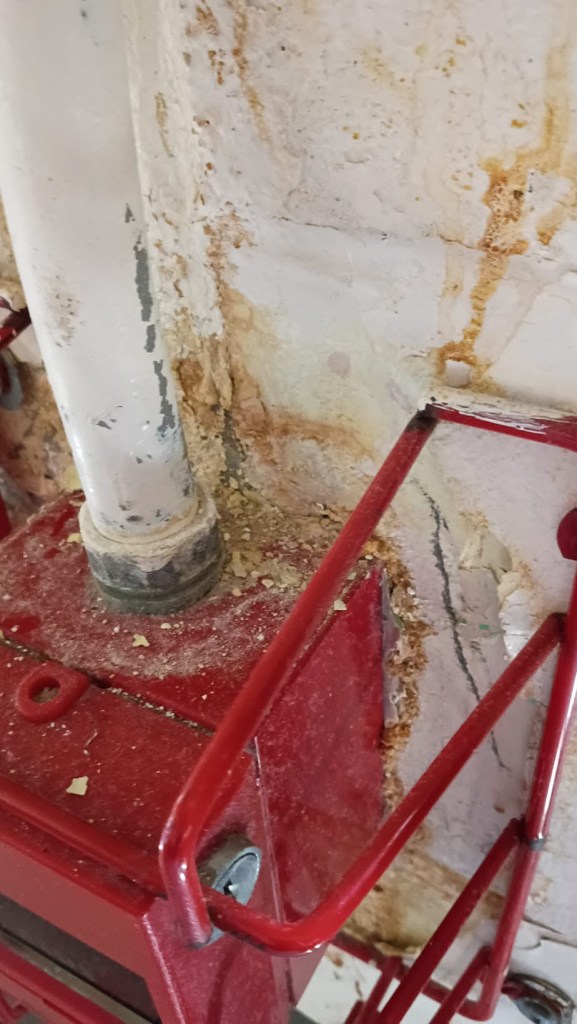
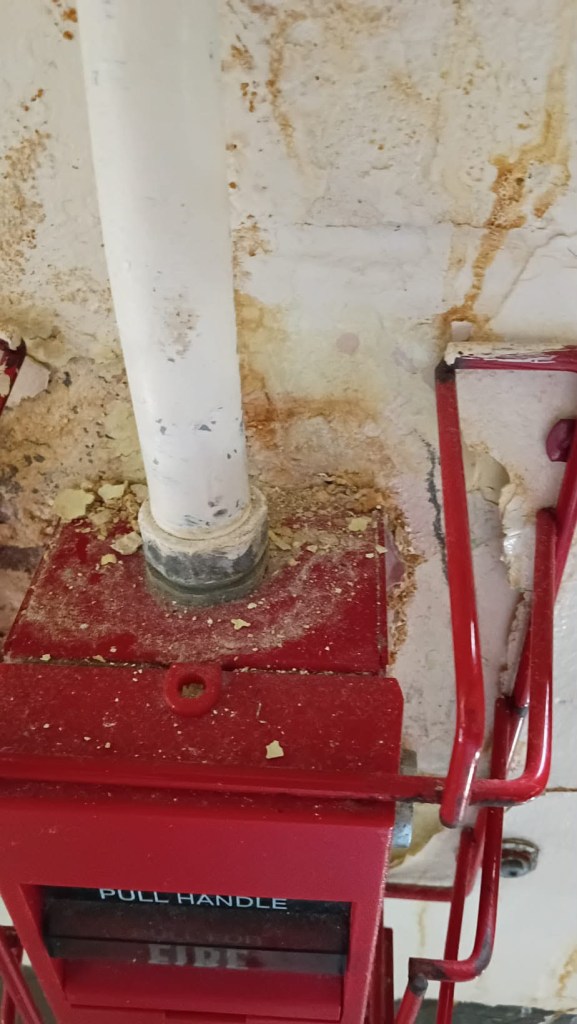
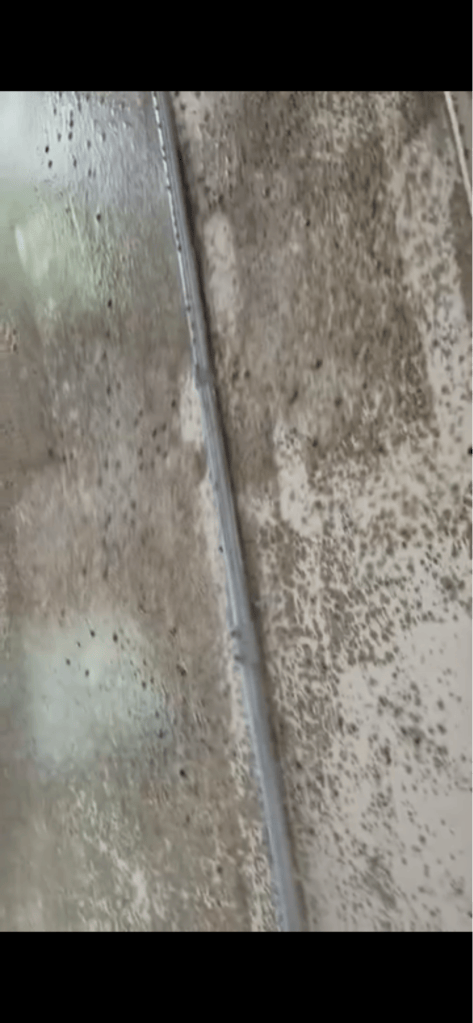
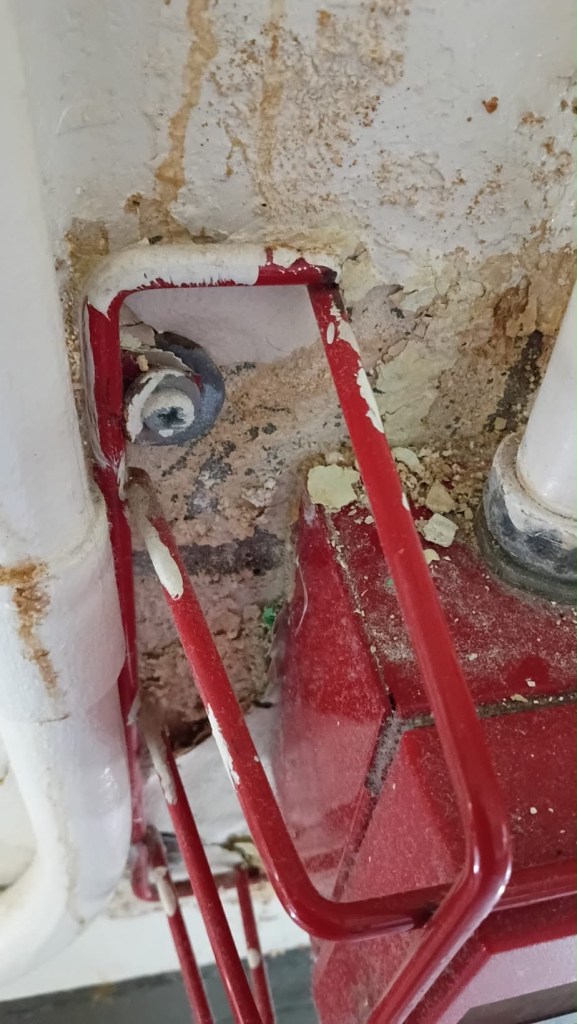
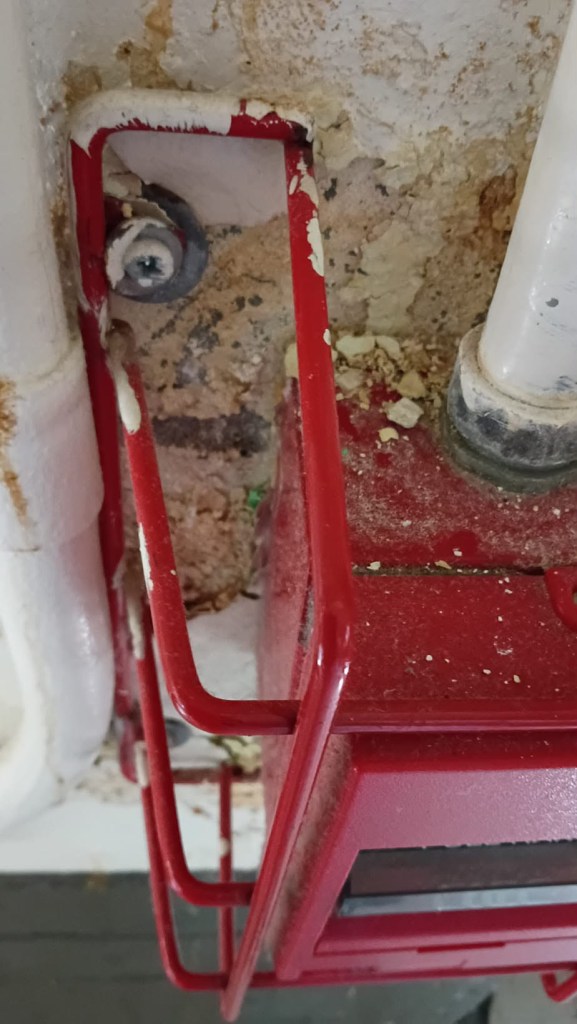
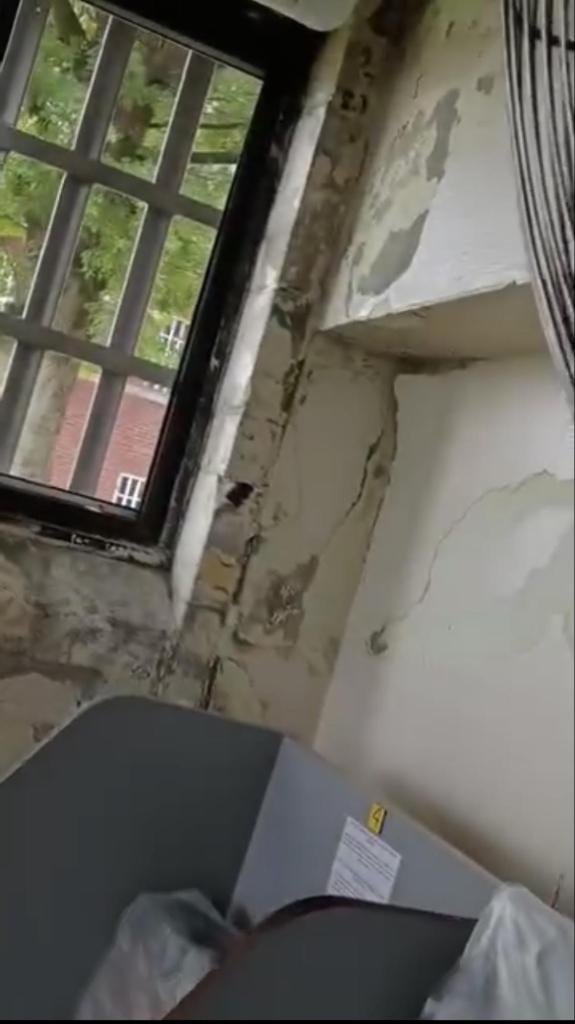
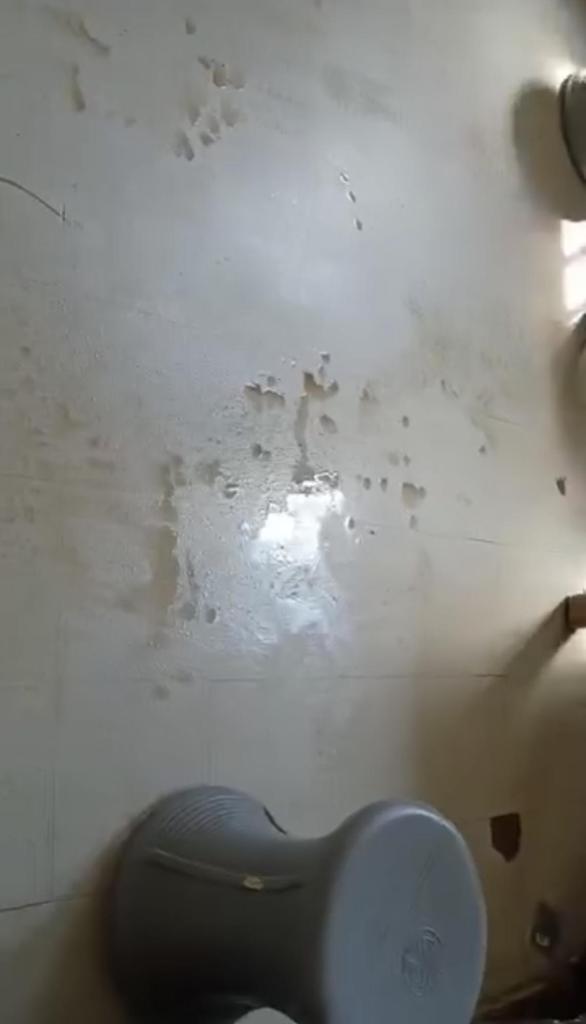
Loved Ones Coalition received photographic and video documentation during this reporting period depicting significant moisture-related deterioration and apparent sanitation and infrastructure concerns within areas of FCI Ashland reportedly used by incarcerated individuals, including a dayroom/television room.
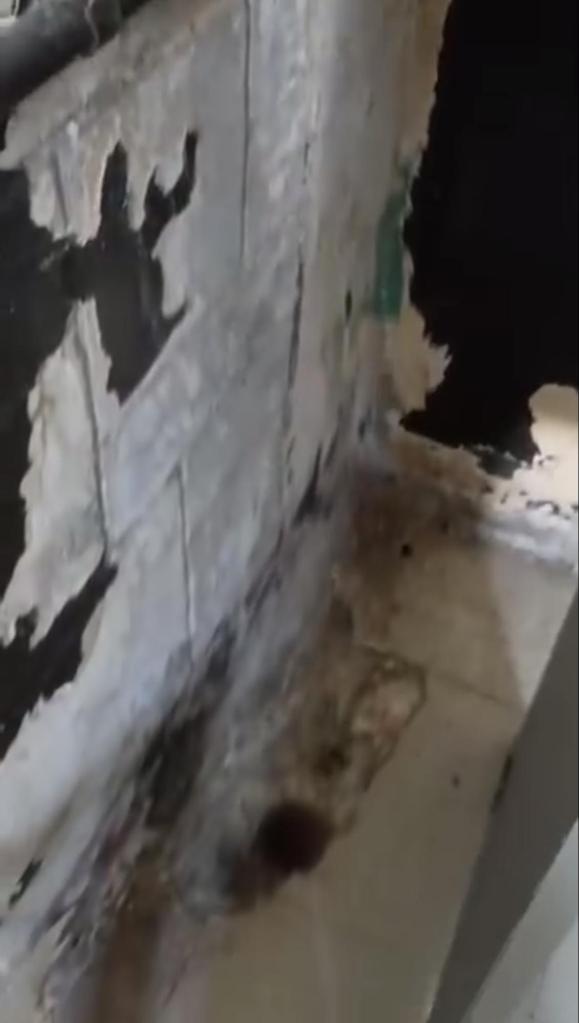
The documentation depicts extensive discoloration and dark spotting across wall and structural surfaces. In some areas, the spotting appears widespread and dense. While photographs and video alone cannot establish whether the visible material is mold or identify the type or concentration of any microbial growth, the appearance of the affected surfaces, combined with reported persistent condensation and moisture, warrants evaluation for mold, mildew, or other moisture-related microbial contamination.
Photographs also depict substantial deterioration of painted and finished surfaces. Paint and other surface material appear cracked, peeling, flaking, bubbling, or missing in multiple locations. Debris consistent with deteriorating surface material is visible accumulating on and around fixtures and equipment.
Several images depict significant staining and discoloration around pipes, walls, seams, and other building components. Reporting accompanying the documentation states that the affected areas “sweat” from condensation and that moisture accumulates to the point that water leaks or drips onto floors. If persistent, such moisture may contribute to continued deterioration of paint, plaster or other building materials and may create conditions favorable to microbial growth.
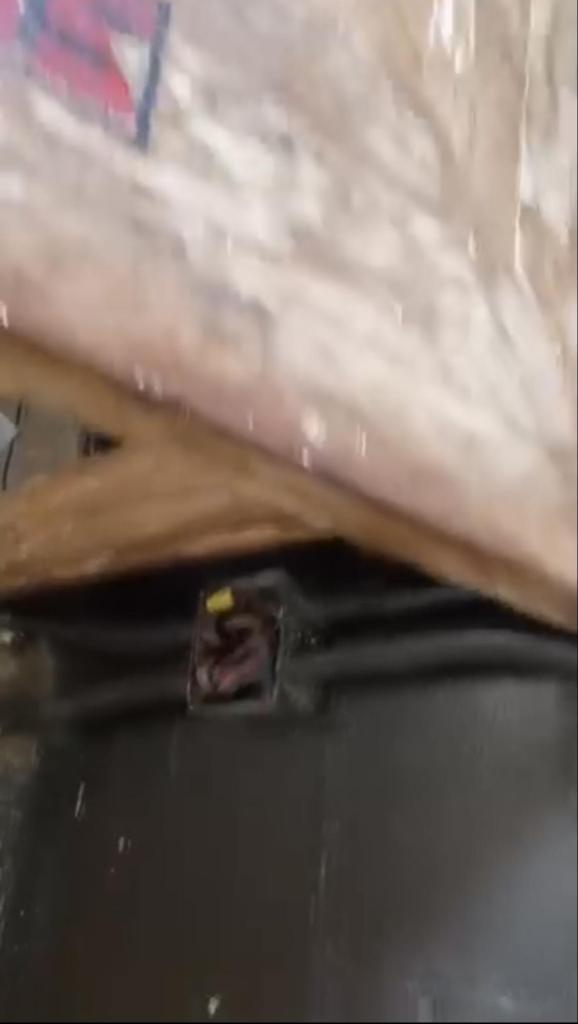
The documentation further appears to show areas where wall or building material has deteriorated or is missing, exposing underlying components. Loved Ones Coalition was additionally advised of concerns regarding exposed wiring within the affected area. The available photographs do not permit a determination regarding whether any visible electrical components are energized or present an immediate electrical hazard. However, reports of exposed electrical components within an area simultaneously experiencing substantial condensation or water intrusion warrant prompt inspection.
Taken together, the documentation raises questions extending beyond cosmetic deterioration. The apparent combination of persistent moisture, widespread staining and dark surface growth, deteriorating building materials, reported water accumulation, and potential electrical exposure suggests the need for a comprehensive inspection of the affected area rather than isolated repainting or surface-level remediation.
2. Key Concern Table
| Concern Area | Description | Potential Concern Area |
| Moisture / Condensation | Reporting describes persistent condensation or “sweating,” with moisture reportedly dripping or accumulating on floors. | Facility Infrastructure / Environmental Health |
| Suspected Mold / Microbial Growth | Photographs and video depict extensive dark spotting and discoloration across affected surfaces. The material has not been independently tested or identified by Loved Ones Coalition. | Environmental Health |
| Deteriorating Interior Surfaces | Paint and other surface materials appear cracked, peeling, flaking, bubbling, or missing, with debris visible in affected areas. | Facility Maintenance |
| Water Damage | Significant staining and deterioration are visible around walls, pipes, seams, and structural surfaces. | Facility Infrastructure |
| Electrical Concerns | Reporting alleges exposed wiring or electrical components in an area also experiencing significant moisture and condensation. | Electrical / Life Safety |
| Occupied Common Areas | The documented conditions reportedly affect a dayroom/television room used by incarcerated individuals. | Conditions of Confinement |
3. Direct Testimony
“Day room for TV room filled [with] black mold, chipping paint and sweating, leaking on the floors, condensation.”
4. Systemic Concerns
The documentation received regarding FCI Ashland raises broader questions regarding moisture control, ventilation, building-envelope integrity, preventative maintenance, environmental-health assessment, and the condition of interior infrastructure within occupied areas.
Of particular concern is the apparent relationship between the conditions visible in the documentation. Persistent condensation or water intrusion can contribute to deterioration of painted and structural surfaces and create an environment capable of supporting microbial growth. Simply cleaning or repainting visibly affected areas would not permanently resolve the concern if the underlying source of moisture remains unidentified.
The reported presence of exposed wiring or electrical components adds an additional potential safety consideration where water or persistent condensation is also present. Determining whether an electrical hazard exists requires an appropriate on-site inspection; the photographs alone cannot establish that conclusion.
The extent of the visible deterioration also raises questions regarding how long these conditions have existed, whether maintenance or environmental-health complaints have previously been submitted, whether the affected areas have been inspected for moisture and microbial contamination, and whether similar conditions exist elsewhere within the institution.
5. Questions for Clarification
- Have FCI Ashland Facilities and Environmental Health personnel inspected the documented dayroom/television-room conditions?
- Has the dark material visible across walls and other surfaces been professionally evaluated or tested for mold or other microbial growth?
- What is causing the reported persistent condensation, “sweating,” leaking, or water accumulation within the affected area?
- Has the institution evaluated ventilation, humidity levels, plumbing, exterior water intrusion, and other potential sources of persistent moisture?
- Have moisture readings or indoor environmental assessments been conducted in the affected area?
- What repairs are planned or underway to address the visibly deteriorating paint, wall material, staining, and other damaged surfaces?
- Has Facilities inspected the reported exposed wiring or electrical components, particularly in relation to the documented moisture conditions?
- Are the affected electrical components energized, appropriately enclosed, and protected from water or condensation?
- Is the documented dayroom/television room currently being used by incarcerated individuals while these conditions remain present?
- Have similar moisture, deterioration, or suspected microbial-growth conditions been identified elsewhere at FCI Ashland?
- What permanent corrective measures are being undertaken to address the source of the moisture, rather than solely cleaning, painting, or repairing visibly affected surfaces?
- What follow-up inspection will be conducted to ensure the conditions do not recur after remediation?
MID-ATLANTIC REGION
FCI HAZELTON
Staffing-Related Lockdowns, Medical Sick-Call Cancellations, Communication Interruptions, Equipment Maintenance, Commissary Concerns, and Institutional Operations
1. Summary of Concerns
Loved Ones Coalition received multiple reports during this reporting period concerning institutional operations at FCI Hazelton, including housing-unit lockdowns reportedly attributed to staffing shortages, canceled medical sick call, recurring telephone disruptions, unavailable computers and televisions, maintenance concerns involving electronic equipment, and a commissary transaction dispute.
The reporting spans multiple dates and suggests that several concerns may be recurring rather than isolated events.
On August 9, Loved Ones Coalition received reporting that multiple housing units had experienced lockdowns reportedly attributed to “short staff.” The reporting specifically identified N-3, N-4, and one M unit as being affected at different points and questioned whether institutional staffing levels were sufficient following the reopening of an upper M unit.
Separate reporting received August 10 stated that institutional telephones had been unavailable beginning the previous morning. According to the submission, individuals were advised that staff did not know how to repair or reset the system. Loved Ones Coalition subsequently received another report on August 20 stating that telephones had again been turned off or made unavailable, reportedly without explanation.
Communication concerns extend beyond the telephone system. Reporting received August 9 alleged that N-1 had one television and two computers out of service for weeks. The same submission alleged more extensive equipment outages in other housing units, including a unit reportedly operating with only one functioning computer, multiple televisions being unavailable, and computer or charging stations missing functional cords because of ordinary wear and tear. The reporting further alleges that individuals were advised that replacement equipment would not be provided.
Medical access presents an additional concern. Reporting received August 13 alleged that sick call had been canceled for the second time that week. Repeated cancellation of routine sick call warrants clarification regarding whether alternative opportunities for medical evaluation were provided and whether staffing or institutional operations were affecting access to Health Services.
Loved Ones Coalition also received reporting regarding conditions on August 12, when the Bureau Director and Deputy Director were reportedly present at the institution. According to the submission, institutional programming and services were fully operational during the visit, cancellations did not occur, and individuals leaving the chow hall reportedly did not experience the searches or other interactions the reporting party states ordinarily occur.
That observation does not establish that institutional conditions were intentionally altered for the visit. However, the contrast described by the reporting party warrants clarification, particularly when considered alongside reports from surrounding dates involving lockdowns, medical cancellations, communication interruptions, and other operational restrictions.
Finally, an August 17 submission describes a commissary transaction in which an incarcerated individual reportedly attempted to purchase ten lower-cost pretzel items but was instead charged for ten substantially more expensive meat-stick products. According to the reporting, commissary personnel refused to reverse the transaction, citing a final-sale policy. While this represents a comparatively narrow issue, the allegation raises questions regarding procedures for correcting staff or processing errors where an incorrect item is allegedly issued and charged to an incarcerated individual’s account.
2. Key Concern Table
| Concern Area | Description | Potential Concern Area |
| Staffing / Lockdowns | Multiple housing units were reportedly locked down because of “short staff.” | Staffing / Institutional Operations |
| Medical Sick Call | Sick call was reportedly canceled twice during one week. | Health Services |
| Telephone Access | Reports describe telephone interruptions around August 9–10 and another interruption on August 20. | Communication / Institutional Operations |
| Computer Access | Multiple housing units reportedly have unavailable computers or computer stations. | Communication / Reentry Resources |
| Equipment Maintenance | Televisions, computers, charging stations, and associated cords reportedly remain unavailable or unrepaired. | Facilities / Trust Fund Operations |
| Director Visit | Reporting describes noticeably fewer restrictions and cancellations during the August 12 leadership visit. | Institutional Transparency |
| Commissary Transaction | An individual alleges an incorrect, substantially more expensive order was issued and could not be corrected. | Trust Fund / Commissary Operations |
3. Direct Testimony
“Yesterday couple of L units were lock down all day due to ‘short staff.’ Today N-3-4 and one of the M units are lockdown due to ‘short staff.’”
“Please rpt that Sunday morning, Aug 9th to today the phones have been down.”
“N-1 has had one tv down and two computers down for weeks now and there are other units that are even worse.”
“For the 2nd time this week they have canceled sick call.”
Regarding the August 12 leadership visit:
“Everything was open, nothing was canceled.”
Regarding the August 20 telephone interruption:
“They turned the phones off, no explanation or nothing.”
4. Systemic Concerns
The reporting received regarding FCI Hazelton raises broader questions about whether staffing limitations are affecting multiple components of normal institutional operations.
A staffing shortage affecting a single housing unit on a single occasion may represent an ordinary operational challenge. Repeated reports connecting staffing limitations with housing-unit lockdowns become more significant when the same reporting period also includes allegations of canceled sick call and interruptions to communication and other services.
Medical access deserves particular clarification. If routine sick call must occasionally be canceled because of an emergency or temporary operational condition, the institution should maintain a mechanism for ensuring individuals requiring evaluation are not simply carried forward indefinitely without assessment.
Recurring telephone and computer problems similarly affect more than recreation. These systems provide incarcerated individuals with access to family communication, legal and administrative matters, reentry resources, and other important institutional functions. Reports that equipment has remained unusable for weeks therefore warrant clarification regarding repair and replacement procedures.
The August 12 report concerning the Director and Deputy Director’s visit presents a separate institutional-transparency question. Loved Ones Coalition cannot determine from the submission whether operations were deliberately changed because senior Bureau leadership was present. Nevertheless, where families and incarcerated individuals describe recurring restrictions immediately before or after a leadership visit but report substantially different operations while leadership is physically present, the Bureau should consider whether visiting officials are observing conditions representative of ordinary institutional operations.
5. Questions for Clarification
- Were L, N-3, N-4, or M housing units placed under lockdown or modified operations during the reporting period because of staffing shortages?
- What minimum staffing levels are necessary to maintain normal housing-unit operations at FCI Hazelton, and were those levels consistently met during this period?
- Was sick call canceled twice during the week surrounding August 13, and if so, why?
- What alternative medical-evaluation process was provided to individuals whose sick-call access was canceled?
- What caused the reported telephone interruption beginning around August 9, and when was normal service restored?
- Was telephone access again interrupted or disabled on or around August 20, and was that event related to the earlier outage?
- How many inmate-access computers, televisions, and charging stations are currently unavailable in N-1 and other housing units, and what is the repair or replacement timeline?
- Are replacement cords and other routine equipment components being withheld, and if so, why?
- Were institutional operations, movement, programming, searches, medical services, or other routine procedures modified in preparation for or during the Director and Deputy Director’s August 12 visit?
- What procedures ensure senior Bureau officials conducting institutional visits observe conditions representative of ordinary day-to-day operations?
- What procedure allows commissary personnel to correct an erroneous transaction where an incarcerated individual alleges that the items charged were not the items ordered?
- More broadly, has FCI Hazelton leadership evaluated whether staffing limitations are contributing simultaneously to lockdowns, medical-service interruptions, communication restrictions, or other recurring operational disruptions?
SOUTHEAST REGION
FCI TALLAHASSEE
Extreme Indoor Heat, Temperature Control, Heat Mitigation, and Conditions of Confinement Concerns

1. Summary of Concerns
Loved Ones Coalition received photographic documentation during this reporting period regarding excessive indoor heat at FCI Tallahassee.
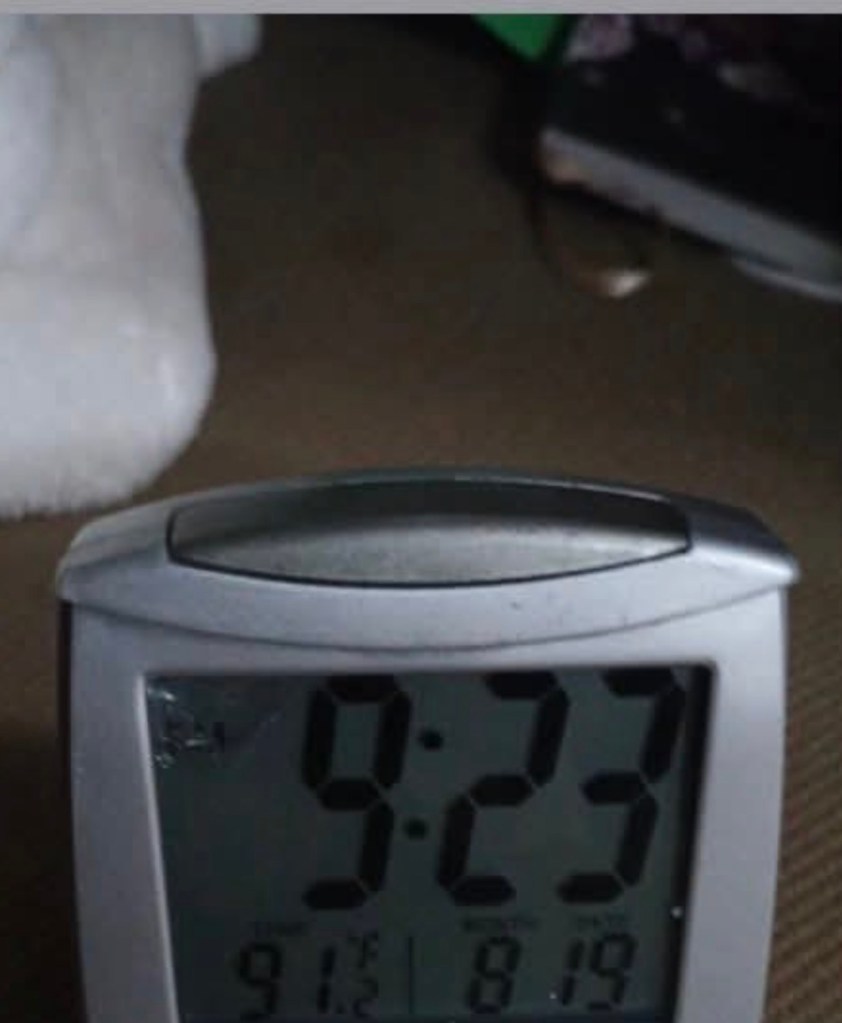
The photograph submitted to the organization depicts a digital thermometer displaying a temperature reading of 91°F. The documentation was submitted as evidence of the heat conditions reportedly being experienced by incarcerated individuals inside the institution.
A single photograph cannot establish temperatures throughout FCI Tallahassee, how long the documented temperature persisted, or whether the reading represents conditions across multiple housing areas. However, an indoor temperature reading exceeding 91°F within an occupied correctional environment warrants clarification regarding HVAC performance, ventilation, temperature monitoring, and heat-mitigation measures available to incarcerated individuals.
The concern becomes particularly significant if individuals are exposed to elevated indoor temperatures for prolonged periods, including overnight hours, or if affected individuals have limited ability to access cooler areas.
Loved Ones Coalition respectfully requests that FCI Tallahassee and Southeast Regional leadership determine whether the submitted reading reflects a localized condition or a broader temperature-control problem within occupied areas of the institution.
2. Key Concern Table
| Concern Area | Description | Potential Concern Area |
| Indoor Temperature | Submitted photographic documentation depicts a digital thermometer reading 91°F. | Environmental Health |
| HVAC / Cooling | Reporting raises questions regarding whether cooling systems are adequately maintaining occupied areas. | Facility Infrastructure |
| Heat Exposure | Prolonged exposure to elevated indoor temperatures may create health and safety concerns. | Health Services / Environmental Health |
| Temperature Monitoring | Clarification is needed regarding whether temperatures are routinely measured inside occupied housing areas. | Environmental Health |
| Heat Mitigation | Information is needed regarding access to water, fans, cooled spaces, showers, and other mitigation measures during excessive heat. | Conditions of Confinement |
3. Photographic Documentation
Loved Ones Coalition received a photograph submitted as documentation of conditions at FCI Tallahassee. The image depicts a digital thermometer displaying:
91°F
Loved Ones Coalition cannot independently determine from the photograph alone the precise location of the thermometer within the institution, the duration of the documented temperature, or whether the reading reflects temperatures throughout the facility.
4. Systemic Concerns
The reporting regarding FCI Tallahassee raises broader questions regarding environmental temperature management within federal correctional institutions during periods of extreme summer heat.
Indoor heat should be evaluated based on conditions within the spaces where incarcerated individuals actually live and sleep. Temperature readings taken in administrative offices, corridors, or other cooled portions of an institution may not accurately represent conditions within individual housing areas.
The submitted 91°F reading therefore warrants direct measurement by Facilities or Environmental Health personnel within occupied areas, including during the hottest portions of the day and, where appropriate, during overnight hours.
If HVAC deficiencies or infrastructure limitations prevent particular areas from maintaining reasonable temperatures, temporary heat-mitigation measures should remain available while permanent repairs are completed.
5. Questions for Clarification
- Have Facilities or Environmental Health personnel measured temperatures within occupied housing areas at FCI Tallahassee during the current period of summer heat?
- Has FCI Tallahassee documented indoor temperatures reaching or exceeding 91°F within occupied areas?
- Is the institution’s HVAC or cooling infrastructure currently functioning as designed?
- Are particular housing units or portions of the institution experiencing higher temperatures than others?
- How frequently are temperatures measured and documented within incarcerated living and sleeping areas?
- Are temperature measurements taken during the hottest portions of the day?
- What heat-mitigation measures are currently available, including access to drinking water, ice, fans, showers, or cooler areas?
- What accommodations are provided for individuals who may be particularly vulnerable to excessive heat?
- Have Health Services experienced an increase in heat-related complaints or medical encounters during periods of elevated indoor temperatures?
- Has Southeast Regional leadership evaluated whether additional HVAC repairs, temporary cooling equipment, or other intervention is necessary at FCI Tallahassee?
- What was the approximate temperature in the housing area represented by the submitted 91°F reading when measured using institution-maintained equipment?
SOUTHEAST REGION
FCI YAZOO CITY LOW I
Severe Toilet and Urinal Availability, Plumbing Failures, Sanitation, Population Impact, and Conditions of Confinement Concerns





1. Summary of Concerns
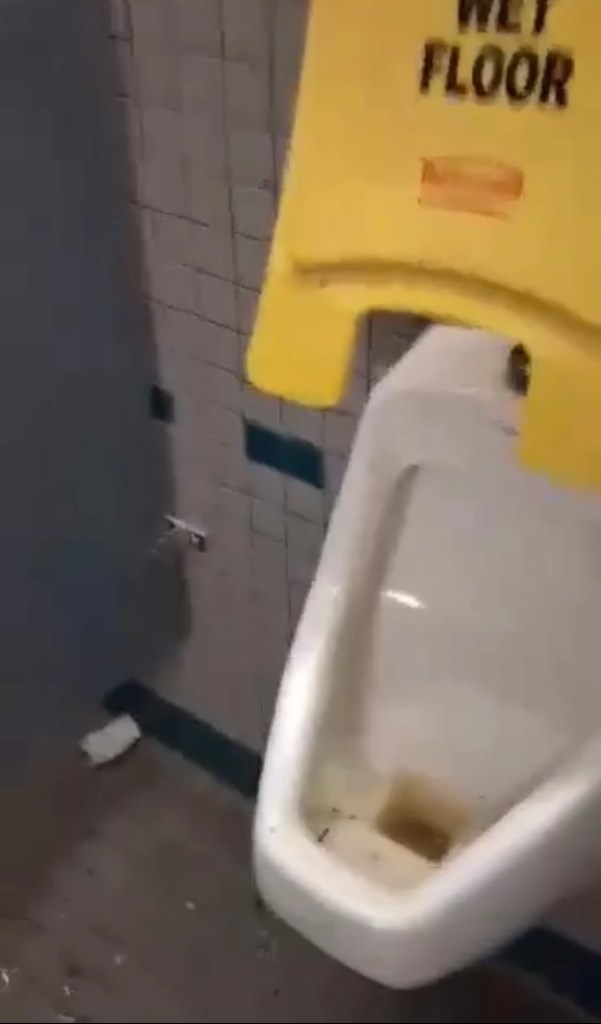
Loved Ones Coalition received video documentation during this reporting period regarding significant plumbing and sanitation concerns at FCI Yazoo City Low I.
The documentation reportedly depicts a housing area serving more than 100 incarcerated individuals where only two toilets are currently functioning. Reporting further indicates that even those two toilets do not function reliably and will only flush intermittently.
Additional documentation depicts a urinal missing from the wall, while two additional urinals are reportedly out of service.
If the reporting accurately reflects the number of functioning fixtures available to the affected population, more than 100 incarcerated individuals may currently be relying on only two intermittently functioning toilets for basic sanitation needs.
This is not a minor inconvenience or ordinary maintenance issue. Adequate access to functioning toilets is a fundamental sanitation requirement within an occupied correctional environment. Where incarcerated individuals cannot freely leave the institution or housing area to access alternative restroom facilities, prolonged plumbing failures can quickly affect sanitation, hygiene, health, dignity, and overall conditions of confinement.
The reported intermittent operation of the two remaining toilets creates an additional concern. A fixture that only sometimes flushes cannot necessarily be considered consistently available for a population of this size, particularly if simultaneous failure could leave the affected housing area without adequate toilet access.
Loved Ones Coalition respectfully requests immediate clarification regarding the number of individuals housed in the affected area, the number of operational toilets and urinals currently available to them, how long the documented fixtures have remained out of service, and what emergency or permanent repairs are underway.
2. Key Concern Table
| Concern Area | Description | Potential Concern Area |
| Toilet Availability | Reporting and video documentation indicate only two toilets are functioning for more than 100 incarcerated individuals in the affected area. | Sanitation / Conditions of Confinement |
| Intermittent Flushing | The two remaining toilets reportedly flush only intermittently. | Plumbing / Facility Infrastructure |
| Urinal Infrastructure | Video documentation reportedly depicts a urinal missing from the wall. | Facility Maintenance |
| Additional Urinal Failures | Two additional urinals are reportedly out of service. | Plumbing / Sanitation |
| Population Impact | The limited number of functioning fixtures reportedly serves a population exceeding 100 individuals. | Environmental Health / Conditions of Confinement |
| Repair Response | Clarification is needed regarding duration, work orders, temporary accommodations, and permanent repair plans. | Facilities Management |
3. Direct Testimony / Video Documentation
Loved Ones Coalition received video documentation depicting the reported restroom conditions at FCI Yazoo City Low I.
Reporting accompanying the documentation states that all but two toilets are currently nonfunctional for a population exceeding 100 incarcerated individuals, and that the remaining toilets only flush intermittently.
The documentation further reportedly shows a urinal missing from the wall, while two additional urinals are described as out of service.
4. Systemic Concerns
The conditions reported at FCI Yazoo City Low I raise concerns extending beyond individual broken plumbing fixtures.
Correctional institutions necessarily house large numbers of individuals who depend entirely upon the institution to provide functioning sanitation infrastructure. When most available toilets within an occupied housing area become unusable, the consequences affect the entire population sharing those facilities.
The reported ratio of more than 100 individuals to two intermittently functioning toilets warrants prompt review of whether adequate sanitary facilities remain available and whether temporary restroom accommodations should be provided until permanent repairs are completed.
The reported condition also raises questions regarding preventative maintenance and repair response. If multiple toilets and urinals within the same area have simultaneously become unavailable, institution leadership should determine whether the failures represent isolated fixture problems or a broader plumbing or wastewater-system deficiency.
Continued use of a housing area without sufficient functioning sanitation fixtures may also place additional demand on the few remaining toilets, potentially accelerating additional failures and creating a situation in which incarcerated individuals could be left with even less reliable access to basic sanitation.
5. Questions for Clarification
- How many incarcerated individuals are currently housed in the area documented in the submitted video?
- How many toilets are installed within that area, and how many are presently fully operational?
- Can FCI Yazoo City Low I confirm whether only two toilets are currently functioning for more than 100 incarcerated individuals?
- Are the two remaining toilets functioning consistently, or have Facilities personnel documented intermittent flushing or other operational problems?
- How many urinals are installed in the affected restroom area, and how many are currently operational?
- Why is one urinal reportedly missing from the wall, and when is it scheduled for replacement?
- How long have the remaining toilets and urinals been out of service?
- Have maintenance work orders been submitted for each nonfunctioning fixture, and what is their current status?
- Have Facilities personnel determined whether these failures involve individual fixtures or a larger plumbing, drainage, water-pressure, or wastewater-system problem?
- What temporary sanitation accommodations are being provided while repairs remain incomplete?
- Has Environmental Health inspected the affected restroom and determined whether current fixture availability is sufficient for the number of individuals housed there?
- What is the expected timeline for restoring reliable, functioning toilet and urinal access for the affected population?
- Has Southeast Regional leadership been notified that more than 100 incarcerated individuals are reportedly relying on only two intermittently functioning toilets?
- Will the institution conduct a broader inspection of restroom and plumbing infrastructure throughout FCI Yazoo City Low I to determine whether similar deficiencies exist elsewhere?
WESTERN REGION
FCI MENDOTA
Prolonged Copier Failure, Legal and Administrative Document Access, Excessive Alternative Copying Costs, and Continued Sale of Unusable Copy Cards
1. Summary of Concerns
Loved Ones Coalition received reporting during this reporting period regarding a prolonged lack of access to a functioning copier for the incarcerated population at FCI Mendota.
According to the submission, the copier normally available to incarcerated individuals has reportedly been out of service for more than one year. The machine is ordinarily used with copy cards purchased through commissary at a reported cost of approximately $6 for 50 copies.
Despite the copier reportedly remaining unavailable for more than a year, the submission states that copy cards continue to be sold through commissary.
The reporting party states that incarcerated individuals have been advised that the company from which the Bureau leases the copier can no longer repair the machine and that the institution is seeking another vendor. However, according to the submission, no replacement accessible to the incarcerated population has been provided despite the duration of the outage.
The submission further indicates that other functioning copiers exist within the institution but are not ordinarily accessible to incarcerated individuals. As a result, individuals requiring copies for legal filings, administrative remedies, or other important documents reportedly must attempt to locate alternative methods of obtaining copies, sometimes at substantially greater expense.
One specific example provided involved an incarcerated individual who reportedly needed approximately 30–40 pages copied for a legal filing. Because the regular copier was unavailable, the individual reportedly paid $57 through an alternative means to obtain the necessary copies.
Although copier availability may initially appear to be a relatively minor operational issue, a reported outage exceeding one year becomes significantly more concerning when it affects the ability of incarcerated individuals to reproduce documents necessary for legal filings, administrative remedies, correspondence, and other time-sensitive matters.
Loved Ones Coalition respectfully requests clarification regarding why a functioning replacement or reasonable alternative has not been made available and why copy cards for the unavailable service reportedly continue to be sold.
2. Key Concern Table
| Concern Area | Description | Potential Concern Area |
| Copier Availability | The copier normally accessible to incarcerated individuals has reportedly been nonfunctional for more than one year. | Institutional Operations |
| Legal Document Access | Individuals reportedly lack ordinary copying access for legal filings and other important paperwork. | Legal Access |
| Administrative Remedies | Copier unavailability may complicate reproduction of documents necessary for administrative filings. | Administrative Remedy Access |
| Alternative Costs | One individual reportedly paid $57 to obtain approximately 30–40 pages of copies through an alternative method. | Financial Burden / Access |
| Copy Card Sales | Copy cards reportedly remain available for purchase despite the corresponding copier being unavailable. | Trust Fund / Commissary Operations |
| Replacement Delay | Reporting indicates the existing vendor cannot repair the machine and another vendor is being sought, with the issue reportedly unresolved for more than a year. | Procurement / Institutional Operations |
3. Direct Testimony
“The copier the men normally have access to has been broken for over a year.”
“They can still buy the copy cards in the commissary. They just don’t have a working copier where they can use them.”
“It cost him $57 to get approximately 30 to 40 pages copied through an informal alternative because he didn’t have access to the regular copier.”
4. Systemic Concerns
The duration of the reported outage is particularly concerning.
Temporary equipment failures occur in institutional environments. However, an essential service reportedly remaining unavailable to the incarcerated population for more than one year raises questions regarding maintenance, procurement, contingency planning, and institutional oversight.
The significance of copier access also extends beyond convenience. Incarcerated individuals may need copies of legal filings, administrative remedies, supporting documentation, correspondence, and other records. Some of those matters are governed by deadlines, meaning prolonged lack of ordinary copying access may have consequences beyond the inconvenience of unavailable equipment.
The reported availability of functioning copiers elsewhere within FCI Mendota raises an additional question regarding interim accommodations. If procurement or vendor difficulties have prevented replacement of the designated copier for more than a year, it is unclear why a controlled procedure could not be established allowing incarcerated individuals reasonable access to another functioning machine until a permanent replacement is obtained.
Continued sale of copy cards also warrants clarification. If those cards cannot presently be used for their intended purpose because the corresponding equipment is unavailable, incarcerated individuals should be clearly informed before purchase, and the institution should explain whether previously purchased cards remain valid once service is restored or whether refunds or other accommodations are available.
5. Questions for Clarification
- Can FCI Mendota confirm whether the copier ordinarily available to the incarcerated population has been nonfunctional for more than one year?
- When did the copier initially become unavailable?
- What repair attempts or maintenance requests have been made since the equipment failed?
- Is it accurate that the Bureau’s current copier vendor has advised that the machine cannot be repaired?
- If so, when was FCI Mendota first notified that replacement rather than repair would be necessary?
- What is the current status and expected timeline for obtaining a replacement copier or vendor?
- What copying services are currently available to incarcerated individuals who need documents reproduced for legal filings or administrative remedies?
- Are functioning copiers located elsewhere within FCI Mendota, and if so, why has an interim controlled-access procedure not been established while the designated copier remains unavailable?
- Can FCI Mendota confirm whether an incarcerated individual recently incurred approximately $57 in costs to obtain 30–40 pages of copies because the regular copier was unavailable?
- Are copy cards for the unavailable copier still being sold through commissary?
- If so, why are cards for a currently unavailable service continuing to be sold?
- Are incarcerated individuals advised before purchasing the cards that the regularly accessible copier is presently unavailable?
- Will previously purchased copy cards remain valid when service is restored, and is any refund mechanism available for individuals unable to use cards they have purchased?
- What steps will FCI Mendota take to ensure individuals with filing deadlines have timely and reasonably priced access to necessary copying services until permanent equipment is restored?
WESTERN REGION
FCI SHERIDAN & SATELLITE CAMP
Multiple Reported Scabies Cases Across Both Facilities, Inconsistent Treatment, Infection-Control Concerns, Serious Medical Delays, Dental Access, and Recurring Lockdowns
1. Summary of Concerns
Loved Ones Coalition has now received reports involving five incarcerated individuals with scabies at FCI Sheridan and its satellite camp, indicating that the reported issue is not limited to one individual or one side of the institution.
Reports have been received involving individuals at both the FCI and the satellite camp. Some of the individuals reportedly have received treatment, while others report continuing to wait for medication or medical intervention despite symptoms.
This distinction is significant. Loved Ones Coalition is no longer reporting a single allegation of an individual experiencing a delayed response to a contagious skin condition. Multiple reports across two separate populations within the Sheridan complex warrant clarification regarding the scope of the reported cases, infection-control measures, treatment availability, potential exposure, and whether Health Services is actively monitoring for additional cases.
One family report describes an individual at the FCI who had reportedly been experiencing scabies for approximately two weeks and continued waiting for medicated ointment despite repeatedly seeking assistance. The family member reported that the itching had become severe enough that the individual was scratching layers of skin from affected areas.
Other reports received by Loved Ones Coalition indicate that some individuals with reported scabies have been treated. The apparent inconsistency in treatment raises questions regarding how cases are being identified, triaged, and managed and whether medication is readily available to all individuals requiring treatment.
Because scabies can spread through close or prolonged contact and within congregate living environments, the presence of multiple reported cases across both the FCI and camp warrants prompt review of whether this represents isolated cases or a broader institutional transmission issue.
Separate medical reporting involves an incarcerated individual experiencing severe internal pain and reported internal bleeding while undergoing diagnostic testing. The family expressed concern that the symptoms could potentially represent colon cancer; however, no such diagnosis has been established. Loved Ones Coalition therefore does not characterize the individual as having cancer. The concern is the seriousness of the reported symptoms and the timeliness of diagnostic follow-up.
According to the family, initial test results took more than one month to return. Additional testing and bloodwork were subsequently performed, while the individual reportedly continued experiencing significant symptoms and requesting further physician evaluation.
Loved Ones Coalition has also received separate reporting regarding significant dental-care delays at Sheridan. One family reports an approximately three-month wait to see a dentist. Another family described dental providers as being available only intermittently and reported a previous situation in which an individual’s tooth became infected and severely swollen before definitive dental care was obtained.
Finally, families continue to report recurring lockdowns at Sheridan, including allegations that lockdowns occur nearly every weekend and are variously attributed to staffing shortages, fights, or other institutional incidents.
2. Key Concern Table
| Concern Area | Description | Potential Concern Area |
| Multiple Scabies Reports | LOC has received reports involving five individuals with scabies. | Health Services / Infection Control |
| FCI & Camp Impact | Reported cases involve individuals at both the FCI and satellite camp. | Institutional Infection Control |
| Inconsistent Treatment | Some reported cases have received treatment while others reportedly remain untreated. | Health Services |
| Potential Transmission | Multiple reported cases across separate Sheridan populations raise questions regarding the scope of exposure and transmission. | Infection Prevention |
| Severe Skin Symptoms | One individual reportedly scratched skin to the point of significant skin damage while awaiting medication. | Medical Care |
| Serious Medical Symptoms | Separate reporting describes severe internal pain and internal bleeding during ongoing diagnostic evaluation. | Health Services |
| Diagnostic Delays | Initial test results reportedly required more than one month, followed by repeat testing and bloodwork. | Medical Continuity |
| Dental Access | Reporting describes waits of approximately three months and limited dental-provider availability. | Dental Services |
| Recurring Lockdowns | Families report frequent lockdowns, including some reportedly attributed to staffing shortages. | Institutional Operations / Staffing |
3. Direct Testimony and Reporting
“It is causing him to scratch layers of skin off.”
“My LO has been waiting to see the dentist for 3 months.”
4. Systemic Concerns
The most immediate concern at FCI Sheridan is now the number and distribution of reported scabies cases.
Five reported cases involving both the FCI and satellite camp warrant review beyond individual medical encounters. The Bureau should determine whether these cases are clinically confirmed, whether additional symptomatic individuals have presented to Health Services, whether cases may be epidemiologically connected, and whether additional infection-control intervention is necessary.
Of particular concern is the reported difference in access to treatment. If some symptomatic or diagnosed individuals are receiving appropriate medication while others remain untreated for extended periods, untreated cases could potentially undermine efforts to control transmission.
The institutional response should therefore address not only medication but also the broader management of potentially exposed populations, including appropriate evaluation, laundering of clothing and bedding, environmental measures, and education regarding prevention of further transmission.
The additional reports concerning diagnostic delays and dental access raise broader questions about Health Services capacity at Sheridan. When considered alongside recurring reports of staffing-related lockdowns, the cumulative reporting warrants examination of whether staffing or resource limitations are affecting access to multiple institutional services.
5. Questions for Clarification
- How many confirmed or suspected cases of scabies have been identified at FCI Sheridan during August 2026?
- How many cases have been identified at the FCI, and how many at the satellite camp?
- Is Sheridan Health Services aware of multiple cases occurring across both populations?
- Have the reported cases been evaluated to determine whether they may be connected through institutional transmission?
- How many individuals have received treatment, and how many diagnosed or symptomatic individuals are currently awaiting treatment?
- What is the expected timeframe between identification of suspected or confirmed scabies and initiation of medication?
- Is medication used to treat scabies currently available in sufficient quantities at Sheridan?
- Why are some reported individuals receiving treatment while others reportedly remain untreated?
- Are potentially exposed cellmates, bunkmates, or other close contacts being evaluated and treated where clinically indicated?
- What laundering, bedding, clothing, sanitation, or other infection-control measures have been implemented at the FCI and satellite camp?
- Has Health Services conducted or considered broader screening within affected housing areas?
- Has Western Regional leadership been notified of multiple reported scabies cases involving both the FCI and camp?
- At what point would the number or distribution of cases trigger a broader institutional infection-control response?
- Regarding the separate medical report, what procedures are used to triage individuals reporting severe internal pain accompanied by internal bleeding?
- What are Sheridan’s current wait times for diagnostic follow-up and physician evaluation?
- What are FCI Sheridan’s current dental staffing levels, including dentists, dental assistants, and contract providers?
- What is the current average wait for routine and urgent dental treatment?
- Has Sheridan experienced recurring weekend lockdowns during August 2026, and how many were attributable wholly or partly to staffing shortages?
- Has Western Regional leadership evaluated whether staffing or Health Services capacity limitations are contributing to the combination of medical-treatment delays, dental delays, and recurring operational restrictions being reported at Sheridan?