March 23, 2026 – Weekly Oversight Report
LOVED ONES COALITION
Documenting Systemic Violations Across the Federal Bureau of Prisons
March 23, 2026
This week’s reporting reflects a continuing pattern across multiple Bureau of Prisons regions involving conditions-of-confinement concerns, operational instability, infrastructure failures, barriers to medical and dental care, staff conduct issues, and institutional responses that frequently affect entire housing populations rather than addressing problems through timely, targeted, and policy-compliant corrective action.
Across institutions in the Southeast, South Central, Mid-Atlantic, Northeast, and North Central regions, Loved Ones Coalition has received corroborating reporting from incarcerated individuals, family members, and individuals with direct knowledge of institutional operations describing prolonged water disruptions, sanitation failures, food safety concerns, delayed or denied access to medical treatment and prescribed medication, malfunctioning communication systems, staffing shortages, disciplinary irregularities, retaliation concerns, and deteriorating infrastructure affecting daily living conditions.
A consistent thread throughout this week’s reporting is the repeated intersection of basic-needs failures and operational decision-making. In multiple facilities, individuals report not only unsafe or unstable conditions, but institutional responses that appear to prolong hardship through lockdowns, collective sanctions, restricted movement, delayed services, or barriers to remedies rather than resolving the underlying issue.
This week’s reporting also reflects a broader pattern in which concerns involving food, water, sanitation, medical access, communication, discipline, and housing conditions do not appear in isolation. Instead, they frequently arise together, suggesting deeper vulnerabilities in facility maintenance, staffing capacity, supervisory accountability, and institutional management practices.
When incarcerated individuals are unable to access safe water, functioning sanitation, medical care, prescribed medication, communication with family, or fair and reliable institutional processes, the resulting conditions raise concerns that extend beyond inconvenience. They implicate the most basic obligations of custodial care and demand continued oversight review.
Loved Ones Coalition respectfully submits this report as part of its ongoing documentation of corroborated reporting from across the federal prison system. These reports are intended to preserve the record, support transparency, and ensure that recurring concerns involving conditions of confinement, staff conduct, operational instability, and access to essential services remain visible to the public and to the oversight bodies responsible for monitoring the Bureau of Prisons.
Ongoing review, direct inquiry, and meaningful corrective action remain necessary where recurring reporting suggests persistent failures in institutional safety, accountability, and compliance with federal standards.
SOUTHEAST REGION
FCI Edgefield (South Carolina) — Conditions of Confinement Concerns During Prolonged Water Disruption and Facility Deterioration






1. SUMMARY OF ALLEGATIONS
Loved Ones Coalition has received continued reporting from incarcerated individuals, family members, and individuals with direct knowledge of institutional operations regarding conditions of confinement at FCI Edgefield during and following a prolonged water disruption.
Reporting indicates that individuals housed at the medium-security facility experienced extended lockdown conditions beginning on or about Friday, followed by limited movement over the weekend. Sources report that incarcerated individuals were released briefly for approximately one hour, during which some individuals were able to shower while others were not.
Sources further report that on or about Tuesday morning, housing units experienced a complete loss of running water, which continued for multiple days. Reporting indicates that water access remained unavailable until late Friday night or early Saturday, exceeding the initially described timeframe of the outage.
Sources report that incarcerated individuals experienced:
- prolonged lack of reliable running water within housing areas
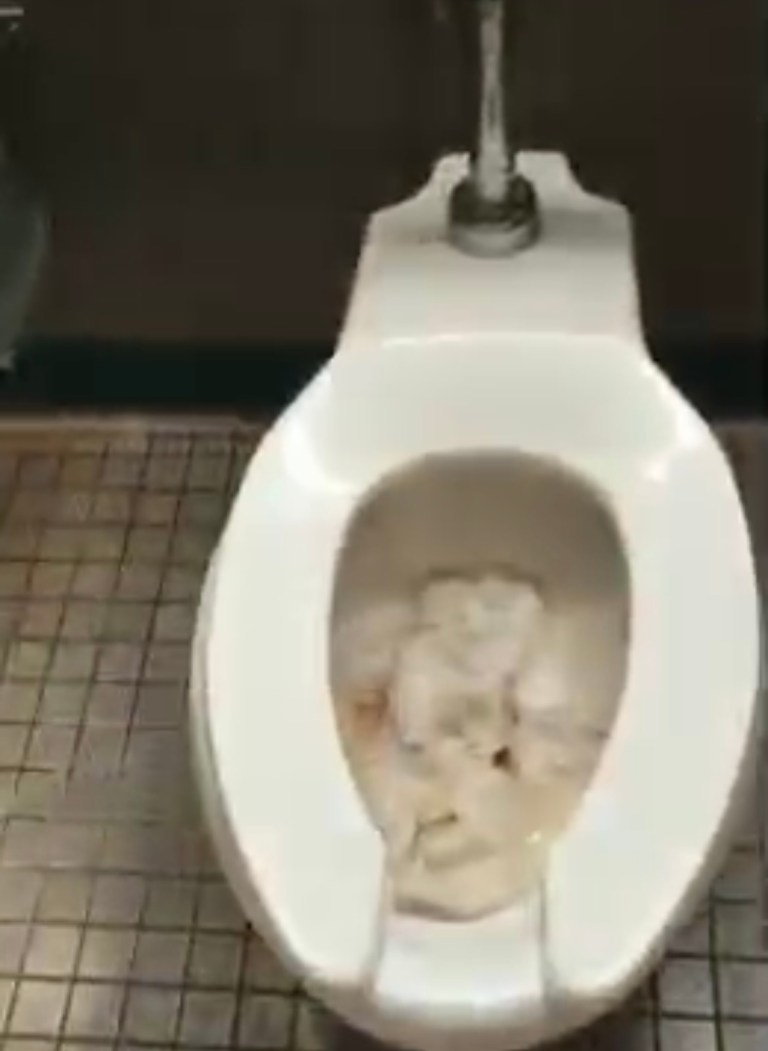
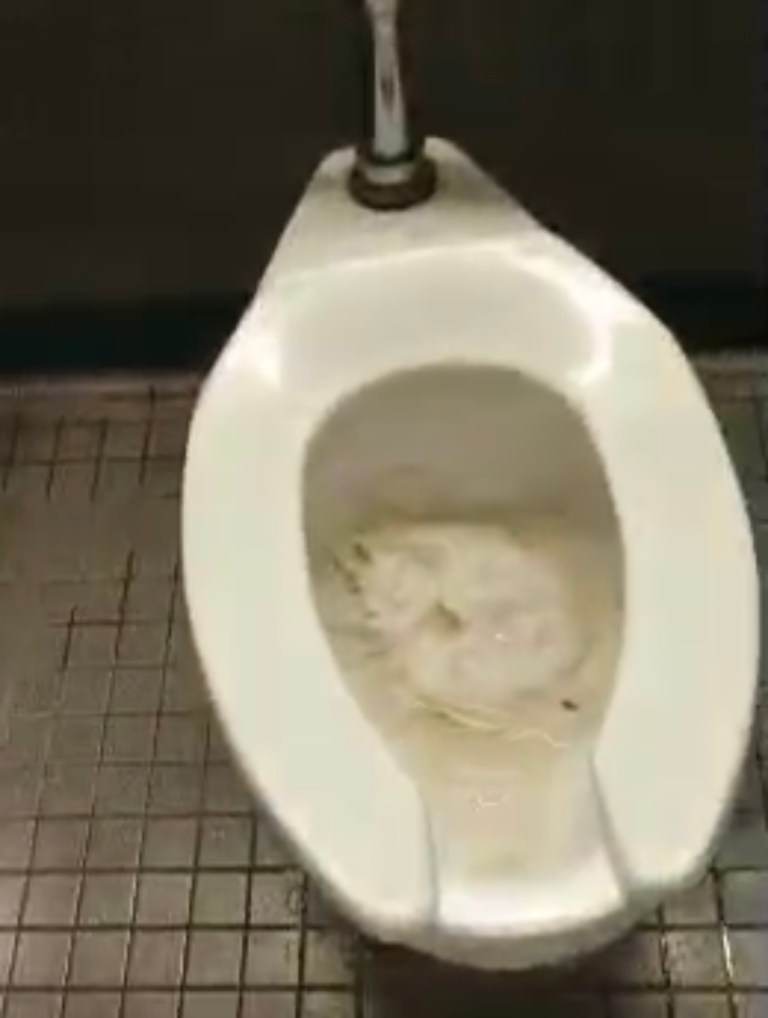
- toilets becoming inoperable and repeatedly backing up after limited use
- complete inability to flush toilets during extended periods
- inconsistent water access, with water reportedly turned on and off intermittently
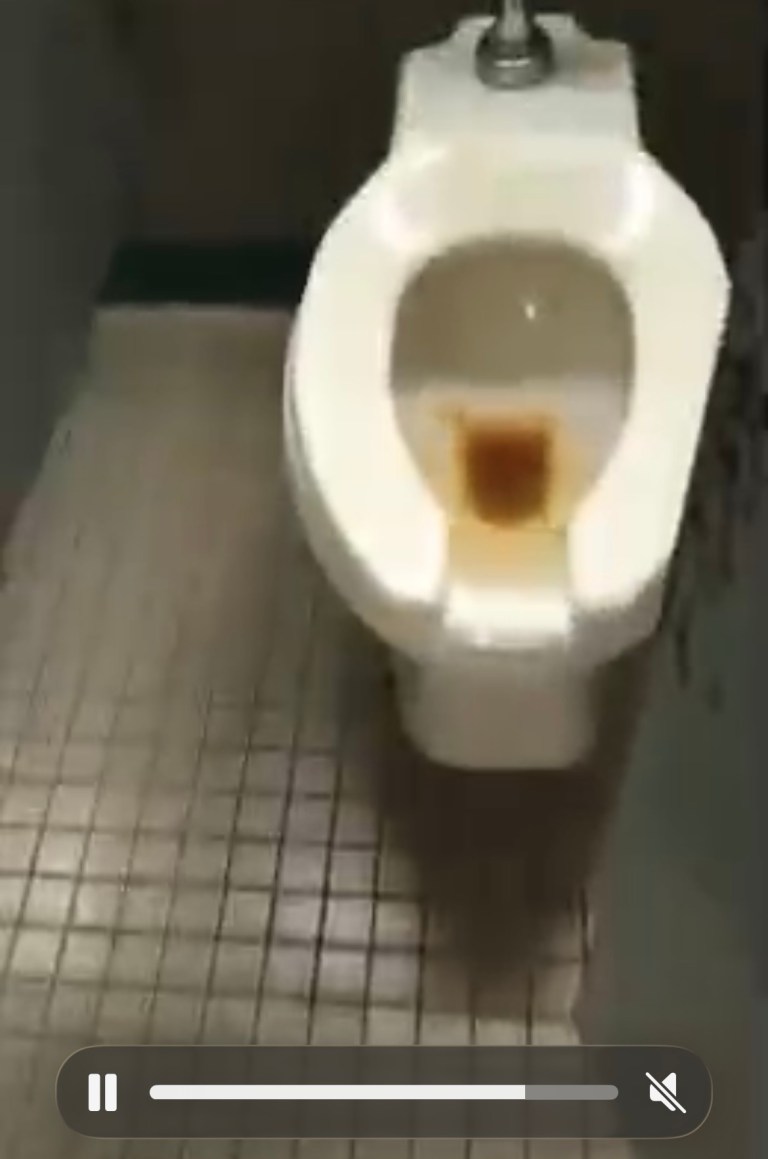
- discolored water during periods when service was temporarily restored
- limited or inconsistent bottled water distribution, with some individuals reportedly receiving approximately three bottles per day while others report receiving none
- lack of access to showers during the duration of the outage
Multiple sources report that during periods when plumbing systems were not functioning, incarcerated individuals were instructed to use improvised waste disposal methods, including placing waste into bags when toilets could not be used. Sources describe waste being tied in bags and placed within housing areas, including near cell doors, when sanitation systems were inoperable.
Sources further report that hygiene supplies were reportedly described as being distributed; however, individuals report that such supplies were not consistently received.
Loved Ones Coalition has also received reporting that, during portions of the disruption, staff members inside the facility experienced similar limitations related to water access, raising concerns regarding the scope and management of the outage.
Additional reporting indicates that water access may have been available in certain areas of the institution while remaining unavailable in others, suggesting uneven distribution of functioning services across housing units.
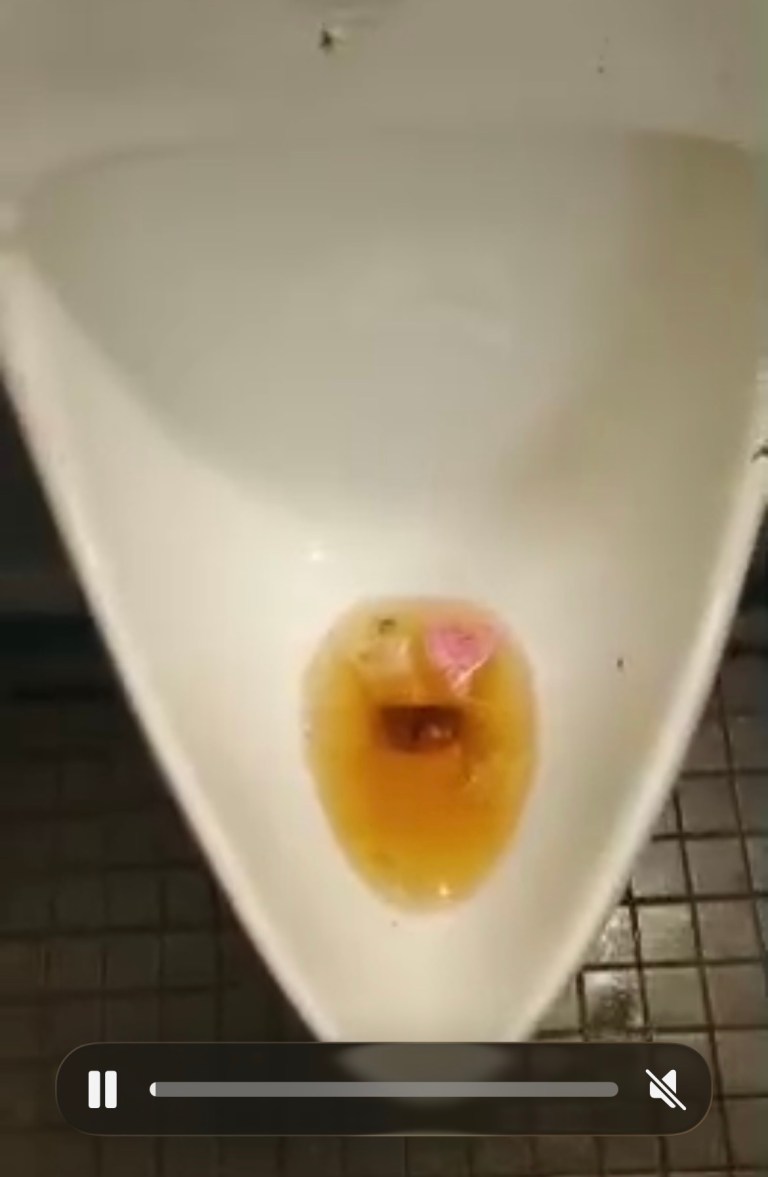
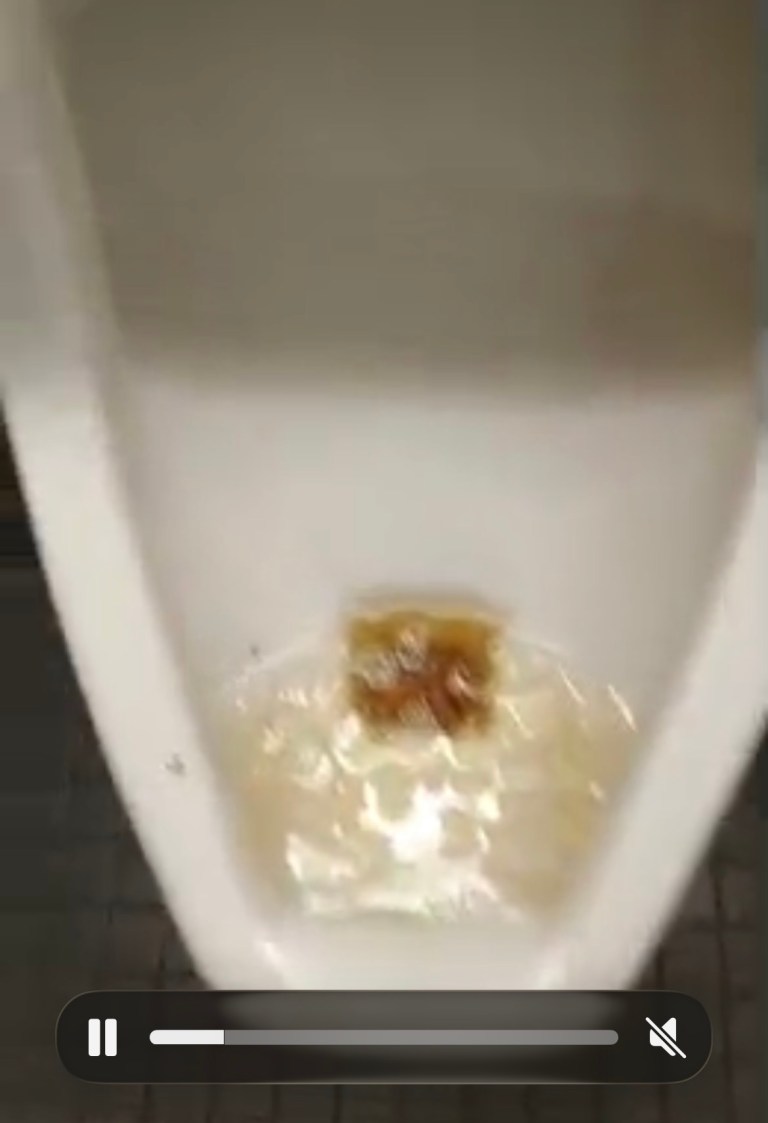
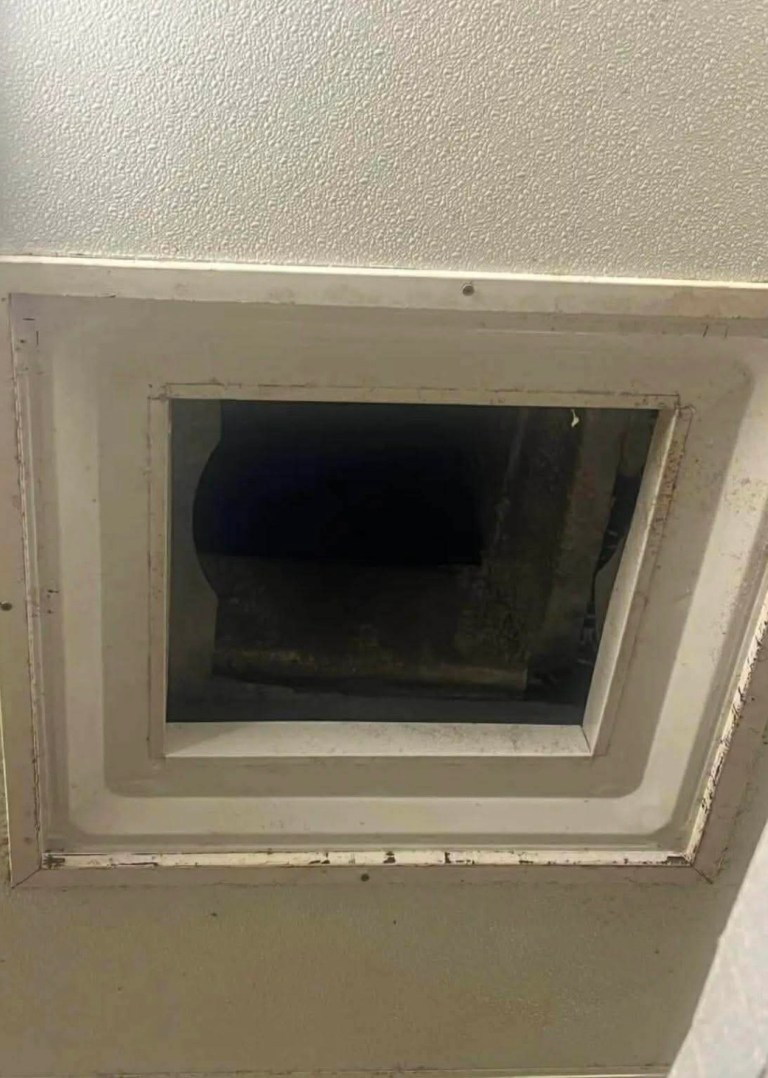
Loved Ones Coalition has reviewed visual documentation and real-time video communication provided by sources during the incident. Based on this reporting, sources state that water flow was not consistently available at times when it was reportedly described as restored.
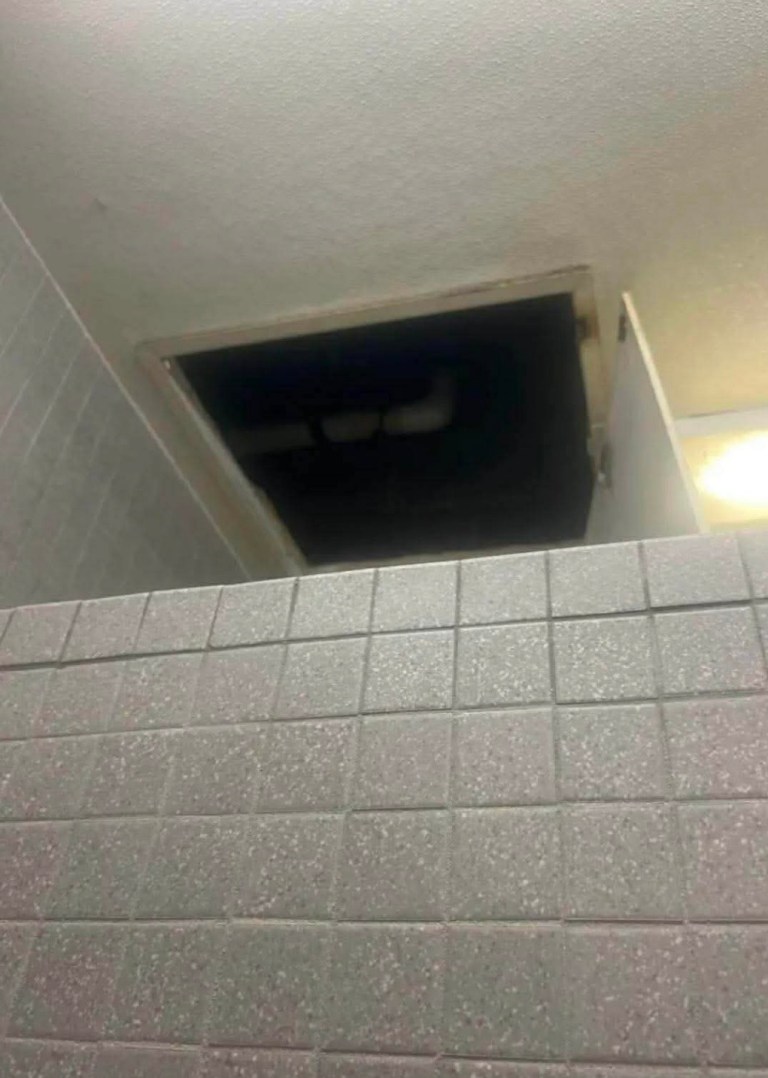
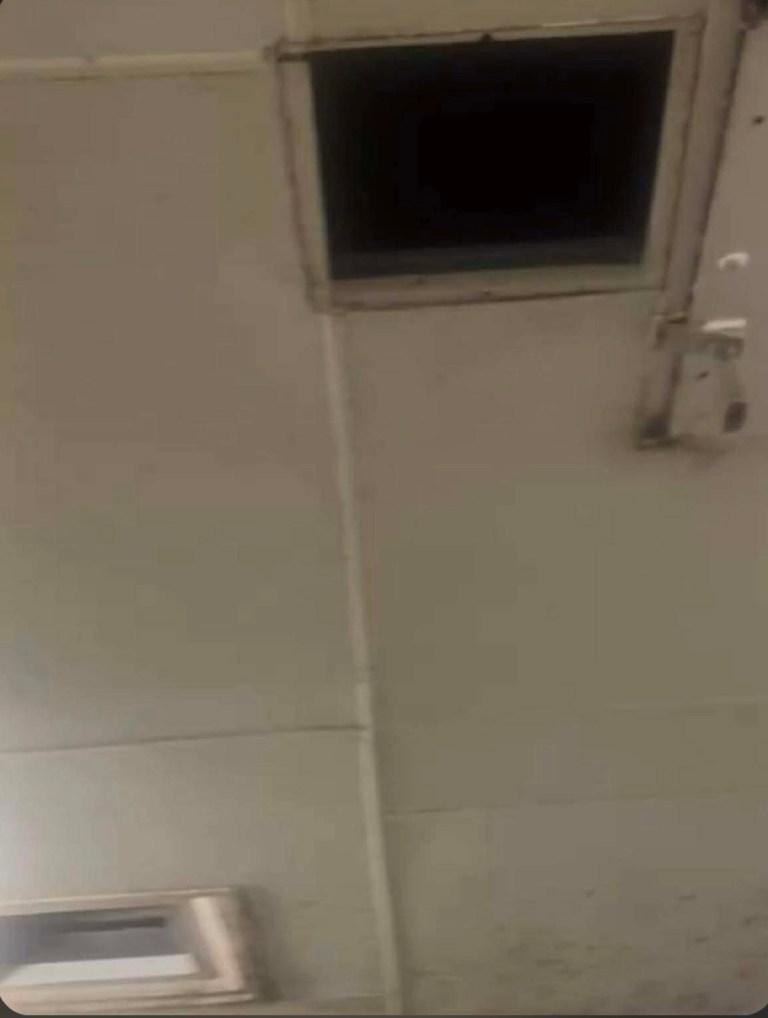
Separate reporting, supported by visual documentation, raises concerns regarding the physical condition of the facility, including:
- visible deterioration of ventilation systems
- apparent buildup or discoloration consistent with possible mold or environmental residue
- damaged or open ceiling access points within housing areas
- sanitation concerns within bathroom and shower areas
Taken together, the reporting raises broader concerns regarding conditions of confinement, infrastructure integrity, sanitation practices, and the adequacy of institutional response during extended service disruptions.
2. KEY ALLEGATION & VIOLATION TABLE
| Allegation | Policy / Statute Implicated |
| Prolonged lack of reliable water access in housing units | Access to potable water standards |
| Toilets inoperable or repeatedly backing up | Environmental sanitation standards |
| Use of improvised waste disposal methods | Eighth Amendment – Basic sanitation and living conditions |
| Inconsistent restoration of water service | Institutional maintenance and operations oversight |
| Limited or inconsistent bottled water distribution | Basic necessity and hydration standards |
| Lack of access to showers during outage | Institutional sanitation and hygiene standards |
| Discolored water following restoration attempts | Environmental health and safety standards |
| Deteriorating ventilation and ceiling conditions | BOP Facilities Maintenance Policy |
| Possible mold or environmental buildup in housing areas | Environmental health and safety standards |
3. DIRECT TESTIMONY / DIRECT QUOTES
- “They were only given three bottles of water. That’s not enough to drink and maintain hygiene.”
- “Some people got three bottles. Some people got none.”
- “The toilets were so backed up people had to bag their waste.”
- “They were tying the bags up and leaving them by the doors.”
- “They said they passed out hygiene packs, but they didn’t.”
4. SYSTEMIC CONCERNS
The reporting received regarding FCI Edgefield raises concerns that extend beyond a temporary infrastructure failure and instead implicate broader conditions of confinement.
While mechanical failures may occur within institutional infrastructure, the conditions described by sources suggest that the impact of the disruption was prolonged by limitations in contingency planning, infrastructure reliability, and operational response.
Reports indicating that water service was described as restored while individuals continued to experience lack of water access raise questions regarding system functionality, internal communication, and verification of service restoration within housing units.
The inability to consistently flush toilets and the reported use of improvised waste disposal methods may create sanitation and health concerns, particularly in shared living environments where exposure risks may increase.
Access to water is necessary for drinking, hygiene, sanitation, and basic daily functioning. Reports that bottled water distribution was inconsistent — with some individuals receiving limited quantities and others reportedly receiving none — may raise concerns regarding whether basic needs were adequately met during the disruption.
The reported lack of access to showers over multiple days may further contribute to sanitation concerns within housing units.
Reporting that staff members were also affected by water limitations may further indicate the scale of the disruption and raise questions regarding institutional preparedness for infrastructure failure.
Additionally, visual documentation showing deterioration in ventilation systems, ceiling structures, and possible environmental buildup raises concerns regarding long-term maintenance conditions within the facility. These conditions may impact air quality, environmental safety, and overall living conditions.
Water disruptions within correctional facilities are not uncommon. However, the conditions described by sources — including limited water access, inability to maintain sanitation, and the use of improvised waste disposal methods — may indicate that existing contingency protocols are not sufficient to maintain basic conditions of confinement during extended outages.
The accumulation of waste due to inoperable plumbing, as described by sources, may further raise concerns regarding sanitation management and environmental health conditions within housing areas.
Taken together, the reporting raises broader concerns regarding infrastructure resilience, conditions of confinement, sanitation practices, environmental health conditions, and the adequacy of institutional response during prolonged service disruptions.
5. OVERSIGHT QUESTIONS FOR CLARIFICATION — FCI EDGEFIELD (SOUTHEAST REGION)
- What was the total duration of the water disruption across all affected housing units at FCI Edgefield?
- Why did water reportedly remain unavailable in certain housing areas after restoration was announced?
- What verification procedures are used to confirm full restoration of water service within housing units?
- What contingency sanitation measures were implemented when toilets were not functioning?
- What standards guide bottled water distribution during extended outages, and were those standards met?
- Why do reports indicate inconsistent distribution of bottled water among incarcerated individuals?
- What hygiene supplies were distributed during the outage, and how was distribution documented?
- To what extent were staff also affected by water limitations during the disruption?
- What inspections have been conducted regarding reported mold, ventilation deterioration, and ceiling damage within housing areas?
- What corrective measures have been implemented to prevent similar conditions during future service disruptions?
SOUTHEAST REGION
FCI Talladega (Alabama) — Staff Conduct Concerns, Disciplinary Practices, and Allegations of Misconduct Involving Institutional Personnel
 Documentation Notice Regarding Public Record Image

Loved Ones Coalition has included a publicly available booking photograph associated with an individual identified in reporting related to this section.
This image is included due to the nature and volume of reporting received regarding staff conduct and concerns raised by incarcerated individuals and other sources with direct knowledge of institutional operations.
All statements within this section reflect reporting received by Loved Ones Coalition and are presented for the purpose of documentation, transparency, and oversight. Allegations referenced have not been independently adjudicated unless otherwise stated.
Loved Ones Coalition recognizes that incarcerated individuals are routinely identified publicly in connection with allegations or charges and applies a consistent standard of transparency when reporting concerns involving institutional actors.
1. SUMMARY OF ALLEGATIONS
Loved Ones Coalition has received reporting from incarcerated individuals and other individuals with direct knowledge of institutional operations regarding staff conduct, disciplinary practices, and allegations of misconduct at FCI Talladega, including the adjacent camp.
Reporting raises concerns regarding the conduct of Bureau of Prisons personnel identified by sources as Counselor Castleberry, Officer Swell, and Officer Mugol.
Sources allege that these individuals may have engaged in conduct inconsistent with expected standards of professionalism, institutional policy, and staff conduct requirements.
Reporting received includes allegations of:
- a pattern of inaccurate or misleading incident reporting involving incarcerated individuals, specifically attributed by sources to Counselor Castleberry
- disciplinary actions based on reports that sources allege may not accurately reflect underlying conduct
- resulting institutional consequences including placement in the Special Housing Unit (SHU), loss of Good Conduct Time, and institutional transfers
- search procedures conducted by staff identified by sources as Mugol, described as involving strip searches and pat-down searches that included contact with private areas
- disposal of personal food items during searches where sources report no prohibited items were identified
Separate reporting also alleges that Counselor Castleberry may have previously been arrested for driving under the influence while wearing a Bureau of Prisons uniform. Loved Ones Coalition has not independently verified this claim at the time of reporting.
Taken together, the reporting raises broader concerns regarding staff conduct, accuracy of disciplinary processes, search practices, and institutional accountability.
2. KEY ALLEGATION & VIOLATION TABLE
| Allegation | Policy / Statute Implicated |
| Alleged inaccurate or misleading incident reporting | Due process protections in disciplinary proceedings |
| Disciplinary actions based on disputed reports | Institutional disciplinary procedures |
| SHU placement and loss of Good Conduct Time based on alleged inaccuracies | Liberty interest and due process considerations |
| Alleged strip searches and pat searches involving contact with private areas | BOP search and security procedures |
| Disposal of personal property during searches | BOP property and search policies |
| Alleged prior misconduct and return to duty | Institutional oversight and accountability standards |
| Alleged DUI arrest while in uniform (unverified) | Federal employee conduct standards |
3. DIRECT TESTIMONY / DIRECT QUOTES
- “Several officers lie on reports and Castleberry is one that lies on reports.”
- “CO Mugol strip search and pat down on private areas.”
- “They throw out food, no stinger, nothing illegal — just food.”
- “He was under investigation before and is back working.”
4. SYSTEMIC CONCERNS
The reporting received regarding FCI Talladega raises concerns that extend beyond individual allegations and instead implicate broader institutional practices related to staff conduct, disciplinary procedures, and internal oversight.
In federal correctional settings, staff incident reports often serve as primary evidence in disciplinary proceedings. Reporting that such documentation may be inaccurate or misleading raises concerns regarding due process, fairness in disciplinary outcomes, and the potential for disproportionate consequences affecting incarcerated individuals.
Disciplinary actions such as loss of Good Conduct Time, placement in SHU, and institutional transfers may significantly impact incarcerated individuals by extending incarceration, limiting communication, and disrupting family connections and programming.
Allegations regarding strip searches and pat searches involving contact with private areas may raise concerns regarding adherence to established procedures governing searches and the manner in which those searches are conducted.
The separate allegation regarding a DUI arrest while in uniform, while not independently verified at this time, may raise concerns regarding professional standards, ethical conduct, and public trust if substantiated.
Loved Ones Coalition notes that reporting regarding conditions and staff conduct at FCI Talladega has been received consistently over an extended period. Over the past year, Loved Ones Coalition has received repeated submissions, including corroborated reports and visual documentation, describing ongoing concerns within the facility.
Sources report that individuals with direct knowledge of conditions at the facility have continued to raise concerns and request further review by Bureau of Prisons leadership.
Reporting further indicates that recent activity within the institution, including maintenance or corrective actions, may be occurring in anticipation of leadership review.
Given the consistency of reporting, the volume of corroborated information received, and the seriousness of the concerns raised, these issues may warrant direct review.
Loved Ones Coalition respectfully urges Bureau of Prisons leadership, including the Director and Deputy Director, to conduct an on-site review of FCI Talladega.
5. OVERSIGHT QUESTIONS FOR CLARIFICATION — FCI TALLADEGA (SOUTHEAST REGION)
- What oversight mechanisms are in place to review the accuracy of staff-written incident reports at FCI Talladega?
- What procedures ensure that disciplinary actions are based on verified and reliable evidence?
- How are allegations of inaccurate or misleading reporting by staff investigated?
- What policies govern strip searches and pat searches, particularly regarding contact with private areas?
- What safeguards exist to prevent improper disposal of inmate property during searches?
- What disciplinary actions are taken when staff are found to have violated conduct or ethics policies?
- What processes govern return-to-duty decisions following internal investigations involving staff?
- Has any review been conducted regarding allegations involving staff identified by sources as Castleberry, Swell, or Mugol?
- What steps are being taken to ensure accountability and transparency in staff conduct at the facility?
SOUTHEAST REGION
FCI Miami (Florida) — Dental Care Access Concerns and Reported Delays in Treatment
1. SUMMARY OF ALLEGATIONS
Loved Ones Coalition has received reporting from incarcerated individuals regarding access to dental care at FCI Miami.
Sources report that incarcerated individuals have experienced prolonged delays in receiving dental treatment, with some individuals reporting that they have been unable to access a dentist for extended periods.
Reporting indicates that individuals experiencing dental pain may be facing difficulty obtaining timely evaluation and treatment.
Sources report that incarcerated individuals experienced:
- prolonged lack of access to dental care services
- extended wait times for dental evaluation and treatment
- ongoing untreated dental pain
- difficulty obtaining care necessary for basic daily functioning, including eating
Sources describe experiencing severe dental pain while awaiting treatment, raising concerns regarding access to necessary medical and dental services within the facility.
Taken together, the reporting raises broader concerns regarding access to dental care, timeliness of treatment, and the adequacy of medical services provided to incarcerated individuals.
2. KEY ALLEGATION & VIOLATION TABLE
| Allegation | Policy / Statute Implicated |
| Prolonged lack of access to dental care | BOP Health Services Program Standards |
| Extended delays in dental treatment | 28 C.F.R. § 549.70 – Medical Care |
| Untreated dental pain | Eighth Amendment – Medical care obligations |
| Inability to chew food due to dental issues | Basic health and nutrition standards |
3. DIRECT TESTIMONY / DIRECT QUOTES
- “We have not had access to a dentist for seven months now, and we are hurting.”
- “I need to be able to chew my food.”
- “I have 10-level pain in one of my teeth.”
4. SYSTEMIC CONCERNS
The reporting received regarding FCI Miami raises concerns regarding access to dental care as a component of overall medical services within the facility.
Access to dental treatment is an essential part of institutional healthcare. Untreated dental conditions may worsen over time and can result in increased pain, infection, and additional medical complications.
Reports indicating extended delays in access to dental services may raise questions regarding staffing levels, availability of dental providers, and scheduling practices within the facility.
The inability to chew food due to untreated dental issues may also affect nutritional intake and overall health, particularly when combined with ongoing pain.
Timely access to dental care is necessary to ensure that incarcerated individuals receive appropriate evaluation, treatment, and relief from pain.
Taken together, the reporting raises broader concerns regarding healthcare access, timeliness of treatment, and the adequacy of dental services within the institution.
5. OVERSIGHT QUESTIONS FOR CLARIFICATION — FCI MIAMI (SOUTHEAST REGION)
- What is the current staffing level for dental services at FCI Miami?
- How long have incarcerated individuals been experiencing delays in access to dental care?
- What is the average wait time for dental evaluation and treatment?
- What procedures are in place to address individuals experiencing severe dental pain?
- Are emergency dental services available for individuals reporting acute pain or inability to eat?
- What steps are being taken to address reported delays in dental care services at the facility?
SOUTHEAST REGION
USP Coleman I (FCC Coleman, Florida) — Disciplinary Practices and Alleged Use of ‘Silent Count’ Resulting in Unit-Wide Sanctions
1. SUMMARY OF ALLEGATIONS
Loved Ones Coalition has received reporting from family members and individuals with direct knowledge of institutional operations regarding disciplinary practices at USP Coleman I.
Reporting raises concerns regarding the use of what sources describe as a “silent count,” during which incarcerated individuals were reportedly secured in their assigned areas without awareness that an official count was in progress.
Sources report that following this count, an entire housing unit was subject to disciplinary action.
Reporting indicates that incarcerated individuals experienced:
- unit-wide disciplinary write-ups following a count procedure
- loss of commissary privileges for a reported period of approximately 30 days
- sanctions applied collectively to individuals within the housing unit
Sources report that individuals were unaware that a formal count was being conducted at the time.
Additional reporting indicates that individuals with extended time in Bureau of Prisons custody reported that they had not previously encountered the use of a “silent count” in this manner.
Taken together, the reporting raises concerns regarding disciplinary practices, communication of institutional procedures, and the application of collective sanctions within the facility.
2. KEY ALLEGATION & VIOLATION TABLE
| Allegation | Policy / Statute Implicated |
| Alleged use of “silent count” without clear notification | Institutional count procedures and policy compliance |
| Disciplinary action applied without awareness of count | Due process considerations |
| Unit-wide sanctions affecting multiple individuals | Collective punishment concerns |
| Loss of commissary privileges for extended period | Institutional disciplinary procedures |
3. DIRECT TESTIMONY / DIRECT QUOTES
- “A new officer came in and called a ‘silent’ count.”
- “They were all locked in their cells unaware that there was a count in process.”
- “He wrote up everyone in the dorm and took away their store privileges for 30 days.”
- “I’ve never heard of a silent count and I’ve done 14 years in the BOP.”
- “He served 20 years and never heard of this either.”
4. SYSTEMIC CONCERNS
The reporting received regarding USP Coleman I raises concerns regarding the application of disciplinary procedures and communication of institutional expectations to incarcerated individuals.
Institutional counts are a routine and essential part of facility operations. However, reporting indicating that individuals were unaware that a count was being conducted may raise questions regarding whether proper procedures and communication standards were followed.
The application of disciplinary sanctions to an entire housing unit may raise concerns regarding the use of collective discipline, particularly where individuals may not have been aware of or able to comply with the procedure in question.
Reporting that individuals with significant time in federal custody had not previously encountered similar practices may further raise questions regarding consistency of procedures and staff training.
Taken together, the reporting raises broader concerns regarding due process considerations, consistency in institutional practices, and the proportionality of disciplinary measures.
5. OVERSIGHT QUESTIONS FOR CLARIFICATION — USP COLEMAN I (FCC COLEMAN, SOUTHEAST REGION)
- What is the official Bureau of Prisons policy regarding count procedures, including any form of “silent count”?
- Are incarcerated individuals required to be notified when a count is in progress?
- Under what circumstances can disciplinary action be applied to an entire housing unit?
- What due process protections are in place for individuals subject to disciplinary write-ups?
- What documentation exists regarding the reported incident and resulting sanctions?
- What training is provided to staff regarding count procedures and disciplinary enforcement?
SOUTHEAST REGION
FCI Jesup (Georgia) — Sentence Credit Concerns, Food Safety Issues, and Reported Staff Conduct
1. SUMMARY OF ALLEGATIONS
Loved Ones Coalition has received reporting from incarcerated individuals, family members, and individuals with direct knowledge of institutional operations regarding concerns at FCI Jesup, including the adjacent camp.
Reporting raises concerns related to sentence credit calculations, access to earned time credits, food quality and safety, and staff conduct.
Sources report that incarcerated individuals have experienced:
- concerns regarding the application of First Step Act (FSA) credits and Second Chance Act (SCA) credits
- alleged inconsistencies in how earned time credits are calculated and applied
- reported denial or lack of access to furlough opportunities
- concerns regarding food quality, including reports of contaminated food items
- reported dismissive or unresponsive staff conduct when concerns regarding sentence calculations are raised
Taken together, the reporting raises broader concerns regarding sentence computation practices, access to earned credits, food safety conditions, and staff accountability within the facility.
2. KEY ALLEGATION & VIOLATION TABLE
| Allegation | Policy / Statute Implicated |
| Alleged failure to properly apply FSA earned time credits | First Step Act (18 U.S.C. § 3632(d)(4)) |
| Inconsistent application of Second Chance Act credits | Second Chance Act provisions |
| Denial or lack of access to furloughs | BOP program and reentry policies |
| Reported contaminated food (foreign substances) | BOP Food Service and sanitation standards |
| Alleged dismissive staff response to legal credit concerns | Staff conduct and professional standards |
| Potential miscalculation of sentence credits (“stacking”) | Sentence computation policy |
3. DIRECT TESTIMONY / DIRECT QUOTES
- “There are big issues on them not giving the full FSA credits, second chance credit, and they will not give furloughs here.”
- “Oatmeal has bugs in it… you can see them.”
- “You are right legally… but the response was dismissive and nothing was done.” (as reported by source regarding staff response)
- “These are the people who have the lives of our loved ones in their hands.”
4. SYSTEMIC CONCERNS
The reporting received regarding FCI Jesup raises concerns across multiple areas of institutional operation, particularly regarding sentence computation, food safety, and staff conduct.
The First Step Act and Second Chance Act were enacted to provide mechanisms for sentence reduction, earned time credits, and improved reentry opportunities. Reporting that such credits may not be applied consistently or in accordance with statutory requirements raises concerns regarding sentence accuracy and access to legally authorized benefits.
Concerns regarding potential miscalculation of credits, including how time is applied or credited, may directly impact release timelines and could result in extended periods of incarceration beyond what is required under applicable law.
Reporting regarding denial of furlough opportunities may also raise questions regarding equitable access to reentry programming and discretionary release mechanisms.
Separate reporting describing food contamination, including the presence of foreign substances in meals, raises concerns regarding food service practices, sanitation standards, and overall health conditions within the facility.
Additionally, reported staff responses to concerns about sentence calculations, described by sources as dismissive or unresponsive, may raise concerns regarding professionalism, accountability, and responsiveness to legitimate legal and administrative inquiries.
Taken together, these concerns reflect broader questions regarding compliance with federal sentencing policy, institutional food safety practices, and staff engagement with incarcerated individuals seeking clarification of their legal status.
5. OVERSIGHT QUESTIONS FOR CLARIFICATION — FCI JESUP (SOUTHEAST REGION)
- What procedures are in place to ensure accurate calculation and application of First Step Act earned time credits at FCI Jesup?
- How are Second Chance Act credits applied and verified within the facility?
- What oversight mechanisms exist to review potential discrepancies in sentence computation?
- What criteria are used to determine eligibility for furloughs, and how are those decisions documented?
- What inspections or quality controls are in place to ensure food safety and sanitation standards are met?
- What processes exist for incarcerated individuals to challenge or request review of sentence calculations?
- How are staff trained to respond to legal and sentence-related inquiries from incarcerated individuals?
- Have any internal reviews been conducted regarding the concerns raised at FCI Jesup?
SOUTH CENTRAL REGION
FCI Three Rivers (Texas) — Food Safety Concerns, Water Access Issues, and Housing Unit Conditions
1. SUMMARY OF ALLEGATIONS
Loved Ones Coalition has received reporting from family members and individuals with direct knowledge of institutional operations regarding conditions within specific housing units at FCI Three Rivers, including units identified by sources as JWA, JWB, and the Special Housing Unit (SHU).
Reporting raises concerns related to food safety, access to water, housing unit conditions, and ongoing operational practices affecting incarcerated individuals.
Sources report that incarcerated individuals have experienced:
- concerns regarding food contamination, including reports of foreign substances in meals
- alleged lack of timely intervention despite awareness of concerns at the institutional level
- refusal by individuals in certain housing units to accept meal trays due to reported conditions
- resulting tension within housing units when individuals accept or refuse food trays
- repeated lockdown patterns, described as occurring every other day
- lack of access to commissary purchases for extended periods (reported as several weeks)
- interruptions to water access within housing units, including reports of water being shut off for extended periods
Sources further report that individuals were told water outages would occur during nighttime hours, with the explanation that individuals would be asleep during those periods.
Additional reporting indicates that meal portions may be smaller than expected and that concerns regarding food and water conditions were reportedly observed and documented by institutional staff, though the extent of any corrective action remains unclear.
Taken together, the reporting raises broader concerns regarding food safety, access to basic necessities, housing unit conditions, and consistency in institutional response to reported issues.
2. KEY ALLEGATION & VIOLATION TABLE
| Allegation | Policy / Statute Implicated |
| Reported food contamination (foreign substances) | BOP Food Service and sanitation standards |
| Alleged inadequate response to reported food issues | Institutional oversight and health standards |
| Refusal of meal trays due to safety concerns | Basic nutrition and meal service standards |
| Repeated lockdown patterns affecting access to services | Institutional operations and conditions of confinement |
| Extended lack of commissary access | Access to basic goods and institutional policy |
| Reported water shutoffs in housing units | Access to potable water / basic living conditions |
| Reduced food portions (reported) | Nutritional standards and food service requirements |
3. DIRECT TESTIMONY / DIRECT QUOTES
- “JWA, JWB, and the SHU are finding spit in their food.”
- “Regional knows about it… but won’t do anything unless they catch them in the act.”
- “JWB is now refusing trays and it’s causing problems with other inmates.”
- “They are locked down every other day and haven’t shopped store in about 5 weeks.”
- “They shut the water off for days… saying it will be at night and they should be asleep anyway.”
- “The portions on trays are small.”
4. SYSTEMIC CONCERNS
The reporting received regarding FCI Three Rivers raises concerns regarding access to basic necessities and the management of housing unit conditions.
Reports of possible food contamination raise concerns regarding food handling practices, sanitation procedures, and oversight of meal preparation and distribution. If substantiated, such conditions may impact both health and safety.
Reporting that individuals are refusing meals due to safety concerns may further raise questions regarding whether adequate measures are in place to ensure confidence in food service operations.
Allegations that concerns have been observed but not fully addressed may raise questions regarding institutional response mechanisms and accountability processes.
Separate reporting regarding water shutoffs within housing units raises concerns regarding access to potable water and basic living conditions, particularly when outages extend for prolonged periods.
Reports of repeated lockdowns and limited commissary access may also impact access to basic goods, hygiene items, and overall quality of life within the facility.
Taken together, these concerns reflect broader issues related to conditions of confinement, access to essential services, and institutional responsiveness to reported concerns.
5. OVERSIGHT QUESTIONS FOR CLARIFICATION — FCI THREE RIVERS (SOUTH CENTRAL REGION)
- What procedures are in place to ensure food safety and sanitation within housing units at FCI Three Rivers?
- Have any investigations been conducted regarding reports of food contamination in units identified as JWA, JWB, or SHU?
- What steps are taken when incarcerated individuals report concerns regarding food safety?
- What is the protocol for water shutoffs within housing units, and how is access to potable water maintained during outages?
- What explains the reported frequency of lockdowns and their impact on access to commissary and basic services?
- What oversight exists to ensure that food portions meet established nutritional standards?
- Have institutional or regional reviews been conducted regarding the concerns raised in these housing units?
MID-ATLANTIC REGION
FCI Hazelton (West Virginia)
— Medical Care Delays, Access to Medication, Communication Barriers, and Infrastructure Concerns
1. SUMMARY OF ALLEGATIONS
Loved Ones Coalition has received multiple reports from incarcerated individuals, family members, and individuals with direct knowledge of institutional operations regarding conditions at FCI Hazelton.
Reporting indicates ongoing concerns related to medical care delays, access to prescribed medication, communication system failures, infrastructure limitations, and operational practices impacting daily living conditions.
Sources report that incarcerated individuals have experienced:
- delays in receiving timely medical evaluation and treatment for serious conditions
- worsening untreated or under-treated infections requiring medical intervention
- difficulty accessing prescribed medications due to restrictive or inconsistent pharmacy procedures
- missed medication due to limited pickup windows and lack of accommodation
- mobility barriers preventing access to medical services (including wheelchair accessibility issues)
- communication system failures, including malfunctioning phone lines and disrupted contact with family
- financial burden associated with repeated failed communication attempts
- extended or repeated lockdown conditions impacting housing units
- limited availability of SHU placements resulting in unit-wide operational restrictions
- malfunctioning electronic systems, including biometric scanners and computer stations
- damaged or unsafe electrical infrastructure, including faulty charging equipment
- repeated delays in repair or replacement of essential equipment
2. KEY ALLEGATION & VIOLATION TABLE
| Allegation | Policy / Statute Implicated |
| Delayed or inadequate medical treatment | Eighth Amendment – Medical Care Obligations |
| Barriers to accessing prescribed medication | 28 C.F.R. § 549 – Medical Services |
| Worsening untreated infections | Duty of Care / Medical Neglect Standards |
| Restricted medication pickup procedures | Institutional Health Services Policy |
| Lack of accessibility for mobility-impaired individuals | ADA Compliance / Accessibility Standards |
| Malfunctioning phone systems | Communication Access Standards |
| Financial burden due to system failures | Consumer protection / institutional accountability |
| Unit-wide lockdowns due to capacity limitations | Conditions of Confinement Standards |
| Failure to maintain electronic systems | Institutional Operations & Maintenance Policy |
| Unsafe electrical equipment (charging cords) | Environmental Health & Safety Standards |
3. DIRECT TESTIMONY / DIRECT QUOTES
- “It is getting bigger and more painful… it needs to be lanced.”
- “I couldn’t get my meds because the pharmacy was closed during pickup time.”
- “The paths were not accessible to wheelchairs so I couldn’t get my medication.”
- “The phone cuts out constantly… I can’t hear anything.”
- “I’m paying for minutes just to repeat myself over and over.”
- “The cords are damaged and have even caught on fire.”
- “Only a couple of computers actually work.”
- “The fingerprint scanner hasn’t worked for months.”
- “The whole unit is locked down because there’s no room in SHU.”
4. SYSTEMIC CONCERNS
The reporting received regarding FCI Hazelton reflects recurring and overlapping operational failures rather than isolated incidents.
Concerns related to delayed medical care and barriers to treatment access raise serious questions regarding whether individuals are receiving constitutionally adequate healthcare. Reports of worsening infections and inability to access timely intervention may increase the risk of complications and escalation of medical conditions.
Barriers to medication access, including restrictive pickup procedures and lack of accommodation for individuals with mobility limitations, may further prevent individuals from receiving prescribed treatment. Reports indicating that individuals were unable to retrieve medications due to accessibility issues or limited service windows raise concerns regarding institutional compliance with healthcare standards.
Communication system failures, including malfunctioning phone lines and repeated call disruptions, may significantly impact family contact, emotional stability, and access to outside support systems, while also imposing financial burdens on incarcerated individuals and their families.
Operational practices, including unit-wide lockdowns due to limited SHU capacity, raise concerns regarding the use of broad restrictions affecting entire populations rather than targeted responses.
Additionally, reporting regarding non-functioning electronic systems and unsafe electrical equipment, including damaged charging cords and malfunctioning devices, raises concerns related to infrastructure maintenance, safety risks, and institutional responsiveness to repeated repair requests.
Taken together, these concerns suggest broader issues related to medical care delivery, accessibility, infrastructure reliability, communication systems, and institutional operational practices.
5. OVERSIGHT QUESTIONS FOR CLARIFICATION — FCI HAZELTON (MID-ATLANTIC REGION)
- What procedures are in place to ensure timely medical evaluation and treatment for reported infections and urgent conditions?
- What protocols govern access to prescribed medications, and how are missed doses prevented when access barriers exist?
- How does the facility accommodate individuals with mobility limitations in accessing medical services?
- What steps are being taken to address reported delays or failures in medical intervention?
- What is the current functionality status of phone systems within housing units, and what maintenance protocols are in place?
- How are individuals compensated or protected from financial loss due to malfunctioning communication systems?
- What factors are contributing to reported unit-wide lockdowns related to SHU capacity limitations?
- What is the current status of repair or replacement of malfunctioning electronic equipment, including computers and biometric systems?
- What inspections have been conducted regarding reported electrical hazards associated with charging equipment?
- What corrective actions are being implemented to address the recurring issues reported at this facility?
MID-ATLANTIC REGION
USP Lee (Virginia)
— Staff Threats, Retaliation Concerns, and Use of SHU
1. SUMMARY OF ALLEGATIONS
Loved Ones Coalition has received direct reporting from family members with real-time communication from incarcerated individuals regarding serious concerns at USP Lee.
Reporting indicates that an incarcerated individual was threatened by staff following a request related to institutional process or documentation, with statements implying potential harm, retaliation, and placement in restrictive housing.
The reporting further indicates:
- threats of SHU placement in response to routine requests
- statements implying harm or danger if the individual continued to assert their rights
- references to prior incidents used as intimidation tactics
- subsequent placement in SHU following the interaction
- fear-based deterrence from accessing institutional processes or protections
2. KEY ALLEGATION & VIOLATION TABLE
| Allegation | Policy / Statute Implicated |
| Staff threats and intimidation | Staff Misconduct / Code of Conduct Violations |
| Retaliation for exercising rights | First Amendment – Retaliation Protections |
| Threats implying physical harm | Eighth Amendment – Duty of Care |
| Use of SHU as punitive retaliation | Conditions of Confinement Standards |
| Coercion to deter requests or complaints | Administrative Remedy Process Protections |
3. DIRECT TESTIMONY / DIRECT QUOTES
- “Do you want to go to the SHU?”
- “You won’t make it out to your family.”
- “Look what happened to the last guy.”
- “She said she would make sure he doesn’t go home.”
4. SYSTEMIC CONCERNS
The reporting received raises serious concerns regarding staff conduct, abuse of authority, and the use of intimidation as a control mechanism.
Allegations that incarcerated individuals are being threatened for making routine requests or attempting to access institutional processes raise concerns about whether individuals can safely exercise their rights without fear of retaliation.
Statements implying harm, including references to prior incidents, may create an environment of fear-based compliance, where individuals are deterred from filing grievances, requesting documentation, or seeking assistance.
The reported use of restrictive housing (SHU) as a tool of retaliation further raises concerns regarding whether disciplinary mechanisms are being applied in accordance with policy or used to silence or punish individuals.
Taken together, these reports suggest potential systemic issues related to:
- staff accountability and oversight
- misuse of authority
- barriers to accessing administrative remedies
- conditions of confinement within restrictive housing
5. OVERSIGHT QUESTIONS FOR CLARIFICATION — USP LEE (MID-ATLANTIC REGION)
- What protocols are in place to prevent staff intimidation or threats toward incarcerated individuals?
- How are allegations of staff retaliation investigated and documented?
- Under what circumstances can an individual be placed in SHU, and what oversight mechanisms ensure appropriate use?
- What protections exist for individuals requesting forms, documentation, or participating in the administrative remedy process?
- Have there been any recent complaints, investigations, or disciplinary actions involving staff conduct at this facility?
- What safeguards are in place to ensure individuals can report misconduct without fear of retaliation?
- Are body-worn cameras or other monitoring tools in use during staff interactions of this nature?
- What review process exists for statements or conduct that may be perceived as threats or coercion?
NORTHEAST REGION
FCI Allenwood (Pennsylvania)
— Staffing Shortages, Lockdowns, Medical Delays, and Program Limitations
1. SUMMARY OF ALLEGATIONS
Loved Ones Coalition has received direct reporting from incarcerated individuals and corroborating community sources regarding ongoing conditions at FCI Allenwood.
Reporting indicates that staffing shortages are significantly impacting daily operations, resulting in early and prolonged lockdowns, reduced programming, and limited access to services.
Sources report:
- daily lockdowns beginning in the early evening due to staffing shortages
- reduced or cut visitation time, particularly on weekends
- lack of evening programming due to operational limitations
- minimal staffing coverage across multiple housing units
- delays in access to medical care, including extended wait times for provider visits
- prolonged waitlists for diagnostic services such as MRIs
- barriers to obtaining necessary medical equipment
- denial or restriction of medically necessary devices, including CPAP machines
- prolonged lack of replacement for damaged or confiscated medical equipment
2. KEY ALLEGATION & VIOLATION TABLE
| Allegation | Policy / Statute Implicated |
| Chronic staffing shortages impacting operations | BOP Staffing & Operational Standards |
| Early and prolonged lockdowns | Conditions of Confinement Standards |
| Reduced visitation access | Family Contact / Visitation Policy |
| Lack of programming due to staffing | First Step Act – Programming Access |
| Delayed medical care and evaluations | Eighth Amendment – Medical Care Obligations |
| Barriers to diagnostic testing (MRI delays) | Medical Services Policy (28 C.F.R. § 549) |
| Denial of medically necessary equipment | Duty of Care / Medical Necessity Standards |
| Failure to replace essential medical devices | Medical Continuity of Care Requirements |
3. DIRECT TESTIMONY / DIRECT QUOTES
- “We are locked down at 5:45 p.m. daily due to staff shortage.”
- “Visits are cut short on weekends.”
- “It takes months to be seen.”
- “I’ve been trying to get a CPAP machine for three years.”
- “They said they are not giving anyone a machine.”
4. SYSTEMIC CONCERNS
The reporting received reflects interconnected operational and medical care concerns tied to staffing limitations.
Chronic staffing shortages appear to be driving early lockdowns, reduced movement, and the elimination of evening programming, which may directly impact access to rehabilitative opportunities under the First Step Act.
The reported reduction in visitation time, particularly during weekends, raises concerns regarding limitations on family contact, which is a critical component of reentry success and overall well-being.
Medical-related concerns indicate potential delays in evaluation, treatment, and access to diagnostic services, with reports of individuals waiting extended periods for care. Barriers to obtaining necessary medical equipment, including CPAP machines, raise additional concerns regarding continuity of care and medical necessity determinations.
The reported lack of replacement for previously issued or damaged medical devices further raises concerns regarding long-term health impacts and institutional responsibility for maintaining medically required treatment.
Taken together, these issues suggest broader systemic concerns related to:
- staffing capacity and operational sustainability
- access to programming and rehabilitative services
- timeliness and adequacy of medical care
- continuity and provision of necessary medical equipment
5. OVERSIGHT QUESTIONS FOR CLARIFICATION — FCI ALLENWOOD (NORTHEAST REGION)
- What is the current staffing level at FCI Allenwood, and how does it compare to required operational standards?
- What policies govern early lockdowns due to staffing shortages, and how frequently are they being implemented?
- How are reductions in visitation time being justified and documented?
- What steps are being taken to restore or maintain access to programming, particularly in the evenings?
- What is the current average wait time for medical evaluations and diagnostic testing such as MRIs?
- What criteria are used to determine eligibility for medically necessary equipment such as CPAP machines?
- Why are individuals reporting extended delays or denials in receiving prescribed medical devices?
- What procedures are in place to replace damaged or confiscated medical equipment?
- What oversight mechanisms are in place to ensure continuity of care for individuals with chronic conditions?
NORTH CENTRAL REGION
FCI Thomson (Illinois)
— Retaliation, Disciplinary Misconduct, SHU Conditions, Elderly Housing Concerns, and Food Service Deficiencies
1. SUMMARY OF ALLEGATIONS
Loved Ones Coalition has received multiple reports from incarcerated individuals and family members regarding ongoing conditions at FCI Thomson.
Reporting reflects patterns of disciplinary irregularities, retaliation concerns, unsafe SHU conditions, and operational failures impacting both general population and specialized housing units.
Sources report:
- use of elevated disciplinary charges that may not align with reported conduct
- pressure on individuals to admit to PREA-related allegations
- concerns regarding fairness and impartiality in disciplinary hearings
- reports of property loss and lack of accountability in confiscation processes
- allegations of staff interference with grievance and appeal processes
- prolonged exposure to unsanitary conditions in SHU, including inoperable or overflowing toilets
- lack of timely response from staff to urgent sanitation issues
- concerns regarding retaliation following complaints or disciplinary disputes
- operational concerns within specialized housing units, including elderly populations (MIU)
- lack of accommodations for aging or mobility-impaired individuals
- reports of unsafe stair access and required movement of personal items for basic daily activities
- repeated complaints regarding food quality, including lack of nutritional balance and adequacy
- reports of meals being insufficient or not meeting basic dietary expectations
- concerns regarding failure to accommodate religious dietary practices
2. KEY ALLEGATION & VIOLATION TABLE
| Allegation | Policy / Statute Implicated |
| Disciplinary charges disproportionate to conduct | BOP Discipline Policy (28 C.F.R. § 541) |
| Pressure related to PREA-related allegations | PREA Compliance Standards |
| Lack of impartial disciplinary hearings | Due Process Protections |
| Property loss and misdocumentation | Inmate Property Policy |
| Interference with grievance/appeal process | Administrative Remedy Program |
| Unsanitary SHU conditions | Eighth Amendment – Conditions of Confinement |
| Failure to address sanitation emergencies | Health & Safety Standards |
| Retaliation concerns following complaints | First Amendment / Anti-Retaliation Protections |
| Unsafe conditions in elderly housing units (MIU) | ADA / Accessibility Standards |
| Lack of accommodations for mobility limitations | Duty of Care Obligations |
| Inadequate food quality and nutrition | Food Service Standards |
| Failure to accommodate religious dietary needs | Religious Freedom Protections (RFRA) |
3. DIRECT TESTIMONY / DIRECT QUOTES
- “I was pressured into admitting to something that didn’t happen.”
- “They said it was on camera, but the charges didn’t match what occurred.”
- “My property was taken and never returned.”
- “I was left in a cell with a toilet overflowing for days.”
- “Staff would not respond or provide basic sanitation tools.”
- “Older inmates are forced to carry chairs up and down stairs daily.”
- “There are no accommodations for people who can’t safely use stairs.”
- “The food is not adequate and not fit for a grown man.”
- “Religious meals were not properly provided during fasting.”
4. SYSTEMIC CONCERNS
The reporting received reflects multiple overlapping operational and institutional concerns at FCI Thomson.
Disciplinary processes raise concerns regarding consistency, proportionality, and procedural fairness, particularly where individuals report pressure related to PREA-related allegations and outcomes that may not align with reported conduct.
Reports of property loss and documentation discrepancies suggest potential issues with accountability and oversight in property handling procedures.
Conditions described within SHU raise significant concerns regarding sanitation, health, and safety, particularly where individuals report prolonged exposure to inoperable or overflowing toilets without timely intervention.
Operational concerns within the Mature Inmate Unit (MIU) indicate potential gaps in accommodation for aging populations, including mobility limitations and accessibility challenges that may impact safety and daily functioning.
Food service concerns, including lack of nutritional adequacy and failure to accommodate religious dietary practices, raise additional concerns regarding basic standards of care and compliance with religious protections.
Taken together, these reports reflect broader systemic concerns related to:
- disciplinary process integrity and oversight
- retaliation and reporting barriers
- sanitation and SHU living conditions
- aging population accommodations
- food service quality and religious compliance
5. OVERSIGHT QUESTIONS FOR CLARIFICATION — FCI THOMSON (NORTH CENTRAL REGION)
- What safeguards are in place to ensure disciplinary charges are proportionate and supported by evidence?
- How is compliance with PREA standards monitored during investigative and disciplinary processes?
- What oversight exists to ensure impartiality in disciplinary hearings and DHO decisions?
- What procedures govern documentation and return of confiscated property?
- How are grievances and appeals tracked to ensure they are not delayed or interfered with?
- What protocols exist for responding to sanitation emergencies within SHU?
- How long are individuals permitted to remain in cells with inoperable or unsafe sanitation conditions?
- What accommodations are in place for elderly or mobility-impaired individuals in the MIU?
- How are housing assignments evaluated for accessibility and safety?
- What standards are used to evaluate food quality and nutritional adequacy?
- How is compliance with religious dietary accommodations ensured, particularly during fasting periods?
CONCLUSION
The reporting documented in this week’s submission reflects a consistent and recurring pattern across multiple Bureau of Prisons facilities involving breakdowns in basic living conditions, access to medical care, institutional operations, and staff conduct.
Across regions, Loved Ones Coalition continues to receive corroborated reports describing limited access to water, sanitation failures, delayed or inadequate medical and dental care, food safety concerns, infrastructure deterioration, communication disruptions, and operational practices that rely on broad restrictions rather than targeted, policy-compliant solutions.
In addition, reporting involving staff conduct, disciplinary processes, and retaliation concerns raises broader questions regarding accountability, oversight, and the ability of incarcerated individuals to safely access institutional remedies without fear of consequence.
A key pattern reflected throughout this report is that these issues are not occurring in isolation. Instead, they frequently appear simultaneously within the same facilities — suggesting systemic vulnerabilities in infrastructure, staffing capacity, internal oversight mechanisms, and institutional response protocols.
While individual incidents may be attributed to operational challenges, the consistency, volume, and cross-regional nature of the reporting indicate that these concerns may reflect broader systemic issues rather than isolated occurrences.
Conditions involving lack of access to potable water, inability to maintain sanitation, delays in medical treatment, barriers to prescribed medication, unsafe living conditions, and limitations on communication and programming raise concerns that directly implicate established standards governing conditions of confinement and custodial care.
Furthermore, the repeated use of unit-wide lockdowns, collective sanctions, and restrictive housing — particularly in response to operational limitations or administrative challenges — raises additional questions regarding proportionality, due process, and institutional compliance with established policies.
Loved Ones Coalition emphasizes that access to safe living conditions, medical care, sanitation, nutrition, and communication are not discretionary. These are fundamental components of institutional responsibility.
The continued recurrence of these issues across multiple regions warrants sustained attention, direct inquiry, and ongoing oversight review.
Loved Ones Coalition respectfully calls for:
- facility-level review of reported conditions
- verification of corrective actions where issues have been identified
- evaluation of contingency protocols for infrastructure and service disruptions
- increased transparency in institutional response and accountability measures
Loved Ones Coalition will continue to document, track, and report these conditions as part of its ongoing commitment to transparency, oversight, and ensuring that the conditions experienced by incarcerated individuals remain visible to the public and to the entities responsible for monitoring the federal prison system.