Weekly Oversight Report – May 25, 2026
Loved Ones Coalition
Documenting Systemic Concerns Across the Federal Bureau of Prisons
May 25, 2026
The reporting reviewed by the Loved Ones Coalition this week reflects a federal prison system increasingly strained by overcrowding, aging infrastructure, staffing limitations, delayed maintenance, and growing medical and operational demands.
Across multiple Bureau of Prisons regions, incarcerated individuals and family members described collapsing ceilings, black mold exposure, prolonged hot-water outages, failing climate-control systems, inadequate medical responsiveness, communication barriers, delayed prerelease review processes, and deteriorating living conditions inside aging institutions nationwide.
The consistency of these complaints across multiple facilities strongly suggests these are not isolated incidents, but broader operational issues impacting institutions throughout the federal prison system.
At some point, the reality must be acknowledged plainly: many institutions appear to be operating beyond what they can safely, ethically, or humanely sustain under current population levels.
The Loved Ones Coalition continues emphasizing that meaningful reform cannot occur through temporary operational adjustments alone. Aging infrastructure, staffing shortages, overcrowding pressures, and declining conditions of confinement cannot realistically be resolved while institutional systems remain strained beyond capacity.
The reporting reviewed this week strongly suggests that population reduction strategies must become part of the national conversation moving forward.
The Loved Ones Coalition therefore continues encouraging Congress, federal policymakers, oversight bodies, and executive leadership to prioritize meaningful sentencing reform, expanded home confinement utilization, compassionate release review, prerelease custody expansion, elderly and medical release consideration, and broader population-reduction efforts throughout the federal prison system.
The Loved Ones Coalition will continue documenting, monitoring, and publicly reporting concerns involving conditions of confinement, institutional accountability, medical care, infrastructure deterioration, and operational practices throughout the Federal Bureau of Prisons.
SOUTH CENTRAL REGION
FCC Forrest City (AR)
Infrastructure Deterioration, Ceiling Collapse Concerns, Black Mold Allegations, Unsanitary Living Conditions, Food Service Complaints, Property Concerns, and First Step Act Application Issues





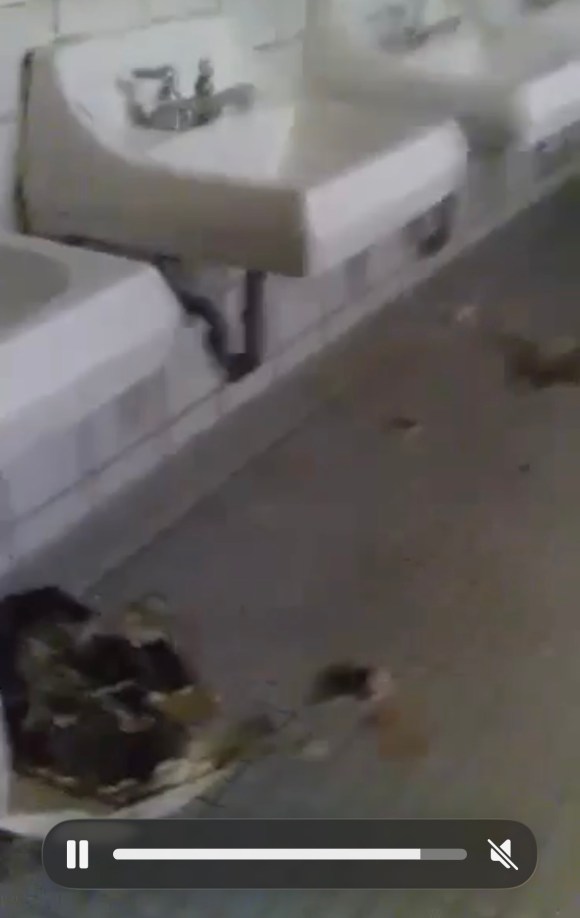




1. Summary of Allegations
The Loved Ones Coalition has received corroborated reporting from incarcerated individuals and family members regarding ongoing concerns at FCC Forrest City involving deteriorating infrastructure, ceiling collapse hazards, black mold exposure, unsanitary living conditions, food service complaints, commissary shortages, First Step Act application concerns, and allegations involving staff conduct and property destruction.
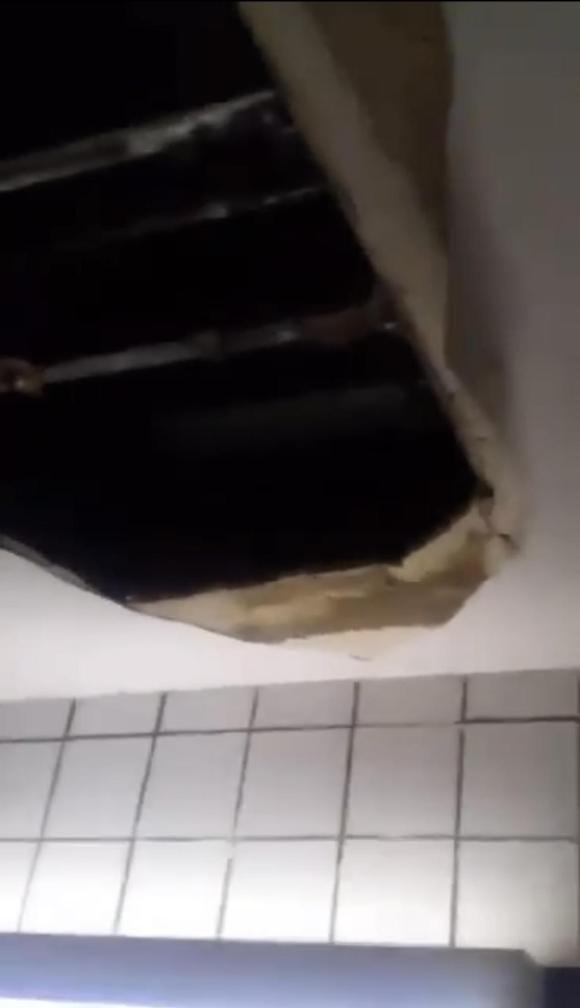
Reporting received by the Loved Ones Coalition describes portions of the institution as experiencing severe physical deterioration, including leaking ceilings, structural instability, damaged housing areas, and unsanitary bathroom conditions. Multiple incarcerated individuals described black mold allegedly present in showers, ceilings, and bathroom areas throughout portions of the institution.
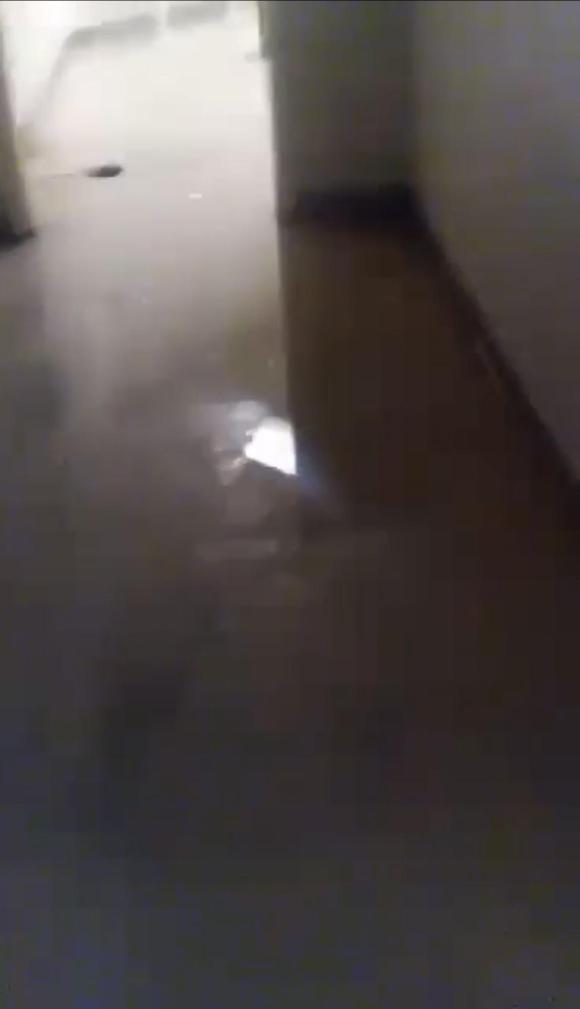
The Loved Ones Coalition additionally reviewed video footage and firsthand testimony allegedly showing portions of a ceiling actively collapsing inside a housing area while incarcerated individuals remained present nearby. According to reporting received by the Loved Ones Coalition, the incident produced significant noise and falling debris, raising concerns regarding potential injury risks had individuals been standing directly beneath the affected area. Reporting further alleges that incarcerated individuals had repeatedly raised concerns regarding deteriorating infrastructure conditions prior to the reported incident.
Additional reporting alleges that portions of the institution allegedly operated for extended periods without hot water access, with one incarcerated individual reporting that a housing unit allegedly remained without hot water for approximately three months.
Environmental health concerns were repeatedly referenced throughout testimony. Multiple individuals described persistent black mold exposure, leaking roofs, unsanitary bathrooms, standing water concerns, and deteriorating infrastructure conditions. Reporting further alleges the chow hall environment contains rodent and insect activity, with one incarcerated individual describing avoidance of chow hall meals altogether due to sanitation concerns.
Additional testimony raises concerns regarding food quality and nutritional adequacy. Individuals describe cold food, allegedly undercooked meals, inconsistent portion sizes, and ongoing frustration regarding food service conditions.
Operational concerns additionally involve allegations regarding commissary shortages and inconsistent item availability. Multiple individuals report that basic commissary items frequently run out or become unavailable for extended periods, resulting in unequal access between housing units.
The Loved Ones Coalition also received continued complaints regarding alleged delays or inconsistencies involving First Step Act and prerelease custody calculations. One incarcerated individual reported concerns regarding delayed halfway house placement consideration despite approaching release eligibility timeframes.
Additional reporting raises concerns involving unresolved property-transfer issues and allegations of staff misconduct. One incarcerated individual alleged that personal property transferred from a previous institution had allegedly remained missing for approximately nine months despite repeated efforts to resolve the matter through institutional channels.
The Loved Ones Coalition additionally received allegations involving destruction of personal and religious property during a reported search conducted by a staff member identified by the reporting party as an Associate Warden. According to testimony, food items, personal property, and religious materials were allegedly damaged or destroyed during the incident. The Loved Ones Coalition cannot independently verify all aspects of the allegations described; however, the specificity and consistency of reporting raise broader concerns regarding professionalism, property accountability, and institutional oversight.
Taken together, the consistency and overlap of reporting suggest broader concerns regarding environmental safety, infrastructure reliability, sanitation conditions, food service quality, institutional responsiveness, prerelease custody practices, and accountability mechanisms within FCC Forrest City.
2. Key Allegation & Violation Table
| Allegation | Description | Potential Concern Area |
| Ceiling collapse concerns | Portions of ceiling reportedly collapsed inside housing area | Infrastructure Safety |
| Structural deterioration concerns | Reports of leaking roofs, holes in ceilings, and deteriorating housing conditions | Facility Maintenance |
| Black mold allegations | Mold reportedly present in showers, ceilings, and bathroom areas | Environmental Health |
| Unsanitary bathroom conditions | Bathrooms reportedly described as dirty and deteriorated | Sanitation / Living Conditions |
| Hot water outage concerns | Housing unit reportedly lacked hot water for extended period | Conditions of Confinement |
| Food quality complaints | Reports of cold, undercooked, or nutritionally inadequate meals | Food Service |
| Rodent and insect concerns | Reports of rats and roaches inside chow hall areas | Food Safety / Sanitation |
| Commissary shortage concerns | Basic commissary items reportedly unavailable or inconsistent | Access to Basic Necessities |
| FSA calculation concerns | Complaints regarding prerelease placement timing and earned credit application | First Step Act / Sentence Computation |
| Property transfer concerns | Individual reportedly missing transferred property for approximately nine months | Property Accountability |
| Staff misconduct allegations | Reports alleging destruction of personal and religious property during search | Staff Professionalism |
| Religious property concerns | Religious materials reportedly damaged during search | Religious Rights / Institutional Conduct |
3. Direct Testimony
“This place is complete bs. When I say it is falling apart it is falling apart.”
“The showers have black mold.”
“The bathrooms are dirty as hell.”
“It’s so bad in the chow hall that I don’t even go there to eat.”
“Roaches at least an inch big, rats.”
“We went almost 3 months with no hot water in H building.”
“There is holes in the ceiling. This place is literally falling apart for real.”
“The food was always cold.”
“Commissary — all the items were always out or running low.”
“I just recently got put in for my halfway house and home confinement date and I’m at 10 months to the door.”
“I’ve been here 9 months and still haven’t received my property from my last prison.”
“She literally destroyed my room.”
“She opened cheese rice, opened refried beans, dumped them on the floor.”
“She destroyed my religious altar and ripped my religious picture.”
“This was not just a CO — this was an actual AW.”
4. Systemic Concerns
The reporting from FCC Forrest City raises serious concerns regarding infrastructure deterioration, environmental safety, sanitation standards, institutional maintenance practices, food service quality, and operational accountability.
Particularly concerning are allegations involving portions of the ceiling actively collapsing inside occupied housing areas. Structural deterioration within incarcerated living environments may create substantial safety risks, particularly where leaking ceilings, visible water intrusion, mold exposure, or weakened infrastructure conditions allegedly remain unresolved for extended periods.
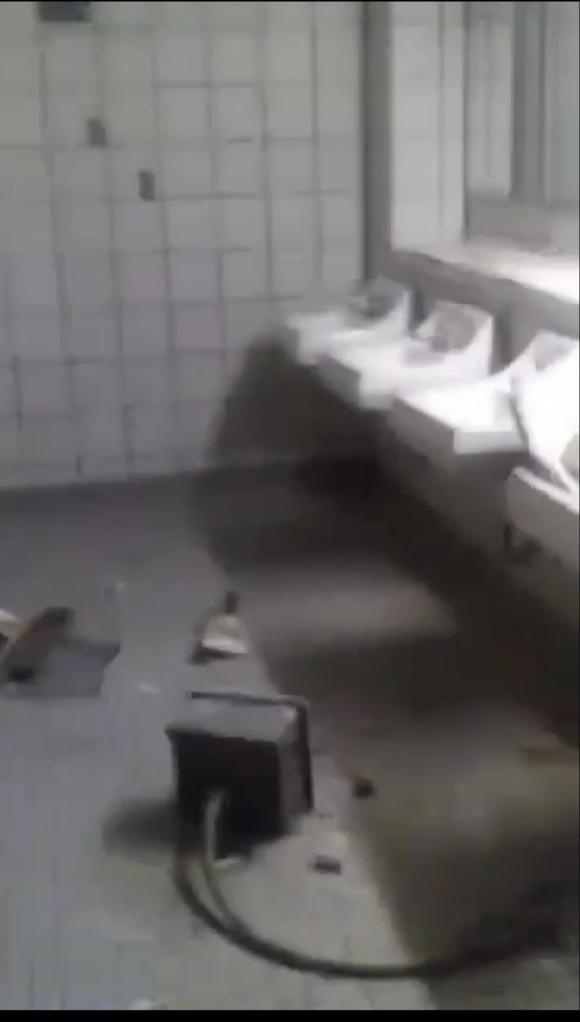
The Loved Ones Coalition additionally reviewed visual evidence allegedly depicting deteriorating bathroom conditions, standing water, damaged infrastructure, debris accumulation, and visibly unsanitary environmental conditions within portions of the institution.
Reports involving black mold exposure and prolonged lack of hot water raise additional concerns regarding environmental health standards, maintenance responsiveness, sanitation conditions, and the long-term health impact of deteriorating institutional infrastructure.
Food service complaints involving allegedly cold or undercooked meals, rodent activity, insect infestations, and inadequate portions further raise concerns regarding nutritional adequacy, food safety oversight, and sanitation procedures within institutional dining operations.
Additional reporting involving commissary shortages and uneven item availability raises broader concerns regarding access to basic necessities and consistency in institutional operations.
The reporting additionally reflects continued frustration involving First Step Act application, prerelease custody review timelines, and halfway house placement practices. Complaints involving delayed prerelease consideration despite approaching release eligibility raise broader concerns regarding transparency and consistency in sentence computation and prerelease custody procedures.
Allegations involving destruction of personal and religious property during staff searches further raise concerns regarding professionalism, accountability, and protection of incarcerated individuals’ personal and religious belongings during institutional operations.
Taken together, the consistency, specificity, and visual corroboration associated with the reporting suggest broader concerns regarding infrastructure safety, sanitation conditions, institutional maintenance practices, food service quality, property accountability, and operational oversight within FCC Forrest City.
5. Oversight Questions for Clarification — FCC Forrest City (SOUTH CENTRAL REGION)
- What inspections or structural assessments have recently been conducted regarding deteriorating ceilings, leaking roofs, or infrastructure concerns within housing units at FCC Forrest City?
- Have portions of the institution recently experienced ceiling collapse incidents, water intrusion, or related maintenance emergencies?
- What remediation efforts, if any, are currently underway regarding reported black mold exposure within housing, shower, or bathroom areas?
- How long did portions of the institution reportedly operate without consistent hot water access, and what corrective actions were implemented?
- What sanitation and pest-control procedures are currently in place within housing units and chow hall facilities?
- Have food service operations recently received complaints regarding cold meals, undercooked food, portion sizes, rodents, or insect activity?
- What oversight mechanisms exist to ensure consistent commissary access and item availability across housing units?
- What procedures govern prerelease custody review timelines and halfway house placement determinations at FCC Forrest City?
- What procedures are in place to investigate allegations involving missing transferred property or unresolved property claims?
- Have allegations involving destruction of personal or religious property during staff searches been reviewed internally?
- What protections exist to ensure incarcerated individuals may report infrastructure, sanitation, or staff-conduct concerns without fear of retaliation?
- What corrective measures, if any, are currently being considered to address ongoing infrastructure deterioration, sanitation concerns, and environmental safety conditions within FCC Forrest City?
SOUTH CENTRAL REGION
FMC Carswell (TX)
Retaliation Concerns Following PREA Complaints, Disability Accommodation Issues, Nursing Care Concerns, Suicide Watch Placement Complaints, and Medical Care Concerns Involving Medically Vulnerable Individuals
1. Summary of Allegations
The Loved Ones Coalition has received reporting from incarcerated individuals and family members regarding ongoing concerns at FMC Carswell involving alleged retaliation following PREA complaints, continuity-of-care concerns for medically vulnerable incarcerated individuals, disability accommodation issues, nursing-care practices, suicide-watch placement concerns, and broader concerns regarding treatment of incarcerated individuals with significant physical and mental-health-related impairments.
Multiple reports reviewed by the Loved Ones Coalition raise concerns regarding incarcerated individuals with severe mobility limitations allegedly experiencing inconsistent housing determinations, inadequate accommodation practices, and difficulties obtaining medically appropriate placement within specialized nursing-care housing units.
Reporting additionally raises concerns involving alleged retaliation or adverse treatment following PREA-related complaints involving medical staff members. One incarcerated individual alleges that after filing a PREA complaint against a staff member, concerns involving housing placement, medical access, and treatment responsiveness significantly worsened. The Loved Ones Coalition cannot independently verify all allegations described in testimony; however, the consistency and specificity of reporting raise broader concerns regarding PREA-related protections and safeguards against retaliation.
Additional reporting raises concerns regarding discharge practices from the institution’s Nursing Care Center (NCC), including allegations that some incarcerated individuals requiring substantial assistance with activities of daily living may allegedly be reassigned to housing environments ill-equipped to accommodate severe mobility limitations and medical needs.
The reporting further raises concerns involving suicide-watch placement procedures for medically vulnerable incarcerated individuals. Allegations reviewed by the Loved Ones Coalition describe situations in which incarcerated individuals with serious mobility impairments and medical-equipment needs allegedly experienced difficulty obtaining appropriate accommodations during mental-health-related housing placements or observation periods.
Additional testimony raises concerns regarding shower supervision practices, delayed medical supplies, catheter-care continuity, and access to medically necessary support equipment and garments. Reporting additionally suggests ongoing frustration regarding institutional responsiveness to disability-related accommodation requests and medical grievances.
Several staff members were referenced repeatedly throughout reporting received by the Loved Ones Coalition, including Dr. Reynolds, Ms. Little, Mr. Viscon, Ms. Bartlett, Ms. Gonzalez, Nurse Verallo, and Nurse Woodard, in connection with complaints involving medical accommodations, mental-health responsiveness, nursing-care practices, and institutional follow-up efforts. The Loved Ones Coalition cannot independently verify all allegations involving individual staff members; however, the repeated references raise broader concerns regarding oversight, communication, and continuity of care.
The Loved Ones Coalition additionally received reporting involving safety concerns related to elderly and cognitively impaired incarcerated individuals allegedly remaining housed in environments where other incarcerated individuals report feeling unsafe or inadequately protected from aggressive behavior.
Taken together, the consistency and overlap of reporting suggest broader concerns regarding disability accommodations, continuity of medical care, PREA-related retaliation protections, nursing-care oversight, suicide-watch procedures, mental-health responsiveness, and institutional accountability involving medically vulnerable incarcerated individuals housed at FMC Carswell.
2. Key Allegation & Violation Table
| Allegation | Description | Potential Concern Area |
| PREA retaliation concerns | Reports alleging adverse treatment or housing consequences following PREA complaints | PREA / Institutional Accountability |
| Disability accommodation concerns | Mobility-impaired individuals reportedly experiencing inconsistent accommodations | ADA / Accessibility |
| NCC discharge concerns | Reports alleging medically vulnerable individuals discharged despite continued assistance needs | Medical Care / Housing Placement |
| Suicide watch accommodation concerns | Allegations involving inadequate accommodations during mental-health observation placement | Mental Health / Medical Care |
| CPAP and medical equipment concerns | Reports involving interruption or lack of access to necessary medical equipment | Medical Accommodation |
| Shower supervision concerns | Fall-risk individuals reportedly left unattended during assistance-related care | Patient Safety |
| Medical supply concerns | Allegations involving delayed or unavailable specialized medical supplies | Healthcare Operations |
| Catheter care concerns | Reports involving delayed catheter replacement and continuity-of-care issues | Medical Care |
| Staff professionalism concerns | Multiple staff members repeatedly referenced in complaints involving responsiveness and treatment practices | Staff Professionalism |
| Mental health accommodation concerns | Reports involving anxiety-related limitations and inadequate accommodation responses | Mental Health Services |
| Elder safety concerns | Cognitively impaired incarcerated individuals allegedly involved in unsafe housing situations | Institutional Safety |
| Compassionate release concerns | Severely disabled incarcerated individuals reportedly unable to access meaningful rehabilitative opportunities | Compassionate Release / Medical Release |
3. Direct Testimony
“My physical impairments have not gotten any better, only worse.”
“I still require the same amount of assistance, if not more.”
“I was forced to sleep sitting up in my wheelchair without my CPAP.”
“I am expected to go to the clinic and be around the person I have an active PREA investigation on every day.”
“Every bit of this seems punitive to me.”
“The BOP could not afford to purchase the kind of catheter I needed.”
“For the last 14 months I have been requesting my bras but have been told they do not have the funding to order them.”
“She saw me almost fall yet left me unattended.”
“There is an elderly lady here diagnosed with dementia She put a pillow over another elderly lady’s face trying to smother her.”
“Nothing is ever done to protect us from this type of behavior.”
4. Systemic Concerns
The reporting from FMC Carswell raises substantial concerns regarding continuity of medical care, treatment of medically vulnerable incarcerated individuals, PREA-related retaliation protections, accessibility accommodations, and institutional responsiveness to severe disability-related needs.
Particularly concerning are allegations involving severely mobility-impaired incarcerated individuals allegedly experiencing inconsistent housing determinations and reassignment from specialized nursing-care housing despite continued documented assistance needs.
Additional allegations involving suicide-watch placement conditions raise concerns regarding whether medically vulnerable incarcerated individuals are consistently provided necessary accommodations during mental-health crises or restrictive placements. Reporting involving alleged denial or interruption of CPAP-related accommodations and accessible housing conditions may raise significant health and safety concerns for individuals with substantial medical limitations.
The reporting additionally raises broader concerns regarding whether incarcerated individuals who file PREA-related complaints involving staff members are adequately protected from perceived retaliation, intimidation, or adverse housing and treatment consequences following reporting activity.
Additional concerns involve continuity of medical supplies and equipment, including allegations involving delayed catheter replacement procedures and inability to obtain medically necessary support garments due to alleged funding limitations.
The reporting further raises questions regarding staffing responsiveness and supervision practices involving wheelchair-bound or fall-risk incarcerated individuals requiring direct assistance with activities of daily living.
Particularly troubling are allegations involving cognitively impaired elderly incarcerated individuals reportedly engaging in dangerous or violent behavior toward others without meaningful intervention or separation procedures.
The Loved Ones Coalition further notes repeated reporting involving severely disabled incarcerated individuals who allegedly lack meaningful rehabilitative programming access due to profound physical limitations while remaining incarcerated despite ongoing compassionate release efforts.
Taken together, the consistency and specificity of reporting suggest broader concerns regarding disability accommodations, nursing-care oversight, PREA-related protections, suicide-watch procedures, continuity of care, institutional responsiveness, and protection of medically vulnerable incarcerated individuals within FMC Carswell.
5. Oversight Questions for Clarification — FMC Carswell (SOUTH CENTRAL REGION)
- What criteria govern discharge decisions from the Nursing Care Center at FMC Carswell?
- What oversight mechanisms exist to ensure medically vulnerable incarcerated individuals are not discharged from specialized housing prematurely or without appropriate evaluation?
- What protections exist to prevent retaliation or perceived retaliation following PREA complaints involving staff members?
- How are medically vulnerable incarcerated individuals accommodated during suicide-watch placement or mental-health-related housing assignments?
- What procedures ensure wheelchair-bound individuals requiring CPAP access maintain necessary medical accommodations during restrictive housing placement?
- What staffing and supervision policies govern shower assistance for incarcerated individuals classified as fall risks?
- What procedures are in place to ensure timely catheter replacement and access to medically necessary medical supplies and support garments?
- Are funding or supply-chain limitations currently impacting medical accommodations or specialized medical equipment at FMC Carswell?
- What oversight mechanisms exist regarding treatment of incarcerated individuals requiring extensive activities-of-daily-living assistance?
- What safeguards exist to ensure disabled incarcerated individuals are not placed in housing assignments inconsistent with documented medical needs?
- What mental-health protections and accommodations are available for incarcerated individuals with severe anxiety, trauma histories, or neurological impairments?
- What procedures govern housing and supervision of incarcerated individuals diagnosed with dementia or significant cognitive impairments?
- What corrective actions, if any, are being considered regarding allegations involving patient safety, accessibility accommodations, retaliation concerns, and continuity of medical care within FMC Carswell?
SOUTH CENTRAL REGION
FPC Oakdale II (LA)
Medical Access Complaints, Diabetic Care Concerns, Mold Allegations, Nutritional Complaints, Commissary Shortages, Programming Concerns, and First Step Act Application Issues
1. Summary of Allegations
The Loved Ones Coalition has received reporting from incarcerated individuals and family members regarding ongoing concerns at FPC Oakdale II involving alleged lack of medical responsiveness, inadequate diabetic care, mold exposure, food quality and nutritional concerns, commissary shortages, lack of programming opportunities, and complaints involving case management and First Step Act application practices.
Multiple reports reviewed by the Loved Ones Coalition raise concerns regarding access to medical care and responsiveness from institutional medical staff. Reporting alleges that incarcerated individuals who reportedly signed up for sick call frequently experience difficulty obtaining access to medical personnel, with complaints describing medical areas allegedly remaining locked or unanswered during periods when incarcerated individuals seek assistance.
Particularly concerning are allegations involving diabetic incarcerated individuals reportedly not consistently receiving medication, blood sugar monitoring, or routine diabetic-related care. Reporting further alleges that incarcerated individuals requiring CPAP machines have experienced difficulty obtaining water necessary for operation and maintenance of their medical equipment.
Environmental health concerns were repeatedly referenced throughout testimony. Multiple incarcerated individuals reportedly described visible mold within ceilings, showers, and housing areas, raising concerns regarding sanitation, ventilation, and long-term environmental exposure conditions.
Additional reporting raises concerns regarding food quality and nutritional adequacy. One reporting party alleged that certain food products distributed within the institution were labeled “not for human consumption.” Multiple incarcerated individuals additionally described concerns involving inadequate portion sizes and allegations that meals fail to provide sufficient nutritional intake for adult incarcerated populations.
Operational concerns additionally involve allegations regarding commissary shortages and delayed or inconsistent stocking practices, resulting in limited access to basic items and necessities.
The Loved Ones Coalition also received repeated complaints regarding lack of rehabilitative programming and educational opportunities within the institution. Reporting alleges that despite announcements regarding possible class offerings, programming opportunities allegedly remain delayed, unavailable, or nonexistent for extended periods.
Additional reporting raises concerns involving staff responsiveness and prerelease custody-related practices. One counselor was repeatedly referenced in complaints alleging dismissive responses toward incarcerated individuals raising concerns involving institutional conditions and programming issues. Reporting additionally alleges that incarcerated individuals experience difficulty accessing case-management staff and obtaining clarification regarding earned time credits and First Step Act-related calculations.
The Loved Ones Coalition cannot independently verify all allegations described in testimony. However, the consistency and overlap of reporting raise broader concerns regarding healthcare responsiveness, diabetic care practices, environmental safety, nutritional adequacy, institutional programming availability, prerelease custody transparency, and operational accountability within FPC Oakdale II.
Taken together, the reporting suggests broader concerns involving medical access, chronic-care treatment practices, sanitation conditions, food-service quality, institutional staffing responsiveness, programming availability, and First Step Act implementation within the institution.
2. Key Allegation & Violation Table
| Allegation | Description | Potential Concern Area |
| Sick call access concerns | Medical area reportedly inaccessible or unresponsive during sick call periods | Medical Care Access |
| Diabetic care concerns | Reports alleging diabetics not consistently receiving medication or blood sugar monitoring | Chronic Care / Medical Care |
| CPAP accommodation concerns | Allegations involving lack of water access for CPAP-related medical equipment | Medical Accommodation |
| Mold exposure concerns | Mold reportedly present in ceilings, showers, and housing areas | Environmental Health |
| Food quality complaints | Allegations involving questionable food labeling and poor food quality | Food Service |
| Nutritional adequacy concerns | Reports alleging insufficient caloric intake and inadequate meal portions | Conditions of Confinement |
| Commissary shortage concerns | Commissary reportedly not consistently stocked | Access to Basic Necessities |
| Programming concerns | Reports alleging lack of educational or rehabilitative programming | Rehabilitation / Programming |
| Staff responsiveness concerns | Counselor reportedly dismissive regarding institutional complaints | Staff Professionalism |
| Case management concerns | Case managers reportedly difficult to access or unavailable | Institutional Operations |
| FSA credit concerns | Allegations involving delayed or unaddressed earned time credit issues | First Step Act / Sentence Computation |
3. Direct Testimony
“Medical keeps the door locked and won’t answer when the guys knock on the door.”
“They are not giving diabetics their medication.”
“They’re not checking blood sugar levels.”
“They’re not providing water for the CPAP machines.”
“The ceilings and showers are infested with mold.”
“Commissary isn’t getting stocked.”
“There’s no programming classes.”
“In two weeks they put up a sign for one class but still haven’t started it.”
“The counselor tells them to ‘get over it.’”
“The case manager is hardly ever seen.”
“They’re not giving people their FSA credits.”
“The counselor and case manager are not there on Fridays.”
“Monday through Thursday they’re only there about four or five hours.”
4. Systemic Concerns
The reporting from FPC Oakdale II raises concerns regarding healthcare responsiveness, chronic-care treatment practices, environmental sanitation conditions, nutritional adequacy, staffing responsiveness, programming availability, and prerelease custody administration.
Particularly concerning are allegations involving diabetic incarcerated individuals reportedly experiencing inconsistent medication access and lack of regular blood sugar monitoring. Inadequate management of chronic medical conditions such as diabetes may create substantial health risks if treatment, monitoring, or medication continuity is disrupted.
Additional concerns involving lack of water for CPAP-related medical equipment raise questions regarding accommodation practices for incarcerated individuals relying on medically necessary respiratory-support devices.
Environmental-health-related reporting involving visible mold within showers, ceilings, and housing areas further raises concerns regarding sanitation standards, maintenance responsiveness, ventilation conditions, and long-term exposure risks within the institution.
Food-service-related complaints involving allegedly insufficient portions, poor-quality meals, and reports referencing food labeled “not for human consumption” raise broader concerns regarding nutritional adequacy, food safety oversight, and institutional meal-service standards.
The reporting additionally suggests growing frustration regarding lack of rehabilitative opportunities and programming availability. Allegations that educational or programming opportunities are repeatedly announced but not implemented raise broader concerns regarding institutional operations and meaningful access to rehabilitative programming.
Repeated complaints involving limited staff availability, dismissive responses from counseling staff, and difficulty accessing case-management personnel further raise concerns regarding responsiveness, professionalism, and transparency involving earned time credit calculations and prerelease custody matters.
Taken together, the consistency and specificity of reporting suggest broader concerns regarding medical care continuity, sanitation conditions, institutional responsiveness, programming access, and operational accountability within FPC Oakdale II.
5. Oversight Questions for Clarification — FPC Oakdale II (SOUTH CENTRAL REGION)
- What procedures govern sick call accessibility and response times at FPC Oakdale II?
- Are incarcerated individuals with chronic medical conditions, including diabetes, consistently receiving medication administration and blood sugar monitoring consistent with prescribed treatment plans?
- What procedures exist to ensure incarcerated individuals utilizing CPAP equipment maintain access to necessary supplies and accommodations?
- Have environmental inspections recently been conducted regarding alleged mold exposure within housing areas, showers, or ceilings?
- What remediation efforts, if any, are underway regarding reported mold-related concerns within the institution?
- What quality-control procedures govern institutional food sourcing, preparation, labeling, and nutritional adequacy?
- Have food service operations recently received complaints involving inadequate portions or questionable food quality?
- What oversight mechanisms exist to ensure commissary operations remain adequately stocked with basic necessities?
- What educational, vocational, or rehabilitative programming opportunities are currently operational at FPC Oakdale II?
- What staffing schedules and availability requirements currently apply to counseling and case-management staff?
- How are incarcerated individuals informed regarding earned time credit calculations and First Step Act eligibility determinations?
- What procedures exist for incarcerated individuals to raise concerns regarding medical care, staffing responsiveness, or institutional conditions without fear of retaliation?
- What corrective actions, if any, are being considered regarding allegations involving diabetic care, mold exposure, food-service concerns, programming delays, and First Step Act administration within FPC Oakdale II?
SOUTHEAST REGION
FCI Edgefield (SC)
Cardiac Care Concerns, Delayed Specialty Treatment Complaints, Chronic Care Issues, Religious Accommodation Concerns, and Medical Responsiveness Allegations
1. Summary of Allegations
The Loved Ones Coalition has received reporting from incarcerated individuals and family members regarding ongoing concerns at FCI Edgefield involving alleged delays in cardiac-related medical care, inadequate chronic-care responsiveness, lack of communication regarding specialty treatment scheduling, medical accommodation concerns involving diabetic incarcerated individuals, and additional complaints involving staff responsiveness and religious accommodations.
Multiple reports reviewed by the Loved Ones Coalition raise concerns regarding incarcerated individuals reportedly experiencing serious cardiac symptoms while awaiting outside specialty evaluation and treatment. Reporting received by the Loved Ones Coalition describes complaints involving chest pain, use of nitroglycerin for symptom management, and concerns regarding delayed cardiac catheterization procedures and continuity of care.
Additional reporting alleges that family members and incarcerated individuals have experienced difficulty obtaining clear communication regarding treatment timelines, urgency determinations, specialty referrals, and ongoing cardiac-care planning.
The Loved Ones Coalition additionally received concerns involving chronic-care accommodations for incarcerated individuals with diabetes, including allegations involving delays in obtaining medically necessary diabetic footwear intended to reduce complications associated with diabetic conditions.
Reporting further raises concerns regarding professionalism and responsiveness from medical staff. One family member described interactions with medical personnel as allegedly dismissive and argumentative while attempting to raise concerns regarding ongoing medical symptoms and treatment delays.
Additional testimony reviewed by the Loved Ones Coalition raises concerns regarding religious accommodations and treatment during institutional processes. One reporting party alleged that religious headwear was removed during institutional procedures and described frustration regarding how the situation was handled.
The Loved Ones Coalition also received reporting alleging repeated delays and obstacles involving institutional processes and communication involving family members attempting to advocate for incarcerated loved ones with serious medical concerns.
The Loved Ones Coalition cannot independently verify all allegations described in testimony. However, the consistency and specificity of reporting raise broader concerns regarding continuity of specialty medical care, chronic-care responsiveness, communication practices, professionalism in patient interactions, and accommodation of religious and medical needs within FCI Edgefield.
Taken together, the reporting suggests broader concerns regarding cardiac-care responsiveness, chronic medical treatment practices, specialty-care coordination, communication transparency, and institutional responsiveness involving incarcerated individuals with serious medical conditions housed at FCI Edgefield.
2. Key Allegation & Violation Table
| Allegation | Description | Potential Concern Area |
| Cardiac care concerns | Reports involving chest pain and delayed specialty cardiac treatment | Medical Care |
| Delayed cardiac catheterization concerns | Allegations involving delayed scheduling or lack of clarity regarding cardiac procedures | Specialty Medical Care |
| Nitroglycerin-related concerns | Reports involving ongoing cardiac symptoms requiring nitroglycerin | Chronic Care |
| Communication concerns | Family members reportedly unable to obtain clear medical updates or treatment timelines | Medical Communication |
| Diabetic accommodation concerns | Allegations involving delays obtaining medically necessary diabetic footwear | Chronic Care / Medical Accommodation |
| Staff professionalism concerns | Medical staff reportedly described as dismissive or argumentative | Staff Professionalism |
| Religious accommodation concerns | Reporting involving removal of religious headwear during institutional processes | Religious Rights / Institutional Conduct |
| Family advocacy concerns | Reports alleging difficulty navigating institutional responses regarding urgent medical issues | Institutional Responsiveness |
3. Direct Testimony
“He has been experiencing chest pain and recently required nitroglycerin for symptom relief.”
“His ongoing symptoms raise serious concern that his condition may be unstable.”
“I am very concerned about delays in his cardiac care.”
“There is a lack of clear communication regarding the urgency and scheduling of his cardiac catheterization.”
“He has an unmet medical need for diabetic shoes.”
“The doctor has been very dismissive and very argumentative.”
“We’ve been going through it with Edgefield.”
“They made me remove my hijab and made my religious headwear a big thing.”
4. Systemic Concerns
The reporting from FCI Edgefield raises concerns regarding continuity of specialty medical care, responsiveness to serious cardiac symptoms, chronic-care accommodation practices, communication transparency, and professionalism in interactions involving incarcerated individuals and family members attempting to advocate for urgent medical care.
Particularly concerning are allegations involving incarcerated individuals reportedly experiencing ongoing chest pain and requiring nitroglycerin while awaiting cardiac-related specialty procedures or evaluation. Delays involving specialty cardiac care or lack of communication regarding treatment timelines may create substantial health risks if serious symptoms remain unresolved.
Additional concerns involving diabetic footwear accommodations raise broader questions regarding responsiveness to chronic-care needs and provision of medically necessary supportive equipment intended to reduce preventable complications.
The reporting additionally reflects frustration involving communication barriers between institutional medical departments and family members attempting to obtain clarification regarding ongoing treatment plans and medical urgency.
Reports describing medical staff as dismissive or argumentative when concerns are raised further suggest possible concerns regarding patient communication practices, professionalism, and responsiveness to incarcerated individuals experiencing significant medical symptoms.
Additional reporting involving removal of religious headwear raises broader concerns regarding religious accommodations, sensitivity during institutional procedures, and consistency in treatment of incarcerated individuals and family members observing religious practices.
Taken together, the consistency and overlap of reporting suggest broader concerns regarding specialty-care coordination, chronic-care responsiveness, institutional communication practices, and treatment of incarcerated individuals with serious medical conditions housed at FCI Edgefield.
5. Oversight Questions for Clarification — FCI Edgefield (SOUTHEAST REGION)
- What procedures govern specialty cardiac referrals and scheduling timelines for incarcerated individuals experiencing ongoing cardiac symptoms at FCI Edgefield?
- Are incarcerated individuals requiring nitroglycerin or cardiac-related monitoring receiving timely specialty evaluation and continuity of care?
- What communication procedures exist for informing incarcerated individuals and family members regarding specialty-care timelines and treatment plans?
- What oversight mechanisms exist regarding delayed specialty procedures or outside medical referrals?
- What procedures govern approval and provision of medically necessary diabetic footwear and chronic-care accommodations?
- What training or oversight mechanisms exist regarding professionalism and responsiveness during interactions involving incarcerated individuals and family members raising medical concerns?
- What policies govern religious accommodations involving headwear and institutional procedures affecting religious practices?
- Have institutional leadership or medical departments recently received complaints involving delayed cardiac treatment, communication concerns, or chronic-care responsiveness?
- What safeguards exist to ensure incarcerated individuals with serious medical symptoms receive timely evaluation and follow-up care?
- What corrective actions, if any, are being considered regarding allegations involving delayed specialty care, chronic-care accommodations, communication barriers, and professionalism concerns within FCI Edgefield?
SOUTHEAST REGION
FPC Talladega (AL)
Prerelease Custody Disputes, Medical Treatment Complaints, Veterans’ Healthcare Concerns, Staff Conduct Allegations, and Procedural Transparency Issues
1. Summary of Allegations
The Loved Ones Coalition has received reporting from multiple incarcerated individuals and family members regarding ongoing concerns at FPC Talladega involving prerelease custody calculations, Residential Reentry Center (RRC) placement recommendations, medical treatment concerns, and alleged staff misconduct related to prerelease review procedures.
Multiple reports reviewed by the Loved Ones Coalition allege inconsistencies involving prerelease placement timelines, referral calculations, and communication regarding Second Chance Act (SCA) placement determinations. Reporting reviewed suggests incarcerated individuals have received differing explanations regarding placement eligibility, prerelease review timelines, and referral processing procedures.
Several incarcerated individuals reportedly raised concerns that prerelease recommendations or placement calculations were altered, delayed, corrected, or modified after initial review discussions with unit team staff. Additional testimony reviewed alleges confusion involving distinctions between First Step Act programming eligibility, Second Chance Act placement authority, prerelease custody review procedures, and medical prerelease placement consideration.
A staff member identified in multiple complaints as “Ms. Jackson” (as reported) was repeatedly referenced in allegations involving prerelease referral processing, alleged interference with prerelease placement recommendations, dismissive communication, and alleged retaliatory conduct connected to outside advocacy efforts and administrative complaints.
Additional reporting reviewed by the Loved Ones Coalition alleges that incarcerated individuals perceived some responses to advocacy, grievances, or outside inquiries as punitive, retaliatory, or dismissive in nature. Some testimony reviewed additionally alleges concerns involving threats regarding custody time, prerelease eligibility, or placement outcomes after outside complaints or oversight inquiries were submitted.
The Loved Ones Coalition additionally reviewed concerns involving incarcerated veterans at FPC Talladega reporting PTSD, traumatic brain injury (TBI), disability-related medical concerns, and alleged lack of meaningful treatment access while housed at the institution.
Additional allegations reviewed involve delayed medical treatment coordination, alleged failures involving continuity of care, delayed medical prerelease paperwork, and concerns involving access to appropriate mental health services and outside-care coordination.
Taken together, the consistency and overlap of reporting raise broader concerns regarding prerelease custody transparency, institutional communication practices, medical responsiveness, veterans’ healthcare access, staff professionalism, and procedural accountability at FPC Talladega.
2. Key Allegation & Violation Table
| Allegation | Description | Potential Concern Area |
| Prerelease placement disputes | Reports of conflicting prerelease placement dates and altered referral timelines | Sentence Computation / Prerelease Custody |
| RRC referral concerns | Allegations involving delayed or modified halfway house placement recommendations | Second Chance Act / Reentry Placement |
| SCA/FSA communication issues | Individuals report inconsistent explanations regarding placement authority and eligibility | Administrative Transparency |
| Staff conduct allegations | Multiple complaints involving dismissive or retaliatory communication practices | Staff Professionalism |
| Retaliation concerns | Reporting alleging individuals feared punishment or loss of prerelease opportunities after complaints | Retaliation Concerns |
| Medical treatment concerns | Allegations involving delayed or inadequate PTSD/TBI treatment | Medical Care |
| Veterans’ healthcare complaints | Reports involving delayed VA-related treatment coordination and continuity of care issues | Continuity of Care |
| Procedural transparency concerns | Individuals report difficulty understanding or challenging prerelease review decisions | Institutional Accountability |
3. Direct Testimony
“Your own paperwork dates don’t match each other.”
“She does her own evaluations and changed shit.”
“She has said before that everyone in the camp should be in the medium or a low.”
“She has refused the case managers on sending my paperwork forward to the halfway house.”
“The unit team here at the camp said she has changed it and pushed it up behind their back.”
“I feel that I have been retaliated against due to the people that have reached out on my behalf.”
“She was the one in charge and needed him to back off or he would lose more time.”
“He has been denied any treatment since he’s been in Talladega.”
“Not doing any FSA programming? I have 3 FSA classes completed and 2 ACE classes completed and a job.”
4. Systemic Concerns
The reporting from FPC Talladega raises concerns regarding transparency and consistency in prerelease custody review procedures, communication practices involving prerelease placement determinations, and institutional handling of incarcerated individuals raising concerns through advocacy channels.
Multiple reports allege confusion involving prerelease placement calculations, referral timelines, and distinctions between First Step Act programming eligibility and Second Chance Act placement authority. Reporting reviewed suggests incarcerated individuals may experience difficulty obtaining clear explanations regarding how prerelease placement determinations are calculated, reviewed, modified, or appealed.
The consistency of allegations involving conflicting referral dates, alleged prerelease recommendation changes, and differing staff explanations raises broader concerns regarding procedural transparency and consistency involving prerelease review processes.
Additional reporting reviewed by the Loved Ones Coalition raises concerns regarding incarcerated individuals perceiving retaliation, intimidation, or punitive treatment after filing complaints, engaging outside advocates, or seeking oversight assistance.
The reporting additionally raises concerns regarding treatment access and continuity of care for incarcerated veterans reporting PTSD, TBI, and documented disability-related medical conditions.
Taken together, the consistency and overlap of reporting suggest broader concerns regarding prerelease custody transparency, staff professionalism, medical responsiveness, institutional communication practices, and procedural accountability at FPC Talladega.
5. Oversight Questions for Clarification — FPC Talladega (SOUTHEAST REGION)
- What procedures govern prerelease placement calculations and RRC referral determinations at FPC Talladega?
- What safeguards exist to ensure consistency and transparency involving prerelease placement recommendations and referral timelines?
- How are disputes involving prerelease calculations, Second Chance Act placement determinations, and referral modifications reviewed internally?
- What guidance is currently provided to incarcerated individuals regarding distinctions between First Step Act programming eligibility and Second Chance Act placement authority?
- What oversight mechanisms exist when incarcerated individuals allege altered prerelease timelines or inconsistent referral calculations?
- Have complaints involving staff conduct, dismissive communication, or alleged retaliation connected to prerelease concerns been reviewed internally?
- What safeguards exist to ensure incarcerated individuals may raise concerns or seek outside advocacy assistance without fear of retaliation?
- What medical and mental health treatment services are currently available for incarcerated veterans reporting PTSD and traumatic brain injury diagnoses?
- What procedures are currently in place to coordinate continuity of care and outside medical treatment recommendations for incarcerated veterans?
- What corrective actions, if any, are being considered to address recurring concerns involving prerelease transparency, medical treatment access, and institutional communication practices at FPC Talladega?
MID-ATLANTIC REGION
FPC Alderson (WV)
RDAP Placement Concerns, Distance-from-Home Complaints, Food Service Issues, Elderly Incarcerated Population Concerns, and Institutional Living Condition Allegations
1. Summary of Allegations
The Loved Ones Coalition has received reporting from incarcerated individuals and family members regarding ongoing concerns at FPC Alderson involving RDAP placement delays, distance-from-home placement hardships, food service conditions, infrastructure-related complaints, and concerns regarding treatment and housing of elderly medically vulnerable incarcerated individuals.
Multiple reports reviewed by the Loved Ones Coalition raise concerns involving incarcerated individuals allegedly experiencing delays or irregularities in placement into the Residential Drug Abuse Program (RDAP) despite reportedly transferring institutions for RDAP participation purposes. Reporting reviewed alleges that some incarcerated individuals believed they would receive timely RDAP placement upon transfer but later experienced delays resulting in reduced sentence-credit opportunities and extended incarceration timeframes.
Additional testimony reviewed by the Loved Ones Coalition raises concerns regarding incarcerated individuals being housed significant distances from family support systems, including elderly parents and dependent children, allegedly creating substantial hardship involving visitation access, family contact, and release preparation support.
The Loved Ones Coalition additionally received reporting involving ongoing food service and infrastructure-related complaints. Multiple incarcerated individuals alleged that food service operations reportedly lacked functioning hot water access for extended periods of time. Additional testimony reviewed also referenced repeated meal substitutions and concerns regarding food quality and consistency during implementation of updated national menu standards.
Additional reporting reviewed by the Loved Ones Coalition raises concerns involving elderly incarcerated individuals with significant medical conditions allegedly remaining housed within the institution despite serious health limitations, deteriorating medical conditions, and ongoing healthcare needs.
The reporting additionally raises concerns regarding continuity of medical care for elderly incarcerated individuals reportedly experiencing chronic illness, possible pulmonary or kidney-related medical findings, mobility limitations, and vision-related complications.
Taken together, the consistency and overlap of reporting raise broader concerns regarding RDAP placement transparency, family separation hardships, institutional infrastructure conditions, food service operations, and treatment of elderly medically vulnerable incarcerated individuals at FPC Alderson.
2. Key Allegation & Violation Table
| Allegation | Description | Potential Concern Area |
| RDAP placement concerns | Reports alleging delays or missed placement opportunities after transfer | RDAP / Sentence Reduction |
| Distance-from-home concerns | Incarcerated individuals reportedly housed far from family support systems | Family Contact / Placement Practices |
| Extended incarceration concerns | Alleged RDAP delays reportedly impacting projected release timelines | Sentence Computation |
| Food service infrastructure concerns | Reports alleging lack of hot water within food service operations | Facility Maintenance / Food Service |
| Food quality complaints | Repeated meal substitutions and concerns regarding menu consistency | Nutritional Services |
| Elder-care concerns | Elderly incarcerated individuals reportedly experiencing significant medical decline | Medical Care |
| Chronic medical condition concerns | Reports involving serious unresolved health issues among elderly incarcerated population | Healthcare Services |
| Institutional responsiveness concerns | Complaints involving prioritization concerns and unresolved infrastructure issues | Institutional Operations |
3. Direct Testimony
“They gave us hot dogs three times this week to get rid of them.”
“We’re getting pancakes and French toast all the time to get rid of the ingredients.”
“I was here in time, though, and about seven people went ahead of me.”
“This means I’ll only get nine months off instead of getting out in January.”
“I haven’t seen my elderly mother and my kids in over four years due to the distance.”
“We do not have hot water in food service and haven’t since last year.”
“My bunkie is 78 years old.She has bad health problems. She should not be in prison.”
“She just went to the hospital and they found something on her lung and kidney.”
“She is also having vision problems, seeing double from a head injury.”
4. Systemic Concerns
The reporting from FPC Alderson raises concerns regarding transparency and consistency in RDAP placement procedures, distance-from-home placement hardships, institutional infrastructure conditions, and healthcare responsiveness involving elderly incarcerated individuals.
Multiple reports reviewed by the Loved Ones Coalition suggest incarcerated individuals may experience confusion or frustration regarding RDAP placement timelines, transfer expectations, and sentence-reduction opportunities connected to program participation. Allegations involving delayed placement despite transfer for RDAP purposes raise broader concerns regarding program accessibility and prerelease planning consistency.
Additional reporting involving incarcerated individuals housed substantial distances from family support systems raises concerns regarding visitation access, maintenance of family relationships, and release preparation support for incarcerated individuals approaching release eligibility.
The reporting additionally raises concerns regarding food service infrastructure and institutional maintenance practices following allegations that portions of food service operations allegedly lacked functioning hot water access for extended periods.
Additional testimony reviewed by the Loved Ones Coalition raises broader concerns regarding treatment and housing of elderly medically vulnerable incarcerated individuals reportedly experiencing serious chronic medical conditions while remaining incarcerated.
Taken together, the consistency and overlap of reporting suggest broader concerns regarding institutional infrastructure, healthcare responsiveness, RDAP accessibility, family separation hardships, and treatment of elderly incarcerated populations at FPC Alderson.
5. Oversight Questions for Clarification — FPC Alderson (MID-ATLANTIC REGION)
- What procedures govern RDAP placement prioritization and transfer-related placement determinations at FPC Alderson?
- What safeguards exist to ensure incarcerated individuals transferred for RDAP participation receive timely placement consideration?
- Have concerns involving delayed RDAP placement affecting projected release timelines been reviewed internally?
- What factors are considered when determining placement proximity to incarcerated individuals’ family support systems?
- What maintenance or repair efforts are currently underway regarding reported lack of hot water within food service operations?
- Have food service operations recently received complaints involving menu substitutions, meal consistency, or nutritional adequacy?
- What medical review procedures currently exist for elderly incarcerated individuals experiencing serious chronic medical conditions?
- What safeguards exist to ensure medically vulnerable elderly incarcerated individuals receive appropriate continuity of care and housing consideration?
- Have institutional leadership reviewed concerns involving elderly incarcerated individuals with significant health deterioration remaining housed at FPC Alderson?
- What corrective actions, if any, are being considered regarding recurring concerns involving RDAP placement delays, infrastructure conditions, food service operations, and treatment of elderly medically vulnerable incarcerated individuals at FPC Alderson?
MID-ATLANTIC REGION
USP Big Sandy (KY)
Bedding Complaints, Mattress Shortage Allegations, and Living Condition Concerns
1. Summary of Allegations
The Loved Ones Coalition has received reporting from incarcerated individuals regarding ongoing concerns at USP Big Sandy involving alleged lack of adequate bedding, mattress shortages, and living condition concerns within housing units.
Reporting reviewed by the Loved Ones Coalition alleges that some incarcerated individuals are reportedly being housed with severely worn or inadequate mattresses consisting primarily of thin foam padding placed directly on steel bed frames. One incarcerated individual described conditions allegedly comparable to “sleeping on steel” due to the condition and thickness of the assigned mattress.
Additional testimony reviewed alleges that incarcerated individuals attempting to request replacement mattresses or adequate bedding were informed by institutional staff that no additional mattresses were available despite reports alleging new mattresses were recently observed being distributed within portions of the institution.
The Loved Ones Coalition additionally received concerns regarding consistency and fairness involving distribution of bedding materials and replacement mattresses within housing units.
Taken together, the reporting reviewed raises broader concerns regarding adequacy of basic living conditions, mattress replacement practices, institutional supply availability, and responsiveness to incarcerated individuals reporting inadequate bedding conditions at USP Big Sandy.
2. Key Allegation & Violation Table
| Allegation | Description | Potential Concern Area |
| Inadequate mattress concerns | Reports alleging severely worn or insufficient bedding materials | Conditions of Confinement |
| Mattress shortage allegations | Individuals reportedly informed replacement mattresses were unavailable | Institutional Operations |
| Unequal distribution concerns | Reports alleging new mattresses observed while others lacked adequate bedding | Supply Distribution / Institutional Accountability |
| Sleeping condition complaints | Individuals reportedly sleeping directly against steel bed surfaces | Living Conditions |
3. Direct Testimony
“All I’ve got on my steel bed is a little slab of foam.”
“I might as well be sleeping on steel.”
“I hollered at the unit manager and he said that’s all they have.”
“Yet I saw him bringing in new mattresses last week.”
“I have a right to real bedding.”
4. Systemic Concerns
The reporting from USP Big Sandy raises concerns regarding adequacy of basic living conditions, mattress replacement procedures, and institutional responsiveness to incarcerated individuals reporting inadequate bedding conditions.
Allegations involving severely worn or insufficient mattresses may raise broader concerns regarding sanitation, physical wellbeing, sleep quality, and overall living conditions within institutional housing units.
Additional reporting involving alleged shortages of replacement mattresses despite observations of mattress distribution elsewhere within the institution raises concerns regarding consistency, transparency, and fairness involving allocation of basic institutional supplies.
Taken together, the reporting reviewed by the Loved Ones Coalition suggests broader concerns regarding mattress replacement practices, supply distribution procedures, and responsiveness to incarcerated individuals reporting inadequate living conditions at USP Big Sandy.
5. Oversight Questions for Clarification — USP Big Sandy (MID-ATLANTIC REGION)
- What procedures currently govern mattress replacement and bedding distribution at USP Big Sandy?
- How does institutional staff determine when mattresses are no longer suitable for continued use?
- Are incarcerated individuals currently experiencing shortages involving replacement mattresses or bedding materials?
- What oversight mechanisms exist to ensure equitable distribution of mattresses and bedding supplies within housing units?
- Have institutional leadership recently received complaints regarding inadequate bedding conditions or mattress shortages?
- What corrective actions, if any, are being considered regarding recurring concerns involving mattress adequacy and living conditions at USP Big Sandy?
MID-ATLANTIC REGION
FCI Hazleton (WV)
Water Outages, Air Conditioning Failures, Administrative Documentation Concerns, FSA Credit Calculation Complaints, and Legal Mail Handling Allegations
1. Summary of Allegations
The Loved Ones Coalition has received reporting from incarcerated individuals and family members regarding ongoing concerns at FCI Hazleton involving prolonged hot water outages, lack of functioning air conditioning, administrative documentation concerns, alleged First Step Act (FSA) scoring inaccuracies, and legal mail handling complaints.
Multiple reports reviewed by the Loved Ones Coalition allege that incarcerated individuals experienced repeated periods without functioning hot water, resulting in individuals reportedly being forced to take cold showers for multiple consecutive days. Additional testimony reviewed alleges that portions of the institution also experienced ongoing air conditioning failures, with incarcerated individuals describing excessively hot living conditions inside housing units.
The Loved Ones Coalition additionally reviewed reporting involving concerns regarding documentation and tracking of completed programming and class participation. Testimony reviewed alleges incarcerated individuals were informed that certificates for completed classes could not be printed despite classes reportedly being entered into institutional computer systems. Multiple individuals reportedly expressed concern that administrative errors or system glitches could result in completed programming disappearing without individuals having independent documentation proving course completion.
Additional reporting reviewed raises concerns involving alleged inaccuracies in FSA scoring calculations and recidivism assessments. One incarcerated individual alleged that scoring calculations reviewed during a team meeting were reportedly incorrect, potentially impacting eligibility for earned time credits and prerelease placement consideration.
The Loved Ones Coalition additionally reviewed allegations involving legal mail handling concerns. Reporting reviewed alleges that legal mail intended for a court was reportedly mishandled and placed into regular mail procedures despite the incarcerated individual identifying the correspondence as legal mail.
Taken together, the consistency and overlap of reporting raise broader concerns regarding institutional infrastructure reliability, administrative accountability, FSA documentation practices, legal mail handling procedures, and responsiveness to incarcerated individuals reporting conditions-of-confinement concerns at FCI Hazleton.
2. Key Allegation & Violation Table
| Allegation | Description | Potential Concern Area |
| Hot water outages | Reports alleging multiple days without functioning hot water | Conditions of Confinement |
| Air conditioning failures | Allegations involving lack of functioning A/C in housing areas | Facility Maintenance |
| Documentation concerns | Individuals reportedly unable to obtain proof of completed programming | Administrative Accountability |
| FSA scoring concerns | Alleged incorrect recidivism scoring impacting earned time credits | First Step Act / Sentence Computation |
| Programming verification concerns | Reports alleging system glitches could erase completed class records | Program Documentation |
| Legal mail handling concerns | Allegations involving legal mail being mishandled as regular correspondence | Access to Courts / Mail Procedures |
| Administrative responsiveness concerns | Reports alleging unresolved maintenance and procedural issues | Institutional Operations |
3. Direct Testimony
“It’s been two days and counting since we had hot water for the showers.”
“Still no hot water.”
“Still no a/c.”
“The issue is the administration can glitch and the class can disappear and we have no proof we completed the class.”
“They did not calculate my score correctly.”
“I should have been getting 15 days a month but I haven’t.”
“I also had legal mail to send out.”
“He put it on top of the microwave and said he’d get to it later.”
“She said it wasn’t marked legal mail.”
4. Systemic Concerns
The reporting from FCI Hazleton raises concerns regarding institutional infrastructure reliability, administrative documentation procedures, FSA scoring transparency, and legal mail handling practices.
Multiple reports reviewed by the Loved Ones Coalition suggest incarcerated individuals experienced recurring hot water outages and lack of functioning air conditioning, raising broader concerns regarding living conditions and institutional responsiveness to maintenance-related complaints.
Additional reporting involving inability to obtain printed documentation for completed programming raises concerns regarding transparency, recordkeeping reliability, and incarcerated individuals’ ability to independently verify programming participation tied to earned time credits and prerelease eligibility.
The reporting additionally raises concerns involving alleged inaccuracies in recidivism scoring calculations potentially impacting First Step Act earned time credits and prerelease custody determinations.
Additional testimony reviewed by the Loved Ones Coalition involving alleged mishandling of legal mail raises concerns regarding institutional procedures intended to safeguard legal correspondence and incarcerated individuals’ access to the courts.
Taken together, the consistency and overlap of reporting suggest broader concerns regarding infrastructure maintenance, administrative accountability, FSA documentation reliability, legal mail handling procedures, and institutional responsiveness at FCI Hazleton.
5. Oversight Questions for Clarification — FCI Hazleton (MID-ATLANTIC REGION)
- What maintenance issues, if any, contributed to the reported hot water outages and air conditioning failures at FCI Hazleton?
- What corrective actions have been implemented to address recurring infrastructure complaints involving hot water and climate control systems?
- What procedures govern documentation and verification of completed programming and class participation at FCI Hazleton?
- Are incarcerated individuals routinely provided printed proof or documentation of completed programming tied to First Step Act credit eligibility?
- What safeguards exist to ensure completed programming records are not lost due to administrative or system-related issues?
- Have concerns involving alleged inaccuracies in FSA scoring calculations or recidivism assessments been reviewed internally?
- What review procedures exist for incarcerated individuals challenging alleged scoring or earned time credit calculation errors?
- What policies currently govern handling and processing of outgoing legal mail at FCI Hazleton?
- Have complaints involving mishandling of legal correspondence or court-related mail been reviewed by institutional leadership?
- What corrective actions, if any, are being considered regarding recurring concerns involving infrastructure conditions, FSA documentation practices, legal mail handling, and institutional accountability at FCI Hazleton?
MID-ATLANTIC REGION
MID-ATLANTIC REGION UPDATES
USP Lee (VA) — Lockdown Update
Following prior reporting by the Loved Ones Coalition regarding repeated lockdown conditions, modified operations, and movement restrictions at USP Lee, the Loved Ones Coalition received additional reporting from family members alleging that lockdown restrictions were reportedly lifted or modified shortly after publication of the weekly oversight report.
According to testimony reviewed by the Loved Ones Coalition, incarcerated individuals and family members reportedly referenced the Loved Ones Coalition’s reporting during conversations surrounding the operational changes. One family member alleged that incarcerated individuals were informed that portions of the lockdown “should not have been up at all.”
The Loved Ones Coalition cannot independently verify all statements allegedly made by institutional personnel; however, the timing of the reported operational changes and the subsequent reporting from affected families raises continuing concerns regarding transparency, communication practices, and the operational basis for prolonged restrictive conditions.
The Loved Ones Coalition continues encouraging transparency and accountability regarding lockdown procedures, modified operations, communication access, and institutional movement restrictions impacting incarcerated individuals and their families.
FCI McDowell (WV) — Mattress Shortage Update
Following previous reporting by the Loved Ones Coalition regarding mattress shortages and bedding concerns involving Unit C3 at FCI McDowell, the Loved Ones Coalition received confirmation from Bureau of Prisons personnel that institutional staff at FCI McDowell had reportedly been contacted regarding the matter.
According to communication reviewed by the Loved Ones Coalition, Bureau of Prisons personnel acknowledged awareness of the concerns and stated that the information had been relayed locally for review and addressment.
However, despite the institutional acknowledgment and reported outreach, the Loved Ones Coalition continues receiving follow-up reporting alleging that impacted incarcerated individuals still do not have mattresses and that the issue remains unresolved.
The continued reporting raises broader concerns regarding implementation of corrective measures, responsiveness to conditions-of-confinement complaints, and whether identified deficiencies are being meaningfully resolved at the housing-unit level after administrative awareness has been established.
The Loved Ones Coalition will continue monitoring the situation and documenting additional reporting related to living conditions, bedding access, and institutional responsiveness at FCI McDowell.
USP Atwater (CA)
External Communication Concerns, Mailroom Allegations, Administrative Remedy Delays, Financial Processing Complaints, Infrastructure Disruptions, Staff Conduct Allegations, Retaliation Concerns, and Safety-Related Complaints
1. Summary of Allegations
The Loved Ones Coalition has received reporting from incarcerated individuals regarding ongoing concerns at USP Atwater involving communication disruptions, mailroom-related complaints, administrative remedy delays, alleged financial processing failures, infrastructure-related lockdown conditions, staff conduct allegations, and retaliation concerns.
Multiple reports reviewed by the Loved Ones Coalition allege that incarcerated individuals experienced significant disruptions involving outgoing emails, incoming mail delivery, and phone access during institutional lockdown periods. Reporting reviewed alleges that incarcerated individuals experienced delays involving family communication and inconsistent mail distribution practices during modified operations.
Additional testimony reviewed by the Loved Ones Coalition raises concerns involving alleged mishandling or denial of incoming mail and photographs. One incarcerated individual alleged that incoming photographs were denied through allegedly inaccurate or improperly completed documentation. Reporting reviewed additionally alleges concerns involving administrative remedy submissions reportedly remaining unprocessed for extended periods of time.
The Loved Ones Coalition also received allegations involving delayed or unresolved financial processing issues connected to VA-related payments reportedly not being credited to incarcerated individuals’ accounts despite extended periods of time passing following submission to institutional processing systems.
Additional reporting reviewed raises concerns involving infrastructure-related disruptions during a reported water main break, including temporary loss of running water access inside housing units and emergency sanitation-related conditions requiring alternative flushing procedures.
The Loved Ones Coalition further received serious allegations involving staff conduct, racial discrimination, retaliation threats, housing assignment disputes, alleged retaliation connected to grievance filing activity, and concerns involving incarcerated individuals reportedly fearing violence or retaliation after attempting to utilize administrative remedy procedures.
Additional testimony reviewed alleges threats involving placement with potentially dangerous cellmates, retaliation for filing complaints, alleged interference involving lower bunk medical status determinations, and concerns regarding institutional responses to incarcerated individuals attempting to report misconduct allegations.
Taken together, the consistency and overlap of reporting raise broader concerns regarding communication access, mailroom practices, administrative responsiveness, institutional infrastructure reliability, staff accountability, retaliation concerns, and incarcerated individual safety at USP Atwater.
2. Key Allegation & Violation Table
| Allegation | Description | Potential Concern Area |
| Communication disruption concerns | Reports alleging delays involving phones, emails, and incoming mail | External Communication |
| Mailroom misconduct allegations | Complaints involving denied photographs and alleged documentation irregularities | Mailroom Operations |
| Administrative remedy delays | Allegations involving unresolved grievance filings and lack of receipts | Administrative Remedies |
| Financial processing concerns | Reports alleging delayed VA-related payment processing | Trust Fund / Financial Operations |
| Water outage complaints | Allegations involving temporary loss of running water during lockdown conditions | Infrastructure / Sanitation |
| Staff misconduct allegations | Reports alleging racist language, threats, and retaliatory conduct | Staff Conduct |
| Retaliation concerns | Alleged threats connected to grievance filing activity | Retaliation / Whistleblower Concerns |
| Housing safety concerns | Reports involving allegedly dangerous cell placements and threats of violence | Safety / Housing Assignments |
| Medical accommodation concerns | Allegations involving removal of lower bunk status without physician review | Medical Care |
| Legal mail concerns | Reports alleging important legal or clemency-related mail going missing | Legal Access |
3. Direct Testimony
“My emails have not been getting sent.”
“One day there was no mail at all.”
“We have been fed bag lunches and disciplinary meals for the past few days.”
“I submitted an administrative complaint to the warden and still haven’t received a receipt.”
“The mailroom officer forged paperwork to deny photographs.”
“This denial form goes into my permanent inmate record.”
“The VA sent $625 to the lockbox… It still hasn’t been deposited into my account.”
“We were locked in over the weekend due to a water main breaking.”
“We didn’t have any running water in the cells.”
“I might end up like them once they get me in the hole.”
“It seems that whenever I mail important legal mail, it ends up going missing.”
“The packet with my clemency petition never arrived to my lawyer.”
4. Systemic Concerns
The reporting from USP Atwater raises concerns regarding institutional communication systems, mailroom procedures, infrastructure reliability, staff accountability, retaliation protections, and incarcerated individual safety.
Multiple reports reviewed by the Loved Ones Coalition suggest incarcerated individuals may experience significant barriers involving communication access, timely mail processing, and administrative remedy procedures during modified operations or lockdown-related events.
Additional testimony involving alleged retaliation threats connected to grievance activity raises broader concerns regarding incarcerated individuals’ willingness or ability to safely report misconduct or utilize institutional complaint procedures without fear of retaliation.
The reporting additionally raises concerns regarding oversight and accountability involving mailroom operations, legal mail processing, and documentation practices following allegations of denied correspondence, missing legal mail, and disputed administrative paperwork.
Serious allegations involving racial harassment, threats of violence, and alleged retaliation tied to staff conduct additionally raise broader concerns regarding institutional culture, supervision practices, and safeguards intended to protect incarcerated individuals from retaliation or discriminatory conduct.
Taken together, the consistency and overlap of reporting suggest broader concerns regarding communication systems, administrative accountability, infrastructure reliability, retaliation safeguards, mail handling procedures, and institutional safety practices at USP Atwater.
5. Oversight Questions for Clarification — USP Atwater
- What procedures currently govern processing and verification of incoming photographs, publications, and correspondence at USP Atwater?
- Have institutional leadership reviewed complaints involving alleged mailroom documentation irregularities or denied incoming mail?
- What safeguards currently exist to ensure administrative remedy submissions are properly logged, receipted, and processed?
- Have concerns involving delayed or missing legal mail been reviewed internally?
- What procedures govern handling of outgoing legal correspondence and clemency-related legal materials?
- What corrective actions were implemented following the reported water main break and temporary loss of running water access inside housing units?
- What safeguards currently exist to protect incarcerated individuals from retaliation after filing administrative complaints or BP remedies?
- Have allegations involving racist language, retaliatory threats, or discriminatory conduct by staff members been referred for internal review?
- What oversight mechanisms currently govern housing assignment decisions involving incarcerated individuals with documented medical accommodations or safety concerns?
- What corrective actions, if any, are being considered regarding recurring concerns involving mailroom practices, institutional communication disruptions, retaliation allegations, infrastructure failures, and staff conduct complaints at USP Atwater?
USP Tucson (AZ)
Disciplinary Sanction Concerns, Alleged Retroactive Phone Restriction Enforcement, Due Process Complaints, and Institutional Fairness Allegations
1. Summary of Allegations
The Loved Ones Coalition has received reporting from incarcerated individuals and family members regarding ongoing concerns at USP Tucson involving alleged retroactive enforcement of disciplinary sanctions, phone restriction disputes, due process concerns, and institutional fairness complaints.
Multiple reports reviewed by the Loved Ones Coalition allege that incarcerated individuals previously sanctioned for disciplinary incidents reportedly completed all originally imposed penalties, including temporary phone restrictions and commissary sanctions, only to later allegedly face additional phone-related restrictions years afterward connected to the same incident.
According to reporting reviewed, one incarcerated individual allegedly received a disciplinary sanction connected to a “100 series” incident approximately five years ago and reportedly completed the sanctions imposed at that time. Family members allege that institutional staff later informed multiple incarcerated individuals that additional one-year phone restrictions would now be imposed retroactively despite the disciplinary matter already being resolved years earlier.
Additional testimony reviewed by the Loved Ones Coalition alleges that multiple incarcerated individuals on the compound may reportedly be affected by similar retroactive phone restriction determinations. Family members additionally expressed concerns regarding consistency, fairness, and due process protections involving disciplinary sanction enforcement.
Separate reporting reviewed by the Loved Ones Coalition involving the adjacent Federal Prison Camp Tucson (FPC Tucson) expressed notably positive feedback regarding portions of current acting institutional leadership. Family members and incarcerated individuals described Acting Complex Warden Blackman, Acting Captain Ulrich, and Acting Deputy Captain Falconer as reportedly responsive, hands-on, fair, and attentive to institutional concerns.
Taken together, the reporting raises broader concerns regarding disciplinary sanction consistency, retroactive punishment allegations, institutional communication surrounding sanction enforcement, and transparency involving disciplinary review procedures at USP Tucson, while separately reflecting positive feedback regarding leadership responsiveness at FPC Tucson.
2. Key Allegation & Violation Table
| Allegation | Description | Potential Concern Area |
| Retroactive sanction concerns | Reports alleging additional phone restrictions imposed years after disciplinary sanctions were completed | Due Process / Discipline |
| Phone restriction complaints | Alleged one-year phone sanctions imposed retroactively | Conditions / Communication Access |
| Consistency concerns | Reports alleging multiple incarcerated individuals affected similarly | Institutional Accountability |
| Disciplinary fairness allegations | Questions regarding legality and fairness of retroactive sanctions | Due Process |
| Administrative remedy concerns | Incarcerated individuals reportedly pursuing remedies regarding sanctions | Administrative Remedies |
| Leadership feedback (FPC Tucson) | Positive reports regarding acting leadership responsiveness and fairness | Institutional Operations |
3. Direct Testimony
“They came back at him this last month and said he was supposed to not have his phone for a year so they’re taking it now.”
“He served his time. It was 90 days no phone commissary.”
“They’ve done this to seven guys on that compound.”
“She is very hands on, listens, fixes things.”
“These people are good.”
4. Systemic Concerns
The reporting from USP Tucson raises concerns regarding consistency and transparency involving disciplinary sanction enforcement and whether incarcerated individuals may be subjected to retroactive punishment connected to previously adjudicated disciplinary matters.
Multiple reports reviewed by the Loved Ones Coalition suggest incarcerated individuals and family members may experience confusion regarding finality of disciplinary sanctions, timing of restriction enforcement, and procedures governing retroactive application of communication-related penalties.
Additional testimony involving allegations that multiple incarcerated individuals may reportedly be impacted similarly raises broader concerns regarding consistency and oversight involving disciplinary review procedures and sanction implementation practices.
Separate reporting involving FPC Tucson additionally reflects positive feedback regarding portions of current acting institutional leadership. Multiple family members and incarcerated individuals described Acting Complex Warden Blackman, Acting Captain Ulrich, and Acting Deputy Captain Falconer as reportedly engaged, responsive, and proactive in addressing institutional concerns.
Taken together, the reporting suggests broader concerns regarding disciplinary sanction transparency and procedural consistency at USP Tucson while separately reflecting positive institutional feedback regarding leadership responsiveness at FPC Tucson.
5. Oversight Questions for Clarification — USP Tucson (WESTERN REGION)
- What procedures currently govern retroactive enforcement or modification of disciplinary sanctions at USP Tucson?
- Under what circumstances can previously completed disciplinary sanctions later result in additional communication restrictions?
- Have institutional leadership reviewed concerns involving alleged retroactive one-year phone restrictions connected to older disciplinary incidents?
- How many incarcerated individuals, if any, have reportedly received additional phone restrictions tied to previously adjudicated disciplinary matters?
- What due process protections currently exist to ensure incarcerated individuals receive notice and review opportunities regarding additional sanctions?
- What oversight mechanisms currently govern consistency involving disciplinary sanction enforcement across the institution?
- Have incarcerated individuals filing administrative remedies regarding these allegations received formal responses or review determinations?
- What corrective actions, if any, are being considered regarding concerns involving retroactive disciplinary enforcement and communication restriction procedures at USP Tucson?
FCI Thomson (IL)
SHU Placement Concerns, Visitation Denial Complaints, Medical Neglect Allegations, Extended Investigative Housing Concerns, and Communication-Related Complaints
1. Summary of Allegations
The Loved Ones Coalition has received reporting from incarcerated individuals and family members regarding ongoing concerns at FCI Thomson involving prolonged Special Housing Unit (SHU) placements, visitation denial complaints, medical neglect allegations, delayed disciplinary processing concerns, and communication-related hardships connected to investigative housing placements.
Multiple reports reviewed by the Loved Ones Coalition allege that incarcerated individuals assigned to the SHU program are reportedly being held under investigative status for extended periods of time before formal disciplinary proceedings are initiated. Testimony reviewed alleges that some incarcerated individuals reportedly remain housed in restrictive housing for months prior to receiving disciplinary write-ups or beginning formal disciplinary review procedures.
Additional reporting reviewed by the Loved Ones Coalition raises concerns regarding visitation access for family members attempting to visit incarcerated loved ones housed within SHU-related status. One family member alleged that after calling the institution multiple times in advance and reportedly being told visitation would be permitted, she drove approximately eighteen hours to the institution only to allegedly be denied visitation upon arrival.
The Loved Ones Coalition additionally received serious medical neglect allegations involving one incarcerated individual whose family member alleges he entered FCI Thomson in stable condition before allegedly experiencing significant medical deterioration while incarcerated. Reporting reviewed alleges the incarcerated individual reportedly experienced prolonged illness, repeated medical visits, and eventual loss of an eye following alleged delays in medical intervention. Family members additionally expressed concerns regarding possible negligence and sought guidance regarding legal representation or litigation support.
Additional testimony reviewed by the Loved Ones Coalition raises broader concerns regarding communication barriers, family hardship, prolonged uncertainty surrounding investigative housing placements, and institutional transparency regarding SHU procedures and disciplinary timelines.
Taken together, the consistency and overlap of reporting raise broader concerns regarding restrictive housing practices, visitation access, disciplinary processing timelines, healthcare responsiveness, and family communication hardships at FCI Thomson.
2. Key Allegation & Violation Table
| Allegation | Description | Potential Concern Area |
| Extended SHU placement concerns | Reports alleging prolonged investigative housing before disciplinary processing begins | Restrictive Housing |
| Delayed disciplinary process allegations | Individuals reportedly held for months before formal write-ups | Due Process |
| Visitation denial complaints | Family members allegedly denied visits after prior institutional approval | Visitation / Family Contact |
| Communication hardship concerns | Families reportedly traveling long distances before denied visitation | Institutional Communication |
| Medical neglect allegations | Reports involving significant medical deterioration and alleged delayed treatment | Medical Care |
| Serious injury allegations | Allegations involving loss of an eye following prolonged illness | Healthcare Responsiveness |
| Legal assistance concerns | Family members seeking legal support regarding alleged negligence | Access to Counsel |
| Institutional transparency concerns | Complaints involving lack of clarity regarding SHU and disciplinary procedures | Institutional Operations |
3. Direct Testimony
“They will put everyone on investigation and leave you back there for months before they even serve you a write up.”
“They take everyone to the SHU no matter what the write up is.”
“I called twice ahead of time to check to see if he can get visits and they said yes.”
“I drove over 18 hours just to be denied.”
“His health got worse there and he already lost one eye.”
“They tell him it was negligence.”
“He was sick for three weeks and they took him to the doctor 15 times.”
“Now they told him they are removing the eye.”
4. Systemic Concerns
The reporting from FCI Thomson raises concerns regarding prolonged restrictive housing placements, disciplinary processing transparency, visitation reliability, and institutional healthcare responsiveness.
Multiple reports reviewed by the Loved Ones Coalition suggest incarcerated individuals may experience extended periods in investigative or restrictive housing before formal disciplinary proceedings are initiated, potentially creating prolonged uncertainty and restrictive conditions absent timely disciplinary review.
Additional testimony involving denied visitation after families reportedly received prior approval raises broader concerns regarding institutional communication practices, consistency involving visitation procedures, and hardship imposed on families traveling significant distances to the institution.
The reporting additionally raises serious concerns regarding healthcare responsiveness following allegations involving prolonged illness, repeated medical encounters, and severe medical deterioration allegedly resulting in loss of vision and eventual eye removal.
Taken together, the consistency and overlap of reporting suggest broader concerns regarding SHU practices, disciplinary timelines, family visitation procedures, medical responsiveness, and institutional communication at FCI Thomson.
5. Oversight Questions for Clarification — FCI Thomson (NORTH CENTRAL REGION)
- What procedures currently govern placement of incarcerated individuals into investigative or SHU-related housing at FCI Thomson?
- What safeguards exist to ensure disciplinary proceedings are initiated within reasonable timeframes following restrictive housing placement?
- Have institutional leadership reviewed concerns involving incarcerated individuals allegedly remaining in investigative housing for extended periods prior to receiving disciplinary write-ups?
- What procedures currently govern visitation approval and verification for incarcerated individuals assigned to SHU-related housing status?
- Have concerns involving family members allegedly receiving inaccurate visitation approval information been reviewed internally?
- What oversight mechanisms currently exist to monitor continuity of medical care for incarcerated individuals experiencing serious or deteriorating medical conditions?
- Have institutional leadership reviewed allegations involving prolonged illness, repeated medical encounters, and severe vision-related medical deterioration?
- What safeguards currently exist to ensure incarcerated individuals experiencing serious medical decline receive timely outside specialty care when clinically indicated?
- What corrective actions, if any, are being considered regarding recurring concerns involving SHU placement practices, visitation procedures, disciplinary processing timelines, and healthcare responsiveness at FCI Thomson?
FCI THOMSON UPDATE — FOLLOW-UP DEVELOPMENTS
The Loved Ones Coalition continues receiving follow-up communication regarding First Step Act concerns, prerelease placement clarification issues, and medical-monitoring concerns connected to incarcerated individuals housed at FCI Thomson.
The Loved Ones Coalition additionally acknowledges recent communication reviewed involving the BOP Support Coordinator’s Office regarding a family seeking clarification involving Federal Time Credit application and Residential Reentry Management placement concerns.
According to communications reviewed by the Loved Ones Coalition, the Support Coordinator’s Office reportedly acknowledged the incarcerated individual was First Step Act eligible and further clarified that the primary issue appeared connected to Residential Reentry Management placement timing rather than denial of earned credits by institutional staff.
One family member later reported:
“We are getting somewhere now.”
“I was already ready to give up and didn’t know where to turn to.”
The Loved Ones Coalition acknowledges that multiple families continue describing the BOP Support Coordinator’s Office as responsive and helpful when attempting to bridge communication gaps involving sentence-computation concerns and prerelease placement clarification.
Additional reporting reviewed by the Loved Ones Coalition also raises concerns involving continuity of medical care and medical-monitoring equipment for incarcerated individuals with serious health conditions.
One incarcerated individual reportedly stated that staff recently reviewed and checked his heart-monitoring equipment after ongoing confusion regarding how the device functioned and synchronized.
The individual reportedly stated:
“They want to figure out how it works.”
“I found some form of comfort just hearing it sync when I leave the cell.”
Taken together, the reporting reflects ongoing concerns involving medical continuity of care and prerelease placement transparency connected to incarcerated individuals at FCI Thomson, while also highlighting instances where communication with the BOP Support Coordinator’s Office reportedly provided clarification, reassurance, and progress for impacted families.
FCI Florence (CO)
Communication Access Concerns, Correspondence Supply Shortages, Phone List Approval Delays, and Family Contact Barriers
1. Summary of Allegations
The Loved Ones Coalition has received reporting from family members regarding ongoing communication-access concerns at FCI Florence involving alleged lack of access to paper and envelopes, delayed phone-list approval processing, and resulting barriers to family communication.
According to reporting received by the Loved Ones Coalition, one incarcerated individual allegedly reported that the institution was not providing paper or envelopes and that he had been forced to write correspondence on the back of paper received from family mail due to lack of available supplies.
Additional reporting alleges that the incarcerated individual’s phone list had remained unapproved for approximately six weeks, significantly limiting his ability to communicate with family members by phone.
The reporting further indicates that the family member had only received a small number of letters during that period despite previously receiving frequent correspondence, raising concerns regarding access to basic communication materials and timely approval of telephone communication privileges.
Taken together, the reporting raises concerns regarding correspondence access, commissary or institutional supply availability, phone-list approval timelines, and family communication barriers at FCI Florence.
2. Key Allegation & Violation Table
| Allegation | Description | Potential Concern Area |
| Correspondence supply concerns | Reports alleging lack of paper and envelopes | Communication Access |
| Mail access concerns | Individual reportedly writing on reused paper from prior mail | Family Communication |
| Phone-list approval delays | Phone list reportedly unapproved for approximately six weeks | Communication Access |
| Family contact barriers | Family reports limited contact despite prior frequent correspondence | Family Contact |
| Institutional responsiveness concerns | Family unable to obtain clear explanation regarding lack of supplies or delays | Institutional Operations |
3. Direct Testimony
“He said they won’t give him paper or envelopes He said they are out.”
“He is writing on the back of the paper they give him from my mail.”
“It’s been 6 weeks his phone list still isn’t approved.”
“I’ve yet to hear from him besides like four letters.”
“Usually he writes me every day.”
“If he is not able to get phone calls, he should at least be able to write letters.”
4. Systemic Concerns
The reporting from FCI Florence raises concerns regarding communication access, availability of basic correspondence supplies, and timely processing of phone-list approvals.
Access to paper, envelopes, and telephone communication are basic mechanisms through which incarcerated individuals maintain family contact, emotional stability, and outside support systems. Allegations involving lack of basic writing materials and delayed phone-list approval may significantly impact family communication and wellbeing.
Additional concerns involving a six-week phone-list delay raise broader questions regarding administrative responsiveness and the timeliness of communication-approval procedures.
Taken together, the reporting suggests broader concerns regarding institutional supply availability, communication access, family contact, and administrative processing practices at FCI Florence.
5. Oversight Questions for Clarification — FCI Florence (NORTH CENTRAL REGION)
- Is FCI Florence currently experiencing shortages involving paper, envelopes, or other correspondence materials?
- What procedures are in place to ensure incarcerated individuals maintain access to basic writing supplies when phone communication is delayed or unavailable?
- What is the current average processing time for phone-list approvals at FCI Florence?
- Are there current delays affecting phone-list approvals for newly arrived incarcerated individuals?
- What alternative communication accommodations are available when phone-list approval remains pending for extended periods?
- Have institutional leadership reviewed complaints involving lack of paper, envelopes, or delayed communication access?
- What corrective actions, if any, are being considered to address concerns involving correspondence supplies and phone-list approval delays at FCI Florence?