August 17, 2026 – Weekly Oversight Report
Loved Ones Coalition
Documenting Systemic Concerns Across the Federal Bureau of Prisons
August 17, 2026
Loved Ones Coalition respectfully submits this Weekly Oversight Report based on reporting, photographs, documentation, correspondence, and firsthand accounts received from incarcerated individuals and their loved ones across the Federal Bureau of Prisons.
This week’s report is smaller in the number of institutions included, but the concerns documented are not new, isolated, or unfamiliar. Several of the facilities appearing in this report have appeared in Loved Ones Coalition reporting repeatedly, across multiple reporting periods, for recurring operational, infrastructure, environmental, security, and accountability concerns.
That repetition is becoming an oversight concern in itself.
At what point does repeated documentation trigger direct intervention?
FCC Forrest City requires immediate attention. Loved Ones Coalition has reported concerns from Forrest City again and again. Families and incarcerated individuals have continued providing photographs, videos, and firsthand reporting documenting deteriorating infrastructure, plumbing failures, wastewater and sanitation concerns, excessive heat and humidity, and other conditions affecting daily life inside the institution.
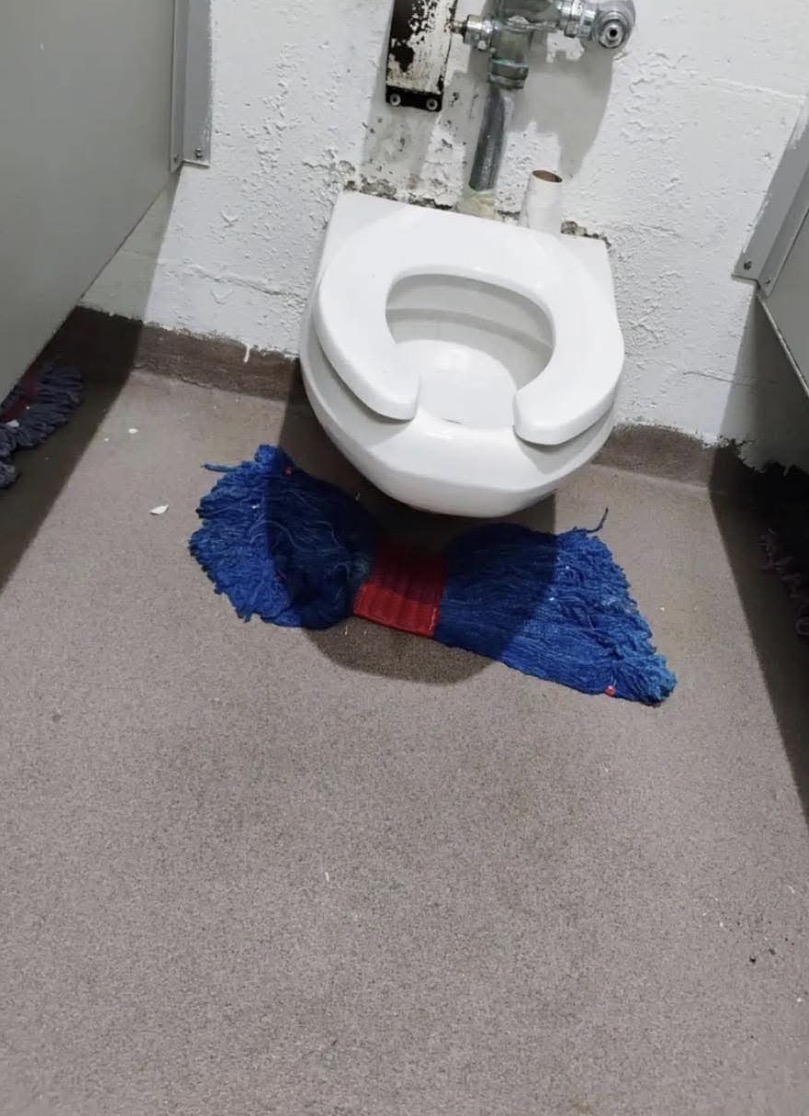
The photographs included in this reporting cycle again show substantial deterioration in areas used every day by incarcerated individuals. Missing ceiling systems expose building infrastructure above restroom and shower areas. Plumbing fixtures and surrounding structures appear badly deteriorated. Reporting describes urine, sewage, and wastewater leaking into occupied areas while mops and other temporary measures are reportedly used to manage continuing leaks. At the same time, additional reporting alleges increased population pressure and the conversion of communal spaces into sleeping areas.
What additional documentation is necessary before someone is sent to Forrest City to conduct a comprehensive, on-site assessment of these conditions?
Loved Ones Coalition respectfully urges South Central Regional BOP leadership and appropriate Bureau facilities, environmental health, and life-safety personnel to physically inspect the areas being repeatedly documented. This issue has moved beyond the point where individual photographs should simply generate individual work orders. The recurring nature and apparent scope of the conditions warrant a broader assessment of the institution’s physical plant and whether the infrastructure is capable of safely supporting the population currently housed there.
USP Lee similarly warrants direct review. Recurring lockdowns at Lee have been reported across multiple reporting periods. Families repeatedly describe cycles in which normal operations briefly resume before housing units are again restricted. This reporting period adds allegations of a substantial number of suspected drug-related medical emergencies during a prolonged period of restricted operations, continued communication disruptions, questions regarding continuity of medical treatment, and significant uncertainty among families attempting to determine whether their loved ones are safe.
If the same institution repeatedly requires lockdowns because underlying security or operational problems remain unresolved, the question should no longer be limited to why the latest lockdown occurred. The Bureau should be asking why the institution continues returning to the same operational condition and whether the current response is actually correcting the underlying problem.
USP Lee deserves a comprehensive look at the cumulative pattern—not another isolated review of another isolated lockdown.
FCI Thomson is another institution that has appeared repeatedly in Loved Ones Coalition reporting. We recognize that conditions and institutional responsiveness at Thomson have improved in important respects over time, and those improvements should be acknowledged. However, continuing reports involving infrastructure, utilities, communications, medical access, and operational interruptions demonstrate why continued oversight remains necessary.
Progress should not mean oversight ends. In facilities that have experienced repeated operational concerns, progress should be followed by sustained attention to ensure improvements continue and recurring deficiencies are permanently addressed.
FCI Pollock and FCC Yazoo City Low present additional concerns this reporting period involving extreme heat and HVAC distribution at Pollock and documented allegations involving staff conduct, administrative access, retaliation, supervisory accountability, and an alleged use-of-force incident at Yazoo City Low.
Across these institutions, the concern is increasingly not simply whether an individual complaint can be explained. It is whether recurring patterns are being recognized as recurring patterns.
Loved Ones Coalition sends these reports precisely so that information received from different housing units, different families, different reporting periods, and different institutions can be evaluated collectively. When the same facility repeatedly appears in oversight reporting for the same or related problems, that history should matter when determining the level of intervention required.
There is also positive news this reporting period.
Loved Ones Coalition is pleased to report that repair work has begun at FCI Jesup Low on longstanding roof and ceiling conditions previously documented through photographs and repeated reporting. Individuals inside the institution report that roof work has begun and drywall is now being installed in affected areas.
We sincerely appreciate FCI Jesup leadership and the staff responsible for beginning those repairs.
That progress demonstrates exactly why these reports should not be viewed as adversarial. The goal is not to criticize institutions indefinitely. The goal is to identify problems, obtain meaningful review, see conditions corrected, acknowledge the correction, and move on to the next issue requiring attention.
When the Bureau fixes something, Loved Ones Coalition will say so.
When conditions improve, we will document that improvement just as clearly as we documented the original concern.
But when the same serious conditions continue appearing week after week and report after report, we will also continue asking why.
The incarcerated individuals living inside these institutions cannot simply leave deteriorating housing units, escape excessive heat, avoid failing plumbing systems, or choose a different facility when institutional operations repeatedly break down. These are their living conditions twenty-four hours a day.
There comes a point when continued documentation must result in something more than continued documentation.
Loved Ones Coalition respectfully asks Bureau and Regional leadership to identify the recurring hot spots within these reports, send appropriate personnel to those institutions, physically inspect the conditions being repeatedly reported, determine what is preventing permanent correction, and establish measurable plans for remediation.
We appreciate the institution employees, regional personnel, and Bureau leadership who have responded to concerns and worked toward improvements.
We are asking for that same urgency at the facilities that continue showing up in these reports.
Some of these institutions have been studied, photographed, reported, and discussed enough. It is time to go look—and where the conditions are confirmed, it is time to fix them.
MID-ATLANTIC REGION
USP LEE
Recurring Lockdowns, Suspected Drug-Related Medical Emergencies, Communication Restrictions, Medical Continuity, Institutional Transparency, and Conditions of Confinement Concerns
1. Summary of Concerns
Loved Ones Coalition continues to receive reporting regarding recurring lockdowns and operational restrictions at USP Lee. Concerns regarding repeated lockdowns were documented in the August 3, 2026 Weekly Oversight Report; reporting received since that publication indicates these conditions have continued and raises additional concerns regarding suspected drug-related medical emergencies, communication access, medical continuity, institutional transparency, and the cumulative impact of prolonged restrictions on conditions of confinement.
Multiple submissions describe USP Lee as having experienced recurring periods of lockdown and modified operations throughout July and into August. One reporting party described receiving notice of a lockdown beginning July 11, followed by limited restoration of operations and subsequent renewed restrictions. Additional reporting identifies July 31 as the beginning of another prolonged lockdown period. Families describe a recurring operational cycle in which housing units are reportedly returned to modified operations or limited movement for short periods before restrictions are imposed again.
Of particular concern, Loved Ones Coalition received multiple reports alleging a significant number of suspected intoxication or overdose-related medical incidents during the most recent lockdown period. Families reported hearing from incarcerated loved ones that approximately 20 or more individuals may have experienced suspected drug-related medical emergencies, with one submission specifically identifying the K2 housing unit as an area of concern. Loved Ones Coalition has not independently verified the number, cause, or circumstances of these reported incidents.
Loved Ones Coalition also received an unverified report that an incarcerated individual may have died during this period. Because no independent confirmation has been obtained regarding the reported death or its cause, this allegation is included solely as a matter requiring clarification and should not be interpreted as a confirmed fatality or confirmed overdose death.
The circumstances described raise significant institutional security questions. If a substantial number of incarcerated individuals experienced suspected intoxication or overdose events while the institution was operating under prolonged movement restrictions, clarification is warranted regarding the substances involved, how contraband entered or circulated within the institution, what interdiction measures were implemented, and whether any systemic security vulnerabilities have been identified. Reporting parties have speculated regarding potential staff involvement in contraband introduction; however, Loved Ones Coalition has received no evidence establishing staff involvement and does not present that speculation as fact.
Communication restrictions during the lockdown have compounded family concerns. Multiple families report prolonged periods without telephone or electronic communication from incarcerated loved ones, leaving them unable to independently determine their loved ones’ safety or medical status. Several families reportedly contacted USP Lee seeking wellness checks or basic information regarding institutional conditions.
Reporting further alleges that communication access may not have been restored consistently across housing units when the institution transitioned from lockdown to modified operations. Families described some housing units apparently regaining limited telephone or electronic messaging access while others remained unable to communicate. This raises questions regarding how communication privileges are restored during modified operations and whether prolonged communication restrictions are being applied consistently and only to the extent operationally necessary.
Additional documentation raises concerns regarding institutional transparency during prolonged emergency operations. Families report receiving responses from USP Lee that they characterize as generalized or inconsistent and insufficient to explain the operational status of the institution or address specific safety concerns. One reporting party further alleged receiving comparatively faster or more detailed responses when communicating through an email account displaying professional credentials, raising questions regarding whether family inquiries are being handled consistently.
Loved Ones Coalition also received reporting concerning continuity of medical care during lockdown conditions. One submission alleges that an incarcerated individual sustained a significant finger injury requiring outside hospital treatment and that subsequent wound care within the institution did not consistently follow the treatment or dressing-change instructions reportedly provided by the outside hospital. While this represents an individual medical allegation, it raises a broader operational question regarding how follow-up medical treatment, wound care, medication, and other time-sensitive health services are maintained when routine institutional movement is substantially restricted.
Taken together, the reporting received regarding USP Lee suggests that recurring lockdowns are no longer being experienced by families as isolated emergency measures. Instead, the continuing pattern raises broader questions regarding institutional stability, contraband interdiction, emergency medical response, communication continuity, healthcare delivery during restricted operations, family notification practices, institutional transparency, and the cumulative consequences of repeated prolonged restrictions.
2. Key Concern Table
| Concern Area | Description | Potential Concern Area |
| Recurring Lockdowns | Reporting describes repeated lockdowns and transitions between lockdown and modified operations throughout July and August. | Institutional Operations |
| Suspected Drug-Related Medical Emergencies | Multiple submissions allege approximately 20 or more individuals may have experienced suspected intoxication or overdose-related medical events during the most recent period of restricted operations. | Health Services / Institutional Safety |
| Contraband Interdiction | Reports of suspected drug-related incidents during prolonged movement restrictions raise questions regarding the introduction, circulation, detection, and interdiction of contraband. | Correctional Services / Institutional Security |
| Communication Access | Families report prolonged periods without telephone or electronic communication and inconsistent restoration of communication between housing units. | Communication Access |
| Family Notification & Transparency | Families report difficulty obtaining specific, consistent information regarding institutional conditions and the safety of incarcerated loved ones. | Institutional Administration |
| Medical Continuity During Lockdown | Reporting alleges difficulty maintaining outside-hospital wound-care recommendations during restricted institutional operations. | Health Services |
| Modified Operations | Reporting suggests some housing units may regain communication or movement while others remain restricted, warranting clarification regarding criteria governing modified operations. | Institutional Operations |
| Conditions of Confinement | Repeated prolonged restrictions reportedly affect communication, movement, medical access, family contact, and psychological well-being. | Conditions of Confinement |
3. Direct Testimony
“My husband is currently incarcerated at USP Lee, which has been on lockdown since July 31.”
“Several of us are simply trying to understand the situation and make sure our loved ones are safe.”
“The information we are receiving from the prison has not been consistent or specific enough to give families a clear understanding of what is happening.”
“This facility is on constant lockdown.”
“USP Lee is consistently on lockdown.”
4. Systemic Concerns
The continued reporting regarding USP Lee raises concerns extending beyond the operational circumstances underlying any single lockdown. When considered alongside the concerns documented during the previous reporting period, the submissions describe a recurring pattern of restricted operations accompanied by reduced communication, uncertainty among families, and disruptions affecting multiple components of institutional life.
The most serious new concern involves reports of numerous suspected drug-related medical emergencies during a period of significant movement restriction. Loved Ones Coalition cannot independently verify the reported number of affected individuals or the substances involved. Nevertheless, allegations of approximately 20 or more suspected intoxication or overdose events within a restricted institutional environment warrant review. If substantiated, such a concentration of incidents would raise substantial questions regarding contraband interdiction, intelligence operations, searches, detection practices, emergency medical preparedness, and the mechanisms through which prohibited substances continue circulating within a high-security federal institution.
These allegations also illustrate why lockdowns alone cannot substitute for identifying and correcting underlying security vulnerabilities. Restricting an entire institutional population may temporarily reduce movement, but repeated lockdowns without an apparent reduction in the underlying contraband problem raise questions regarding the effectiveness and sustainability of the operational response.
Communication restrictions present an additional systemic concern. During an institutional emergency, families may reasonably be unable to receive detailed information regarding active security operations. However, prolonged inability to communicate with incarcerated loved ones, combined with reports of suspected medical emergencies and limited institutional information, creates significant uncertainty regarding individual safety. Establishing reliable mechanisms for communicating basic institutional status during extended lockdowns may reduce unnecessary fear while preserving legitimate security requirements.
Reporting concerning medical follow-up during lockdown further raises questions regarding continuity-of-care procedures. Emergency security measures should not eliminate the need for time-sensitive wound care, medication administration, chronic-care treatment, or other medically necessary services. The institution should maintain operational procedures capable of delivering essential healthcare even when routine movement is suspended.
Finally, repeated transitions between lockdown and modified operations raise broader questions regarding institutional stability. If the same underlying conditions repeatedly result in renewed restrictions shortly after limited operations resume, review may be warranted to determine whether current interventions are addressing the underlying causes or primarily managing their immediate consequences.
Taken together, the continuing reports from USP Lee warrant review of institutional lockdown practices, contraband interdiction strategies, emergency medical response, continuity of healthcare, communication restoration procedures, family information practices, and the broader operational conditions contributing to recurring restrictions.
5. Questions for Clarification
- How many days has USP Lee operated under full lockdown, modified operations, or other substantial movement restrictions since July 1, 2026?
- What circumstances led to the lockdown beginning on or around July 31, and what criteria are being used to determine when normal operations may safely resume?
- Did USP Lee experience an unusual concentration of suspected intoxication, overdose, or other drug-related medical emergencies during the most recent lockdown period? If so, approximately how many incidents occurred?
- Was any death reported during this period, and if so, has the cause and manner of death been determined?
- Have specific substances been identified in connection with the reported medical incidents, and has the institution identified how those substances entered or circulated within USP Lee?
- What additional contraband-interdiction measures have been implemented in response to the reported incidents, including searches, mail screening, staff screening, drug detection, intelligence gathering, or other security measures?
- Has the Bureau identified any systemic vulnerabilities contributing to continued access to intoxicating substances during periods when institutional movement is substantially restricted?
- What procedures govern access to telephone and electronic communication during full lockdown and modified operations, and why might communication be restored to some housing units before others?
- What mechanism is available for families who have experienced prolonged loss of contact to request and receive confirmation of an incarcerated loved one’s basic safety and well-being?
- What information is USP Lee authorized to provide families during prolonged institutional emergencies, and what procedures are used to ensure family inquiries receive consistent responses?
- What procedures ensure outside-hospital discharge instructions, wound care, medication, and other time-sensitive medical treatment continue during lockdown conditions?
- Has institution or regional leadership reviewed the frequency and cumulative duration of lockdowns at USP Lee to determine whether recurring restrictions indicate broader operational or security deficiencies?
- What corrective actions are currently underway to address the underlying conditions contributing to repeated lockdowns rather than relying upon recurring movement restrictions as the principal institutional response?
NORTH CENTRAL REGION
FCI THOMSON
Water Service Disruption, Heat-Related Conditions, Recurring Communication Outages, Lockdown Operations, and Operational Continuity Concerns
1. Summary of Concerns
Loved Ones Coalition received reporting during this reporting period regarding an alleged water-service disruption at the FCI Thomson Satellite Camp, as well as separate reporting concerning communication outages, intermittent lockdowns, and operational restrictions affecting housing units at FCI Thomson Low.
A submission concerning the satellite camp alleges that incarcerated individuals experienced a loss of running water during a period of summer heat. The reporting party specifically identified the satellite camp and stated that they could not confirm whether the water interruption also affected the Low. Accordingly, Loved Ones Coalition does not currently have sufficient information to determine the geographic scope or duration of the reported water disruption.
The timing of the alleged outage raises additional concerns. Reporting described temperatures in the 80s to 90s during the period in question. A disruption to institutional water service during elevated temperatures may affect drinking-water availability, sanitation, toilets, handwashing, showers, food-service operations, and the institution’s ability to mitigate heat-related health risks. Clarification is therefore warranted regarding the duration of the outage, the cause of the disruption, and what alternative water and sanitation measures were implemented while normal service was unavailable.
Separate reporting received regarding FCI Thomson Low indicates multiple families unexpectedly lost telephone and electronic contact with incarcerated loved ones during the reporting period. The reports span multiple housing units, including B and H, suggesting the communication interruption was not limited to a single individual or family.
Family members described communication stopping unexpectedly after morning or afternoon contact despite their loved ones ordinarily communicating daily or multiple times each day. Several families initially questioned whether the institution had entered lockdown because of the sudden simultaneous loss of communication.
Subsequent reports indicate portions of the institution were experiencing intermittent lockdowns or other movement restrictions. One family reported being told that H Unit had been placed on lockdown. Another described B Unit being locked down for several short periods, while another reported that an incarcerated loved one had briefly emerged from lockdown before being required to end a telephone call because the unit was being locked down again.
Additional reporting suggests that at least part of the communication disruption may have involved institutional systems rather than lockdown status alone. One family member reported contacting the institution and being told that “the systems are down again,” with no estimated restoration time provided.
Taken together, the reports raise questions regarding whether communication loss resulted from a combination of housing-unit restrictions and recurring institutional technology or network failures. The distinction is important because a security-related lockdown and a system-wide communications outage involve different operational causes and require different corrective responses.
The reporting also suggests the institution may not have been operating under a single institution-wide lockdown throughout the entire period. Families described different experiences depending upon housing assignment, with some incarcerated individuals briefly communicating while others remained unavailable. This pattern raises questions regarding unit-specific restrictions, institutional communication infrastructure, and how families are informed when normal communication unexpectedly stops.
Taken together, reporting received regarding FCI Thomson raises broader questions regarding utility reliability, emergency water contingency planning, heat-related operational preparedness, communication-system reliability, unit-specific lockdown practices, and continuity of essential institutional services.
2. Key Concern Table
| Concern Area | Description | Potential Concern Area |
| Water Service | Reporting alleges loss of running water at the FCI Thomson Satellite Camp during summer conditions. | Facility Infrastructure |
| Heat & Hydration | The reported water interruption occurred during temperatures described as reaching the 80s and 90s, raising questions regarding hydration and heat-mitigation procedures. | Environmental Health & Safety |
| Sanitation | Loss of water may affect toilets, handwashing, showers, cleaning, food service, and other essential sanitation functions. | Environmental Health |
| Emergency Water Planning | Reporting raises questions regarding availability of bottled or alternative potable water and contingency sanitation procedures during utility failures. | Institutional Operations |
| Communication Systems | Multiple families reported simultaneous or overlapping loss of telephone and electronic communication. | Communication Services |
| Recurring System Outages | A family member reported being advised that institutional systems were “down again,” suggesting possible recurring communication infrastructure problems. | Information Technology / Institutional Operations |
| Unit-Specific Lockdowns | Reporting indicates housing units, including B and H, experienced intermittent or repeated movement restrictions. | Correctional Services |
| Operational Continuity | Repeated movement and communication interruptions raise broader questions regarding continuity of routine institutional operations. | Institutional Operations |
3. Direct Testimony
“In the middle of summer, with no AC and now no water being in the 80’s to 90’s is extremely unsafe.”
“There’s never a day he does not message me every couple hrs so this is unusual.”
“I just called the prison and I guess the systems are down again.”
“B unit. Got a few emails yesterday. I know they got locked down for a couple of short spells.”
“Unit H did go on lockdown yesterday afternoon.”
4. Systemic Concerns
The reporting received regarding FCI Thomson raises two separate but significant questions concerning the institution’s ability to maintain essential operations during disruptions.
The reported loss of water at the satellite camp warrants particular attention because uninterrupted access to potable water and functioning sanitation infrastructure is fundamental to safe institutional operations. Even temporary interruptions can have broader consequences when occurring during periods of elevated temperatures.
If water service was unavailable during temperatures in the 80s or 90s, institutional contingency planning becomes especially important. Incarcerated individuals must retain adequate access to potable drinking water, while the institution must maintain safe sanitation, food preparation, healthcare, and hygiene operations. Clarification is therefore warranted regarding whether bottled water, water tanks, portable sanitation resources, or other contingency measures were deployed.
The separate communication reports suggest a recurring operational vulnerability involving either institutional communications infrastructure, housing-unit restrictions, or both. Multiple families independently reporting unexpected loss of contact during the same general period provides stronger indication of an institutional disruption than an isolated inability to complete a telephone call or electronic message.
The apparent recurrence is also notable. Reporting that families were advised that systems were “down again” raises questions regarding whether FCI Thomson has experienced repeated failures involving telephone, electronic messaging, network connectivity, or other communications infrastructure and, if so, whether a permanent corrective solution has been identified.
Reports of short, repeated lockdowns further raise questions regarding operational continuity. Temporary unit-specific restrictions may be necessary in response to security incidents or other operational needs. However, repeated transitions into and out of lockdown can affect communication, programming, recreation, work assignments, medical movement, and other routine institutional functions.
The overlap between lockdowns and technological disruptions also creates uncertainty for families. When communication abruptly stops across multiple housing units, families may have no way to determine whether their loved ones are subject to a security restriction, experiencing a technological outage, or facing another institutional emergency.
Taken together, these reports warrant review of FCI Thomson’s utility infrastructure, emergency water procedures, heat-mitigation planning, communication technology, contingency communication procedures, unit-specific lockdown practices, and institutional mechanisms for maintaining essential services during operational disruptions.
5. Questions for Clarification
- Did the FCI Thomson Satellite Camp experience a complete or partial water-service interruption during the current reporting period?
- If so, what caused the interruption, when did it begin, how long did it last, and was the Low also affected?
- What alternative potable-water resources were provided to incarcerated individuals during the reported outage?
- How were toilets, handwashing, showers, food preparation, medical operations, and other sanitation needs maintained while normal water service was unavailable?
- What heat-mitigation measures were implemented during the water interruption given the reported elevated outdoor temperatures?
- Has the institution experienced previous water-service interruptions, and are infrastructure repairs or improvements planned to reduce future disruptions?
- What caused the recent interruption to telephone and/or electronic messaging services reported by multiple families?
- Was the communication disruption institution-wide, or were particular housing units or services affected?
- Why were families reportedly advised that institutional systems were “down again,” and has FCI Thomson experienced recurring communication-system failures?
- What repairs or infrastructure improvements are being undertaken to reduce repeated communication outages?
- Which housing units were placed under lockdown or other movement restrictions during the reporting period, and what circumstances prompted those restrictions?
- Were the communication interruption and housing-unit lockdowns related, or did they represent separate operational events?
- What contingency communication opportunities are available when institutional telephone or electronic messaging systems remain unavailable for extended periods?
- What procedures are in place to ensure essential medical care, hydration, sanitation, communication, and other critical services continue during simultaneous utility or operational disruptions?
SOUTH CENTRAL REGION
FCI POLLOCK
Environmental Health, HVAC Distribution, Extreme Heat, and Conditions of Confinement Concerns



1. Summary of Concerns
Loved Ones Coalition received multiple reports during this reporting period regarding extreme heat, inadequate airflow, HVAC distribution, and conditions of confinement within housing units at FCI Pollock.
According to the reporting received, incarcerated individuals in multiple housing units report that air conditioning may be functioning within common areas of the units while cooled air is not adequately reaching individual cells. Initial reporting identified E3, where families state that the unit itself receives air conditioning but individual cells remain extremely hot.
Additional reporting indicates the concern extends beyond E3. Reporting from D3 states that some cells receive airflow while other cells reportedly receive little or none. Loved Ones Coalition also received reporting concerning E2, where incarcerated individuals have reportedly complained about excessive temperatures inside their cells.
The consistency of reporting across E2, E3, and D3 raises questions regarding whether the issue involves HVAC distribution or ventilation within individual cells rather than a complete loss of air conditioning within the affected housing units.
Reporting parties further state that during periods of particularly high outdoor temperatures, incarcerated individuals may be restricted from outdoor recreation because of heat conditions. Families expressed concern that individuals may then remain inside cells where cooled airflow is reportedly inadequate.
Taken together, the reporting received regarding FCI Pollock raises broader questions regarding environmental health, HVAC distribution, heat mitigation, institutional maintenance, and the Bureau’s ability to maintain safe and habitable temperatures within occupied cells during periods of extreme summer heat.
2. Key Concern Table
| Concern Area | Description | Potential Concern Area |
| HVAC Distribution | Reporting alleges cooled air is available in portions of housing units but does not consistently reach individual cells. | Facility Infrastructure |
| Extreme Heat | Incarcerated individuals reportedly experience excessive heat inside cells during summer conditions. | Environmental Health |
| Housing Unit Conditions | Reports involving E2, E3, and D3 indicate the concern may affect multiple housing units. | Conditions of Confinement |
| Airflow | Reporting indicates some cells receive airflow while others receive little or none. | Facility Maintenance |
| Heat Mitigation | Outdoor activity may reportedly be restricted because of excessive heat while affected individuals remain housed in hot cells. | Environmental Health & Safety |
3. Direct Testimony
“E3 has no AC in the cells.”
“The AC on the unit works just not in the cells.”
“D3 is bad for that. Some cells have air flow some cells have none.”
“My husband is on E2 and he’s been complaining about how HOT his cell is.”
4. Systemic Concerns
The reporting received regarding FCI Pollock raises concerns extending beyond the temperature of an individual cell and instead presents broader questions regarding HVAC distribution, environmental health, facility maintenance, and heat-mitigation practices.
Reports involving multiple housing units suggest that cooled air may not be distributed consistently throughout occupied cells even where common areas receive air conditioning. This distinction is important because temperatures measured within hallways, dayrooms, or other common spaces may not accurately reflect conditions inside individual cells where incarcerated individuals spend substantial portions of the day.
The reporting also raises questions regarding institutional response during periods of extreme outdoor heat. If outdoor recreation or movement is restricted because temperatures are considered unsafe, adequate indoor cooling and airflow become especially important.
Taken together, the reporting regarding E2, E3, and D3 raises broader questions regarding the condition and effectiveness of HVAC infrastructure, whether actual cell temperatures and airflow are being monitored, and whether temporary heat-mitigation measures are available while maintenance issues are addressed.
5. Questions for Clarification
- Have Facilities or Environmental Health staff evaluated temperatures and airflow inside occupied cells in E2, E3, and D3?
- Is the HVAC system currently functioning as designed within the affected housing units?
- What factors may explain reports that common areas receive cooled air while some individual cells receive little or no airflow?
- Are temperatures routinely measured inside individual occupied cells during periods of extreme heat?
- Have maintenance work orders been submitted regarding airflow or HVAC concerns in E2, E3, or D3, and what is their current status?
- What heat-mitigation measures are available to incarcerated individuals whose cells experience inadequate cooling or airflow?
- When outdoor recreation is restricted because of excessive temperatures, what measures are taken to ensure indoor housing areas remain sufficiently cooled and ventilated?
SOUTH CENTRAL REGION
FCC FORREST CITY
Institutional Infrastructure, Plumbing and Wastewater, Sanitation, Overcrowding, Fire and Life Safety, and Conditions of Confinement Concerns


1. Summary of Concerns
Loved Ones Coalition received multiple reports and extensive photographic documentation during this reporting period regarding deteriorating physical infrastructure, plumbing and wastewater failures, sanitation, overcrowding, fire and life-safety concerns, and overall conditions of confinement at FCC Forrest City.
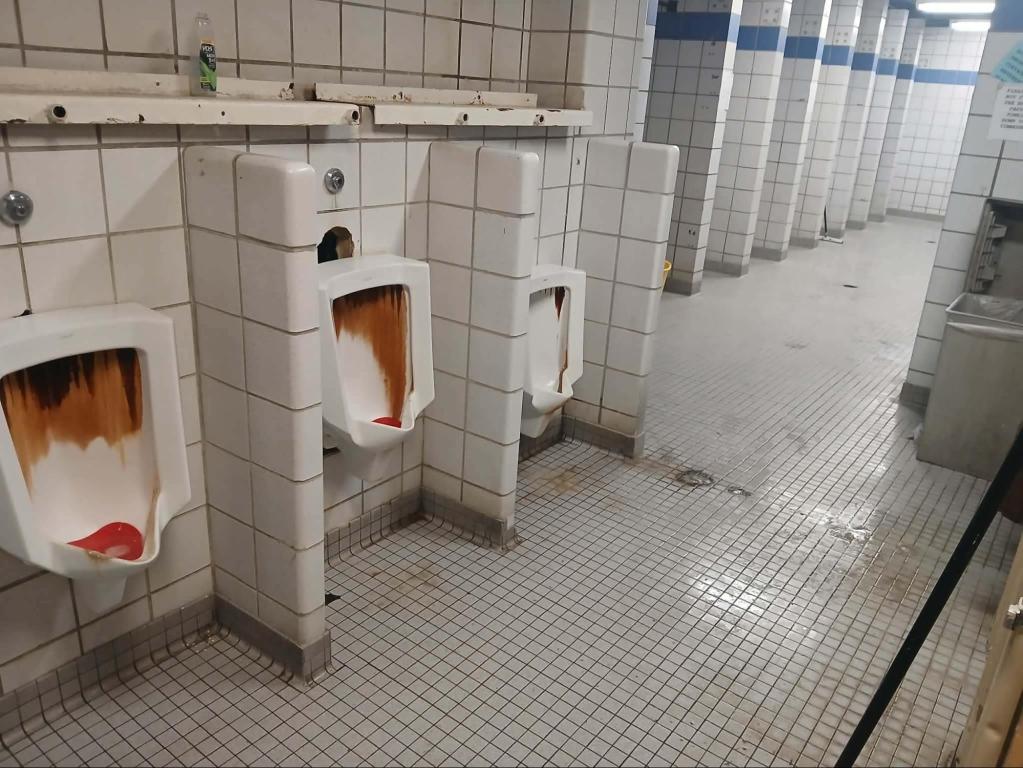
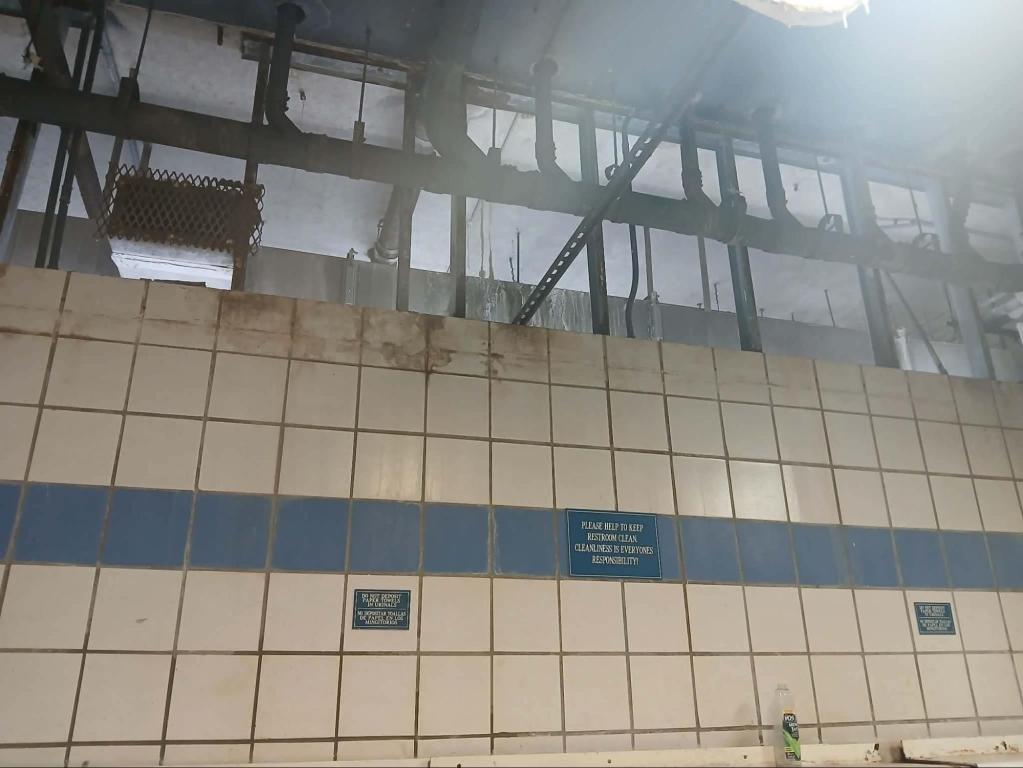
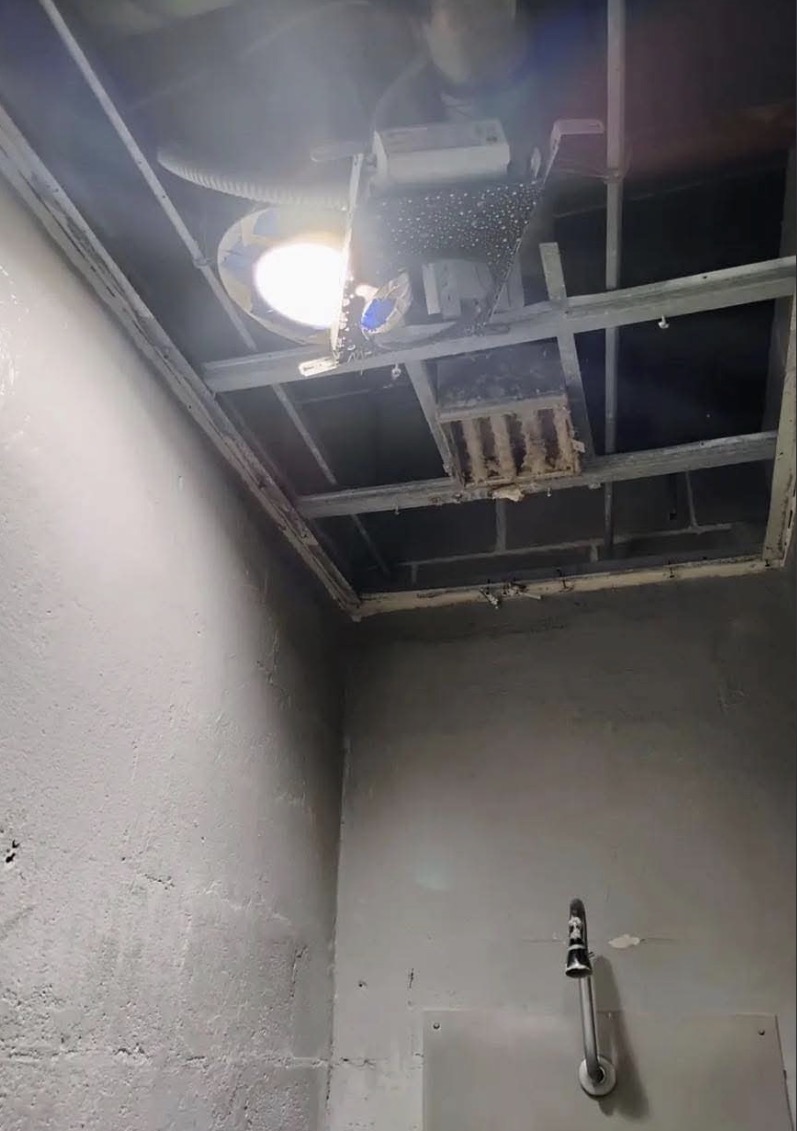
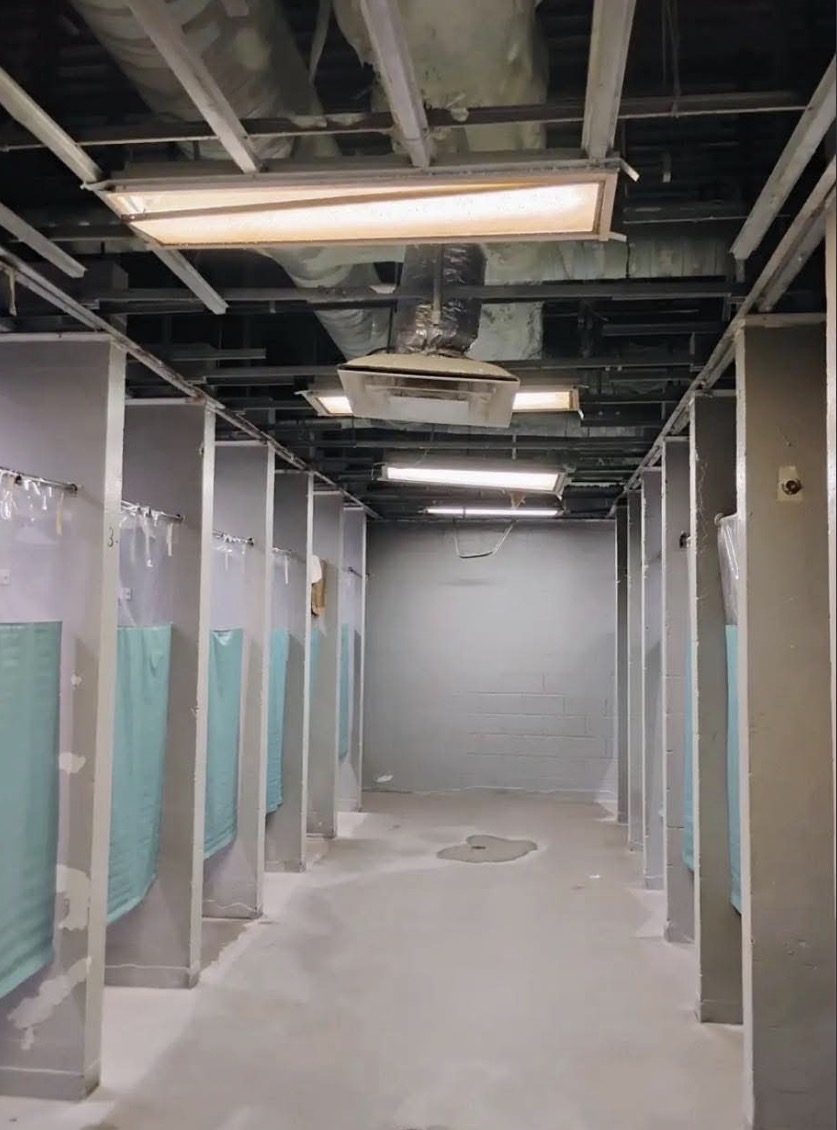
Photographs submitted to Loved Ones Coalition document significant deterioration within restroom and shower areas. Multiple images depict large portions of ceiling material removed or absent, leaving pipes, ductwork, lighting fixtures, wiring, framing, ventilation components, and other building infrastructure visibly exposed above areas routinely used by incarcerated individuals.
Several photographs show exposed overhead infrastructure directly above or immediately adjacent to showers and restroom areas. Lighting fixtures and mechanical components are visible within open ceiling systems, including areas where substantial moisture and water exposure would ordinarily be expected. While the photographs alone cannot establish whether exposed electrical components are energized or whether an immediate electrical hazard exists, the proximity of exposed infrastructure to wet areas raises questions regarding electrical safety, moisture protection, preventative maintenance, and whether the affected areas have been inspected and cleared for continued use.
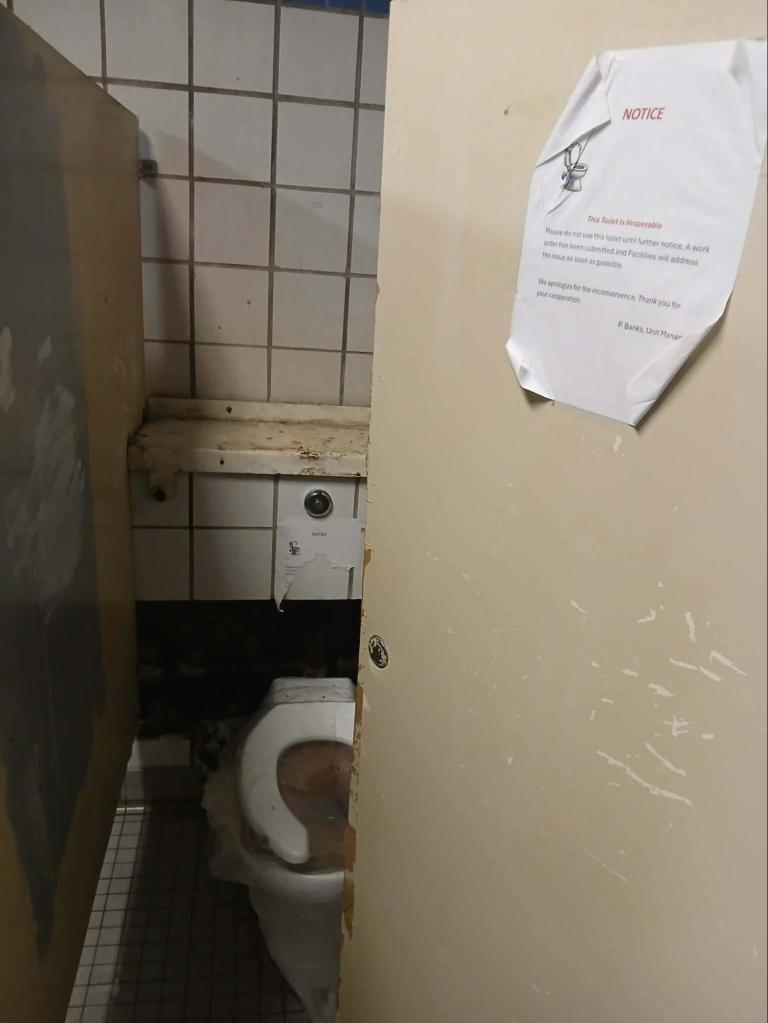
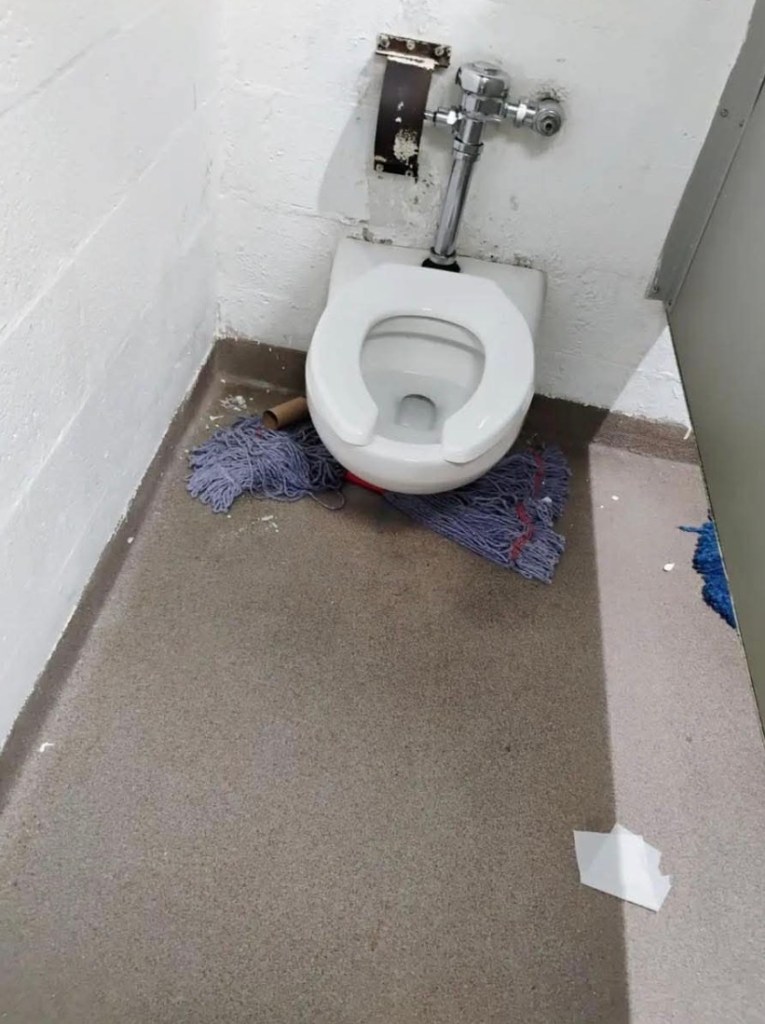
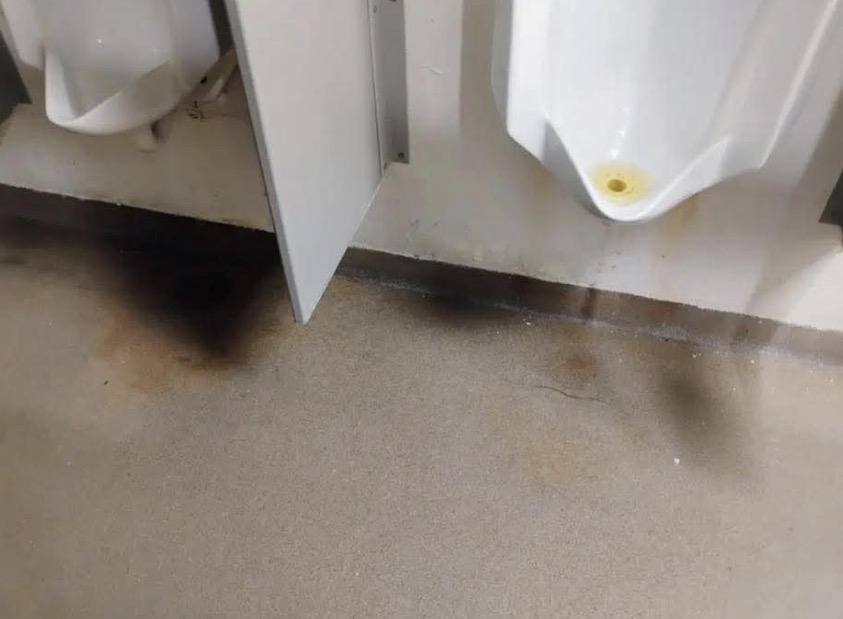
Additional photographs document substantial deterioration involving restroom fixtures and surrounding building materials. Images depict heavily stained urinals, damaged or incomplete wall areas surrounding plumbing systems, discolored flooring, apparent moisture accumulation, deteriorated fixtures, and mops positioned beneath or immediately adjacent to toilets and other plumbing infrastructure.
Reporting received by Loved Ones Coalition alleges ongoing plumbing failures involving toilets and wastewater systems. Incarcerated individuals report urine, sewage, and other wastewater leaking onto restroom floors and, in some areas, entering occupied spaces from plumbing or restroom infrastructure above. Reports further indicate that mops are being placed beneath leaking fixtures or used to manage wastewater accumulation while the underlying plumbing problems remain unresolved.
The consistency between the photographic documentation and reporting raises broader questions regarding the condition of plumbing and wastewater infrastructure within portions of FCC Forrest City. Persistent leakage involving human waste may create sanitation concerns, contamination of surrounding surfaces, slip hazards, odor, pest attraction, and continued deterioration of building materials if not promptly and permanently corrected.
Loved Ones Coalition also received multiple reports regarding overcrowding and the conversion of institutional spaces to accommodate additional beds. Reporting alleges activity rooms, television rooms, and other areas traditionally used for communal activities are being converted into sleeping areas because of population pressures.
Reporting further alleges beds have been placed in or near doorways and other areas that may interfere with established paths of movement. If confirmed, such placement raises questions regarding emergency evacuation, fire safety, staff access, emergency medical response, and whether converted sleeping areas comply with applicable occupancy and life-safety requirements.
The reported overcrowding is particularly concerning when considered alongside the documented infrastructure conditions. Increased population density places additional demand on toilets, showers, wastewater systems, hot-water infrastructure, electrical systems, ventilation, sanitation services, and other institutional resources. Where portions of those systems are already experiencing significant deterioration or recurring failure, increased population pressure may further affect the institution’s ability to maintain safe and sanitary living conditions.
Taken together, the reporting and photographic documentation received regarding FCC Forrest City raise broader questions regarding deferred maintenance, plumbing and wastewater management, sanitation, electrical and mechanical safety, population management, emergency egress, fire and life-safety compliance, and whether the current physical infrastructure is sufficient to safely support the population housed within the complex.
2. Key Concern Table
| Concern Area | Description | Potential Concern Area |
| Institutional Infrastructure | Photographs depict substantial portions of ceiling material removed or absent, exposing pipes, ductwork, wiring, lighting fixtures, framing, ventilation components, and other building infrastructure. | Facility Infrastructure |
| Plumbing Failures | Reporting alleges recurring failures involving toilets and other plumbing systems within restroom areas. | Facilities / Plumbing |
| Wastewater Intrusion | Incarcerated individuals report urine, sewage, and wastewater leaking onto floors and, in some areas, entering occupied spaces from plumbing or restroom infrastructure above. | Environmental Health |
| Sanitation | Photographs and reporting raise concerns regarding wastewater accumulation, staining, deteriorated restroom fixtures, and the use of mops to manage ongoing leaks. | Environmental Health & Safety |
| Electrical and Moisture Exposure | Exposed lighting, wiring, and other infrastructure are visible within or adjacent to shower and restroom areas where moisture is routinely present. | Electrical / Life Safety |
| Deferred Maintenance | The scope of visible deterioration raises questions regarding whether temporary repairs or individual work orders are adequately addressing underlying infrastructure failures. | Facility Maintenance |
| Overcrowding | Reporting alleges activity rooms, television rooms, and other communal areas are being converted into sleeping areas to accommodate additional beds. | Population Management |
| Emergency Egress | Reports allege beds have been placed in or near doorways, potentially affecting emergency evacuation and staff access. | Fire / Life Safety |
| Conditions of Confinement | Combined infrastructure deterioration, sanitation concerns, wastewater exposure, and population pressures reportedly affect daily living conditions. | Conditions of Confinement |
3. Direct Testimony
“They have overcrowded [the facility], now taking activity and TV rooms to place beds, even blocking doorways with beds, creating a clear fire and safety hazard.”
“I have a number of clients there and they all tell us the same things, so we know it’s not an isolated instance.”
“If you look at the photos you see electrical and lighting fixtures and wiring hanging down and in areas where the showers are and water.”
“The mops under the toilets are from the toilets leaking urine and waste onto the floors.”
“Months without hot water.”
“Wastewater [is] dripping from the floor above.”
4. Systemic Concerns
The reporting and photographic documentation received regarding FCC Forrest City raise concerns extending beyond isolated maintenance requests and instead present broader questions regarding the condition of institutional infrastructure, plumbing and wastewater systems, sanitation, population management, and fire and life-safety practices.
The photographs are particularly significant because they visually document widespread deterioration across multiple restroom and shower areas. Large sections of ceiling material appear absent, exposing mechanical, electrical, ventilation, and other infrastructure. These conditions raise questions regarding the duration and scope of ongoing repairs, whether affected areas remain in active use while repairs are incomplete, and whether exposed building systems have been evaluated for safety.
The presence of exposed infrastructure within wet areas warrants additional review. Shower and restroom environments routinely involve moisture, condensation, and direct water exposure. While the submitted photographs cannot independently establish that exposed electrical equipment presents an immediate hazard, visible lighting fixtures, wiring, and other infrastructure within these environments warrant evaluation to ensure that electrical systems are adequately protected and that the affected spaces remain appropriate for continued occupancy.
Reporting regarding plumbing and wastewater conditions raises a separate and substantial environmental health concern. Reports alleging that toilets and wastewater systems are leaking urine, sewage, or other wastewater onto restroom floors or into areas below raise questions regarding plumbing integrity, wastewater containment, sanitation protocols, and the timeliness of permanent repairs.
The reported use of mops beneath leaking toilets and other fixtures is also concerning. If mops or similar temporary measures are routinely being used to contain wastewater, this may indicate that underlying plumbing failures are being managed operationally rather than permanently remediated. Persistent wastewater exposure may affect flooring, walls, ceilings, fixtures, ventilation systems, and surrounding building materials while creating potential sanitation and slip hazards for incarcerated individuals and staff.
The documented condition of urinals, toilets, and surrounding restroom infrastructure further suggests that the concerns may involve broader physical-plant deterioration rather than a single failed fixture. The images show staining, damaged building materials, missing sections of wall or ceiling systems, and deterioration extending beyond the immediate plumbing fixtures.
The reporting regarding overcrowding raises additional systemic concerns. Activity rooms, television rooms, and other communal areas reportedly being converted into sleeping spaces may reduce access to recreation and communal programming while increasing population density within areas not originally intended for housing.
More significantly, allegations that beds have been placed in or near doorways raise questions regarding emergency evacuation and life-safety compliance. Housing configurations should preserve unobstructed routes for evacuation and emergency response. Placement of beds or other obstacles within required paths of movement could complicate response during a fire, medical emergency, institutional disturbance, or other urgent event.
Population density and infrastructure deterioration should also be evaluated together. Additional beds and increased occupancy place greater demand on already heavily utilized plumbing, wastewater, showers, toilets, ventilation, electrical infrastructure, sanitation systems, and other utilities. If those systems are already experiencing repeated failures or significant deterioration, increased population pressure may contribute to continued breakdowns and reduce the effectiveness of routine maintenance responses.
The current reporting therefore raises broader questions regarding whether individual work orders and temporary repairs remain sufficient to address the physical condition of portions of FCC Forrest City. The extent of visible deterioration and the consistency of reports involving plumbing, wastewater, sanitation, and overcrowding may warrant a broader facilities assessment to determine whether significant sections of the institution require comprehensive repair or infrastructure rehabilitation.
Taken together, the reporting received regarding FCC Forrest City raises broader questions regarding preventative maintenance, plumbing and wastewater infrastructure, environmental health, electrical and mechanical safety, population management, fire and life-safety compliance, emergency egress, and the Bureau’s ability to maintain safe, sanitary, and functional living conditions while accommodating the current institutional population.
5. Questions for Clarification
- Which buildings, housing units, restroom areas, and shower facilities at FCC Forrest City currently have ceiling systems removed or otherwise exposing building infrastructure?
- Are the areas depicted in the submitted photographs currently occupied or otherwise accessible to incarcerated individuals?
- What circumstances resulted in the removal or deterioration of the ceiling systems shown in the photographs, and how long have the affected areas remained in their current condition?
- Are the affected areas part of an active facilities-repair or renovation project, and if so, what is the anticipated timeline for completion?
- Have qualified Facilities, electrical, Environmental Health, or Safety personnel inspected the exposed wiring, lighting fixtures, mechanical systems, ventilation components, and other infrastructure visible within the restroom and shower areas?
- What measures are being used to protect exposed electrical and mechanical systems from moisture within restroom and shower environments?
- Are toilets, wastewater lines, or other plumbing systems currently leaking urine, sewage, wastewater, or other liquids into occupied restroom or housing areas?
- Has institution leadership received reports of wastewater or sewage entering occupied areas from plumbing systems or restroom areas located above?
- What permanent corrective actions have been implemented or scheduled to address the reported plumbing and wastewater failures?
- Are mops, containers, or other temporary measures currently being used beneath toilets or plumbing fixtures to collect recurring leakage?
- If temporary containment measures are being used, how long have those measures remained necessary and what is the timeline for permanent repair?
- Have the affected areas been evaluated for sanitation concerns associated with wastewater exposure, including contamination of floors, walls, ceilings, and other building materials?
- Are activity rooms, television rooms, recreation spaces, or other areas not originally intended for housing currently being used to accommodate beds or sleeping assignments?
- If communal spaces have been converted to sleeping areas, what review was conducted to determine whether those areas meet appropriate occupancy, ventilation, sanitation, electrical, and fire-safety requirements?
- Have beds been placed within or immediately adjacent to doorways, corridors, evacuation routes, or other required paths of emergency egress?
- Have recent fire and life-safety inspections evaluated the placement of additional beds and the conversion of communal spaces into sleeping areas?
- What is the rated capacity and current population of the affected institution or institutions within FCC Forrest City?
- Has increased population density placed additional strain on toilets, showers, hot-water systems, wastewater infrastructure, ventilation, electrical systems, sanitation services, or other facility resources?
- Has South Central Regional leadership conducted or requested a comprehensive facilities assessment addressing the scope of infrastructure deterioration documented within FCC Forrest City?
- What corrective measures are currently planned or underway to address the combined concerns involving plumbing failures, wastewater intrusion, sanitation, exposed infrastructure, overcrowding, and emergency egress?
SOUTHEAST REGION
FCC YAZOO CITY LOW
Staff Conduct, Alleged Retaliation, Use of Force, Administrative Remedy Access, and Institutional Accountability Concerns
1. Summary of Concerns
Loved Ones Coalition received extensive documentation during this reporting period raising concerns regarding staff conduct, alleged retaliation, use of force, access to administrative remedies, and institutional accountability at FCC Yazoo City Low.
The documentation repeatedly identifies several staff members in connection with allegations involving interference with administrative processes, failure to respond to reported concerns, retaliatory or intimidating conduct, and inadequate supervisory intervention. Staff identified within the materials include Associate Warden Turner, Case Manager Campbell, Case Manager Williamson, CMC Anderson, Unit Manager Wiggins, and Counselor Jefferson. Additional personnel are referenced within individual documents; however, the individuals above appear within the submitted materials in connection with the recurring concerns being presented for institutional review.
A significant portion of the documentation raises concerns regarding incarcerated individuals’ ability to utilize established administrative and legal processes. Submitted records describe repeated efforts to obtain staff assistance, documentation, signatures, copies, and processing of administrative remedies. The materials allege that requests were delayed, refused, left unanswered, or otherwise not processed as expected. Documentation further reflects efforts to escalate concerns beyond the institution after attempts at resolution through local channels were reportedly unsuccessful.
The reporting specifically identifies Case Manager Campbell in allegations concerning the processing of administrative requests and documents. Submitted materials allege that Campbell refused or failed to process requested materials despite repeated attempts to obtain assistance. CMC Anderson, Unit Manager Wiggins, Case Manager Williamson, and Associate Warden Turner are also identified within documentation concerning alleged failures to address or correct problems after concerns were raised or escalated.
Separate documentation raises a more serious concern involving Counselor Jefferson. A written complaint alleges that Jefferson engaged in an escalating verbal confrontation with an incarcerated individual and subsequently grabbed the individual by the body and slammed him against a wall while directing him toward the lieutenant’s office. The complaint characterizes the incident as excessive force and alleges that other individuals were present during portions of the encounter. The submitted documentation further requests preservation and review of institutional video footage. Loved Ones Coalition has not independently verified the physical-force allegation; however, the specificity of the written complaint and reported existence of potential witnesses and video evidence warrant institutional review.
The Jefferson documentation also alleges hostile and intimidating behavior preceding the physical encounter, including raised or aggressive communication and continued pursuit of the individual after he attempted to disengage from the interaction. The materials raise additional questions regarding whether the alleged incident was completely and accurately documented through required institutional reporting procedures.
Additional documentation describes broader fears of retaliation after complaints involving staff conduct. Reporting alleges incarcerated individuals may face increased scrutiny, adverse treatment, disciplinary consequences, housing-related repercussions, or other negative consequences after reporting staff behavior or challenging institutional decisions.
Loved Ones Coalition recognizes that allegations against individual employees require appropriate investigation and that submitted documentation represents the accounts and records available to the organization rather than independent findings of misconduct. Nevertheless, the recurrence of several staff names across submitted complaints and escalation efforts warrants review beyond any single incarcerated individual’s dispute.
Taken together, the reporting received regarding FCC Yazoo City Low raises broader questions regarding professional staff conduct, use-of-force reporting, retaliation protections, administrative remedy accessibility, supervisory responsibility, preservation and review of video evidence, complaint tracking, and whether institution leadership is adequately identifying recurring allegations involving the same personnel.
2. Key Concern Table
| Concern Area | Description | Potential Concern Area |
| Staff Conduct | Documentation identifies Turner, Campbell, Williamson, Anderson, Wiggins, and Jefferson within recurring allegations concerning staff conduct, institutional response, or supervisory accountability. | Professional Standards / Institution Administration |
| Alleged Use of Force | A submitted complaint alleges Counselor Jefferson grabbed an incarcerated individual and slammed him against a wall following a verbal confrontation. | Correctional Services / Use of Force |
| Incident Documentation | Documentation questions whether the alleged Jefferson incident was completely and accurately documented and requests review of available video evidence. | Use-of-Force Reporting / Accountability |
| Administrative Remedy Access | Submitted records allege repeated difficulties obtaining assistance, documentation, signatures, copies, and processing necessary to pursue administrative remedies and other requests. | Administrative Remedy Program |
| Staff Response | Campbell, Anderson, Wiggins, Williamson, and Turner are identified within submitted materials concerning alleged failures to process, address, escalate, or correct reported concerns. | Unit Management / Institution Administration |
| Retaliation | Reporting describes fear of adverse consequences following complaints regarding staff conduct or attempts to pursue administrative remedies. | Professional Conduct / Retaliation Safeguards |
| Supervisory Oversight | Recurring allegations involving identifiable personnel raise questions regarding whether complaints are being reviewed collectively for potential patterns. | Institution Administration |
| Evidence Preservation | Submitted complaints specifically identify potential witnesses and institutional video evidence relevant to allegations of staff misconduct. | Investigative Accountability |
3. Direct Testimony
Submitted documentation concerning administrative remedy access states that requests for assistance and processing were repeatedly made and allegedly refused or left unresolved.
One submission concerning institutional accountability describes continued attempts to pursue concerns through administrative channels while alleging that responsible staff failed to address the underlying complaint.
Documentation concerning Counselor Jefferson alleges that after an escalating interaction, Jefferson “grabbed my body, and slammed me against the wall.”
The same documentation requests review of institutional video footage and identifies individuals alleged to have witnessed portions of the incident.
Additional submitted materials describe fear of retaliation and concern that reporting staff behavior may itself result in additional adverse treatment.
4. Systemic Concerns
The significance of the reporting received regarding FCC Yazoo City Low is not limited to whether any single allegation ultimately proves substantiated. The documentation raises a broader institutional question: what happens when the same employees or members of the same supervisory structure are repeatedly identified in complaints concerning access to remedies, retaliation, staff conduct, or failures to intervene?
The repeated identification of Turner, Campbell, Williamson, Anderson, Wiggins, and Jefferson warrants review of the underlying complaints collectively rather than exclusively as unrelated individual matters. A complaint-tracking system should allow institution leadership to determine whether multiple allegations involving particular personnel reveal a pattern requiring supervisory intervention, additional training, investigation, or corrective action.
The allegations involving Jefferson warrant particular attention because they include an allegation of physical force, potential witnesses, and reportedly available institutional video evidence. Those circumstances create an opportunity for objective review rather than requiring institutional leadership to rely solely upon competing accounts of the encounter.
The administrative-remedy concerns are similarly significant. Administrative remedies are intended to provide an established mechanism through which incarcerated individuals can raise institutional concerns. Allegations that staff responsible for facilitating or responding to that process are themselves obstructing, delaying, or refusing necessary steps undermine the effectiveness of the process and may prevent institution leadership from learning about problems requiring intervention.
The combination of alleged administrative obstruction, fear of retaliation, recurring staff names, and an allegation of physical force therefore raises broader concerns regarding the effectiveness of internal accountability mechanisms at FCC Yazoo City Low.
5. Questions for Clarification
- Has FCC Yazoo City Low leadership reviewed complaints involving Associate Warden Turner, Case Manager Campbell, Case Manager Williamson, CMC Anderson, Unit Manager Wiggins, and Counselor Jefferson to determine whether recurring allegations or patterns exist?
- Has the allegation that Counselor Jefferson physically grabbed an incarcerated individual and slammed him against a wall been formally reviewed, and was the incident documented pursuant to applicable Bureau use-of-force and incident-reporting requirements?
- Was institutional video footage associated with the alleged Jefferson incident preserved and reviewed, and were identified witnesses interviewed?
- What procedures are used at FCC Yazoo City Low to ensure allegations involving staff use of force are documented accurately and independently reviewed?
- Has institution leadership reviewed allegations that staff members, including personnel responsible for unit management, have refused, delayed, or interfered with administrative remedy documents, requests, copies, or other materials necessary for incarcerated individuals to pursue established administrative processes?
- What procedures are used to identify situations in which the same staff members are repeatedly named across separate complaints, administrative remedies, or allegations of misconduct?
- What safeguards protect incarcerated individuals from retaliation after filing administrative remedies, reporting alleged staff misconduct, requesting preservation of evidence, or communicating concerns to outside oversight entities?
- What mechanisms are available when an incarcerated individual alleges that the staff members responsible for facilitating the normal complaint process are themselves involved in the underlying complaint?
- Have executive staff conducted any broader review of the allegations involving Turner, Campbell, Williamson, Anderson, Wiggins, and Jefferson, and if so, what corrective or supervisory measures were determined to be appropriate?
- What quality-assurance measures are currently in place at FCC Yazoo City Low to ensure staff-conduct complaints, use-of-force allegations, administrative remedies, and retaliation concerns are tracked and reviewed for recurring institutional patterns rather than treated exclusively as isolated incidents?
FCI JESUP LOW — FOLLOW-UP / UPDATE
Roof & Infrastructure Repairs
Loved Ones Coalition previously reported longstanding roof and ceiling deterioration at FCI Jesup Low. Photographs provided to the organization documented the extent of the conditions, including large sections of missing or damaged ceiling, exposed ductwork and framing, water intrusion, and plastic sheeting being used beneath affected areas.
We are happy to report that repair work has now begun. Individuals at the facility report that crews have started working on the roof and that drywall installation has begun inside the affected areas.
This is a positive development on conditions that individuals inside report have existed for years. Loved Ones Coalition appreciates FCI Jesup leadership and staff for moving forward with the repairs and beginning to address these longstanding infrastructure concerns.
Loved Ones Coalition will continue monitoring the repairs through completion and will provide additional updates as progress is reported.