Weekly Oversight Report – May 4, 2026
Loved Ones Coalition
Documenting Systemic Concerns Across the Federal Bureau of Prisons
May 4, 2026
The reporting received this week raises serious and repeated concerns that go beyond isolated incidents and point toward ongoing failures in facility conditions, operational oversight, and institutional accountability across multiple Bureau of Prisons facilities.
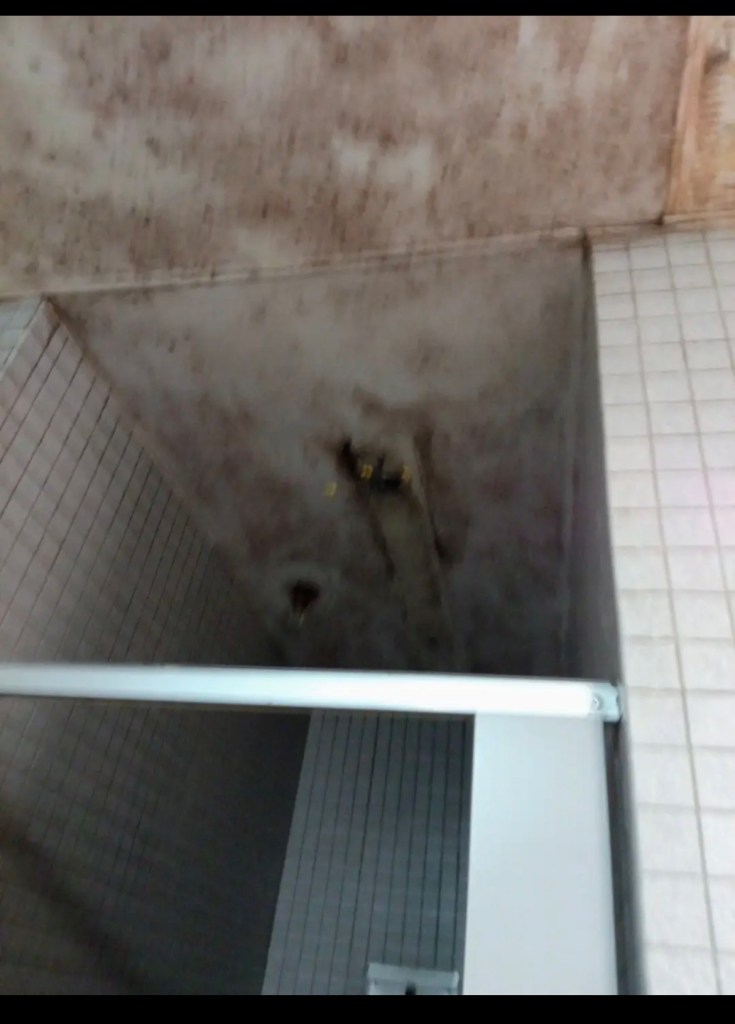
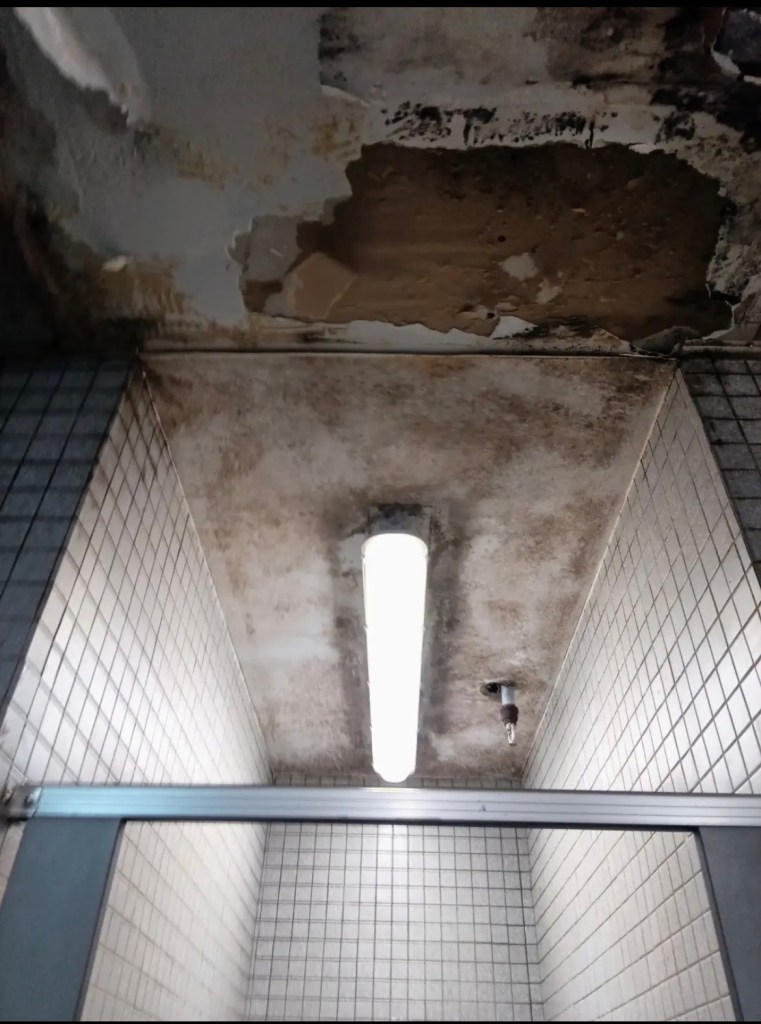
Photographic evidence and corroborated testimony continue to document environmental conditions that include visible mold, structural deterioration, active water intrusion, and infrastructure failure in areas actively used by incarcerated individuals. These are not minor maintenance issues — they reflect conditions that raise legitimate questions about safety, habitability, and compliance with basic standards.
At the same time, reporting continues to surface concerns regarding staff conduct, inconsistent enforcement of policy, and interactions that may fall outside expected professional boundaries.
Taken together, the consistency of these reports raises a broader question:
What corrective action is actually being taken, and where are the measurable results?
If facilities are continuing to present with the same conditions — despite oversight, inspections, and allocated resources — it is reasonable to ask:
- What funding has been directed toward these issues?
- What repairs or remediation efforts have been completed?
- At what point are conditions deemed unacceptable for continued housing?
- What criteria determine when individuals should be relocated to safer environments?
This report is not intended to restate concerns — it is intended to document ongoing conditions and prompt clarity regarding action, accountability, and outcomes.
SOUTHEAST REGION
FCI Edgefield (SC)
Unsafe Living Conditions, Staff Misconduct, and Repeated Inappropriate Staff Interactions





1. Summary of Allegations
The Loved Ones Coalition has received multiple corroborating reports, supported by photographic evidence and direct testimony, regarding unsafe living conditions and serious staff misconduct at FCI Edgefield.
Submitted images depict extensive mold growth, water damage, exposed ceilings, structural decay, and active leaks in areas used by incarcerated individuals. These conditions raise ongoing concerns regarding health risks, sanitation failures, and infrastructure neglect.
In addition to environmental concerns, reports identify ongoing staff misconduct during visitation, including unequal treatment of visitors, denial of access to items, and inconsistent enforcement of rules.
A staff member assigned to visitation operations is repeatedly referenced in connection with preferential and inconsistent treatment, including denying access to recreational items (games) to one family while providing them to another under similar circumstances.
Further reporting identifies a correctional officer who has been repeatedly reported by multiple individuals for engaging in inappropriate, non-professional conversations with incarcerated individuals.
According to detailed testimony, these interactions involve the officer speaking extensively about personal matters, including:
- Allegations that his wife is cheating on him
- Statements that he hired a private investigator to follow her
- Claims that she is attempting to leave him and give up custody of their child
- Ongoing discussion of personal relationship issues and emotional distress
Reporting indicates that these conversations are unsolicited, prolonged, and unrelated to any official duty, with the officer allegedly speaking openly and in detail as though confiding in or using incarcerated individuals as emotional support.
The Loved Ones Coalition has received additional verbal reports describing similar behavior, indicating this may not be an isolated incident but part of a pattern of repeated boundary violations.
The totality of reporting suggests environmental neglect, inconsistent staff conduct, and repeated inappropriate interactions between staff and incarcerated individuals, raising serious concerns regarding professional standards and institutional oversight.
2. Key Allegation & Violation Table
| Allegation | Description | Potential Concern Area |
| Unsafe living conditions | Mold, leaks, exposed ceilings, structural deterioration | Environmental Health & Safety |
| Mold exposure | Visible and widespread mold in living areas | Public Health Risk |
| Structural damage | Ceiling exposure and water intrusion | Facility Maintenance |
| Staff misconduct (visitation staff) | Unequal treatment during visitation | Staff Conduct |
| Denial of access | Visitor denied games while others received them | Visitation Equity |
| Inconsistent enforcement | Different treatment under same conditions | Oversight Concern |
| Staff member (identity withheld) | Officer described in repeated reports | Accountability |
| Inappropriate conversations | Personal, non-professional discussions with incarcerated individuals | Ethics Concern |
| Boundary violations | Sharing intimate personal issues (marriage, infidelity, custody) | Professional Standards |
| Misuse of position | Staff engaging in emotional/personal exchanges unrelated to duties | Staff Conduct |
| Pattern of behavior | Multiple individuals reporting similar interactions | Oversight Concern |
3. Direct Testimony
“She told my daughter she couldn’t find the games… but then gave them to another visitor.”
“We were the first ones in there and the last ones called.”
“She on the same bullshit still.”
“He started telling him his life story… about how his wife is cheating on him.”
“He said he hired a private investigator to follow her.”
“Talking about how she’s trying to leave him and give their kid up.”
“Just talking to him like he was his therapist or friend… not sparing any details.”
4. Systemic Concerns
The reporting from FCI Edgefield raises serious concerns across both facility conditions and staff conduct, with implications for safety, professionalism, and institutional accountability.
The documented environmental conditions—including mold, leaks, and structural deterioration—indicate potential failures in maintenance and sanitation standards, posing possible health risks to incarcerated individuals.
Staff-related concerns go beyond inconsistency and extend into professional boundary violations. Reports of unequal treatment during visitation undermine fairness and transparency in family interactions.
More critically, repeated allegations that a staff member is engaging in detailed, personal conversations involving marital issues, infidelity, and family matters represent a significant deviation from expected professional conduct.
Such behavior raises concerns that staff may be:
- Misusing their position for personal emotional support
- Engaging in inappropriate familiarity with incarcerated individuals
- Operating outside of established professional boundaries
The presence of multiple independent reports describing similar behavior suggests this may be systemic or ongoing, rather than an isolated lapse.
Taken together, these concerns point to broader issues involving:
- Staff professionalism and training
- Boundary enforcement in staff-inmate interactions
- Consistency in visitation procedures
- Facility maintenance and environmental safety
5. Oversight Questions for Clarification — FCI Edgefield (SOUTHEAST REGION)
- What inspections have been conducted regarding mold, leaks, and structural damage within the facility?
- What remediation measures are currently in place to address environmental hazards shown in submitted evidence?
- What policies govern staff conduct during visitation, and how is consistency enforced?
- What procedures ensure equal access to approved items during visitation?
- What training is provided to staff regarding professional boundaries with incarcerated individuals?
- Are staff permitted to engage in personal or non-professional conversations during official interactions?
- What safeguards are in place to prevent inappropriate familiarity or boundary violations?
- Have any complaints or reports been received regarding similar staff behavior at this facility?
- What review or investigative processes are triggered when staff are alleged to engage in repeated unprofessional conduct?
- What steps are being taken to ensure accountability and adherence to professional standards?
NORTH CENTRAL REGION
FCI Thomson (IL)
Medical Access Failures, Specialist Care Delays, Case Management Barriers, Communication Limitations, Commissary Shortages, and Conditions of Confinement Concerns
1. Summary of Allegations
The Loved Ones Coalition has received extensive and corroborated reporting from multiple incarcerated individuals at FCI Thomson regarding ongoing concerns related to medical access, specialist care delays, case management barriers, communication limitations, commissary shortages, and restrictive housing practices.
Reporting indicates that individuals with serious and chronic medical conditions have not been evaluated by specialists despite prolonged periods of need. One individual reports not having seen a specialist since arriving at the facility in July of the previous year, despite documented medical history including cardiac complications, prior strokes, and ongoing health concerns.
Additional reporting raises concerns regarding denial of basic medical accommodations, including vision-related care. One individual reports waiting an extended period to see an eye doctor, only to be informed that they did not qualify under federal policy for corrective or light-sensitive glasses, despite reporting worsening vision and sensitivity to light. Requests for alternative accommodations were reportedly denied.
Concerns have also been raised regarding continuity of care, with individuals reporting that medical staff frequently direct them to obtain over-the-counter remedies from commissary rather than providing clinical evaluation or treatment. Reports indicate that this response is commonly given regardless of the nature or severity of the complaint.
Further reporting indicates systemic breakdowns in case management functions. Individuals describe repeated attempts to seek assistance related to sentence computation, time credit application, and general casework support, only to be met with resistance, delay, or refusal. Reports indicate that caseworkers may question individuals’ requests for assistance in a manner that discourages further engagement.
Operational concerns extend to facility conditions and access to basic services. Multiple reports indicate that housing units are being kept locked for extended periods, despite the facility’s low-security designation. Individuals describe these conditions as inconsistent with expected operational standards for similar institutions.
Communication access concerns have also been reported. Individuals state that only one phone within a housing unit may be operational at any given time, significantly limiting access to family contact and creating extended wait times.
Additional reporting indicates ongoing commissary shortages, with individuals unable to consistently obtain basic items. These shortages may further impact individuals who are already being directed to rely on commissary for basic medical needs.
Notably, individuals report that a regional presence at the facility on or around April 23, 2026, did not result in observable changes in conditions. Multiple sources indicate that the same concerns persisted following the visit, raising questions regarding the scope and effectiveness of that review.
Taken together, the volume, consistency, and range of reporting suggest that these concerns may reflect broader systemic and operational challenges within the facility.
2. Key Allegation & Violation Table
| Allegation | Description | Potential Concern Area |
| Lack of specialist care | Individuals report no access to specialists despite serious medical conditions | Medical Services / Continuity of Care |
| Denial of vision care | Requests for glasses denied despite documented need and light sensitivity | Medical Policy / Accessibility |
| Over-reliance on commissary for care | Individuals directed to purchase OTC items instead of receiving treatment | Medical Access / Equity |
| Case management barriers | Caseworkers reportedly refuse or delay assistance | Case Management / Due Process |
| Time credit issues | Reports that time served is not being applied properly | First Step Act / Sentence Computation |
| Restrictive housing practices | Units reportedly locked despite low-security designation | Conditions of Confinement |
| Communication limitations | Only one functioning phone reported in housing units | Communication Access |
| Commissary shortages | Frequent lack of basic items | Conditions of Confinement |
3. Direct Testimony
“Medical here is nonexistent at best.”
“I have not seen one specialist since I got here.”
“They tell us to go to commissary for meds no matter what the issue is.”
“I’ve been waiting since July to see the eye doctor.”
“They said I don’t qualify for glasses under federal policy.”
“My eyes are sensitive to light and they still won’t help.”
“Caseworkers don’t like to help you and question why you even ask.”
“They act like they don’t know their job.”
“They won’t apply my time that I already served.”
“They keep the doors locked even though this is a low.”
“Only one phone works in the unit.”
“Commissary runs out of stuff all the time.”
“Region came… but nothing changed.”
4. Systemic Concerns
The reporting from FCI Thomson reflects overlapping failures across multiple core operational areas, including medical services, case management, communication access, and facility conditions.
Medical-related concerns suggest potential breakdowns in triage, referral, and continuity of care, particularly where individuals with documented medical conditions report no access to specialists over extended periods. The reported reliance on commissary items as a substitute for clinical care raises additional concerns regarding equitable access to treatment.
Denial of vision-related care, particularly in cases involving worsening symptoms, raises questions regarding application of medical policy and accommodation standards.
Case management concerns, particularly those involving delays or refusal to assist with sentence-related matters, raise broader questions regarding accuracy, accountability, and oversight in sentence computation and time credit application.
Reports of restrictive housing practices within a low-security facility raise concerns regarding operational consistency and adherence to classification standards.
Communication limitations, including restricted phone access, may significantly impact individuals’ ability to maintain family contact, while commissary shortages further limit access to basic necessities.
The reported presence of regional officials without subsequent change in conditions raises additional questions regarding:
- The scope of internal review
- The accuracy of reporting provided to leadership
- Whether identified concerns are being meaningfully addressed
Taken together, the consistency and breadth of reporting suggest that these concerns may reflect systemic operational challenges requiring further review.
5. Oversight Questions for Clarification — FCI Thomson (NORTH CENTRAL REGION)
- What is the current average wait time for individuals at FCI Thomson to be evaluated by medical specialists?
- What criteria are used to determine eligibility for vision-related care, including prescription or light-sensitive glasses?
- How are individuals’ medical needs assessed when they are directed to obtain over-the-counter remedies rather than receiving clinical treatment?
- What oversight mechanisms are in place to ensure accurate application of time served and earned time credits?
- How are complaints regarding caseworker inaction or refusal to assist being documented and addressed?
- Are current housing and movement restrictions consistent with low-security facility standards? If not, what factors are contributing to these conditions?
- What is the operational status of communication systems, including phone availability within housing units?
- What steps are being taken to address reported commissary shortages?
- What findings resulted from the reported regional visit on or around April 23, 2026?
- What corrective actions, if any, have been implemented following that visit?
MID-ATLANTIC REGION
FCI Ashland (KY)
SHU Overuse for Intake, Prolonged Investigative Detention Without Documentation, Housing Capacity Constraints, Mail Interference Concerns, and Conditions of Confinement
1. Summary of Allegations
The Loved Ones Coalition has received consistent reporting from family members and incarcerated individuals regarding concerns at FCI Ashland related to use of the Special Housing Unit (SHU) for intake processing, prolonged placement under investigative status without documentation, housing capacity limitations, and potential interference with mail delivery.
Reporting indicates that newly arrived individuals are being routinely placed in the SHU upon intake, not as a result of disciplinary action, but due to a lack of available bed space within general population housing units. Sources describe a process in which individuals remain in SHU status until space becomes available within a temporary housing unit, described as a converted “gym” area.
According to reporting, placement into this temporary housing unit is contingent upon movement within the facility population, including transfers, releases, or additional placements into the SHU. This suggests that housing availability may be driving SHU placement practices, rather than individualized security or disciplinary determinations.
Additional reporting raises concerns regarding prolonged investigative detention without formal documentation. One individual is reported to have been placed in the SHU under “investigation” status for an initial period of 30 days without issuance of a disciplinary report or formal charges. This placement was subsequently extended by an additional 15 days, with no documented justification or resolution provided.
Further reporting indicates that even after individuals are cleared for release from SHU status, they may remain in the SHU while awaiting available bed space, effectively extending restrictive housing conditions beyond the initial placement period.
Concerns have also been raised regarding mail access and delivery, with reports suggesting that correspondence may be delayed or withheld during SHU placement. One report indicates that an individual’s mail was not consistently received during this period.
Taken together, the reporting suggests that SHU placement may be functioning as a population management tool, raising concerns regarding due process, conditions of confinement, and appropriate use of restrictive housing.
2. Key Allegation & Violation Table
| Allegation | Description | Potential Concern Area |
| SHU use for intake | New arrivals reportedly placed in SHU due to lack of bed space | Conditions of Confinement / Housing Practices |
| Housing capacity issues | Placement dependent on movement (transfer, release, SHU placement of others) | Facility Operations |
| Prolonged investigative detention | Individuals held without write-up or formal charges | Due Process / Administrative Procedure |
| Extended SHU placement | Time in SHU extended beyond initial period without clear justification | Restrictive Housing Oversight |
| Post-clearance SHU holding | Individuals remain in SHU awaiting dorm space | Conditions of Confinement |
| Temporary housing conversion | Use of gym space for housing indicates capacity strain | Facility Infrastructure |
| Mail interference concerns | Reports of delayed or withheld mail during SHU placement | Communication Access / Legal Access |
3. Direct Testimony
“New intakes are automatically put in the SHU until there’s bed space.”
“They wait for someone to leave, transfer, or go to SHU before space opens.”
“He was put in SHU for investigation with no write-up.”
“They had nothing on him but kept extending it.”
“He did 30 days and then they added another 15.”
“Even when you get out of SHU, you still have to sit there waiting for a bed.”
“They’re using SHU because they don’t have space.”
“I know for a fact they were holding his mail.”
4. Systemic Concerns
The reporting from FCI Ashland raises concerns regarding the appropriate use of restrictive housing, particularly where SHU placement appears to be driven by housing capacity limitations rather than individualized determinations related to safety, security, or discipline.
The routine placement of new intakes into SHU due to lack of available bed space raises questions regarding:
- Facility population management practices
- Compliance with policies governing restrictive housing placement
- Whether SHU conditions are being used as a default intake mechanism
Reports of prolonged investigative detention without formal documentation further raise concerns regarding due process protections, particularly where individuals are held for extended periods without charges, disciplinary reports, or clear resolution.
The extension of SHU placement beyond initial timeframes, combined with reports that individuals remain in SHU while awaiting general population placement, suggests that restrictive housing conditions may be prolonged beyond their intended purpose.
The use of a converted gym space as temporary housing further indicates capacity strain within the facility, raising questions regarding infrastructure limitations and population management strategies.
Concerns regarding delayed or withheld mail during SHU placement raise additional issues related to communication access, particularly where individuals may be unable to maintain contact with family or receive time-sensitive correspondence.
Taken together, the reporting suggests that housing limitations, administrative practices, and restrictive housing use may be intersecting in a way that results in prolonged and potentially inappropriate SHU placement.
5. Oversight Questions for Clarification — FCI Ashland (MID-ATLANTIC REGION)
- What criteria are used to determine placement in the SHU for newly arrived individuals at FCI Ashland?
- Is SHU placement being utilized as a standard intake procedure due to housing limitations?
- What is the average length of time individuals are held in SHU under investigative status, and what documentation is required to support such placement?
- What oversight mechanisms ensure that individuals are not held in restrictive housing without formal charges or written justification?
- Why are individuals reportedly remaining in SHU after being cleared for release, and what is the average wait time for general population placement?
- What capacity limitations currently exist within housing units, and how is the facility addressing these constraints?
- What policies govern the use of temporary housing spaces, such as converted gym areas, and how are conditions within those spaces monitored?
- What procedures are in place to ensure timely and consistent delivery of mail to individuals housed in SHU?
- Have any complaints or internal reports been filed regarding SHU overuse or prolonged placement without documentation?
- What steps are being taken to ensure compliance with Bureau policies regarding restrictive housing use and due process protections?
MID-ATLANTIC REGION
FCC Hazleton (WV)
Medical Emergency Response Failures, Unsafe Commissary Conditions, Overcrowding, Heat Exposure, Restricted Movement Practices, and Conditions of Confinement
1. Summary of Allegations
The Loved Ones Coalition has received consistent and corroborated reporting from incarcerated individuals and family members regarding multiple concerns at FCC Hazleton, including failures in emergency medical response, unsafe commissary practices, overcrowding, heat exposure, and restrictive confinement conditions.
Reporting includes a time-sensitive medical incident in which an individual experienced a breathing-related medical emergency during early morning hours. According to the report, the individual was unable to breathe and requested immediate medical attention. Staff reportedly contacted medical personnel; however, the response provided was to instruct the individual to return during scheduled sick call hours later that morning, rather than facilitating immediate evaluation.
The delay between the reported onset of symptoms and the next available sick call reportedly spanned multiple hours, during which the individual was required to manage symptoms independently. This raises concerns regarding triage procedures and response protocols for acute medical situations, particularly those involving respiratory distress.
Additional reporting raises concerns regarding commissary operations and associated conditions. Individuals report being confined in a commissary area for extended periods of time while awaiting processing. Reports describe approximately 120 individuals being held in a confined room estimated at 20×20 feet, significantly limiting movement and ventilation.
Sources indicate that individuals may be required to remain in this space for prolonged periods, reportedly exceeding one to two hours, without consistent access to water or restroom facilities. These conditions are described as standard practice during commissary operations rather than isolated incidents.
Environmental concerns have also been reported. Individuals describe the commissary holding area as lacking air conditioning, fans, or adequate ventilation, resulting in elevated temperatures. Reports indicate that individuals—particularly those with underlying health conditions—have experienced symptoms consistent with heat-related illness, including collapse.
Further concerns include limitations on commissary purchasing practices, with reports describing individuals being charged incorrectly for items and being denied recourse due to “final sale” policies, even in cases where purchasing limits would have prevented such transactions.
Individuals also report that, unlike practices at other facilities, they are not processed through commissary in smaller groups or staggered schedules, resulting in overcrowding and prolonged confinement in shared spaces.
Taken together, the reporting reflects multiple overlapping concerns involving medical response protocols, operational practices, and conditions of confinement, suggesting potential systemic issues within the facility.
2. Key Allegation & Violation Table
| Allegation | Description | Potential Concern Area |
| Medical emergency delay | Individual with breathing distress told to wait for sick call | Emergency Medical Response / Health & Safety |
| Lack of triage response | No immediate evaluation despite acute symptoms | Medical Protocol / Duty of Care |
| Overcrowded commissary holding | ~120 individuals confined in small space | Conditions of Confinement |
| Prolonged confinement | Individuals held for extended periods (1–2+ hours) | Movement Restrictions / Institutional Operations |
| Lack of water/toilet access | Individuals reportedly denied access during confinement | Basic Needs / Health & Safety |
| Heat exposure | No AC, fans, or ventilation in holding area | Environmental Conditions |
| Heat-related illness risk | Reports of individuals collapsing due to heat | Medical / Safety Risk |
| Improper commissary practices | Incorrect charges with no recourse | Institutional Policy / Fairness |
| Lack of staggered movement | No phased commissary access leading to overcrowding | Operational Management |
3. Direct Testimony
“He couldn’t breathe and they told him to come back at sick call.”
“That was hours later… he had to just deal with it.”
“This is a breathing issue and they made him wait.”
“They pack about 120 guys into a small room for commissary.”
“We’re stuck in there for hours until everyone is done.”
“There’s no fan, no air, nothing.”
“Guys have collapsed from the heat.”
“They don’t let us out for water or the bathroom.”
“They charged him for 10 coffees and said it’s final sale.”
“Other places don’t do it like this—they don’t lock you in a room.”
4. Systemic Concerns
The reporting from FCC Hazleton raises concerns across multiple critical operational areas, including emergency medical response, environmental safety, and facility movement practices.
The reported handling of a breathing-related medical emergency raises serious concerns regarding triage procedures and response protocols, particularly where acute symptoms may require immediate evaluation rather than delayed scheduling through routine sick call processes.
Delays in responding to respiratory distress or similar conditions may present significant health risks, particularly for individuals with underlying conditions.
The reported commissary practices raise additional concerns regarding conditions of confinement and environmental safety. The confinement of large numbers of individuals in a restricted space for extended periods, particularly without access to water or restroom facilities, raises questions regarding compliance with basic health and safety standards.
Environmental conditions within the commissary holding area, including lack of ventilation and elevated temperatures, may increase the risk of heat-related illness, particularly in overcrowded conditions. Reports of individuals collapsing further underscore the potential severity of these conditions.
Operational practices that result in overcrowding—such as lack of staggered scheduling—raise broader questions regarding facility management and population movement protocols.
Concerns regarding commissary transaction practices, including incorrect charges and lack of recourse, raise additional issues related to fairness, oversight, and accountability within institutional systems.
Taken together, the reporting suggests that current operational practices may be contributing to unsafe conditions and increased risk to individuals within the facility.
5. Oversight Questions for Clarification — FCC Hazleton (MID-ATLANTIC REGION)
- What protocols are in place for responding to medical emergencies, particularly those involving respiratory distress?
- Under what circumstances are individuals required to wait for sick call rather than receiving immediate medical evaluation?
- What training or guidance is provided to staff regarding triage and emergency response?
- What is the maximum number of individuals permitted in commissary holding areas at one time?
- What policies govern access to water and restroom facilities during commissary processing?
- What environmental controls (e.g., ventilation, temperature regulation) are in place in commissary holding areas?
- Have any incidents of heat-related illness been reported or documented within these areas?
- Why are individuals not processed through commissary in staggered groups to reduce overcrowding?
- What procedures exist to address disputed commissary transactions or incorrect charges?
- What oversight mechanisms are in place to ensure commissary operations are conducted in a manner consistent with health, safety, and fairness standards?
This is another strong, layered section—you’ve got:
- SHU conditions (no power, no mattress)
- Length of confinement
- Failed inspections / repeated oversight
- Possible misuse of funds (flag carefully)
- Movement restrictions during inspection
- Communication limitations
I’m going to build this tight, credible, and heavy—but still careful on unverified claims, exactly like your report style.
MID-ATLANTIC REGION
USP McCreary (KY)
SHU Conditions, Extended Power Outages, Basic Living Condition Failures, Inspection Concerns, Movement Restrictions, and Oversight Effectiveness Questions
1. Summary of Allegations
The Loved Ones Coalition has received consistent reporting from incarcerated individuals and family members regarding serious concerns at USP McCreary related to conditions within the Special Housing Unit (SHU), prolonged infrastructure failures, and broader institutional oversight concerns.
Reporting indicates that individuals housed in the SHU experienced extended periods without power, with one account describing a lack of electricity lasting approximately 20 days. During this time, conditions within the unit were described as significantly degraded, raising concerns regarding basic habitability and environmental conditions.
Additional reporting indicates that individuals remained in SHU for extended periods, including one report of approximately 29 days in restrictive housing, during which access to basic necessities may have been inconsistent. Following release from SHU, one individual reportedly did not receive a mattress for a period of time, raising concerns regarding basic living conditions and transitional housing practices.
Sources also report that the facility has undergone repeated inspections, with concerns raised that prior inspections may have identified deficiencies in living conditions. Despite this, reporting suggests that similar concerns continue to persist, raising questions regarding the effectiveness and follow-through of those oversight efforts.
Further reporting indicates that movement within the facility may be restricted during inspection periods, with individuals describing lockdown conditions and limited ability to move or access services during these times. These practices raise questions regarding whether conditions observed during inspections accurately reflect normal facility operations.
Additional concerns have been raised regarding communication access, including references to limited or disrupted phone access during certain periods.
Some reporting references concerns regarding allocation and use of funds intended for facility improvements. At this time, these claims remain unverified and are based on second-hand reporting; however, they contribute to broader concerns regarding transparency and accountability in institutional operations.
Taken together, the reporting reflects ongoing concerns related to conditions of confinement, infrastructure reliability, and the effectiveness of oversight mechanisms within the facility.
2. Key Allegation & Violation Table
| Allegation | Description | Potential Concern Area |
| Extended power outage | SHU reportedly without electricity for approximately 20 days | Infrastructure / Conditions of Confinement |
| Prolonged SHU placement | Individuals held in SHU for extended durations | Restrictive Housing Oversight |
| Lack of basic necessities | Reports of no mattress following SHU release | Basic Living Conditions |
| Failed or ineffective inspections | Reports of repeated inspections without lasting change | Institutional Oversight |
| Movement restrictions | Lockdown conditions during inspection periods | Facility Operations / Transparency |
| Communication limitations | Reports of restricted phone access | Communication Access |
| Environmental condition concerns | SHU conditions described as degraded during outages | Health & Safety |
| Funding/renovation concerns (unverified) | Allegations of misallocation of funds for improvements | Institutional Accountability |
3. Direct Testimony
“The SHU had no power for about 20 days.”
“The conditions were bad and they failed inspections.”
“They’ve had people coming through over and over.”
“He did almost a month in SHU.”
“He didn’t even have a mattress when he got back.”
“They lock everything down during inspections.”
“There’s no movement while it’s going on.”
“They keep saying things will change, but nothing does.”
4. Systemic Concerns
The reporting from USP McCreary raises concerns regarding basic infrastructure reliability and conditions within restrictive housing units, particularly where individuals report extended periods without power.
Lack of electricity within SHU environments may impact lighting, ventilation, sanitation, and overall habitability, raising questions regarding compliance with minimum standards for housing conditions.
Reports of individuals not receiving basic necessities, such as a mattress following release from SHU, raise additional concerns regarding transition procedures and access to essential living resources.
The repeated reference to inspections, combined with continued reporting of similar conditions, raises questions regarding:
- The scope and findings of prior inspections
- Whether identified deficiencies were adequately addressed
- The effectiveness of ongoing oversight mechanisms
Reports that movement is restricted during inspection periods raise concerns regarding transparency, particularly where normal operations may not be fully observable during those times.
Communication limitations and reported restrictions during certain periods may further impact individuals’ ability to maintain contact with family members and access support systems.
While allegations regarding funding or resource allocation remain unverified, they reflect broader concerns regarding accountability and transparency, particularly in the context of reported infrastructure and condition-related issues.
Taken together, the consistency of reporting suggests potential systemic challenges related to infrastructure, oversight effectiveness, and conditions within restrictive housing environments.
5. Oversight Questions for Clarification — USP McCreary (MID-ATLANTIC REGION)
- What caused the reported power outage within the SHU, and what steps were taken to restore services?
- How long were individuals housed in SHU without access to electricity, if confirmed?
- What protocols are in place to ensure minimum living standards are maintained during infrastructure failures?
- What procedures ensure individuals are provided basic necessities, including bedding, upon release from SHU?
- How many inspections have been conducted at USP McCreary in the past year, and what findings were documented?
- What corrective actions were implemented following any identified deficiencies?
- Are movement restrictions implemented during inspection periods, and if so, how do they impact the accuracy of facility assessments?
- What measures are in place to ensure transparency and consistency during oversight visits?
- What is the current status of communication access, including phone availability within the facility?
- Are there any ongoing reviews related to facility conditions, infrastructure, or operational concerns?
MID-ATLANTIC REGION
USP Lee (VA)
SHU Capacity Strain, Multi-Unit Lockdowns, Communication Disruptions, Sanitation Concerns, and Conditions of Confinement
1. Summary of Allegations
The Loved Ones Coalition has received consistent reporting from multiple family members and incarcerated individuals regarding concerns at USP Lee related to SHU capacity limitations, facility-wide operational disruptions, communication outages, and sanitation issues.
Reporting indicates that multiple housing units were placed on lockdown over a weekend period, with sources attributing the lockdowns to overcrowding within the Special Housing Unit (SHU). Individuals report that SHU capacity constraints may be impacting broader facility operations, including movement and housing availability across general population units.
Additional reporting suggests that SHU overflow has resulted in individuals being housed outside of designated restrictive housing areas, including placement in units experiencing ongoing operational or sanitation concerns. One report references individuals being housed in areas where plumbing issues—specifically toilets backing up or “going off” more frequently—have been observed.
Communication access concerns have also been reported. Multiple individuals and family members describe inconsistent or disrupted phone access, with some units reportedly unable to make calls for extended periods, while others maintained partial access. This inconsistency has resulted in gaps in communication between incarcerated individuals and their families, contributing to uncertainty regarding conditions within the facility.
Further reporting indicates that email communication has also been affected, with delays or interruptions noted during the same time period as the reported lockdowns.
Sources indicate that these disruptions have affected multiple units simultaneously, suggesting that the underlying issues may be system-wide rather than isolated to a single housing area.
Taken together, the reporting suggests that capacity limitations within restrictive housing, combined with operational and infrastructure challenges, may be contributing to broader disruptions in facility operations and conditions of confinement.
2. Key Allegation & Violation Table
| Allegation | Description | Potential Concern Area |
| SHU overcrowding | SHU reportedly at or beyond capacity | Restrictive Housing / Population Management |
| Lockdowns due to capacity | Multiple units locked down due to SHU overflow | Facility Operations |
| Spillover housing | SHU inmates reportedly housed in other units | Housing Practices |
| Sanitation issues | Reports of toilets backing up in certain units | Environmental Health |
| Communication outages | Units unable to access phones for extended periods | Communication Access |
| Inconsistent communication | Some units had access while others did not | Operational Consistency |
| Email disruptions | Delayed or interrupted electronic messaging | Communication Systems |
| Multi-unit impact | Issues affecting several housing units simultaneously | Systemic Operations |
3. Direct Testimony
“We’re locked down till Monday.”
“They said it’s because the SHU is full.”
“Several units are down.”
“I haven’t heard from him in days.”
“Some units can call, some can’t.”
“SHU is full and they’re putting people in other units.”
“The toilets have been going off more in those units.”
“Nobody knows what’s going on half the time.”
4. Systemic Concerns
The reporting from USP Lee raises concerns regarding capacity management within restrictive housing and its impact on broader facility operations.
Where SHU capacity limitations result in multi-unit lockdowns, this may indicate strain on the facility’s ability to manage population movement and housing assignments effectively.
The reported placement of individuals outside of designated SHU areas due to capacity constraints raises questions regarding appropriate housing classification and safety considerations, particularly where alternative units may not be equipped to manage individuals requiring restrictive housing placement.
Sanitation concerns, including reports of malfunctioning or overflowing toilets, raise additional issues related to environmental health and habitability, particularly in units experiencing increased population density or operational stress.
Communication disruptions affecting both phone and email access raise concerns regarding consistency and reliability of communication systems, particularly where individuals are unable to maintain contact with family members for extended periods.
The variation in communication access between units suggests potential inconsistencies in operational implementation or infrastructure reliability.
Taken together, the reporting suggests that SHU capacity limitations, infrastructure concerns, and operational strain may be intersecting in a way that impacts multiple areas of facility functioning, including housing, sanitation, and communication access.
5. Oversight Questions for Clarification — USP Lee (MID-ATLANTIC REGION)
- What is the current capacity of the SHU at USP Lee, and has it exceeded operational limits?
- What factors contributed to the reported multi-unit lockdowns over the weekend period?
- Are individuals being housed outside of designated SHU areas due to capacity constraints? If so, under what conditions?
- What protocols are in place to manage overflow from restrictive housing units?
- What sanitation issues have been reported within affected units, and what steps are being taken to address them?
- What caused the reported communication outages affecting phone and email access?
- Why are communication disruptions inconsistent across housing units?
- What measures are in place to ensure reliable communication access for all individuals?
- Have any internal reviews been conducted regarding the impact of SHU capacity on overall facility operations?
- What steps are being taken to address systemic capacity and infrastructure concerns within the facility?
SOUTH CENTRAL REGION
FCC Beaumont (TX)
Extended Lockdowns, Mail Delays, Communication Failures, Inconsistent Public Information, and Basic Living Condition Concerns
1. Summary of Allegations
The Loved Ones Coalition has received consistent reporting from incarcerated individuals and family members regarding ongoing concerns at FCC Beaumont related to extended lockdown conditions, delays in mail delivery, communication barriers, inconsistencies in public-facing information, and basic living condition issues.
Reporting indicates that the facility has been operating under extended lockdown conditions, reportedly in connection with an ongoing investigation following a violent incident. During this time, individuals describe restricted movement, limited access to services, and disruptions to routine operations.
Concerns have also been raised regarding mail handling practices, particularly for individuals housed in the Special Housing Unit (SHU). Multiple reports indicate delayed outgoing and incoming correspondence, suggesting potential issues with timely mail processing and delivery.
Additional reporting raises concerns regarding inconsistencies between publicly available information and actual facility operations. Sources indicate that automated messaging systems and website notices may state that visitation is suspended; however, reports suggest that visits may still be occurring in practice. This discrepancy raises questions regarding accuracy and reliability of information provided to families and the public.
Communication concerns extend to inability to reach facility staff by phone, with multiple reports indicating that calls to the institution go unanswered. These barriers may limit families’ ability to obtain accurate information regarding conditions, visitation status, or the well-being of their loved ones.
Further reporting highlights basic living condition concerns, including lack of access to hot water. Individuals report being required to shower in cold water during an outage, with limited communication regarding the cause or expected resolution.
Taken together, the reporting suggests that extended lockdown conditions, combined with communication breakdowns and infrastructure issues, may be contributing to ongoing operational challenges within the facility.
2. Key Allegation & Violation Table
| Allegation | Description | Potential Concern Area |
| Extended lockdown | Facility operating under prolonged lockdown conditions | Facility Operations |
| Investigation-related restrictions | Lockdown associated with ongoing investigation | Institutional Response |
| Mail delays/interference | Reports of delayed outgoing and incoming SHU mail | Communication Access |
| Inconsistent visitation info | Public messaging does not match reported operations | Transparency / Public Information |
| Phone access issues | Calls to facility reportedly go unanswered | Communication Access |
| Lack of hot water | Individuals required to shower in cold water | Basic Living Conditions |
| Lack of communication | Limited updates provided regarding outages or restrictions | Institutional Communication |
3. Direct Testimony
“They’ve been locked down and everything is restricted.”
“There’s been delays getting mail out and receiving it.”
“The website says one thing but it’s not matching what’s actually happening.”
“They don’t answer the phone.”
“We’ve had no hot water.”
“They’re making us shower in cold water.”
“Nobody is telling us what’s going on or when it’s getting fixed.”
4. Systemic Concerns
The reporting from FCC Beaumont raises concerns regarding extended use of lockdown conditions and their impact on communication, transparency, and access to basic services.
Prolonged lockdown periods, particularly those associated with investigative processes, may significantly affect daily operations, access to programming, and overall living conditions. Extended restrictions without consistent communication may contribute to increased uncertainty among incarcerated individuals and their families.
Mail delays, particularly for individuals housed in SHU, raise concerns regarding timely communication, which is especially critical during periods of restricted movement.
Inconsistencies between publicly available information and reported on-the-ground practices raise questions regarding accuracy and reliability of institutional communication, particularly for families attempting to stay informed about visitation and facility status.
The reported inability to reach the facility by phone further compounds these concerns, limiting access to timely and accurate updates.
Basic living condition issues, including lack of hot water, raise concerns regarding infrastructure reliability and maintenance, as well as access to essential services. Limited communication regarding outages may further contribute to frustration and uncertainty.
Taken together, the reporting suggests that operational strain, communication breakdowns, and infrastructure issues may be intersecting in a way that impacts both individuals within the facility and their families attempting to maintain contact.
5. Oversight Questions for Clarification — FCC Beaumont (SOUTH CENTRAL REGION)
- What is the current status of lockdown conditions at FCC Beaumont, and what factors are contributing to their duration?
- How are individuals being informed about operational changes during extended lockdown periods?
- What procedures are in place to ensure timely processing and delivery of mail, particularly for individuals housed in SHU?
- What accounts for discrepancies between publicly posted visitation status and reported on-site practices?
- What measures are in place to ensure accurate and consistent communication with families?
- What is the current operational status of phone systems, and why are calls reportedly going unanswered?
- What caused the reported hot water outage, and what steps are being taken to address it?
- What contingency measures are in place when basic services such as hot water are unavailable?
- What steps are being taken to improve communication transparency during periods of restricted operations?
- Are there any ongoing reviews or corrective actions related to these concerns?
SOUTH CENTRAL REGION
FCI El Reno (OK)
Lost Property Concerns, Administrative Delays, Staff Conduct Issues, Communication Barriers, and Retaliation Concerns
1. Summary of Allegations
The Loved Ones Coalition has received reporting from family members and incarcerated individuals regarding concerns at FCI El Reno related to lost personal property, prolonged administrative delays, inconsistent guidance, and staff conduct during attempts to resolve the issue.
Reporting indicates that an individual transferred from the El Reno camp experienced loss or misplacement of personal property, with family members making repeated attempts over an extended period to obtain information regarding its location or status.
Sources report being met with inconsistent responses and a lack of clear procedural guidance, resulting in prolonged uncertainty and no resolution. During outreach efforts, one staff member—identified by the last name “Smith” (as reported)—was described as responding in an unprofessional manner, including raising their voice and terminating a phone call during an inquiry.
A subsequent interaction with another staff member—identified as “Fertig” (as reported)—was described as less confrontational; however, the response provided directed the family to pursue a tort claim process, rather than offering clarity on the status of the missing property or steps already taken internally to locate it.
Additional reporting indicates that communication with the facility has been inconsistent and difficult to navigate, with limited clarity provided despite multiple attempts to follow up.
Concerns have also been raised regarding potential retaliation, with individuals expressing fear that continued efforts to escalate or seek assistance may result in negative consequences for the incarcerated individual involved.
Taken together, the reporting suggests ongoing challenges related to property accountability, administrative responsiveness, staff communication practices, and institutional trust.
2. Key Allegation & Violation Table
| Allegation | Description | Potential Concern Area |
| Lost/missing property | Personal property reportedly not returned following transfer | Property Accountability |
| Administrative delays | Extended period without resolution or clear answers | Institutional Operations |
| Lack of guidance | Families report inconsistent or unclear direction | Administrative Process |
| Staff conduct concerns | Report of staff member (“Smith,” as reported) responding unprofessionally | Staff Conduct |
| Limited resolution effort | Direction to file tort claim without clear internal resolution | Administrative Procedure |
| Communication barriers | Difficulty obtaining consistent information from staff | Communication Access |
| Retaliation concerns | Fear of consequences for continued reporting | Safety / Institutional Climate |
3. Direct Testimony
“His property got lost when he transferred from the camp.”
“We’ve been trying for months to get answers.”
“They keep giving us the runaround.”
“Someone with the last name Smith screamed and hung up.”
“I called back and spoke to Fertig—he just told me to file a tort claim.”
“Nobody is telling us where his property is or what happened.”
“We’re just trying to get help and getting nowhere.”
“Now we’re worried about retaliation because he’s reaching out.”
4. Systemic Concerns
The reporting from FCI El Reno raises concerns regarding property accountability procedures and administrative responsiveness, particularly in cases involving transfers between housing units or facilities.
Loss or misplacement of personal property may indicate gaps in inventory tracking, chain-of-custody documentation, or transfer procedures, particularly where items remain unaccounted for over extended periods.
The reported interactions with staff—particularly the account involving unprofessional conduct during a phone inquiry—raise concerns regarding consistency in communication practices and accessibility of institutional support.
While directing individuals to pursue a tort claim may be appropriate in certain circumstances, the absence of clear internal resolution or explanation raises questions regarding whether standard investigative or recovery procedures are being fully utilized prior to escalation.
The reported lack of clear guidance and repeated redirection suggests potential challenges in administrative coordination and accountability, particularly for families attempting to navigate institutional processes.
Retaliation concerns, even where based on perception, highlight broader issues related to institutional trust and willingness to report concerns, particularly where individuals feel vulnerable to consequences for seeking assistance.
Taken together, the reporting suggests potential systemic challenges in property management, administrative clarity, staff communication practices, and trust within the institutional environment.
5. Oversight Questions for Clarification — FCI El Reno (SOUTH CENTRAL REGION)
- What procedures are in place to track and document personal property during transfers from El Reno camp?
- What steps were taken to locate the reported missing property prior to directing the individual to file a tort claim?
- What is the standard timeline for resolving property-related concerns?
- What oversight mechanisms ensure accurate inventory and chain-of-custody documentation during transfers?
- What training or guidance is provided to staff regarding communication with families seeking assistance?
- How are complaints regarding staff conduct—such as reports of unprofessional interactions—reviewed and addressed?
- Under what circumstances are individuals directed to file tort claims, and what internal steps are required beforehand?
- What measures are in place to ensure individuals can report concerns without fear of retaliation?
- Are there any current reviews or audits related to property handling procedures at this facility?
- What steps are being taken to improve responsiveness and clarity in administrative processes?
SOUTH CENTRAL REGION
FCI Oakdale I (LA)
Allegations of Record Manipulation, Camp Eligibility Interference, and Staff Conduct Concerns
1. Summary of Allegations
The Loved Ones Coalition has received reporting regarding concerns at FCI Oakdale I related to potential manipulation of assessment records and interference with camp eligibility determinations.
A source alleges that a case management staff member (as reported), and potentially others may be involved in altering or misrepresenting assessment reports, which directly impact individuals’ eligibility for placement in minimum-security camp settings.
According to the reporting, individuals who would otherwise qualify for camp placement are being prevented from meeting eligibility criteria, which may affect their ability to transition to lower custody environments.
The reporting further indicates that camp placement may be tied to access to home confinement pathways, raising concerns that such actions—if substantiated—could impact individuals’ progression through established release-related processes.
The information provided includes claims that these practices may affect multiple individuals, and references statements attributed to staff suggesting broader internal influence, though these claims remain unverified and require further review.
Taken together, the reporting raises concerns regarding classification accuracy, transparency in eligibility determinations, and potential inconsistencies in application of policy.
2. Key Allegation & Violation Table
| Allegation | Description | Potential Concern Area |
| Record manipulation (as reported) | Assessment reports allegedly altered or misrepresented | Classification Integrity |
| Staff involvement | Case management staff member identified in reporting (name withheld) | Staff Conduct |
| Camp eligibility interference | Individuals reportedly prevented from qualifying for camp | Custody Classification |
| Impact on placement pathways | Camp eligibility linked to potential home confinement opportunities | Release Process Integrity |
| Pattern concerns | Reporting suggests multiple individuals may be affected | Institutional Oversight |
| Lack of transparency | Limited clarity in classification decisions | Administrative Transparency |
3. Direct Testimony
“Case management is changing assessment reports.”
“They are keeping people from qualifying for camp.”
“If they qualify for camp, they could be sent to home confinement.”
“By changing the records, they’re keeping them from being eligible to go home.”
“There are multiple people this is happening to.”
“There’s word from employees that there was direction given.” (as reported)
4. Systemic Concerns
The reporting from FCI Oakdale I raises concerns regarding classification integrity and administrative consistency, particularly where assessment reports directly influence custody level and placement.
If substantiated, alteration or misrepresentation of assessment data could impact fair application of Bureau of Prisons policies, especially those governing eligibility for transfer to lower custody environments.
Camp placement is often a key step in progression toward less restrictive settings, and any interference with this process may affect individuals’ ability to access appropriate placement pathways.
The reference to information attributed to employees suggests potential concerns regarding internal communication or informal practices, though these claims remain unverified and require clarification.
Taken together, the reporting suggests potential issues related to accuracy, oversight, and transparency in classification and placement decisions.
5. Oversight Questions for Clarification — FCI Oakdale I
- What safeguards ensure the accuracy of assessment reports used in classification decisions?
- How are changes to assessment records documented and reviewed?
- What oversight exists for case manager decision-making regarding camp eligibility?
- What process exists for individuals to challenge or review classification determinations?
- Are there any audits or reviews of classification practices currently underway?
- What role, if any, do internal directives play in eligibility determinations?
- How does the Bureau ensure consistent application of eligibility criteria across individuals?
- What accountability measures exist for improper alteration of records, if identified?
- How are families and individuals informed of eligibility decisions and reasoning?
- What steps are being taken to ensure transparency in classification processes?
WESTERN REGION
FCI Sheridan (OR)
Mail Processing Concerns, Administrative Barriers, and Visitation Inconsistencies
1. Summary of Allegations
The Loved Ones Coalition has received reporting from family members and individuals connected to incarcerated persons at FCI Sheridan regarding concerns related to mail processing delays, administrative barriers to accessing forms, and inconsistencies in visitation procedures.
Sources report ongoing issues with the mail room, describing it as unreliable and inefficient, with concerns regarding delays and handling of correspondence. These reports suggest potential challenges in maintaining timely and consistent mail distribution, which is a critical communication channel for incarcerated individuals and their families.
Additional reporting indicates concerns regarding access to institutional forms, with one account stating that only a limited number of forms were processed despite multiple submissions. This raises questions regarding availability, processing, and administrative handling of required documentation, which may impact individuals’ ability to access services or pursue formal requests.
Visitation-related concerns have also been reported, including inconsistent enforcement of dress code policies. One account describes a situation in which a visitor was advised in advance that certain attire would be permitted, only to be denied entry upon arrival. Reports indicate that rules were applied inconsistently and changed during the interaction, resulting in confusion and frustration.
Further concerns were raised regarding staff interaction during visitation, with reports describing dismissive or unprofessional conduct. According to the reporting, other visitors present acknowledged similar experiences, suggesting the issue may not be isolated.
Taken together, the reporting raises concerns regarding consistency in administrative processes, reliability of communication systems, and fairness in visitation procedures.
2. Key Allegation & Violation Table
| Allegation | Description | Potential Concern Area |
| Mail room issues | Reports describing mail handling as unreliable or inefficient | Communication Access |
| Mail delays | Concerns regarding timely delivery and processing of correspondence | Institutional Operations |
| Limited form processing | Reports of only a small number of forms being processed | Administrative Access |
| Administrative barriers | Difficulty obtaining or submitting required documentation | Institutional Procedures |
| Visitation inconsistency | Conflicting information provided regarding dress code | Visitation Policy Enforcement |
| Denial of entry | Visitor reportedly denied despite prior approval guidance | Visitation Access |
| Staff conduct concerns | Reports of dismissive or inconsistent staff interaction | Staff Conduct |
| Pattern concerns | Other visitors reportedly experiencing similar issues | Institutional Oversight |
3. Direct Testimony
“Their mail room is terrible.”
“Only took 3 forms.”
“I was told ahead of time it was okay, then got there and was refused.”
“It was one thing after another.”
“Other visitors were apologizing and said it happens a lot.”
4. Systemic Concerns
The reporting from FCI Sheridan raises concerns regarding reliability of communication systems and consistency in administrative processes, particularly where mail and form access directly impact individuals’ ability to maintain contact and navigate institutional procedures.
Mail delays or inefficiencies may significantly affect timely communication, which is especially critical for maintaining family contact and accessing support.
Reports of limited processing of forms raise concerns regarding administrative accessibility, particularly where required documentation is necessary for requests, grievances, or services.
Visitation inconsistencies, particularly where individuals receive conflicting guidance prior to arrival, raise concerns regarding clarity and uniform enforcement of policy. Inconsistent application of rules may create barriers for families attempting to maintain contact.
Reports suggesting that multiple visitors have experienced similar issues indicate potential concerns regarding pattern behavior rather than isolated incidents, particularly in staff interaction and policy enforcement.
Taken together, the reporting suggests potential challenges related to communication reliability, administrative consistency, and fairness in visitation practices.
5. Oversight Questions for Clarification — FCI Sheridan (WESTERN REGION)
- What procedures are in place to ensure timely and consistent mail processing and delivery?
- What oversight exists to monitor mail room operations and address delays or inefficiencies?
- What is the standard process for distributing and processing institutional forms?
- Are there limits on the number of forms processed at one time, and if so, what is the justification?
- How are visitation dress code policies communicated to visitors in advance?
- What measures ensure consistent enforcement of visitation policies across staff members?
- How are visitor complaints regarding denial of entry or inconsistent guidance reviewed?
- What training is provided to staff regarding communication and interaction with visitors?
- Are there mechanisms to track patterns of complaints related to visitation or mail issues?
- What steps are being taken to improve consistency and transparency in these areas?