Weekly Oversight Report – April 20, 2026
LOVED ONES COALITION
Documenting Systemic Concerns Across the Federal Bureau of Prisons
April 20, 2026
This week’s reporting comes at a time where Bureau of Prisons leadership has publicly emphasized policy reform, transparency, and institutional accountability following their first year in leadership.
Those priorities matter. And from direct engagement, it is clear that communication at the leadership level has remained active and responsive. That effort is acknowledged.
However, what continues to be documented across facilities shows a clear and ongoing gap between policy direction and institutional implementation.
That gap is not just creating confusion—it is actively harming people.
Across the country, individuals and families are being forced to navigate unclear, inconsistent, or improperly applied policies related to the First Step Act, transfers, programming, and basic institutional processes. When those answers are not accessible internally, people look elsewhere.
And right now, that gap is being exploited.
There is a growing pattern of individuals and organizations positioning themselves as intermediaries—offering guidance, access, or outcomes in exchange for money. Many of these claims are misleading or unverifiable, and families are paying significant amounts for services that should not require outside intervention.
This issue is not new.
Concerns around exploitation, misinformation, and outside actors profiting off of incarcerated individuals and their families have existed for years. However, what is being documented now reflects a significant escalation.
This is no longer isolated—it is widespread, organized, and actively impacting a large portion of the community.
Families are spending substantial amounts of money seeking clarity, assistance, or outcomes that should be accessible through institutional processes. In many cases, they are being misled, overpromised, or left without results.
This is creating real harm.
It is important to be clear: this is not simply a matter of poor decision-making by families. This is occurring in an environment where policy confusion, inconsistent implementation, and limited access to accurate information create the conditions for exploitation.
Individuals in custody have access to phone and email—but they do not have the ability to independently verify information or research the credibility of those offering assistance. That makes them and their families especially vulnerable.
This is not just a consumer issue—it is a system failure.
Clear policy, accurate implementation, and accessible information inside institutions are essential not just for operations, but for protection.
Institutions are responsible for maintaining safe environments, and that includes protecting individuals from known patterns of exploitation that arise when systems are unclear or inconsistently applied.
At the same time, policy reform efforts currently underway—including significant updates and revisions—must be executed with precision. Volume is not enough. If policies are unclear or inconsistently applied, they create more confusion, not less.
And that confusion is being used.
This week, during ongoing discussions with members of Congress, advocates, policymakers, and other stakeholders engaged in Bureau of Prisons oversight and reform, these issues are being raised directly.
There is an opportunity here to address this at both the institutional and legislative level.
Because families should not have to pay for access to clarity.
They should not have to rely on third parties to understand policy. And they should not be left vulnerable to exploitation because systems are not functioning as intended.
This report reflects what is happening on the ground while those conversations are ongoing.
SOUTHEAST REGION
FPC Jesup (GA)
Special Operations Response Team (SORT) Search Practices, Unsanitary Conditions, Retaliation Concerns, Staff Conduct, Administrative Remedy Obstruction, and Ongoing Sentence Computation Issues
1. Summary of Allegations
The Loved Ones Coalition has received significant and corroborated reporting from incarcerated individuals and their family members regarding a Special Operations Response Team (SORT) search operation conducted at FPC Jesup on or around April 13, 2026, in addition to ongoing concerns previously documented at the facility.
Reports indicate that during the operation, housing units were subjected to extensive disruption. Personal property was reportedly removed, damaged, stepped on, and left in disarray. Multiple sources state that property was not restored following the search, despite no contraband being identified.
Sources consistently report the presence of an external canine unit during the operation. Following the search, individuals describe unsanitary conditions within the unit, including the presence of canine feces in common areas such as hallways and bathrooms. Additional reporting alleges that fecal matter was spread throughout portions of the unit, including on personal property such as bedding and pillows, and that incarcerated individuals were required to clean these conditions.
Additional reporting indicates that individuals were subjected to strip searches without individualized justification and were denied basic accommodations during the operation, including access to restroom facilities.
Sources further report that facility infrastructure was damaged during the search, including broken ceiling tiles, damaged panels, and equipment such as ice machines. Multiple accounts indicate that these damages were attributed to search activity despite no contraband being recovered.
Concerns have also been raised regarding staff conduct during and following the operation. Multiple sources describe the use of aggressive, demeaning, and profane language by staff. Additional reporting identifies Unit Manager Randolph as declining to intervene when notified of the conditions. Separate reporting indicates that statements were made discouraging individuals from participating in petitions or complaints.
Further reporting identifies Case Manager Wiard in connection with ongoing concerns regarding First Step Act (FSA) and Second Chance Act implementation, including alleged mishandling of time credit application.
A separate incident reported during the same timeframe raises concerns regarding staff conduct involving a bereavement-related furlough request. Sources report that an incarcerated individual was met with dismissive and profane language when requesting assistance, followed by escalation of the interaction and placement in the Special Housing Unit (SHU).
The Loved Ones Coalition has repeatedly elevated concerns regarding FPC Jesup directly to Bureau leadership over an extended period of time. These concerns have been acknowledged, and the organization has been advised that the matter is under review.
However, reporting received during this period indicates that conditions at the facility have not improved and, according to multiple sources, have continued to escalate. The volume of reporting has increased week over week, with consistent accounts from a significant number of individuals describing worsening conditions and ongoing barriers to resolution.
Sources further report that while external or regional personnel were present at the broader institution, individuals housed at the camp state that no direct engagement occurred within that portion of the facility. Individuals report that they were not provided an opportunity to raise concerns despite active and ongoing reporting.
Additionally, statements attributed to staff during the recent operation, including warnings against participation in petitions or complaint activity, are being reported as potential retaliation.
At this stage, the issue is not a lack of awareness. The concerns at FPC Jesup have been raised consistently, through multiple channels, over an extended period of time. The current reporting raises a direct question regarding what corrective action is being taken at the facility level and whether existing oversight efforts are sufficient to address the conditions being described.
Taken together, the volume, consistency, and specificity of reporting indicate that the recent operation and related incidents may reflect broader concerns regarding search procedures, sanitation standards, staff conduct, retaliation, and institutional oversight.
2. Key Allegation & Violation Table
| Allegation | Description | Potential Concern Area |
| Disruptive search practices | Personal property reportedly thrown, damaged, and not restored following search | Search Procedures / Conditions of Confinement |
| Unsanitary conditions following search | Reports of canine feces present and spread throughout unit areas and personal property | Environmental Health / Sanitation |
| Forced cleanup of contaminated areas | Individuals reportedly required to clean biohazard conditions | Health & Safety / Duty of Care |
| Strip search concerns | Reports of searches conducted without individualized justification | Search Policy / Due Process |
| Denial of basic accommodations | Reports of lack of restroom access during operation | Conditions of Confinement |
| Property and infrastructure damage | Reports of broken ceiling tiles, panels, and equipment during search | Facility Operations / Maintenance |
| No contraband recovery | Reports indicate no drugs or contraband identified despite extensive disruption | Operational Justification |
| Verbal misconduct by staff | Reports of demeaning, profane, or aggressive language | Staff Conduct |
| Supervisory non-intervention | Unit Manager Randolph reportedly declined to address conditions | Institutional Oversight |
| Retaliation-related statements | Statements discouraging petitions or complaints | Staff Conduct / Retaliation |
| FSA misapplication | Continued concerns regarding earned time credit calculation | Sentence Computation / Case Management |
| Case management concerns | Reports involving Case Manager Wiard related to FSA handling | Case Management |
| Furlough denial incident | Reported dismissive response to bereavement-related request | Staff Conduct / Furlough Process |
| SHU placement following conflict | Individual reportedly placed in SHU after staff interaction | Disciplinary Practices |
| Limited oversight engagement | Reports that camp population was not engaged during visit | Institutional Oversight |
3. Direct Testimony / Representative Quotes
“They destroyed everything and didn’t find anything.”
“The unit was contaminated and we had to clean it.”
“They spread it on people’s beds and pillows.”
“They broke things and then said they were searching.”
“They told people to think about it next time they sign petitions.”
“She didn’t want any part of it when people asked for help.”
“They strip searched people for no reason.”
“They acted like they were untouchable.”
“I don’t care about you or your furloughs.”
“They didn’t even come to our side when people wanted to speak to them.”
4. Systemic Concerns
The reporting regarding the April 13, 2026 search operation at FPC Jesup reflects patterns that extend beyond a single incident and raise broader concerns regarding institutional practices and oversight.
Reports describing unsanitary conditions, including the presence and spread of biohazard materials within housing units, raise concerns regarding sanitation standards and duty of care obligations. Allegations that individuals were required to clean these conditions further raise questions regarding health and safety protocols.
The extent of reported property and infrastructure damage, combined with reports that no contraband was recovered, raises questions regarding proportionality and operational justification of the search.
Allegations regarding strip searches conducted without individualized justification raise concerns regarding compliance with established policy and protections related to dignity and privacy.
Reports of verbal misconduct, combined with statements perceived as discouraging petitions or complaints, raise concerns regarding staff conduct and the potential for retaliatory practices.
The reported lack of supervisory intervention when concerns were raised may indicate gaps in accountability and internal oversight mechanisms.
The additional incident involving a bereavement-related furlough request, including reported dismissive language and subsequent disciplinary action, further contributes to concerns regarding staff conduct and consistency in case management practices.
Reports indicating that oversight personnel did not engage with the camp population, despite ongoing and previously elevated concerns, raise additional questions regarding the completeness of institutional review processes.
The continued escalation of reporting, despite repeated elevation to leadership, raises concerns regarding the effectiveness of current intervention efforts and whether conditions at the facility are being adequately addressed.
Taken together, the consistency of reporting across multiple individuals indicates that these concerns may reflect systemic issues rather than isolated incidents.
5. Oversight Questions for Clarification — FPC Jesup (SOUTHEAST REGION)
- What policies govern SORT search operations, and how is proportionality assessed when no contraband is recovered?
- What sanitation protocols are required following canine-assisted search operations?
- Were any internal reviews conducted regarding conditions within the unit following the April 13, 2026 operation?
- What documentation is required to justify strip searches, and were these procedures followed?
- Were individuals required to clean contaminated areas, and under what policy authority?
- What review has been conducted regarding reported property and infrastructure damage during the operation?
- What actions, if any, were taken in response to reports of staff conduct during the search?
- What policies govern staff interaction with incarcerated individuals during operations?
- What safeguards are in place to prevent retaliation related to petitions or grievance activity?
- What is the current status of FSA time credit calculation issues at this facility?
- What review has been conducted regarding Case Manager Wiard’s handling of FSA-related matters?
- What policies govern staff response to bereavement-related furlough requests?
- What circumstances led to the reported placement of an individual in SHU following a staff interaction?
- During recent leadership or regional presence, which areas of the institution were reviewed, and was the camp included?
- What procedures ensure all housing units, including camps, are engaged during oversight visits?
- Given the repeated elevation of these concerns and continued escalation of reporting, what specific corrective actions are being implemented at FPC Jesup, and within what timeframe?
SOUTHEAST REGION
FCI Edgefield / FPC Edgefield (SC)
Power Outages, Lack of Access to Drinking Water, Safety Hazards, and Staff Conduct Concerns During Visitation
1. Summary of Allegations
The Loved Ones Coalition has received multiple reports from incarcerated individuals and their family members regarding ongoing conditions at FCI/FPC Edgefield, including extended power outages, lack of access to potable water, safety hazards within housing units, and staff conduct concerns impacting visitation.
Reports indicate that portions of the camp facility have been without power for an extended period of time, with some sources reporting outages lasting approximately two days. Individuals report that the loss of electricity has resulted in complete darkness within dormitory-style housing units during nighttime hours.
As a result of these conditions, individuals report an increased risk of injury due to limited visibility. Sources indicate that some individuals have sustained minor injuries after running into objects within the housing units during periods of darkness.
Additional reporting indicates that access to drinking water has been impacted. Sources state that water fountains rely on electrical systems and, as a result of the outage, individuals were left without consistent access to potable water.
Separate reporting raises concerns regarding staff conduct during visitation at the camp facility. A submitted complaint describes repeated issues involving Officer Williams, who has reportedly been the subject of prior complaints. According to the report, visitors were made to wait while others who arrived later were processed ahead of them. When this was brought to the officer’s attention, the response was described as dismissive and intentional.
The complaint further indicates that the officer’s conduct created a hostile and uncomfortable environment for visitors. Efforts to escalate the concern to supervisory staff were reportedly unsuccessful, as the duty officer was unavailable to address the issue at the time.
Taken together, the reporting raises concerns regarding environmental conditions within the facility, access to basic necessities, safety within housing units, and professionalism and accountability during visitation processes.
2. Key Allegation & Violation Table
| Allegation | Description | Potential Concern Area |
| Power outages | Extended loss of electricity in housing areas | Facility Operations / Infrastructure |
| Lack of drinking water | Water access impacted due to reliance on electrical systems | Conditions of Confinement / Basic Necessities |
| Safety hazards due to darkness | Individuals report injuries caused by lack of visibility | Health & Safety |
| Inadequate living conditions | Reports of unlit dorms and unsafe housing conditions | Conditions of Confinement |
| Staff conduct concerns | Allegations of dismissive and unprofessional behavior during visitation | Staff Conduct |
| Visitation process irregularities | Visitors reportedly processed out of order without justification | Institutional Procedure / Fairness |
| Prior complaints involving staff | Reports indicate previous complaints regarding same staff member | Institutional Oversight |
| Lack of supervisory access | Visitors unable to access duty officer to address concerns | Administrative Oversight |
3. Direct Testimony / Representative Quotes
“They’ve been without power for two days on the camp side.”
“It gets pitch black in the dorms and people are running into things.”
“Some of the guys have already gotten hurt.”
“The water fountains run off electricity, so now there’s no drinking water.”
“She knew we were there and said she would call him when she wanted to.”
“She made it uncomfortable the whole time we were there.”
“We couldn’t even get a supervisor to come address it.”
4. Systemic Concerns
The reported conditions at FCI/FPC Edgefield raise concerns regarding the facility’s ability to maintain safe and habitable living conditions during infrastructure failures.
Reports of extended power outages impacting housing units, combined with lack of lighting, raise safety concerns, particularly where individuals are navigating shared dormitory spaces without visibility.
The reported loss of access to drinking water due to electrical dependency raises additional concerns regarding access to basic necessities and emergency preparedness.
The combination of environmental hazards and lack of immediate corrective measures may indicate gaps in contingency planning for infrastructure-related disruptions.
Separately, reports regarding staff conduct during visitation raise concerns regarding professionalism, consistency in procedure, and accountability. Allegations that visitors were processed out of order, combined with dismissive responses when concerns were raised, suggest potential issues with adherence to standard visitation protocols.
The reported inability to access supervisory staff to address concerns further raises questions regarding oversight and responsiveness at the facility level.
Taken together, these reports indicate potential systemic issues related to infrastructure reliability, emergency response procedures, and staff accountability.
5. Oversight Questions for Clarification — FCI/FPC Edgefield (SOUTHEAST REGION)
- What caused the reported power outage at the camp facility, and what steps are being taken to prevent recurrence?
- What contingency plans are in place to ensure lighting within housing units during extended outages?
- How does the facility ensure access to potable drinking water when electrical systems are disrupted?
- Were any injuries reported as a result of unsafe conditions during the outage period?
- What protocols are in place to ensure safe living conditions during infrastructure failures?
- What policies govern the order and processing of visitors during visitation periods?
- What review has been conducted regarding the conduct of Officer Williams during visitation?
- What procedures ensure visitors have access to supervisory staff when concerns arise?
- Have prior complaints regarding staff conduct at this facility been reviewed, and what corrective actions have been taken?
- What measures are in place to ensure consistent professionalism and accountability during visitation operations?
MID-ATLANTIC REGION
FCI McDowell (WV)
Lack of Air Conditioning, Heat Exposure, and Environmental Conditions
1. Summary of Allegations
The Loved Ones Coalition has received reports from incarcerated individuals and their family members regarding ongoing environmental conditions at FCI McDowell, specifically related to a lack of air conditioning within housing areas.
Sources indicate that the facility has been without adequate air conditioning for an extended period of time. Individuals report that temperatures within housing units have become increasingly difficult to tolerate, with some describing conditions that impact their ability to breathe comfortably.
Reports suggest that limited ventilation and sustained heat exposure may be affecting daily living conditions within the facility. Individuals describe ongoing discomfort and concern regarding prolonged exposure to elevated temperatures.
While reporting on this issue is currently limited in volume, the nature of the concern raises potential health and safety considerations, particularly where individuals may be exposed to extreme heat without sufficient mitigation measures.
2. Key Allegation & Violation Table
| Allegation | Description | Potential Concern Area |
| Lack of air conditioning | Reports indicate housing areas without functioning AC | Facility Operations / Infrastructure |
| Heat exposure | Individuals report difficulty breathing and extreme discomfort | Conditions of Confinement / Health |
| Inadequate ventilation | Limited airflow contributing to elevated indoor temperatures | Environmental Health |
| Prolonged exposure | Reports suggest issue has persisted over time | Institutional Maintenance / Oversight |
3. Direct Testimony / Representative Quotes
“They’ve been without AC for a while.”
“They can barely breathe in there.”
4. Systemic Concerns
Reports regarding lack of air conditioning at FCI McDowell raise concerns related to environmental conditions within housing units and the facility’s ability to maintain safe and habitable temperatures.
Sustained exposure to elevated temperatures, particularly in enclosed housing environments, may present health risks, especially for individuals with underlying medical conditions or limited access to cooling measures.
The limited reporting volume at this time suggests the need for additional verification; however, the nature of the allegation warrants attention given the potential impact on health and safety.
5. Oversight Questions for Clarification — FCI McDowell (MID-ATLANTIC REGION)
- What is the current status of air conditioning systems within housing units at FCI McDowell?
- How long have these systems been non-operational, if confirmed?
- What measures are in place to mitigate heat exposure for incarcerated individuals?
- Are alternative cooling methods being provided within housing areas?
- Have any health-related incidents been reported in connection with elevated temperatures?
- What is the timeline for repair or restoration of air conditioning systems?
MID-ATLANTIC REGION
FCI Ashland (KY)
Inoperable Phone Systems, Communication Barriers, and Escalating Safety Concerns
1. Summary of Allegations
The Loved Ones Coalition has received reports from incarcerated individuals and their family members regarding ongoing issues with phone access at FCI Ashland, specifically related to multiple inoperable phone units within housing areas.
Sources indicate that certain units are currently operating with only one functional phone for approximately 100 incarcerated individuals. Reports suggest that this condition has persisted for several days, with some accounts indicating a duration of three or more days without repair or resolution.
Individuals report that the lack of access to communication has resulted in increased tension within the unit. Sources describe overcrowding around the remaining phone, frequent disputes over access, and escalating verbal confrontations between individuals.
Additional reporting indicates concerns regarding staff response to the situation. Sources state that staff have been aware of the conditions but have not taken visible action to alleviate the issue or de-escalate tensions within the unit.
Individuals further report that the current conditions are creating an environment where physical altercations are increasingly likely. The combination of limited communication access, prolonged frustration, and lack of intervention is described as contributing to a heightened risk of conflict.
Taken together, the reporting raises concerns regarding access to communication, facility maintenance, and the potential for preventable safety incidents within the housing unit.
2. Key Allegation & Violation Table
| Allegation | Description | Potential Concern Area |
| Inoperable phone systems | Multiple phones reportedly non-functional within housing units | Facility Operations / Maintenance |
| Limited access to communication | One phone serving approximately 100 individuals | Conditions of Confinement / Communication Access |
| Prolonged service disruption | Reports indicate issue has persisted for multiple days | Institutional Maintenance |
| Escalating tension among individuals | Verbal conflicts and disputes over phone access | Safety / Unit Stability |
| Increased risk of physical altercations | Reports suggest fights are likely if conditions persist | Institutional Safety |
| Lack of staff intervention | Staff reportedly aware but not addressing situation | Staff Conduct / Oversight |
3. Direct Testimony / Representative Quotes
“They’re down to one phone for about 100 guys.”
“It’s pure chaos trying to get on the phone.”
“It’s been like this for days.”
“People are yelling and getting in each other’s faces.”
“Fights are about to start if this doesn’t get fixed.”
“It feels like staff are just watching it happen.”
4. Systemic Concerns
The reported conditions at FCI Ashland raise concerns regarding access to communication and the facility’s ability to maintain functional infrastructure within housing units.
Limited access to phones, particularly when reduced to a single operational unit for a large population, may significantly impact individuals’ ability to maintain contact with family members and support systems.
The reported duration of the issue, combined with lack of timely repair, raises questions regarding maintenance protocols and response times for essential services.
The escalation of tension within the unit, as described by multiple sources, highlights the potential for preventable safety incidents. Situations involving restricted access to shared resources may contribute to conflict if not addressed promptly.
Reports indicating a lack of staff intervention further raise concerns regarding supervision and proactive measures to reduce tension within the unit.
Taken together, these factors suggest that unresolved infrastructure issues may be contributing to avoidable instability within the housing environment.
5. Oversight Questions for Clarification — FCI Ashland (MID-ATLANTIC REGION)
- What is the current operational status of phone systems within housing units at FCI Ashland?
- How many phones are currently functional per unit, and what is the standard requirement?
- What is the cause of the reported phone outages, and when are repairs expected to be completed?
- What protocols are in place to ensure timely repair of communication systems?
- What measures are being taken to manage tension within units experiencing limited phone access?
- What role do staff play in monitoring and de-escalating conflicts related to resource limitations?
- Have any incidents or altercations been reported in connection with the current conditions?
- What steps are being taken to ensure individuals maintain reasonable access to communication during service disruptions?
MID-ATLANTIC REGION
FCI Leavenworth (KS)
Unsanitary Living Conditions, Inadequate Bedding, Lockdowns, and Safety Concerns
1. Summary of Allegations
The Loved Ones Coalition has received reporting from family members of incarcerated individuals regarding conditions at FCI Leavenworth, including concerns related to housing conditions, sanitation, access to recreation, and overall safety within the facility.
Sources indicate that individuals are being housed with inadequate bedding, including reports that some individuals are provided only partial or damaged mattresses. One report alleges that a mattress was torn and distributed between individuals due to lack of available resources, resulting in some individuals sleeping without proper bedding.
Additional reporting describes significant sanitation concerns within housing areas. Sources report the presence of large cockroaches throughout the facility, including within sleeping areas, raising concerns regarding pest control and environmental health conditions.
Reports also indicate frequent lockdowns within the facility, limiting movement and access to normal daily activities. Individuals describe restricted access to outdoor recreation, with some reporting delays of multiple weeks before being permitted outside.
Concerns regarding safety have also been raised. Sources describe an environment where altercations occur frequently, contributing to fear and instability among individuals within the housing units.
Taken together, the reporting raises concerns regarding basic living conditions, sanitation, access to recreation, and overall facility safety.
2. Key Allegation & Violation Table
| Allegation | Description | Potential Concern Area |
| Inadequate bedding | Individuals reportedly provided damaged or partial mattresses | Conditions of Confinement / Basic Necessities |
| Lack of available resources | Reports suggest insufficient bedding for population | Facility Operations / Resource Allocation |
| Unsanitary conditions | Presence of cockroaches within housing and sleeping areas | Environmental Health / Sanitation |
| Pest control concerns | Reports indicate ongoing infestation issues | Facility Maintenance |
| Frequent lockdowns | Limited movement and restricted daily activity | Conditions of Confinement |
| Limited recreation access | Delayed or restricted outdoor access | Recreation / Mental Health |
| Safety concerns | Reports of frequent fights within facility | Institutional Safety |
| Unstable housing environment | Individuals report fear and unpredictability within units | Conditions of Confinement |
3. Direct Testimony / Representative Quotes
“He only has half a mattress.”
“Some people don’t even have that.”
“There are huge cockroaches everywhere.”
“He just got outside for the first time after weeks.”
“They’re constantly on lockdown.”
“Fights happen all the time.”
“I’m more worried about his safety now than before he went in.”
4. Systemic Concerns
The reported conditions at FCI Leavenworth raise concerns regarding the facility’s ability to provide basic living standards consistent with sanitation and housing requirements.
Reports of inadequate bedding, including damaged or shared mattresses, raise questions regarding access to essential necessities and resource availability within the facility.
The presence of pests within housing areas raises additional concerns regarding sanitation practices and environmental health conditions, particularly where infestations may impact sleeping areas.
Frequent lockdowns and limited access to outdoor recreation may contribute to increased tension within housing units and negatively impact overall well-being.
Reports of frequent altercations further raise concerns regarding safety and stability within the facility environment.
Taken together, these reports suggest potential systemic issues related to housing conditions, sanitation, resource allocation, and institutional safety.
5. Oversight Questions for Clarification — FCI Leavenworth (MID-ATLANTIC REGION)
- What standards govern bedding distribution, and are all individuals provided with adequate mattresses?
- Are there current shortages of bedding or housing resources within the facility?
- What pest control measures are in place to address reported infestations within housing areas?
- How frequently are housing units treated for sanitation and pest-related concerns?
- What factors are contributing to the reported frequency of lockdowns?
- What policies govern access to outdoor recreation, and are these being consistently followed?
- Have there been recent increases in reported altercations within the facility?
- What measures are in place to ensure safety and stability within housing units?
MID-ATLANTIC REGION
FCI Hazleton (WV)
Unsanitary Living Conditions, Infrastructure Failures, Mail Irregularities, Medical Delays, Lockdowns, and Discrimination Concerns
1. Summary of Allegations
The Loved Ones Coalition has received multiple reports from incarcerated individuals and their family members regarding conditions at FCI Hazleton, including concerns related to environmental conditions, infrastructure failures, access to legal mail, medical care delays, lockdown practices, and potential discrimination within commissary operations.
Sources report that individuals are being housed in cells exposed to persistent water intrusion, with water reportedly entering through walls, ceilings, and plumbing fixtures. Individuals describe being forced to live in cold and damp conditions, raising concerns regarding sanitation and habitability.
Additional reporting indicates repeated loss of electricity for extended periods of time, in some cases lasting multiple days. Individuals report that these outages, combined with poor ventilation and lack of air filtration maintenance, result in exposure to poor air quality within housing units.
Concerns have also been raised regarding access to legal mail procedures. Sources report that there are no consistent logbooks or tracking mechanisms for outgoing legal or certified mail, raising concerns regarding individuals’ ability to document compliance with court deadlines.
Medical-related concerns have also been reported, including delays in receiving prescribed or necessary items. One report indicates an individual has been waiting an extended period of time—approximately one year—for corrective eyewear.
Additional reporting describes repeated lockdown conditions impacting entire housing units, including instances where units were restricted for multiple consecutive days despite available alternative housing space within the facility.
Separate reporting raises concerns regarding commissary pricing practices. Sources allege inconsistent pricing for identical items, with variations perceived to be based on race, raising potential concerns regarding fairness and equity in access to goods.
Taken together, the reporting raises concerns regarding environmental conditions, infrastructure reliability, access to legal communication, medical care timeliness, operational practices, and institutional fairness.
2. Key Allegation & Violation Table
| Allegation | Description | Potential Concern Area |
| Water intrusion in housing units | Reports of flooding from walls, ceilings, and plumbing | Facility Infrastructure / Sanitation |
| Cold and damp living conditions | Individuals reportedly housed in freezing, wet environments | Conditions of Confinement / Health |
| Repeated power outages | Loss of electricity for extended periods | Facility Operations |
| Poor air quality | Reports of unmaintained air filters and contaminated air | Environmental Health |
| Legal mail irregularities | Lack of logbooks for tracking legal/certified mail | Access to Courts / Administrative Process |
| Medical delays | Extended wait time for necessary items (e.g., eyeglasses) | Medical Services |
| Prolonged lockdowns | Entire units restricted despite available space elsewhere | Institutional Operations |
| Underutilized housing space | Reports of empty units while others remain confined | Resource Allocation |
| Commissary pricing concerns | Allegations of inconsistent pricing based on race | Equity / Institutional Fairness |
3. Direct Testimony / Representative Quotes
“We’ve been living in freezing cells with water coming in from the walls and ceilings.”
“We’ve gone days without electricity.”
“The air is filthy because they won’t change the filters.”
“There are no legal mail logs—how are we supposed to prove court deadlines?”
“I’ve been here a year and still waiting for glasses.”
“They locked the whole unit down even though another unit was empty.”
“The commissary charges different prices depending on who you are.”
4. Systemic Concerns
The reporting regarding FCI Hazleton raises multiple concerns across several operational areas, suggesting potential systemic issues within the facility.
Reports of water intrusion, cold exposure, and repeated power outages raise significant concerns regarding infrastructure integrity and the facility’s ability to maintain safe and habitable living conditions.
Allegations of poor air quality due to lack of maintenance further contribute to concerns regarding environmental health within housing units.
The reported absence of consistent legal mail tracking mechanisms raises potential concerns regarding access to courts, particularly where individuals may be unable to verify compliance with filing deadlines.
Medical delays, particularly for basic corrective needs such as eyewear, raise questions regarding timeliness and prioritization of care within the facility.
Reports of prolonged lockdowns despite available housing capacity raise additional concerns regarding operational decision-making and resource utilization.
Finally, allegations of inconsistent commissary pricing raise concerns regarding institutional fairness and warrant further review to determine whether policies are being applied consistently.
Taken together, the consistency and scope of reporting suggest that these concerns may not be isolated and may reflect broader systemic issues across infrastructure, administrative processes, and institutional oversight.
5. Oversight Questions for Clarification — FCI Hazleton (MID-ATLANTIC REGION)
- What maintenance issues have been identified regarding water intrusion within housing units, and what repairs are underway?
- What is the cause and duration of recent power outages, and how are individuals protected during these periods?
- What protocols govern air filtration maintenance, and when were filters last serviced in affected units?
- What procedures are in place to document outgoing legal and certified mail?
- How are individuals expected to verify compliance with court deadlines in the absence of mail logs?
- What is the current wait time for basic medical items such as corrective eyewear?
- What factors determine lockdown decisions, and why were entire units restricted despite available alternative housing?
- How is housing capacity assessed and utilized during lockdown events?
- What policies govern commissary pricing, and are there safeguards to ensure consistency and fairness across all individuals?
- Have any internal reviews been conducted regarding the combined infrastructure and operational concerns reported at this facility?
NORTHEAST REGION
FPC Schuylkill (PA)
Food Safety Concerns, Alleged Use of Expired Food, and Ongoing Administrative Review
1. Summary of Allegations
The Loved Ones Coalition has received reporting from incarcerated individuals regarding serious concerns related to food service operations at FPC Schuylkill, including allegations involving the use of expired food products and improper food handling practices.
Sources report that food items served to incarcerated individuals were identified as expired, with some reports indicating expiration dates extending back several years. According to reporting, the issue was identified internally, prompting intervention from facility leadership.
Sources further indicate that food products were reportedly discarded following identification of the issue. However, additional reporting alleges that the same items were subsequently retrieved from disposal areas and returned to food storage for continued use.
Reporting also indicates that the staff member responsible for food service operations has been removed from regular duties pending review. Sources state that this action may be connected to concerns involving food procurement or management practices.
Additional information suggests that external or regional oversight entities have recently been present at the facility, with further review expected.
Taken together, the reporting raises concerns regarding food safety, handling procedures, and oversight within food service operations.
2. Key Allegation & Violation Table
| Allegation | Description | Potential Concern Area |
| Use of expired food | Reports indicate food served past expiration dates | Food Safety / Health |
| Improper food disposal practices | Allegations that discarded food was retrieved and reused | Sanitation / Food Handling |
| Food service oversight concerns | Staff member reportedly removed pending review | Institutional Oversight |
| Potential procurement irregularities | Reports suggest review related to food management practices | Administrative Compliance |
| External review activity | Reports of oversight presence and ongoing evaluation | Institutional Accountability |
3. Direct Testimony / Representative Quotes
“They were feeding us stuff that expired years ago.”
“They threw it away and then had inmates get it out of the trash.”
“They put it back in the cooler.”
“The guy over food service got pulled pending investigation.”
“They’re being real quiet about it right now.”
4. Systemic Concerns
The reported conditions at FPC Schuylkill raise significant concerns regarding food safety practices and oversight within institutional food service operations.
Allegations involving the use of expired food products, particularly if substantiated, raise concerns regarding health risks and compliance with basic food safety standards.
Reports that discarded food may have been reintroduced into the food supply raise additional concerns regarding sanitation practices and adherence to proper disposal protocols.
The reported removal of a staff member pending review suggests that concerns may have been identified internally; however, the scope and outcome of any review remain unclear.
The presence of external or regional oversight entities indicates that the matter may currently be under review, though additional transparency regarding findings and corrective actions may be warranted.
Taken together, the reporting suggests potential gaps in food handling practices, internal oversight, and accountability mechanisms.
5. Oversight Questions for Clarification — FPC Schuylkill (NORTHEAST REGION)
- What food safety protocols are in place to ensure expired products are not served to incarcerated individuals?
- Were any expired food items identified within the facility, and if so, what actions were taken?
- What procedures govern the disposal of food products deemed unsafe or expired?
- Are there safeguards in place to prevent discarded food from being reintroduced into the food supply?
- Has any staff member been removed from duty in connection with these concerns, and what is the status of that review?
- Have external or regional oversight bodies conducted or initiated a review of food service operations at this facility?
- What corrective measures, if any, have been implemented to address food safety concerns?
- How does the facility ensure ongoing compliance with federal food safety and sanitation standards?
NORTHEAST REGION
FCI Allenwood Medium (PA)
Frequent Lockdowns, Limited Programming Access, Communication Barriers, and Mental Health Impact
1. Summary of Allegations
The Loved Ones Coalition has received reporting from incarcerated individuals regarding conditions at FCI Allenwood Medium, including concerns related to frequent lockdowns, limited access to programming, restricted communication opportunities, and resulting mental health impacts.
Sources describe a daily operational schedule that significantly limits access to essential services and activities. Individuals report early work assignments, including UNICOR shifts beginning in the early morning hours and extending into the afternoon, followed by limited time to complete basic personal needs such as hygiene, communication, and meals before being placed back into lockdown status.
Reports indicate that individuals are subject to multiple lockdown periods throughout the day, including scheduled counts and additional lockdowns triggered by unrelated incidents such as altercations or medical emergencies involving other individuals. Sources also report that environmental factors, such as weather conditions, may result in extended confinement.
Individuals describe limited access to communication systems, including phones and email. Reports indicate that units with populations of approximately 100–140 individuals may have as few as four phones available, creating competition for access and limiting the ability to maintain contact with family members.
Additional reporting indicates that the combination of work schedules, lockdowns, and limited availability of programming results in individuals being forced to choose between employment, medical appointments, educational programming, or communication with family.
Sources further report that the cumulative effect of these conditions contributes to increased frustration, tension among individuals, and negative impacts on mental health. Reports indicate that limited access to services and repeated confinement contribute to fatigue, stress, and interpersonal conflict within housing units.
Taken together, the reporting raises concerns regarding operational practices, access to programming and communication, and the broader impact of these conditions on individual well-being.
2. Key Allegation & Violation Table
| Allegation | Description | Potential Concern Area |
| Frequent lockdowns | Multiple daily lockdown periods impacting movement | Institutional Operations |
| Restricted programming access | Limited ability to participate in education or programming | Programming / Rehabilitation |
| Work schedule conflicts | UNICOR and job assignments limit access to other services | Institutional Operations |
| Limited communication access | Few phones available for large unit populations | External Communication |
| Overcrowded phone access | Competition for phone use leading to tension | Conditions of Confinement |
| Inconsistent access to services | Individuals forced to choose between basic needs and programming | Institutional Operations |
| Lockdowns triggered by unrelated events | Unit-wide confinement due to isolated incidents | Institutional Practice |
| Mental health impact | Reports of stress, fatigue, and frustration due to conditions | Mental Health / Well-being |
| Increased interpersonal conflict | Reports of arguments and fights tied to restricted access | Institutional Safety |
3. Direct Testimony / Representative Quotes
“We’re locked down multiple times a day.”
“There’s no time to do everything we need to do.”
“There are only four phones for over 100 people.”
“You have to choose between calling family or doing anything else.”
“If something happens anywhere, we all get locked in.”
“People get frustrated and it turns into arguments and fights.”
“It affects us mentally every day.”
4. Systemic Concerns
The reported conditions at FCI Allenwood Medium raise concerns regarding the cumulative impact of operational practices on access to programming, communication, and overall well-being.
Frequent lockdowns, particularly when occurring multiple times per day or in response to isolated incidents, may significantly limit individuals’ ability to access basic services, including communication, recreation, and educational programming.
The reported overlap between work schedules and restricted movement raises concerns regarding whether individuals are able to meaningfully participate in programming opportunities intended to support rehabilitation.
Limited access to communication systems, particularly where resources are insufficient for the population size, may contribute to increased tension within housing units and restrict individuals’ ability to maintain family connections.
The combination of these factors may contribute to increased stress, fatigue, and interpersonal conflict, as described in multiple reports.
Taken together, the reporting suggests potential systemic issues related to operational scheduling, resource allocation, and the balance between security practices and access to services.
5. Oversight Questions for Clarification — FCI Allenwood Medium (NORTHEAST REGION)
- What policies govern the frequency and duration of lockdowns within housing units?
- How are lockdown decisions made when incidents involve only a portion of the population?
- What steps are taken to ensure individuals maintain access to programming despite work schedules and lockdowns?
- What is the standard ratio of phones to individuals within housing units?
- Are there plans to increase communication access where demand exceeds availability?
- How does the facility ensure individuals can access medical, educational, and legal resources under current scheduling conditions?
- What measures are in place to reduce tension within units experiencing limited resource access?
- Has the facility conducted any internal review regarding the impact of current operational practices on mental health and well-being?
NORTHEAST REGION
FCI Lewisburg (PA) — Special Housing Unit (SHU)
Heat Exposure, Lack of Air Conditioning, and Conditions of Confinement Concerns
1. Summary of Allegations
The Loved Ones Coalition has received reports from family members and incarcerated individuals regarding conditions within the Special Housing Unit (SHU) at FCI Lewisburg, specifically related to excessive heat and lack of air conditioning.
Sources indicate that individuals housed in the SHU are being exposed to elevated temperatures without access to adequate cooling systems. Reports describe conditions that are difficult to tolerate, particularly within confined cells where airflow is limited.
Individuals report that the lack of air conditioning, combined with restricted movement inherent to SHU placement, may exacerbate heat exposure and limit access to mitigation measures.
The reporting raises concerns regarding environmental conditions within the SHU and the potential impact on health and safety, particularly during periods of elevated temperatures.
2. Key Allegation & Violation Table
| Allegation | Description | Potential Concern Area |
| Lack of air conditioning in SHU | Reports indicate no AC within segregation units | Facility Infrastructure |
| Excessive heat exposure | Individuals reportedly experiencing high temperatures in confined cells | Conditions of Confinement / Health |
| Limited airflow | Restricted ventilation within SHU environment | Environmental Health |
| Increased risk due to confinement | Limited movement reduces ability to mitigate heat exposure | SHU Conditions / Safety |
3. Direct Testimony / Representative Quotes
“They’re suffering in the SHU because of the heat.”
“There’s no air conditioning.”
“It’s unbearable in there.”
4. Systemic Concerns
The reported conditions within the SHU at FCI Lewisburg raise concerns regarding the management of environmental conditions in restrictive housing settings.
Exposure to elevated temperatures in confined spaces, particularly where ventilation is limited, may present increased health risks. These risks may be further amplified in SHU environments, where individuals have reduced access to movement, airflow, and other mitigating measures.
The reporting suggests a need to review how temperature and ventilation are managed within restrictive housing units, particularly during warmer periods.
5. Oversight Questions for Clarification — FCI Lewisburg (NORTHEAST REGION)
- What temperature control measures are in place within SHU housing units at FCI Lewisburg?
- Are air conditioning systems present and operational within these units?
- What protocols exist to monitor and mitigate heat exposure for individuals in restrictive housing?
- Have any heat-related health concerns been reported within the SHU?
- What steps are taken to ensure safe environmental conditions during periods of elevated temperature?
WESTERN REGION
USP Atwater (CA)
Administrative Remedy Failures, Medical Access Delays, and Continuity of Care Concerns
1. Summary of Allegations
The Loved Ones Coalition has received detailed reporting regarding significant delays and failures within the Administrative Remedy process, alongside ongoing concerns related to medical access and continuity of care at USP Atwater.
An individual reports submitting an Administrative Remedy to the Western Regional Office in January, which was received on January 26. The Regional Office requested an extension but ultimately failed to meet its own response deadline. A response was later issued, dated March 25, but not received until mid-April, raising concerns regarding delayed processing and timeliness.
The individual reports that responses did not substantively address the issues raised, instead contributing to prolonged delays within the grievance process. The reporting characterizes the Administrative Remedy system as ineffective in resolving concerns within required timelines.
In addition to procedural concerns, the individual reports ongoing medical issues involving a condition affecting the back of the neck that has caused persistent symptoms since 2024. Despite prior placement on a specialty care waitlist, treatment has reportedly been delayed across multiple facilities following transfers.
At USP Atwater, the individual reports being denied placement on a specialty care waitlist by medical staff and not being seen by a physician despite continued submissions of medical requests. These delays are reported to be ongoing.
2. Key Allegation & Violation Table
| Allegation | Description | Potential Concern Area |
| Administrative Remedy delays | Regional Office failed to meet response deadlines despite extension | Grievance Process / Accountability |
| Delayed and inadequate responses | Responses reportedly did not address substantive issues raised | Administrative Oversight |
| Prolonged medical delays | Ongoing condition reportedly untreated since 2024 | Medical Care Access |
| Denial of specialty care access | Report of refusal to place individual on specialty waitlist | Medical Services |
| Lack of physician access | Individual reports not being seen by a doctor despite requests | Healthcare Access |
| Continuity of care disruption | Treatment delays following transfers between facilities | Systemic Medical Coordination |
3. Direct Testimony / Representative Quotes
“They requested an extension and still blew their deadline.”
“They don’t actually answer the issues being stated.”
“I haven’t been allowed to see the doctor and I’ve been putting in paperwork ever since.”
“I started the administrative remedy process in June 2025.”
4. Systemic Concerns
The reporting raises broader concerns regarding the effectiveness and reliability of the Administrative Remedy process within the Bureau of Prisons, particularly at the Regional level. Delays beyond established deadlines, combined with responses that reportedly do not address submitted issues, may undermine the purpose of the grievance system as a mechanism for accountability and resolution.
Additionally, the reported delays in accessing medical care and specialty services raise concerns regarding continuity of care across facility transfers and the ability of individuals to receive timely evaluation and treatment.
The intersection of delayed grievance responses and ongoing medical concerns may contribute to prolonged unresolved issues, particularly where administrative remedies are the primary formal mechanism available to incarcerated individuals.
5. Oversight Questions for Clarification — USP Atwater (WESTERN REGION)
- What is the standard timeline for Administrative Remedy responses at the Regional level, and how are missed deadlines addressed?
- What oversight mechanisms are in place to ensure responses substantively address submitted complaints?
- What processes exist to ensure continuity of medical care for individuals transferred between facilities?
- Under what circumstances can individuals be denied placement on specialty care waitlists?
- What procedures ensure timely access to physician evaluation following repeated medical requests?
SOUTH CENTRAL REGION
FCI Forrest City Low (AR)
Sanitation Conditions, Infrastructure Deterioration, and Environmental Health Concerns
1. Summary of Allegations
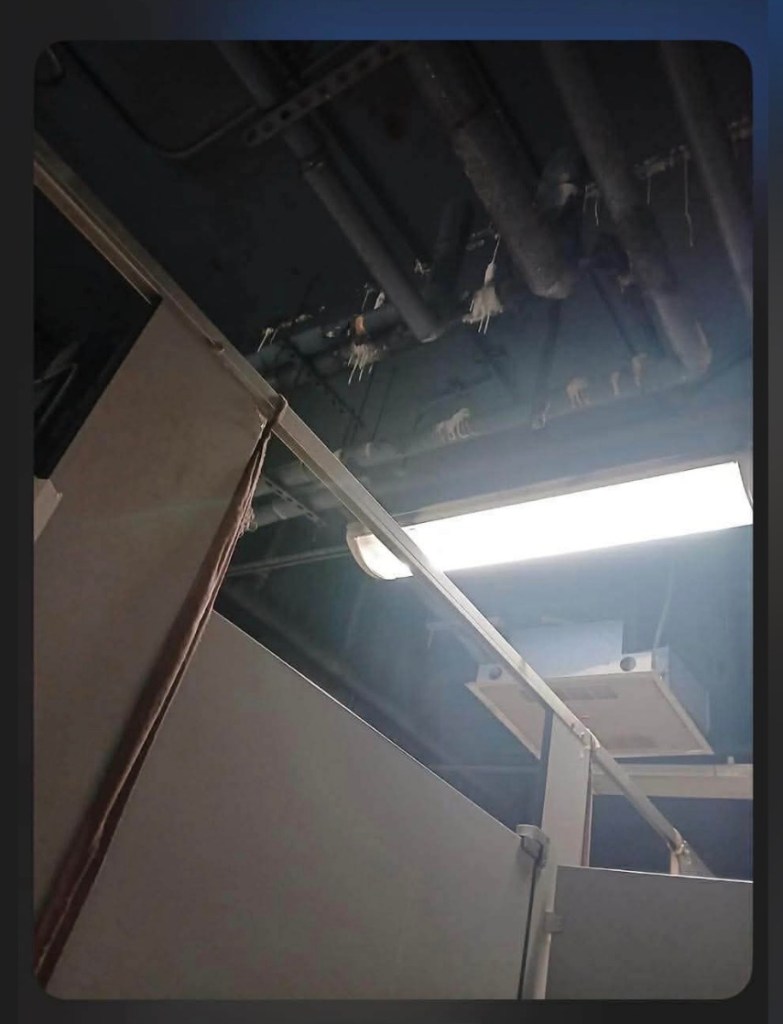
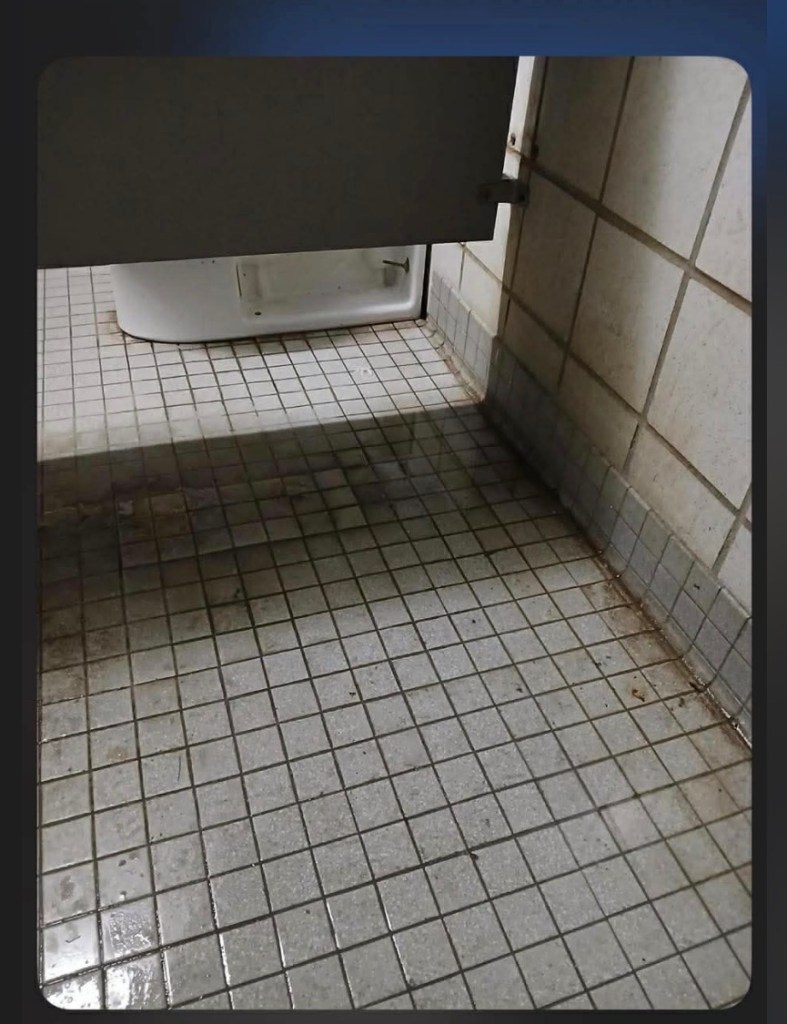
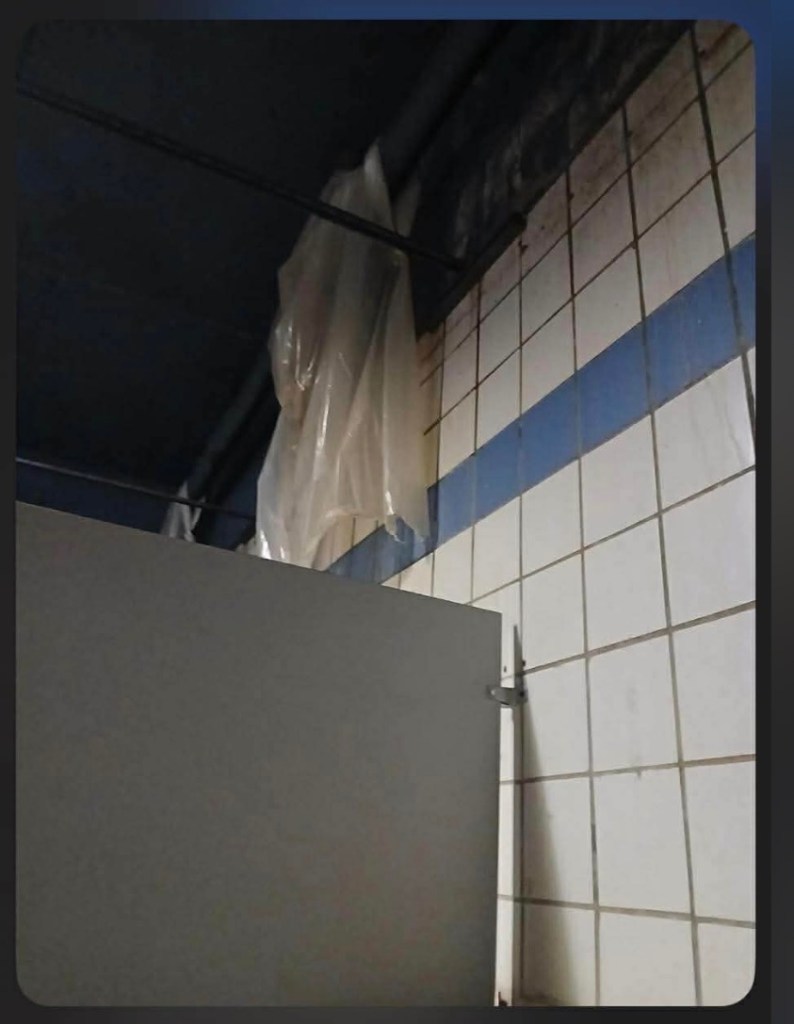
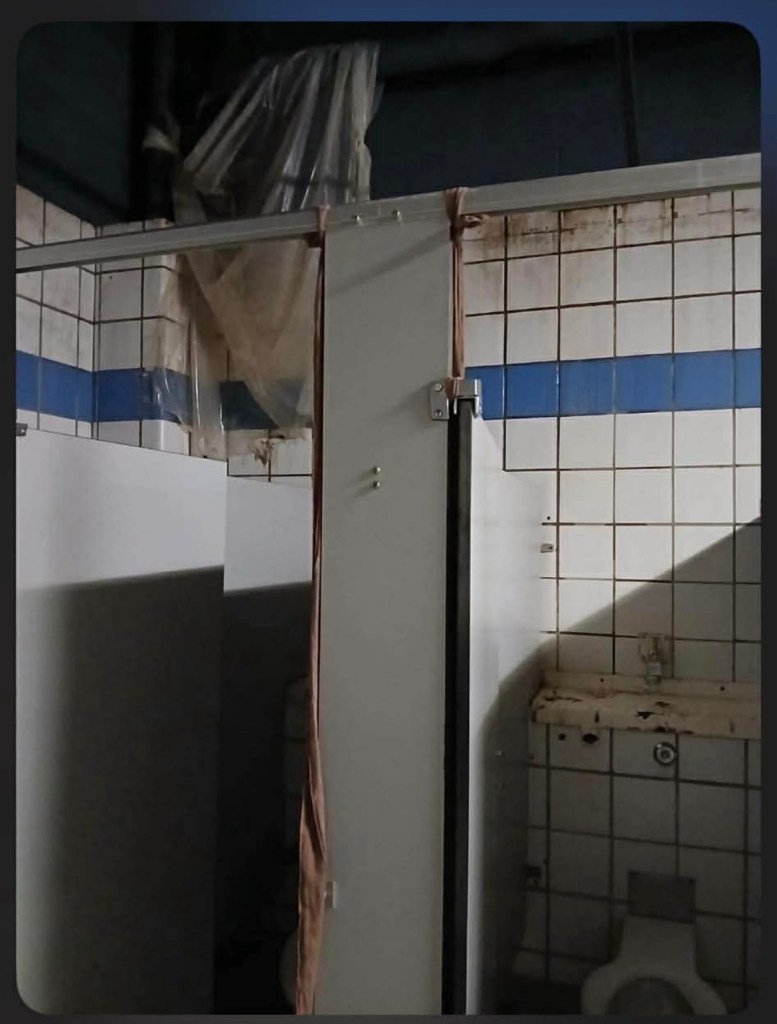
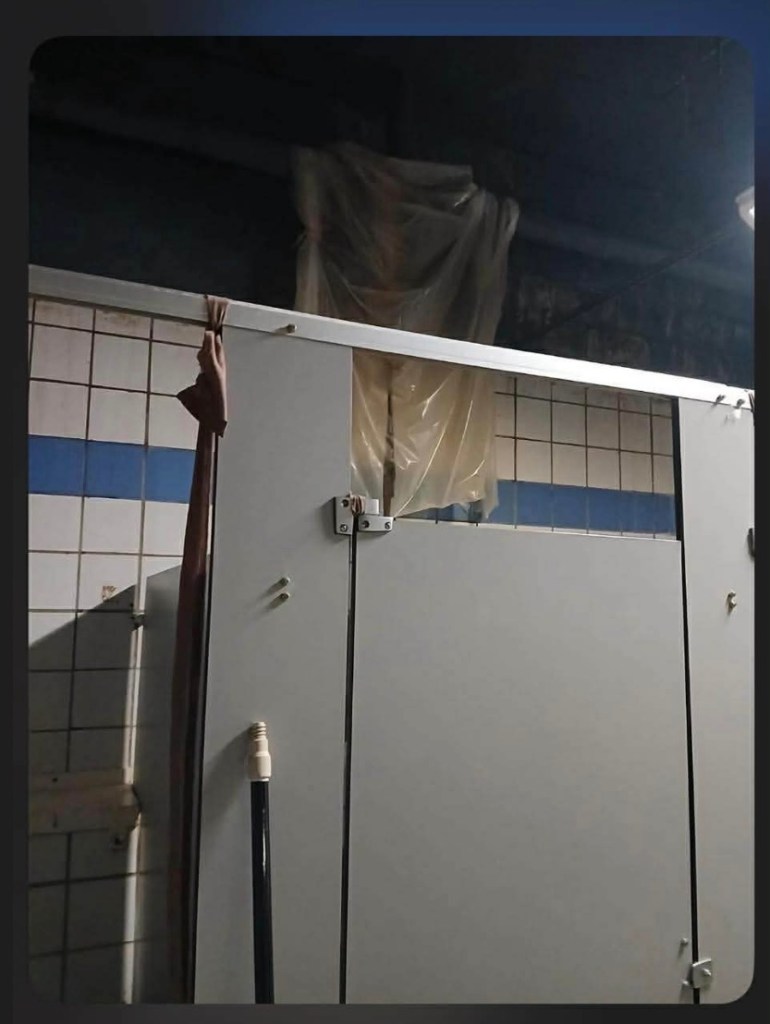
The Loved Ones Coalition has received visual and testimonial reporting regarding sanitation and infrastructure concerns within bathroom and common-use areas at FCI Forrest City Low.
Submitted images depict significant deterioration within restroom facilities, including damaged ceilings with exposed piping, visible structural gaps, and materials hanging from overhead areas. Reports indicate ongoing maintenance issues, including water intrusion and inadequate repairs.
Additional concerns include unsanitary floor conditions, visible buildup along tile surfaces, and general cleanliness issues within shared spaces. Fixtures appear worn and in disrepair, with indications of prolonged neglect.
The condition of these facilities raises concerns regarding environmental health, sanitation standards, and the adequacy of routine maintenance within the housing units.



2. Key Allegation & Violation Table
| Allegation | Description | Potential Concern Area |
| Structural deterioration | Ceiling damage with exposed pipes and missing panels | Infrastructure |
| Water intrusion concerns | Evidence of leaks and hanging materials from ceiling areas | Environmental Health |
| Unsanitary conditions | Dirty flooring and buildup in shared bathroom areas | Sanitation |
| Inadequate maintenance | Visible signs of long-term disrepair | Facility Maintenance |
| Fixture degradation | Worn sinks, partitions, and bathroom structures | Conditions of Confinement |
3. Direct Testimony / Representative Quotes
Visual documentation submitted depicting facility conditions in shared bathroom areas.
4. Systemic Concerns
The reported conditions raise concerns regarding the maintenance and upkeep of shared living spaces, particularly where structural issues may contribute to unsanitary or unsafe environments.
Exposed infrastructure and potential water damage may create conditions conducive to mold, bacteria, or other environmental hazards if not addressed in a timely manner.
Additionally, the condition of shared restroom facilities may impact hygiene, health, and overall living conditions for individuals housed within the unit.
5. Oversight Questions for Clarification — FCI Forrest City Low (SOUTH CENTRAL REGION)
- What maintenance schedule is in place for inspection and repair of restroom and common-use facilities?
- Have the reported structural issues, including ceiling damage and exposed piping, been formally assessed?
- What protocols exist to address water intrusion and potential environmental hazards within housing units?
- How are sanitation standards monitored and enforced in shared bathroom areas?
- What corrective actions are planned or underway to address the reported conditions?