August 3, 2026 – Weekly Oversight Report
Loved Ones Coalition
Documenting Systemic Concerns Across the Federal Bureau of Prisons
August 3, 2026
Loved Ones Coalition respectfully submits this Weekly Oversight Report based on reporting, photographs, documentation, correspondence, and firsthand accounts received from incarcerated individuals and their loved ones across the Federal Bureau of Prisons during this reporting period.
This week’s reporting reflects a recurring pattern that extends beyond individual institutions or isolated operational concerns. Across multiple regions, Loved Ones Coalition received reports describing aging infrastructure, deferred maintenance, environmental health concerns, communication disruptions, and operational practices that, when viewed collectively, raise broader questions regarding the long-term condition of Bureau facilities and the systems responsible for maintaining them.
Several institutions reported conditions involving deteriorating physical infrastructure, including water intrusion, damaged ceilings, plumbing failures, sanitation concerns, pest activity, and environmental conditions affecting daily living. Other reports described interruptions to essential services, including communication systems, mail delivery, rehabilitative programming, and medical care. While each concern may appear distinct when viewed independently, together they illustrate how deficiencies in one operational area can quickly affect multiple aspects of institutional life, including health, safety, family communication, rehabilitation, and overall conditions of confinement.
This reporting period also highlights the importance of transparency and institutional accountability. Several submissions raised questions regarding how concerns are communicated during institutional oversight activities, how recurring deficiencies are prioritized for corrective action, and whether temporary operational responses are becoming substitutes for permanent solutions. While Loved Ones Coalition cannot independently verify every allegation received, the consistency of reporting across multiple institutions and geographic regions suggests that many of these concerns warrant continued review.
At the same time, Loved Ones Coalition recognizes and appreciates positive efforts reported during this reporting period. The implementation of new quality-of-life initiatives at one institution demonstrates that meaningful improvements are possible and reinforces the importance of recognizing progress alongside areas requiring additional attention. Constructive oversight requires both acknowledging positive developments and identifying opportunities for continued improvement.
As policymakers continue evaluating the future of the Federal Bureau of Prisons, this week’s reporting underscores that maintaining safe, secure, and rehabilitative institutions requires more than responding to individual incidents. It requires sustained investment in infrastructure, timely maintenance, effective operational oversight, and continued collaboration among Bureau leadership, institution staff, Congress, and stakeholders committed to strengthening the federal correctional system. Ensuring that facilities remain safe, functional, and capable of supporting rehabilitation benefits not only incarcerated individuals and staff, but also the communities to which the vast majority of incarcerated individuals will eventually return.
As always, we extend our sincere gratitude to the incarcerated individuals and family members who continue to document conditions and trust us with their experiences. Their willingness to share firsthand information allows recurring concerns to be evaluated not simply as isolated events, but as indicators of broader operational trends deserving of continued review, accountability, and meaningful improvement.
NORTHEAST REGION
FCI LEWISBURG CAMP
Chronic Medical Care, Environmental Health, Institutional Maintenance, Medical Accommodation, and Mail Processing Concerns



1. Summary of Concerns
Loved Ones Coalition received reporting during this reporting period regarding chronic medical care, environmental health, institutional maintenance, mail processing, and the accommodation of medically necessary equipment at FCI Lewisburg Camp.
Reporting received raises concerns regarding continuity of medical care for incarcerated individuals with chronic medical conditions requiring ongoing monitoring, specialty care, diagnostic testing, and medically necessary treatment. Documentation submitted to Loved Ones Coalition raises questions regarding access to outside specialty consultations, follow-up appointments after outside evaluations, continuity of prescribed treatment plans, and institutional review of requests involving chronic medical conditions. Reporting further raises concerns regarding delays in receiving recommended diagnostic procedures and continued access to medically necessary treatment following transfer into Bureau custody.
Additional documentation submitted during this reporting period raises questions regarding institutional policies governing medically necessary equipment and associated supplies. Reporting alleges requests for supplies related to prescribed respiratory equipment were denied, raising broader questions regarding institutional procedures for evaluating medical accommodations and ensuring individuals with documented respiratory or sleep-related conditions receive appropriate support while incarcerated.
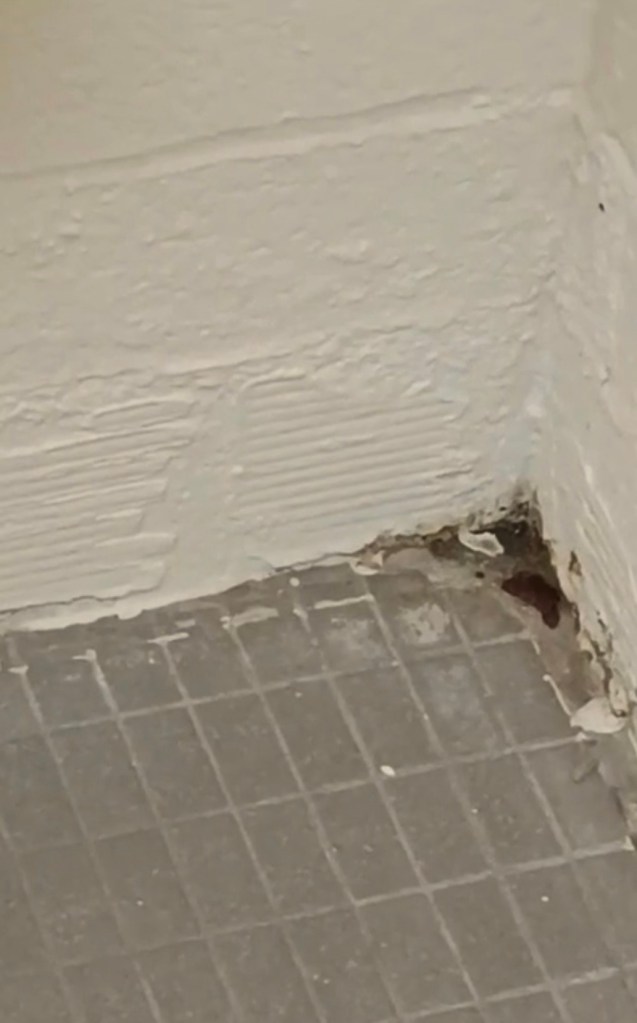
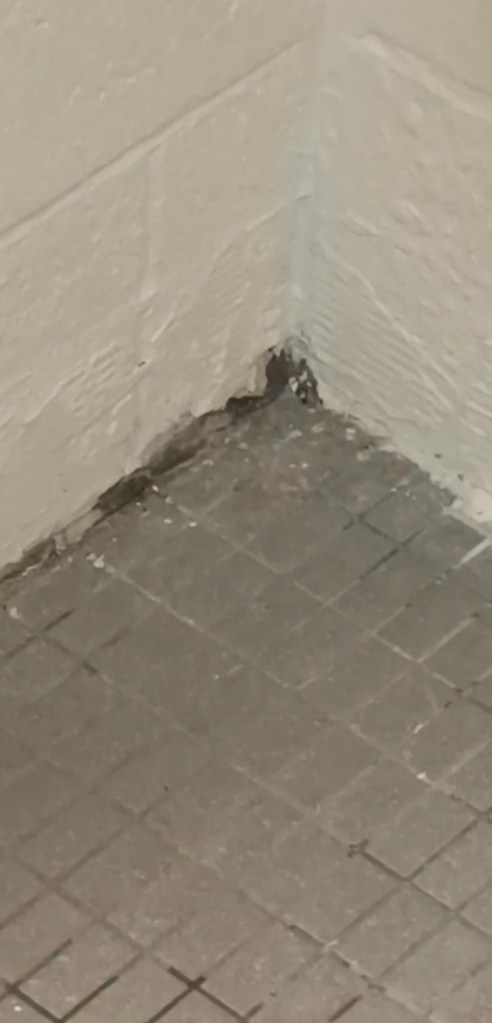
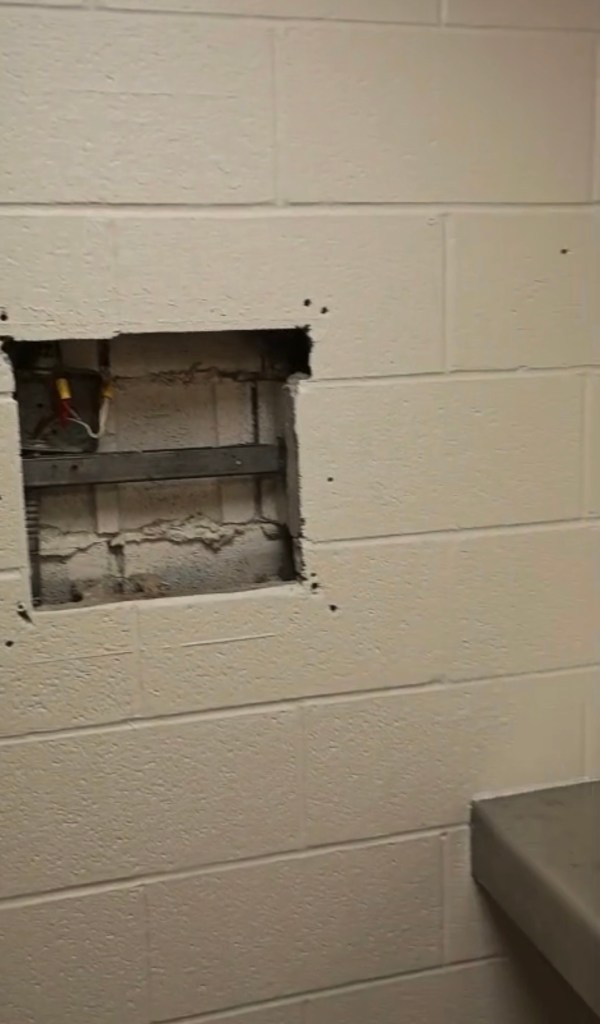
Loved Ones Coalition also received photographs, video documentation, and written reporting raising concerns regarding environmental conditions within portions of the institution. Supporting documentation appears to depict deteriorated bathroom areas, damaged wall surfaces, moisture intrusion, exposed infrastructure, and areas reportedly affected by mold or mildew. Reporting further alleges previous maintenance efforts focused primarily on cosmetic repairs without fully addressing the underlying conditions, raising broader questions regarding facility maintenance practices, environmental health, preventative maintenance, and long-term infrastructure preservation.
Additional reporting raises concerns regarding institutional mail operations. Reporting parties allege delays involving incoming correspondence, including certified mail reportedly confirmed as delivered to the institution but not promptly distributed to the intended recipient. Concerns were also raised regarding outgoing correspondence and institutional communication practices, raising broader questions regarding mail accountability, processing procedures, and access to routine communication with loved ones.
Taken together, the reporting received regarding FCI Lewisburg Camp raises broader questions regarding continuity of chronic medical care, environmental health, institutional maintenance, preventative infrastructure management, medical accommodations, mail processing practices, and the Bureau’s ability to consistently provide safe living conditions while maintaining reliable access to essential medical and communication services.
2. Key Concern Table
| Concern Area | Description | Potential Concern Area |
| Chronic Medical Care | Reporting raises questions regarding continuity of specialty care, diagnostic testing, and ongoing treatment for chronic medical conditions. | Health Services |
| Medical Accommodations | Documentation raises questions regarding institutional procedures for evaluating requests involving medically necessary equipment and associated supplies. | Medical Services |
| Environmental Conditions | Supporting photographs and reporting raise concerns regarding moisture intrusion, deteriorated bathroom conditions, and areas reportedly affected by mold or mildew. | Environmental Health |
| Institutional Maintenance | Reporting raises questions regarding deferred maintenance, infrastructure deterioration, and whether underlying building issues are being fully remediated. | Facility Infrastructure |
| Mail Processing | Reporting alleges delays involving incoming certified correspondence and concerns regarding routine mail distribution. | Institutional Operations |
| Communication Access | Delayed correspondence may affect incarcerated individuals’ ability to communicate with loved ones and receive important documentation in a timely manner. | Communication Access |
3. Direct Testimony
“Health Services does not provide distilled water for CPAP machines.”
“I’ve continued requesting medical treatment and follow-up care.”
“Certified mail is being delivered to the institution, but it still hasn’t been distributed.”
“They painted over the mold instead of correcting the underlying problem.”
4. Systemic Concerns
The reporting received regarding FCI Lewisburg Camp raises concerns extending beyond an individual medical complaint and instead presents broader questions regarding continuity of healthcare, environmental health, institutional maintenance, medical accommodations, and operational accountability.
Documentation submitted during this reporting period raises questions regarding how chronic medical conditions are evaluated following admission into Bureau custody, how recommendations from outside medical providers are incorporated into institutional treatment plans, and whether specialty consultations, diagnostic testing, and follow-up care are being completed in a timely manner. Reporting further raises questions regarding institutional policies governing medically necessary accommodations and whether incarcerated individuals requiring specialized medical equipment receive appropriate support consistent with their documented healthcare needs.
The photographs and video submitted to Loved Ones Coalition also raise broader questions regarding facility infrastructure and environmental health. Images depicting deteriorated building materials, moisture intrusion, damaged wall surfaces, and areas reportedly affected by mold or mildew warrant review to determine whether underlying maintenance issues have been fully addressed or whether repeated cosmetic repairs have delayed more comprehensive remediation. Environmental conditions involving prolonged moisture exposure may affect both living conditions and overall facility maintenance if not promptly corrected.
Reporting received regarding mail processing similarly raises broader questions regarding institutional accountability and continuity of communication. Allegations involving delayed distribution of certified correspondence raise questions regarding mail processing procedures, chain-of-custody practices, and institutional safeguards intended to ensure incarcerated individuals receive correspondence in a timely manner.
Taken together, the reporting received regarding FCI Lewisburg Camp raises broader questions regarding continuity of healthcare, environmental health, preventative maintenance, institutional infrastructure, communication practices, and the Bureau’s ability to maintain reliable systems supporting the health, safety, and daily operations of the institution.
5. Questions for Clarification
- What procedures are in place to ensure incarcerated individuals with chronic medical conditions receive timely specialty consultations, follow-up care, and recommended diagnostic testing after entering Bureau custody?
- How does the institution evaluate requests involving medically necessary accommodations and supplies associated with prescribed medical equipment?
- Have the environmental conditions documented in the submitted photographs and video been inspected by Facilities staff or Environmental Health personnel, and if so, what findings were documented?
- What corrective actions have been implemented to address the reported moisture intrusion, deteriorated building materials, and other maintenance concerns identified within the reported areas of the institution?
- What preventative maintenance practices are currently in place to identify and remediate environmental conditions before they contribute to more significant infrastructure deterioration?
- Can the institution explain the reported delays involving incoming certified mail and describe the procedures used to ensure timely processing and distribution of inmate correspondence?
- What quality assurance measures are currently in place to monitor chronic medical care, facility maintenance, environmental health, and mail processing to ensure consistent institutional operations?
NORTHEAST REGION
FCI SCHUYLKILL
Communication Access, Institutional Infrastructure, Operational Continuity, and Conditions of Confinement Concerns
1. Summary of Concerns
Loved Ones Coalition received reporting during this reporting period regarding prolonged telephone outages, communication access, institutional infrastructure, and operational continuity at FCI Schuylkill.
According to the reporting received, telephone service reportedly began experiencing intermittent disruptions early in the reporting period following what reporting parties believe was a lightning strike affecting institutional telephone infrastructure. Initial reporting indicates some housing units retained limited telephone access while others reportedly experienced complete outages, significantly reducing incarcerated individuals’ ability to communicate with their loved ones.
Additional reporting alleges the disruption expanded throughout the reporting period, with reporting parties indicating that telephone service eventually became unavailable throughout the institution. Reporting further alleges incarcerated individuals remained without telephone access for several consecutive days, with family members reporting they had not received telephone calls since the outage became institution-wide.
Reporting further indicates incarcerated individuals have been limited to electronic messaging while telephone service remains unavailable. Reporting parties state that because email is now the only available method of communication, delays associated with the institutional messaging system have further limited timely communication with loved ones. Additional reporting alleges the prolonged loss of telephone access has contributed to increased frustration among incarcerated individuals, raising broader questions regarding communication continuity, contingency planning, institutional infrastructure, and the availability of alternative communication methods during extended service disruptions.
Taken together, the reporting received regarding FCI Schuylkill raises broader questions regarding infrastructure reliability, continuity of communication services, operational preparedness, emergency response planning, and the Bureau’s ability to maintain essential communication systems during prolonged equipment failures.
2. Key Concern Table
| Concern Area | Description | Potential Concern Area |
| Telephone Access | Reporting alleges prolonged institution-wide telephone outages affecting routine communication with loved ones. | Communication Access |
| Infrastructure Reliability | Reporting suggests weather-related equipment failures significantly disrupted institutional communication systems. | Facility Infrastructure |
| Operational Continuity | Reports raise questions regarding institutional contingency planning during extended communication outages. | Institutional Operations |
| Alternative Communication | Reporting indicates incarcerated individuals have been limited primarily to electronic messaging while telephone service remains unavailable. | Communication Services |
| Conditions of Confinement | Extended communication disruptions reportedly contributed to increased frustration and tension within the institution. | Conditions of Confinement |
3. Direct Testimony
“Some units only had a couple of working phones while others had none.”
“Nobody has received a phone call since the phones went down.”
“phones won’t be back until next week.”
“This is causing short tempers because the only way to communicate is through the antiquated email system.”
4. Systemic Concerns
The reporting received regarding FCI Schuylkill raises concerns extending beyond a temporary equipment failure and instead presents broader questions regarding institutional infrastructure, communication continuity, operational resilience, and emergency preparedness.
Reliable telephone access serves as an important component of maintaining family relationships, supporting emotional well-being, facilitating successful reentry, and promoting institutional stability. Reports alleging a prolonged institution-wide communication outage raise questions regarding the reliability of critical communication infrastructure and the institution’s ability to restore essential services following unexpected weather-related events or equipment failures.
The reporting also raises broader questions regarding contingency planning during extended service interruptions. When routine communication systems become unavailable for prolonged periods, incarcerated individuals may be left with limited opportunities to maintain contact with their loved ones, increasing reliance on alternative communication methods that may not provide the same level of accessibility, reliability, or timeliness.
Additionally, reporting indicating increased frustration among incarcerated individuals during the prolonged outage raises broader questions regarding institutional operations and the importance of maintaining consistent communication opportunities to support orderly operations and reduce unnecessary tension within the institution.
Taken together, the reporting received regarding FCI Schuylkill raises broader questions regarding infrastructure reliability, emergency response planning, communication continuity, operational preparedness, and the Bureau’s ability to maintain essential communication services during extended operational disruptions.
5. Questions for Clarification
- What circumstances caused the reported telephone outage affecting FCI Schuylkill, and what repairs have been completed or remain underway?
- Approximately how long has telephone service been unavailable throughout the institution, and what is the estimated timeline for full restoration?
- What contingency measures were implemented to ensure incarcerated individuals maintained reasonable communication with their loved ones during the prolonged outage?
- Were all housing units affected equally, or were certain units disproportionately impacted by the reported communication disruption?
- What alternative communication opportunities, if any, were made available while telephone services remained unavailable?
- Has the institution evaluated whether additional infrastructure improvements or redundancy measures are needed to reduce the likelihood of future prolonged communication outages resulting from weather-related events?
- What preventative maintenance and emergency response procedures are currently in place to restore critical communication systems following infrastructure failures and minimize future disruptions?
NORTHEAST REGION
FDC PHILADELPHIA
Environmental Health, Pest Control, Sanitation, and Conditions of Confinement Concerns
1. Summary of Concerns
Loved Ones Coalition received reporting during this reporting period regarding environmental health, pest control, sanitation, and conditions of confinement at FDC Philadelphia.
According to the reporting received, incarcerated individuals continue to experience significant rodent and insect activity within housing units. Reporting alleges mice and cockroaches are routinely present inside living areas and that rodents frequently enter individual cells through gaps surrounding cell doors in search of food.
Reporting further alleges incarcerated individuals have resorted to placing books and other personal property along the bottoms of cell doors in an effort to reduce rodent entry due to concerns that mice are able to move freely between cells. According to the reporting received, rodents are reportedly capable of climbing onto bunks, entering lockers, and accessing personal living spaces, raising broader concerns regarding sanitation, environmental health, and the effectiveness of institutional pest control measures.
Additional reporting alleges rodents continue to enter occupied cells during nighttime hours, with incarcerated individuals reporting that mice crawl across sleeping areas while individuals are attempting to sleep. Reporting parties state these conditions have become a recurring concern rather than isolated incidents, raising broader questions regarding facility maintenance, pest mitigation efforts, and the institution’s ability to maintain sanitary living conditions.
Taken together, the reporting received regarding FDC Philadelphia raises broader questions regarding environmental health, pest control practices, institutional sanitation, facility maintenance, and the Bureau’s ability to provide safe and sanitary living conditions.
2. Key Concern Table
| Concern Area | Description | Potential Concern Area |
| Pest Control | Reporting alleges recurring rodent and cockroach activity throughout housing units. | Environmental Health |
| Sanitation | Reports raise concerns regarding pest activity within occupied living spaces. | Sanitation |
| Facility Maintenance | Reporting raises questions regarding gaps surrounding cell doors that allegedly allow rodents to move freely between cells. | Facility Infrastructure |
| Conditions of Confinement | Rodent activity reportedly affects sleeping areas, lockers, and other personal living spaces. | Conditions of Confinement |
| Environmental Health | Recurring pest activity raises broader questions regarding institutional pest mitigation and sanitation practices. | Environmental Health & Safety |
3. Direct Testimony
“There are so many mice and roaches.”
“We have to cover the cracks in our cell doors with books.”
“The mice go from door to door looking for an easy way in.”
“They can climb the bunks, get into the lockers, and crawl on us while we’re sleeping.”
4. Systemic Concerns
The reporting received regarding FDC Philadelphia raises concerns extending beyond the presence of isolated pests and instead presents broader questions regarding environmental health, sanitation, facility maintenance, and institutional pest control practices.
Reports alleging recurring rodent and insect activity throughout housing units raise questions regarding the effectiveness of current pest management efforts and whether structural conditions within the institution may be contributing to continued infestations. Allegations that incarcerated individuals have resorted to blocking gaps beneath cell doors using personal property suggest broader questions regarding building maintenance and the integrity of housing unit infrastructure.
Additionally, reports describing rodents entering occupied cells, accessing personal storage areas, climbing onto bunks, and crawling through sleeping areas raise broader concerns regarding sanitation, environmental health, and overall conditions of confinement. Maintaining effective pest control is an important component of institutional operations and helps promote both the health and well-being of incarcerated individuals and staff.
Taken together, the reporting received regarding FDC Philadelphia raises broader questions regarding environmental health, preventative maintenance, sanitation practices, pest mitigation strategies, and the Bureau’s ability to maintain safe, sanitary, and habitable living conditions.
5. Questions for Clarification
- What pest control measures are currently being implemented to address the reported rodent and cockroach activity within the housing units at FDC Philadelphia?
- Has the institution conducted recent inspections to identify structural deficiencies, including gaps around cell doors or other areas that may contribute to pest intrusion?
- How frequently are professional pest control services performed within the institution, and what additional mitigation efforts have been implemented in response to reported infestations?
- Have institution leadership or Environmental Health staff evaluated the reported concerns regarding rodents entering occupied cells and sleeping areas?
- What corrective maintenance measures are planned or underway to address structural conditions that may allow pests to move between housing units?
- How does the institution monitor the effectiveness of its sanitation and pest management programs to ensure living areas remain safe and sanitary for incarcerated individuals and staff?
MID-ATLANTIC REGION
USP LEE
Institutional Operations, Mail Processing, Restrictive Housing, and Conditions of Confinement Concerns
1. Summary of Concerns
Loved Ones Coalition received reporting during this reporting period regarding recurring lockdowns, mail processing, restrictive housing operations, and institutional movement at USP Lee.
According to the reporting received, incarcerated individuals assigned to one housing unit have reportedly experienced repeated lockdowns throughout the reporting period, resulting in significant limitations on routine movement and time outside of their housing unit. Reporting alleges the affected unit remained on lockdown for approximately half of the reporting period and was again placed under lockdown shortly after limited movement had resumed.
Additional reporting raises concerns regarding institutional mail processing. Reporting parties allege incoming correspondence has experienced prolonged delays, with multiple families reporting mail sent weeks or months earlier has either not been delivered or, in some instances, was reportedly returned to the sender. Reporting further alleges incarcerated individuals have experienced extended periods without receiving personal correspondence, raising broader questions regarding institutional mail operations and continuity of communication with loved ones.
Loved Ones Coalition also received reporting raising questions regarding restrictive housing operations and institutional movement. According to the reporting received, incarcerated individuals who were reportedly scheduled for release from restrictive housing remained housed beyond their anticipated release dates. Reporting further alleges housing units remained under lockdown due to limitations associated with restrictive housing capacity, raising broader questions regarding housing management, institutional movement, and operational efficiency.
Reporting parties state that the combination of repeated lockdowns and delayed mail delivery has significantly limited incarcerated individuals’ ability to maintain consistent communication and family support during the reporting period.
Taken together, the reporting received regarding USP Lee raises broader questions regarding institutional operations, restrictive housing management, mail processing practices, operational continuity, and the Bureau’s ability to maintain consistent communication and routine institutional operations.
2. Key Concern Table
| Concern Area | Description | Potential Concern Area |
| Institutional Lockdowns | Reporting alleges repeated lockdowns significantly limited routine movement throughout the reporting period. | Institutional Operations |
| Mail Processing | Reports raise concerns regarding delayed incoming correspondence and mail reportedly returned to senders. | Mail Services |
| Restrictive Housing Operations | Reporting raises questions regarding continued placement beyond anticipated release dates and restrictive housing capacity. | Special Housing Operations |
| Institutional Movement | Reports allege operational limitations affecting inmate movement and housing assignments. | Institutional Operations |
| Communication Access | Delayed mail and repeated lockdowns reportedly reduced opportunities for communication with loved ones. | Communication Access |
| Conditions of Confinement | Combined operational disruptions reportedly affected daily living conditions and family contact. | Conditions of Confinement |
3. Direct Testimony
“His unit has been locked down basically half the month.”
“They let them up on the 30th and put them right back down the next morning.”
“Writing him is useless because he doesn’t get his mail.”
“Another family said mail sent since May still hasn’t been received.”
4. Systemic Concerns
The reporting received regarding USP Lee raises concerns extending beyond isolated operational disruptions and instead presents broader questions regarding institutional continuity, housing management, mail processing, and communication access.
Reports alleging repeated lockdowns affecting the same housing unit raise questions regarding the operational circumstances contributing to recurring movement restrictions and the institution’s ability to resume normal operations while maintaining institutional safety. While temporary lockdowns may become necessary under certain circumstances, repeated or prolonged restrictions may affect access to programming, employment assignments, recreation, family communication, and other routine institutional activities.
Reporting regarding restrictive housing operations similarly raises broader questions regarding housing capacity, timely movement of incarcerated individuals, and operational decision-making. Allegations that individuals remained in restrictive housing beyond anticipated release dates, combined with reports that housing units remained under lockdown due to operational limitations, warrant clarification regarding institutional housing management and movement procedures.
Additionally, recurring reports regarding delayed mail delivery and correspondence reportedly returned to senders raise broader questions regarding institutional mail processing, accountability, and continuity of communication. Reliable mail service remains an essential component of maintaining family relationships, supporting successful reentry, and ensuring incarcerated individuals have consistent access to personal and legal correspondence.
Taken together, the reporting received regarding USP Lee raises broader questions regarding operational continuity, restrictive housing management, mail processing practices, communication access, and the Bureau’s ability to maintain consistent institutional operations while minimizing unnecessary disruptions to daily living conditions.
5. Questions for Clarification
- What operational circumstances contributed to the reported repeated lockdowns affecting the same housing unit during the reporting period?
- Approximately how many days were the affected housing units subject to movement restrictions during the current reporting period?
- What factors contributed to the reported delays in incoming mail and correspondence reportedly returned to senders?
- Has institution leadership reviewed the reported concerns regarding prolonged mail processing delays affecting multiple incarcerated individuals?
- What procedures govern the timely release of incarcerated individuals from restrictive housing once their placement period has concluded?
- To what extent have restrictive housing capacity or staffing limitations affected institutional movement and housing operations?
- What corrective measures, if any, are being implemented to improve operational continuity, reduce repeated lockdowns, and ensure timely processing of incoming correspondence?
MID-ATLANTIC REGION
FCI CUMBERLAND CAMP
Residential Drug Abuse Program (RDAP), Sentence Credit Administration, Program Placement, and Pre-Release Planning Concerns
1. Summary of Concerns
Loved Ones Coalition received reporting during this reporting period regarding Residential Drug Abuse Program (RDAP) placement practices, sentence credit administration, and pre-release planning at FCI Cumberland Camp.
According to the reporting received, incarcerated individuals and their families raise concerns that delayed admission into RDAP may be affecting the timing of community placement and reducing the practical benefit of earned sentence credits for individuals participating in the program. Reporting alleges that RDAP admissions are occurring substantially later than anticipated, resulting in participants remaining in secure custody longer than expected before beginning required program components.
Supporting documentation submitted to Loved Ones Coalition raises questions regarding how RDAP placement decisions are coordinated with earned time credits, statutory sentence reductions, and pre-release planning. Reporting parties allege local program practices may be delaying RDAP admission until participants approach projected release dates, requiring adjustments to community placement timelines in order to complete required program components.
Additional reporting raises questions regarding whether delayed RDAP admissions are affecting a broad population of eligible participants rather than isolated individuals. Reporting alleges these practices have resulted in some participants remaining in secure custody beyond dates they anticipated transitioning to community custody, raising broader questions regarding consistency in RDAP administration and implementation of Bureau guidance concerning sentence credit application and pre-release planning.
Taken together, the reporting received regarding FCI Cumberland Camp raises broader questions regarding RDAP administration, program placement practices, coordination of earned sentence credits, pre-release planning, and consistency in implementation of Bureau policies governing community transition.
2. Key Concern Table
| Concern Area | Description | Potential Concern Area |
| RDAP Placement | Reporting alleges delayed admission into RDAP affecting program completion timelines. | Psychology Services / RDAP |
| Sentence Credit Administration | Reporting raises questions regarding coordination of earned sentence credits with RDAP participation and release planning. | Sentence Computation |
| Pre-Release Planning | Reports allege delayed program placement may postpone transition to community custody. | Reentry Services |
| Policy Implementation | Reporting raises questions regarding consistency between local RDAP practices and national Bureau guidance. | Institutional Operations |
| Program Administration | Reporting suggests current admission practices may affect multiple RDAP participants within the institution. | Program Management |
3. Direct Testimony
“Guys are doing more time with RDAP, not less.”
“Nearly everyone is affected.”
“Program admissions are significantly delayed.”
“People are remaining in secure custody longer than expected while waiting to begin RDAP.”
4. Systemic Concerns
The reporting received regarding FCI Cumberland Camp raises concerns extending beyond individual RDAP placement decisions and instead presents broader questions regarding program administration, sentence credit coordination, and pre-release planning.
RDAP serves as an important rehabilitative program while also affecting sentence reductions and community transition opportunities for eligible participants. Reporting alleging widespread delays in program admission raises questions regarding whether current placement practices allow participants to receive the full intended benefit of available programming and earned sentence credits consistent with Bureau policy.
The supporting documentation also raises broader questions regarding coordination between RDAP scheduling, earned time credits, statutory sentence reductions, and community placement planning. If program admission is routinely delayed, participants may experience compressed transition timelines or extended periods in secure custody while completing required program components. These reports warrant clarification regarding how local program administration aligns with national policy and current Bureau guidance.
Reporting further suggests the alleged concerns may extend beyond isolated cases and affect a larger population of eligible participants. If accurate, this raises broader questions regarding operational consistency, resource allocation, program capacity, and the administration of rehabilitative programming intended to support successful community reentry.
Taken together, the reporting received regarding FCI Cumberland Camp raises broader questions regarding RDAP administration, sentence credit coordination, program capacity, pre-release planning, and consistent implementation of Bureau policies governing rehabilitative programming and community transition.
5. Questions for Clarification
- What criteria determine the timing of RDAP admission for eligible participants at FCI Cumberland Camp?
- How does the institution coordinate RDAP placement with earned time credits, statutory sentence reductions, and projected community placement dates?
- Have current RDAP admission timelines resulted in delays to anticipated community placement for eligible participants?
- What factors have contributed to the reported delays in RDAP admission, including staffing, program capacity, or operational limitations?
- How does institution leadership ensure local RDAP practices remain consistent with current Bureau policy and national guidance regarding sentence credit administration and pre-release planning?
- Has the institution evaluated whether additional resources or scheduling adjustments are necessary to reduce delays in RDAP admission and support timely program completion?
- What quality assurance measures are in place to monitor RDAP placement timelines and ensure eligible participants receive consistent access to rehabilitative programming and community transition opportunities?
MID-ATLANTIC REGION
FCI ASHLAND
Incentive Programs, Unit Accountability, and Collective Responsibility Practices
1. Summary of Concerns
Loved Ones Coalition received reporting during this reporting period regarding the implementation of microwaves and air fryers within housing units at FCI Ashland, along with questions regarding the conditions governing continued access to those appliances.
During this reporting period, Loved Ones Coalition received a memorandum distributed to the incarcerated population announcing the phased installation of microwaves and air fryers throughout housing units. According to the memorandum, the appliances are intended to serve as incentives supporting positive behavior while improving quality of life and maintaining a safe, orderly institutional environment. Following receipt of the memorandum, Loved Ones Coalition requested verification from the Federal Bureau of Prisons’ Office of Public Affairs, which confirmed the memorandum was authentic and issued specifically by FCI Ashland.
While many reporting parties welcomed the addition of these appliances as a positive quality-of-life initiative, Loved Ones Coalition also received concerns regarding portions of the institutional policy governing their continued availability. According to the memorandum, if an individual within a housing unit receives an incident report involving possession of a cellular telephone, narcotics, alcohol, or other specified contraband, the microwaves and air fryers assigned to that housing unit may be removed for one week. However, the memorandum further states that if staff receive information leading to the discovery of contraband, the appliances will remain in place because the information assisted institutional safety and security.
Reporting parties questioned whether conditioning access to shared privileges on the conduct of individual incarcerated persons, while simultaneously encouraging reporting by other incarcerated individuals, may affect unit cohesion, institutional culture, and perceptions of collective responsibility. Loved Ones Coalition does not take a position regarding the institution’s operational decisions but notes that the reporting raises broader questions regarding implementation of incentive-based programming and behavioral accountability within congregate living environments.
Taken together, the reporting received regarding FCI Ashland highlights a positive institutional initiative while raising broader questions regarding collective responsibility practices, incentive-based management strategies, institutional culture, and implementation of unit-wide behavioral expectations.
2. Key Concern Table
| Concern Area | Description | Potential Concern Area |
| Collective Responsibility | Reporting raises questions regarding removal of unit-wide privileges following misconduct by individual incarcerated persons. | Institutional Management |
| Institutional Culture | Reporting questions whether encouraging reporting by incarcerated individuals may affect housing unit dynamics. | Institutional Operations |
| Policy Implementation | Reporting seeks clarification regarding how the incentive policy will be applied in practice. | Institution Administration |
3. Direct Testimony
“They’re putting microwaves and air fryers in the units.”
“If somebody gets caught with a cellphone or drugs, they’ll take the appliances away from the whole unit.”
“If someone reports it and staff find the contraband, they won’t take anything away.”
4. Systemic Concerns
The reporting received regarding FCI Ashland differs from many reports received during this reporting period in that it highlights an institutional initiative intended to improve living conditions and encourage positive behavior. The addition of shared microwaves and air fryers within housing units represents an effort to expand incentives and improve quality of life for incarcerated individuals while promoting institutional order.
At the same time, reporting raises broader questions regarding implementation of the accompanying accountability policy. Specifically, reporting questions the use of unit-wide privilege restrictions following misconduct attributed to individual incarcerated persons and whether such practices are intended to promote collective accountability, encourage peer influence, or serve other operational objectives.
Reporting also raises questions regarding language within the memorandum indicating that unit-wide restrictions may not be imposed when information provided to staff leads to the discovery of prohibited contraband. While institutions routinely rely on information to maintain institutional safety and security, reporting parties questioned how this aspect of the policy may affect housing unit dynamics and perceptions of fairness among incarcerated individuals.
Taken together, the reporting received regarding FCI Ashland raises broader questions regarding incentive-based programming, collective responsibility practices, behavioral management strategies, institutional culture, and implementation of unit-level accountability measures while also recognizing the institution’s efforts to introduce amenities intended to improve daily living conditions.
5. Questions for Clarification
- What objectives does FCI Ashland seek to achieve through the implementation of microwaves and air fryers within housing units?
- How was the decision made to apply temporary unit-wide removal of appliances following misconduct by individual incarcerated persons?
- How does the institution evaluate whether unit-wide accountability measures effectively promote institutional safety and positive behavior?
- Under what circumstances would unit-wide restrictions be imposed, and what review process exists before those restrictions are implemented?
- How does the institution intend to evaluate the effectiveness of this incentive program over time?
- Has FCI Ashland received feedback from incarcerated individuals or staff regarding implementation of the new policy, and if so, how will that feedback be incorporated into future program adjustments?
SOUTH CENTRAL REGION
FCC FORREST CITY
Environmental Health, Food Service, Sanitation, Facility Maintenance, and Institutional Operations Concerns
1. Summary of Concerns
Loved Ones Coalition received multiple reports during this reporting period regarding environmental health, sanitation, food service, facility maintenance, and institutional operations at FCC Forrest City Low. The reporting received reflects recurring concerns from multiple reporting parties describing similar conditions throughout the institution.
According to the reporting received, incarcerated individuals continue to report excessive heat and humidity within housing units, with reports alleging prolonged air conditioning deficiencies have resulted in damp floors, saturated mattresses, and persistently humid living conditions. Reporting parties state the combination of elevated temperatures and moisture has contributed to increasingly unsanitary living conditions and raises broader questions regarding environmental health and habitability.
Additional reporting raises concerns regarding plumbing and sanitation. Reports allege one housing unit has been left without a functioning toilet, while additional reports describe sewer leaks affecting multiple levels of the institution when restroom facilities are used. Reporting also raises concerns regarding maintenance delays involving plumbing infrastructure and the impact those conditions may have on sanitation and daily living conditions.
Loved Ones Coalition also received multiple reports regarding food service operations. Reporting parties allege spoiled or expired milk has been served to incarcerated individuals, meals have not consistently reflected the published menu, and food quality and portion sizes have continued to decline. These reports raise broader questions regarding food service quality assurance, nutritional standards, and institutional oversight.
Additional reporting alleges ongoing maintenance concerns throughout the institution, including water intrusion, mold within portions of the visiting area, and continued closure of the chapel library for an extended period. Reporting parties also describe delays in institutional operations, including difficulties obtaining work assignments and concerns regarding overall administrative responsiveness.
Taken together, the reporting received regarding FCC Forrest City Low raises broader questions regarding environmental health, sanitation, facility maintenance, food service quality, institutional operations, and the Bureau’s ability to maintain safe, sanitary, and functional living conditions.
2. Key Concern Table
| Concern Area | Description | Potential Concern Area |
| Environmental Conditions | Reporting alleges prolonged heat, excessive humidity, and damp living areas associated with air conditioning deficiencies. | Environmental Health |
| Plumbing & Sanitation | Reports raise concerns regarding non-functioning toilets, sewer leaks, and sanitation within housing units. | Facility Infrastructure |
| Food Service | Reporting alleges spoiled dairy products, declining food quality, reduced portion sizes, and inconsistencies with published menus. | Food Service Operations |
| Facility Maintenance | Reports raise concerns regarding mold, water intrusion, deferred maintenance, and prolonged repair needs. | Facilities Management |
| Institutional Operations | Reporting alleges delays in work assignments, administrative inefficiencies, and continued closure of institutional resources. | Institutional Operations |
| Conditions of Confinement | Multiple reports describe deteriorating living conditions affecting daily life throughout the institution. | Conditions of Confinement |
3. Direct Testimony
“Our unit doesn’t have one working toilet.”
“The floors and mattresses are wet from all the humidity.”
“They’re handing out expired, sour milk.”
“There are still sewer leaks from one floor onto another when they use the restroom.”
“The chapel library has been closed for months.”
4. Systemic Concerns
The reporting received regarding FCC Forrest City Low raises concerns extending beyond isolated maintenance issues and instead presents broader questions regarding environmental health, facility infrastructure, food service operations, and institutional management.
Multiple reporting parties independently describe recurring concerns involving excessive heat, prolonged humidity, plumbing failures, sanitation, and deferred maintenance. When considered together, these reports raise questions regarding whether infrastructure deficiencies are contributing to broader environmental health concerns affecting daily living conditions within the institution.
Reporting regarding food service similarly raises broader questions regarding quality assurance and oversight. Allegations involving spoiled dairy products, declining meal quality, reduced portion sizes, and inconsistencies between published menus and meals served warrant review to ensure food service operations consistently meet Bureau standards for food safety and nutrition.
The reporting also raises questions regarding institutional maintenance priorities and operational responsiveness. Allegations involving prolonged plumbing issues, water intrusion, mold within portions of the visiting area, and extended closure of institutional resources suggest broader questions regarding preventative maintenance, timely repairs, and allocation of facility resources.
Taken together, the reporting received regarding FCC Forrest City Low reflects recurring concerns across multiple operational areas, including environmental health, sanitation, food service, infrastructure maintenance, and institutional management. The consistency of the reporting raises broader questions regarding whether these concerns represent isolated maintenance issues or indicate more systemic operational challenges affecting the institution.
5. Questions for Clarification
- What actions have been taken to address the reported air conditioning deficiencies, excessive humidity, and moisture affecting housing units?
- Have Facilities staff investigated the reported plumbing failures, non-functioning toilets, and sewer leaks, and what corrective actions have been implemented?
- What quality assurance procedures are currently in place to ensure food products served to incarcerated individuals meet Bureau food safety standards and published menu requirements?
- Have institution leadership or Environmental Health personnel evaluated the reported concerns regarding mold, water intrusion, and sanitation within the institution and visiting areas?
- What is the current status of repairs involving plumbing infrastructure, environmental controls, and other deferred maintenance concerns reported during this reporting period?
- What factors have contributed to the reported closure of the chapel library, and what is the anticipated timeline for reopening?
- What measures are being implemented to improve institutional operations, including work assignment processing, maintenance response times, and overall living conditions for incarcerated individuals?
SOUTH CENTRAL REGION
FMC FORT WORTH
Environmental Health, Facility Maintenance, Food Service, and Infrastructure Concerns









1. Summary of Concerns
Loved Ones Coalition received multiple reports during this reporting period regarding environmental health, facility maintenance, food service, and infrastructure concerns at FMC Fort Worth. Reporting was supported by photographs documenting conditions within portions of the institution.
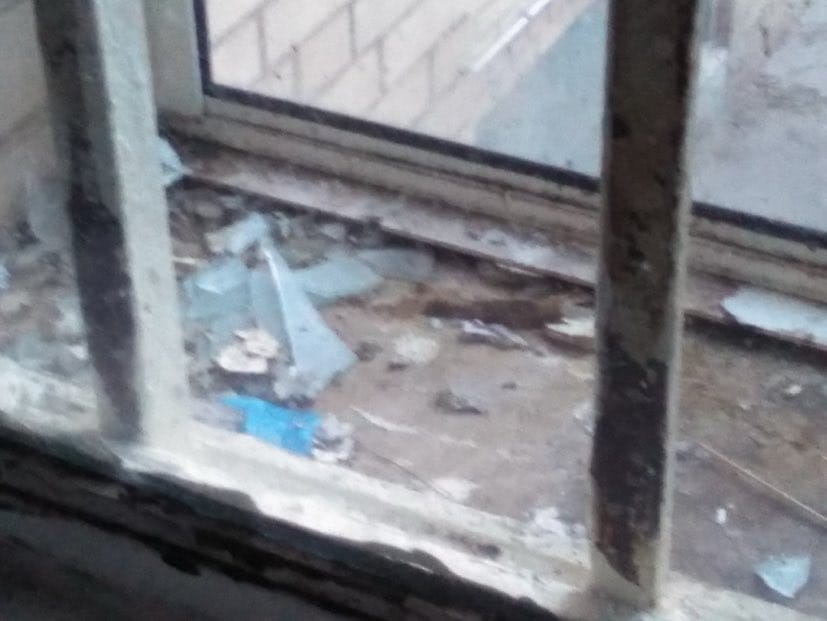
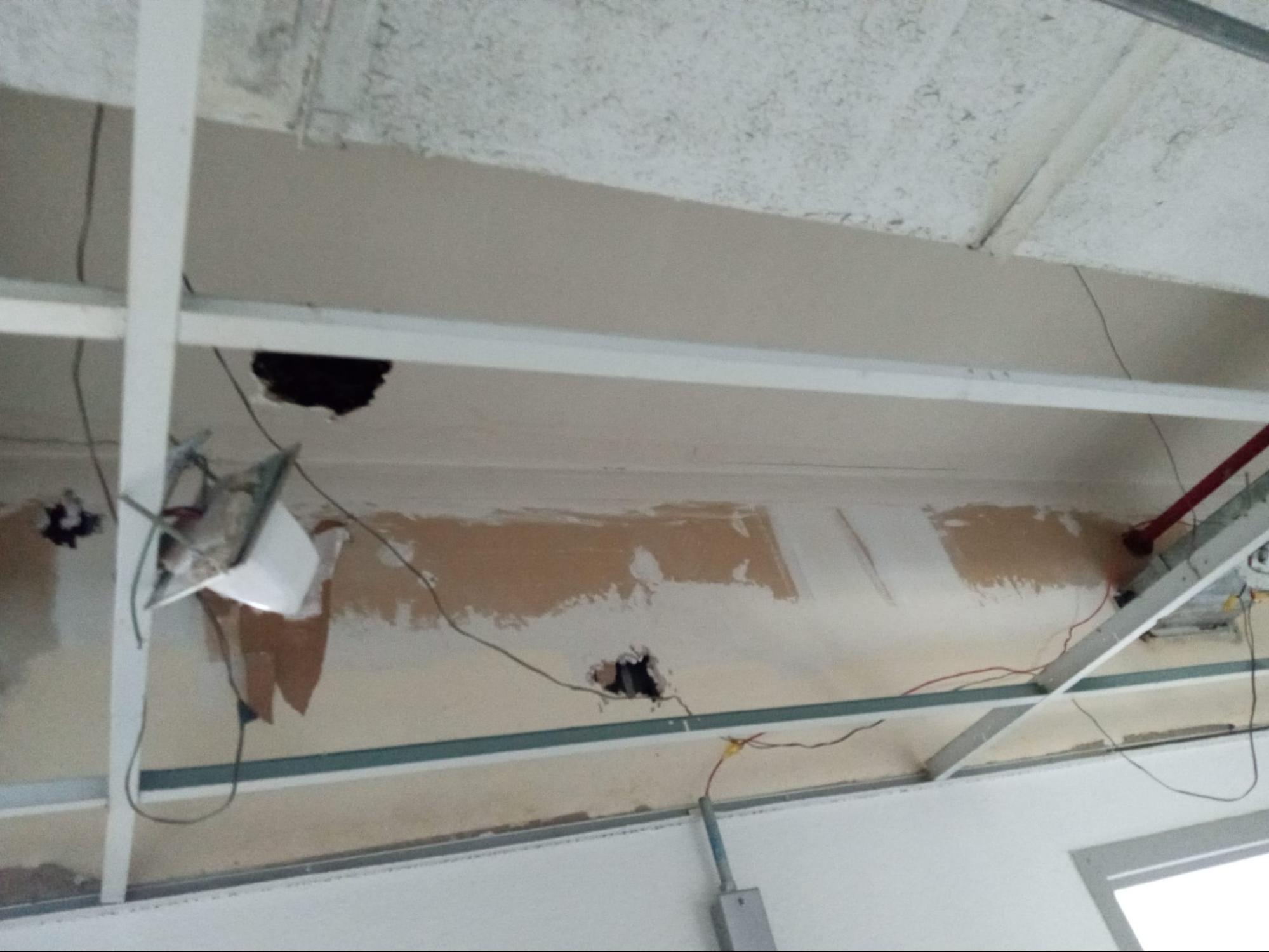
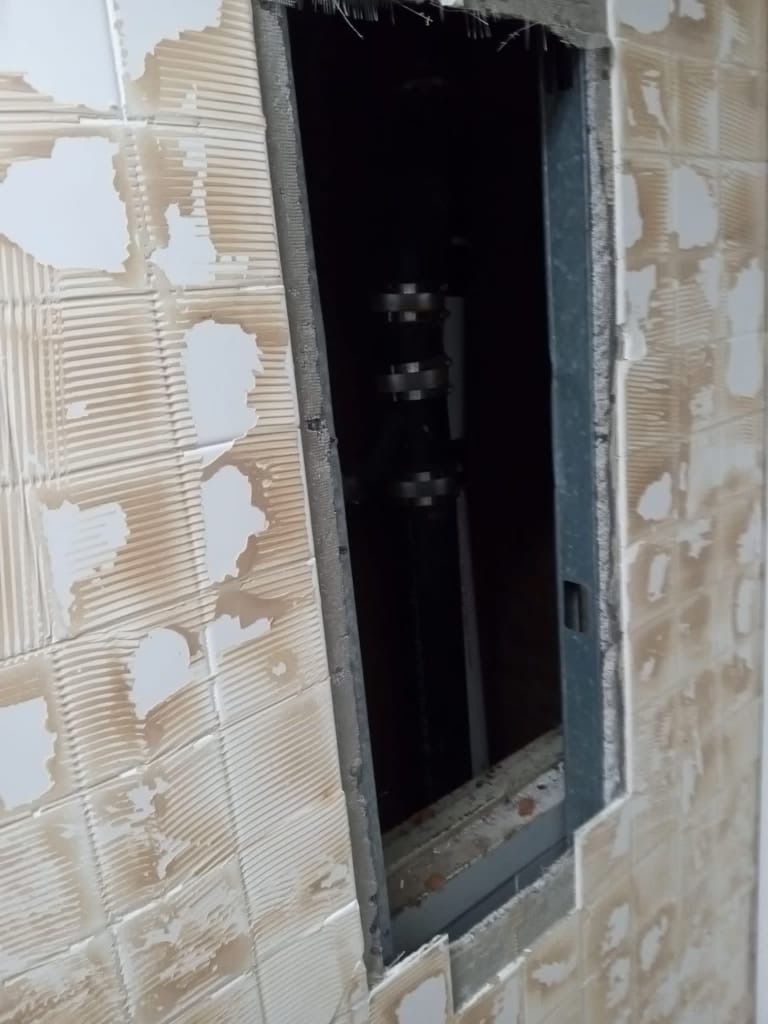
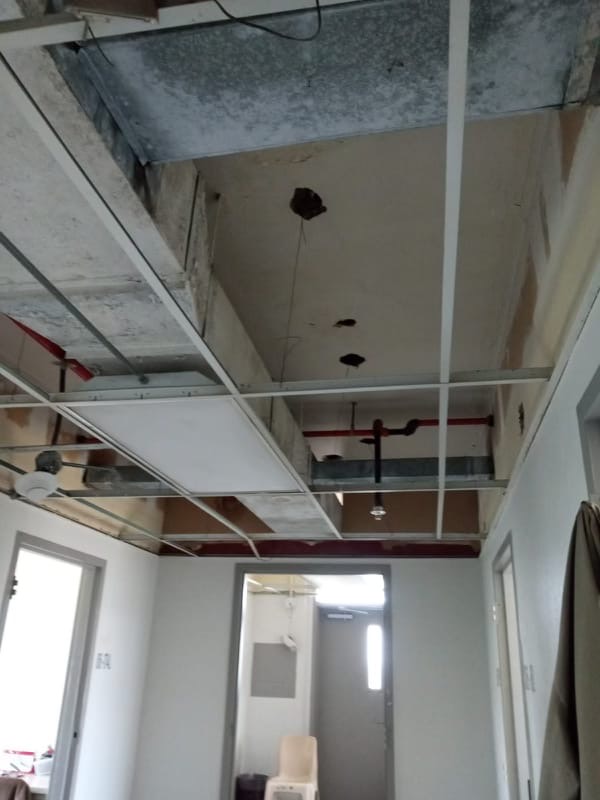
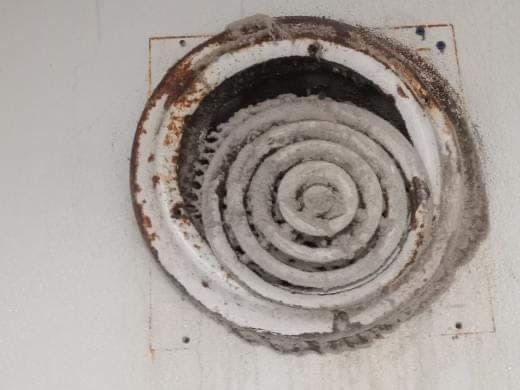
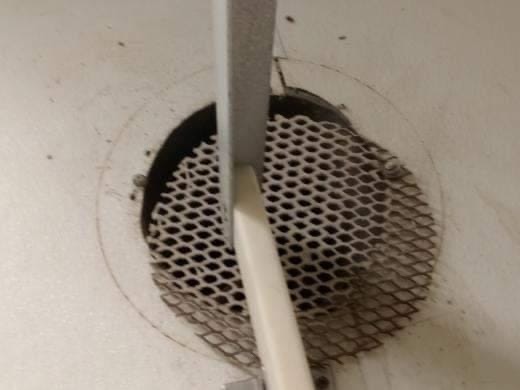
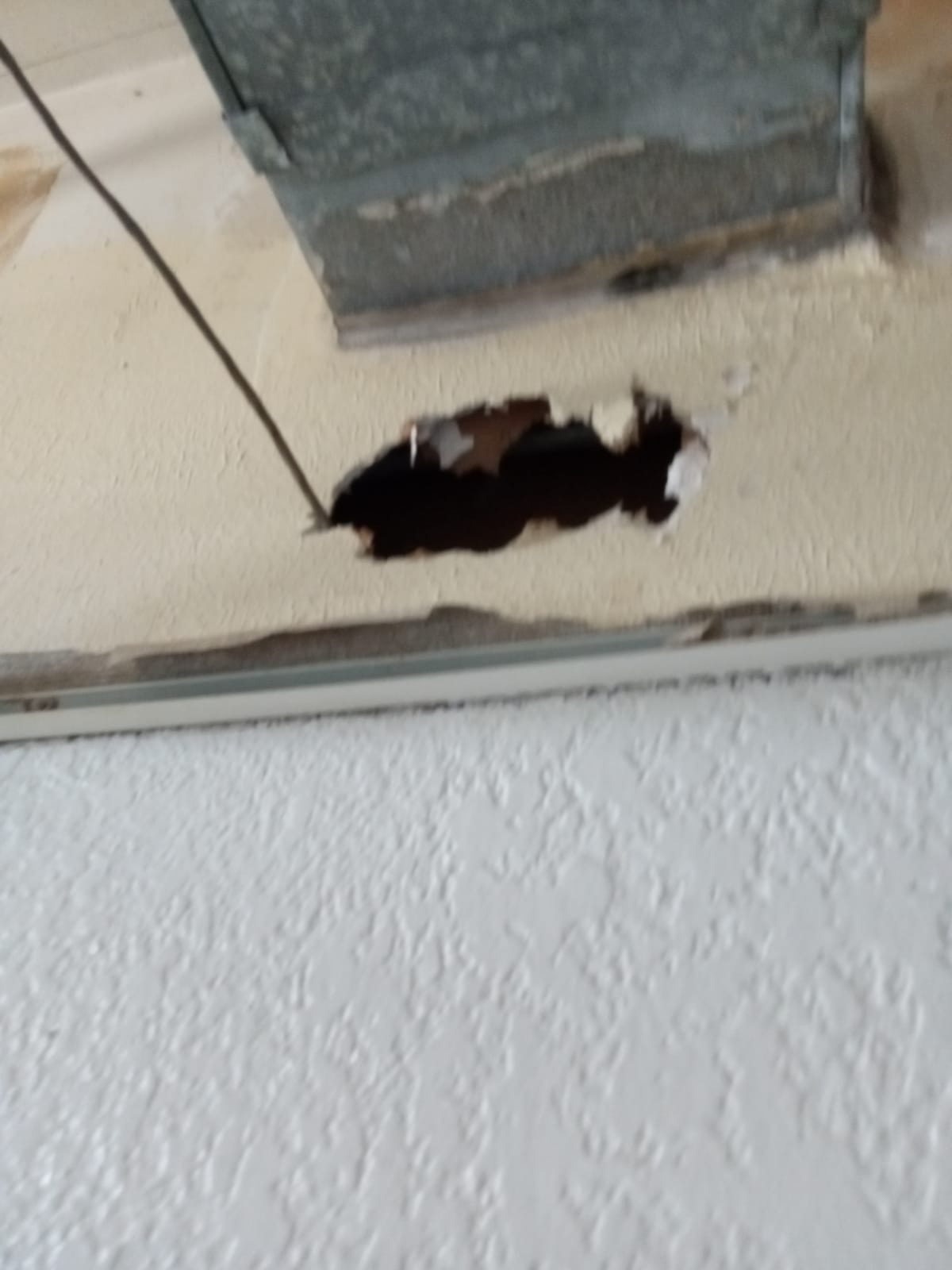
According to the reporting received, incarcerated individuals continue to report deteriorating physical conditions throughout housing and common areas. Submitted photographs appear to show missing ceiling tiles, exposed wiring, open wall and ceiling access points, damaged lighting fixtures, unfinished electrical work, and deteriorating infrastructure in occupied areas. Reporting parties expressed concerns regarding the potential safety risks associated with exposed electrical components and incomplete maintenance projects.
Additional photographs appear to show signs of water intrusion and moisture damage, including staining, deteriorating ceiling materials, and visible green organic growth along portions of restroom walls. If accurate, these conditions raise broader concerns regarding moisture control, mold prevention, environmental health, and facility maintenance.
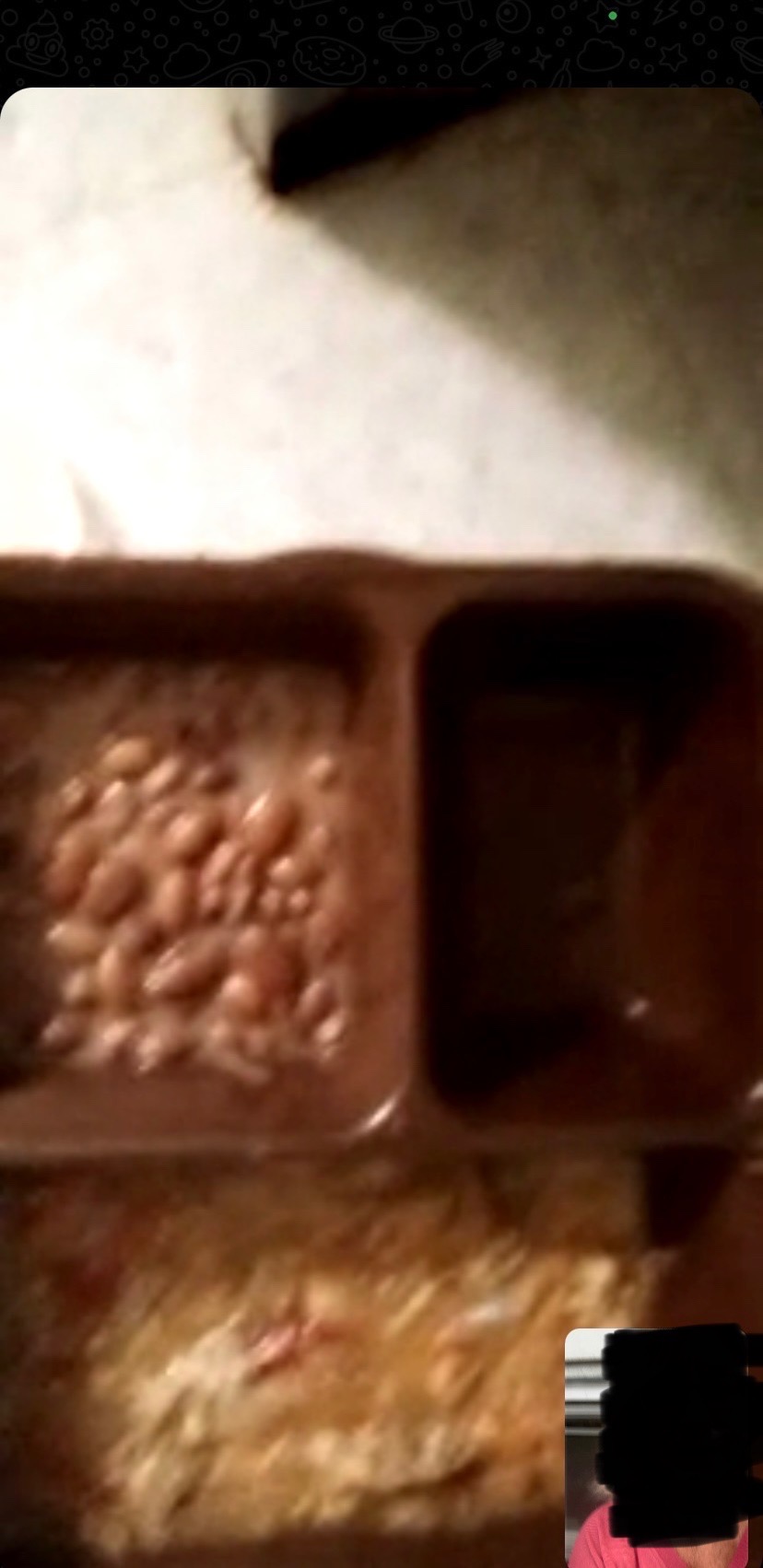
Loved Ones Coalition also received reports regarding food service. One reporting party submitted a photograph alleging a meal consisting of only a small portion of pasta accompanied by a few pieces of produce, raising concerns regarding meal adequacy and nutritional value. Additional reporting alleges continued concerns regarding food quality and consistency.
Medical concerns were also reported. One incarcerated individual submitted a photograph appearing to show significant discoloration of multiple toenails, reportedly after repeated requests for medical attention. While Loved Ones Coalition cannot independently determine the cause from the image alone, the reporting raises concerns regarding timely access to medical evaluation for potentially treatable conditions.
Taken together, the reporting received regarding FMC Fort Worth raises broader questions regarding facility maintenance, environmental health, sanitation, food service quality, infrastructure safety, and timely access to medical care within a federal medical center.
2. Key Concern Table
| Concern Area | Description | Potential Concern Area |
| Facility Infrastructure | Submitted photographs appear to show exposed ceilings, open wall cavities, damaged fixtures, exposed wiring, and unfinished maintenance work in occupied areas. | Facility Maintenance |
| Environmental Health | Reporting and photographs raise concerns regarding water intrusion, moisture damage, and apparent organic growth within restroom areas. | Environmental Health |
| Electrical Safety | Photographs appear to show exposed electrical wiring and incomplete electrical installations. | Life Safety |
| Food Service | Reporting alleges inadequate meal portions and concerns regarding food quality and nutritional adequacy. | Food Service Operations |
| Medical Care | Reporting raises concerns regarding delayed evaluation of an apparent foot or toenail condition requiring medical assessment. | Health Services |
| Conditions of Confinement | Multiple reports collectively describe deteriorating physical conditions affecting daily living within the institution. | Conditions of Confinement |
3. Direct Testimony
“This is the meal they were served.”
“I’ve repeatedly requested medical attention.”
“These are the conditions inside the unit.”
4. Systemic Concerns
The reporting received regarding FMC Fort Worth raises concerns extending beyond isolated maintenance issues and instead suggests broader questions regarding facility upkeep, environmental health, infrastructure management, and conditions within a federal medical institution.
Photographs submitted during this reporting period appear to document extensive deferred maintenance, including exposed ceilings, damaged building materials, unfinished electrical work, and open access points throughout occupied areas. While the photographs alone cannot establish the cause or duration of these conditions, they raise questions regarding routine maintenance practices and whether repairs are being completed in a timely manner.
Reporting and photographic documentation also raise concerns regarding moisture intrusion and apparent organic growth within restroom areas. If these conditions are widespread, they may warrant review of environmental health protocols, moisture mitigation efforts, and inspection practices intended to prevent deterioration of institutional infrastructure.
The reporting further raises questions regarding food service quality and adequacy, as well as timely access to medical evaluation for reported health concerns. Given that FMC Fort Worth serves individuals with significant medical needs, reports involving delayed medical attention and deteriorating physical conditions warrant careful review to ensure institutional operations remain consistent with Bureau standards and the facility’s medical mission.
Taken together, the reporting received reflects recurring concerns involving infrastructure maintenance, environmental health, food service operations, medical responsiveness, and overall living conditions that may warrant additional review by institution leadership.
5. Questions for Clarification
- Have institution leadership or Facilities staff conducted inspections regarding the reported structural damage, exposed wiring, and unfinished maintenance projects documented during this reporting period?
- What corrective actions have been taken to address the reported water intrusion, moisture damage, and apparent organic growth within occupied areas?
- Have Environmental Health personnel evaluated whether the reported conditions present sanitation or health concerns for incarcerated individuals or staff?
- What quality assurance measures are currently in place to ensure meals meet Bureau nutritional standards and are served in appropriate portions?
- Have Health Services staff reviewed the reported concerns regarding delayed medical evaluation for foot and toenail conditions, and what procedures are in place to ensure timely access to care?
- What is the current timeline for completing the reported maintenance projects affecting housing units and common areas?
- What steps are being taken to ensure facility conditions at a federal medical center remain safe, sanitary, and consistent with the institution’s healthcare mission?
SOUTHEAST REGION
FCI JESUP CAMP
Facility Maintenance, Environmental Conditions, Inspection Practices, and First Step Act Concerns




1. Summary of Concerns
Loved Ones Coalition received multiple reports this reporting period regarding deteriorating facility conditions at FCI Jesup Camp, along with allegations concerning institutional inspection practices and continued concerns surrounding First Step Act implementation.
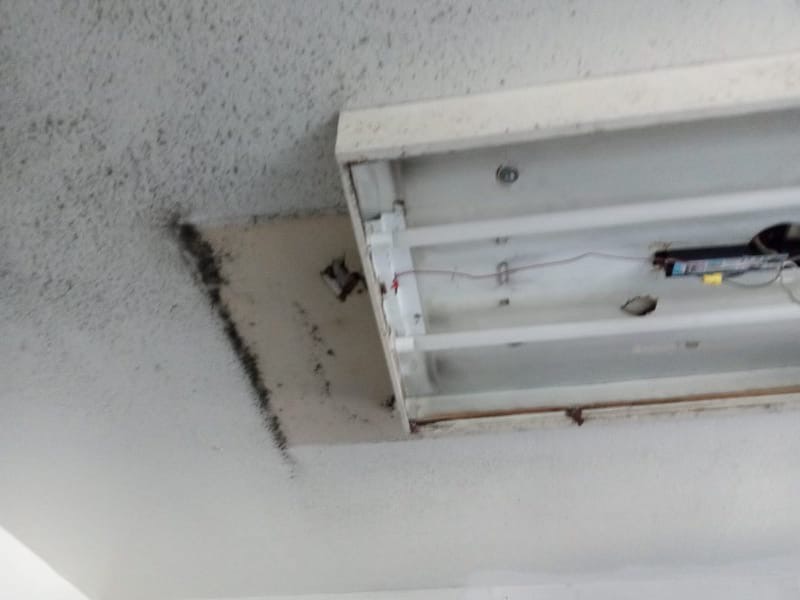
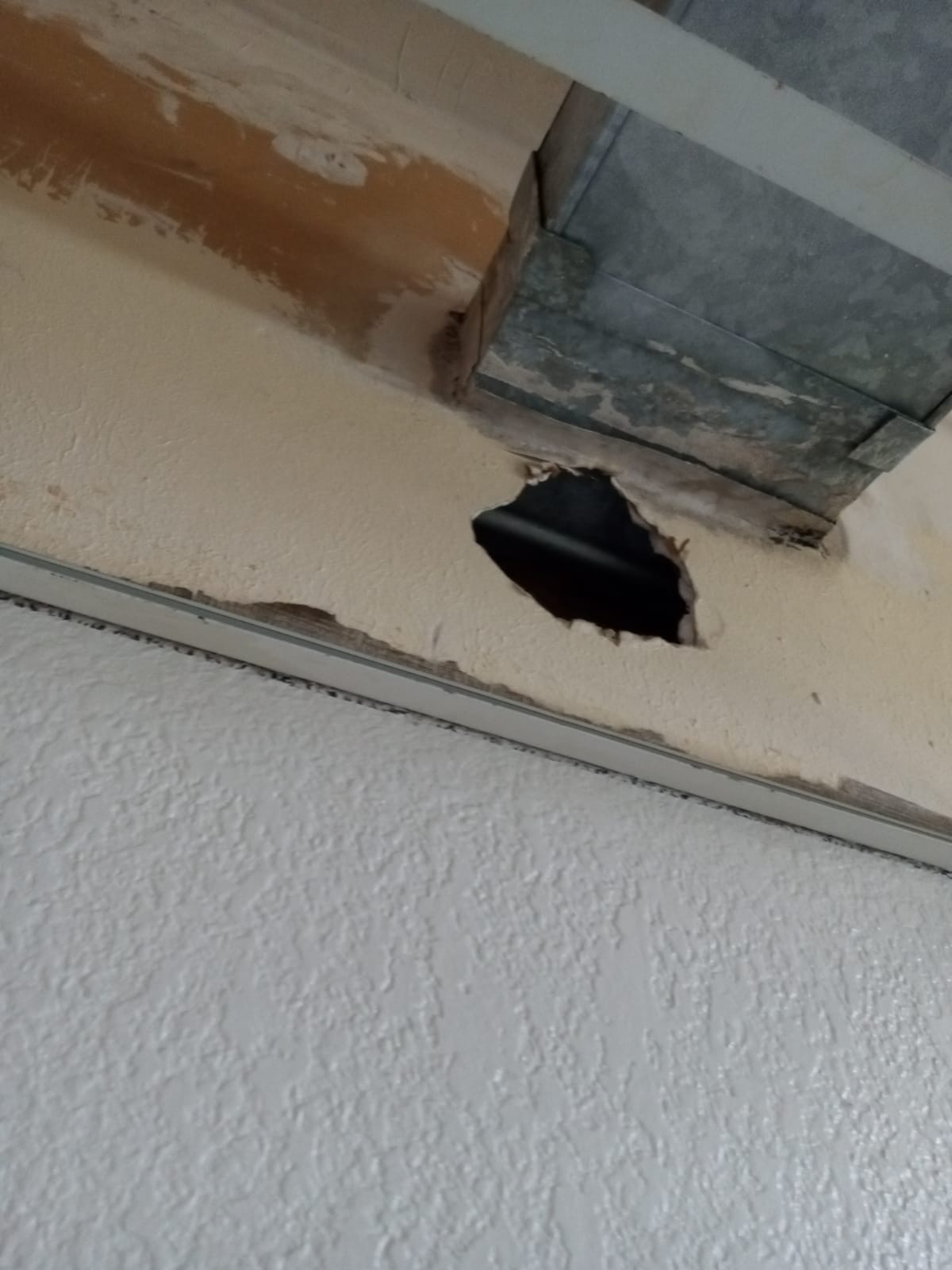
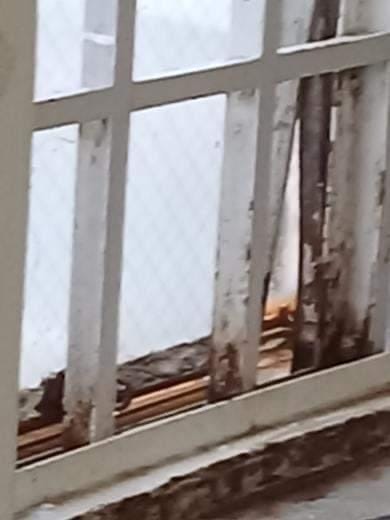
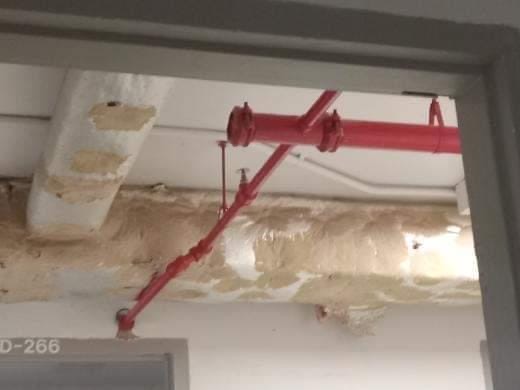
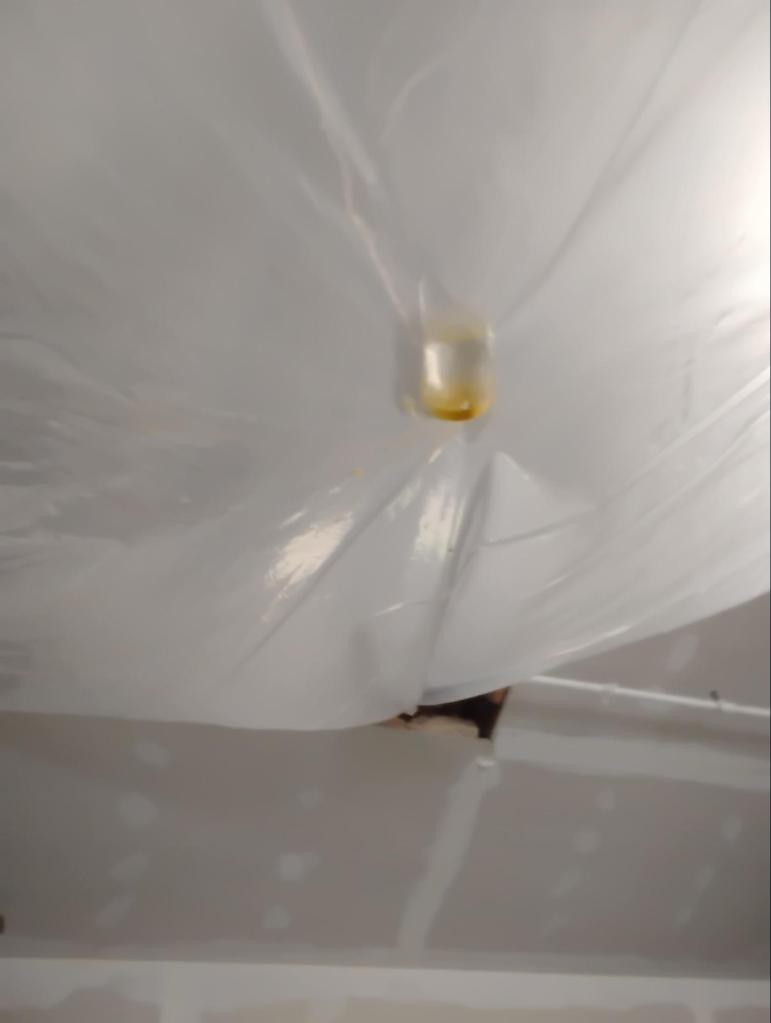
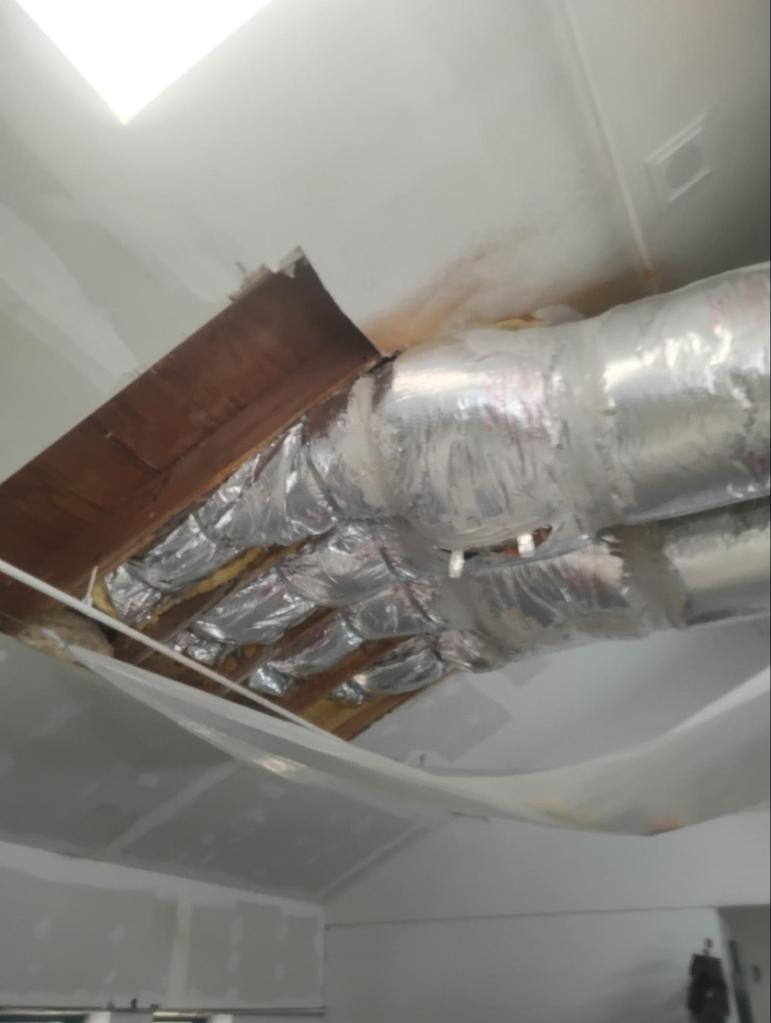
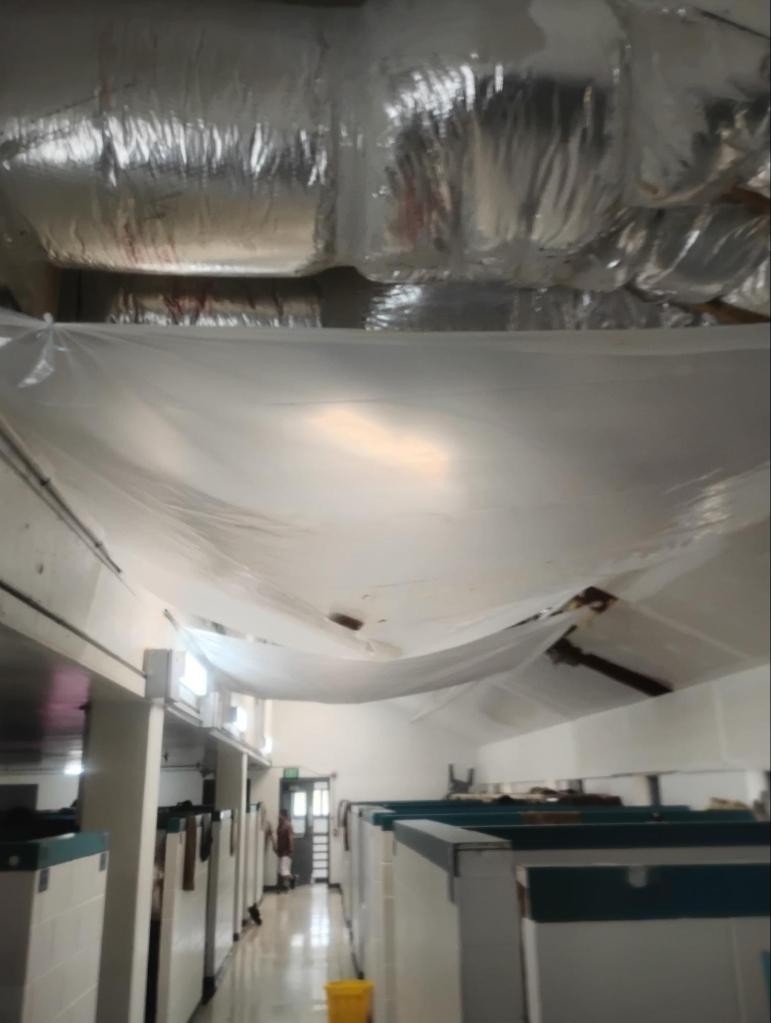
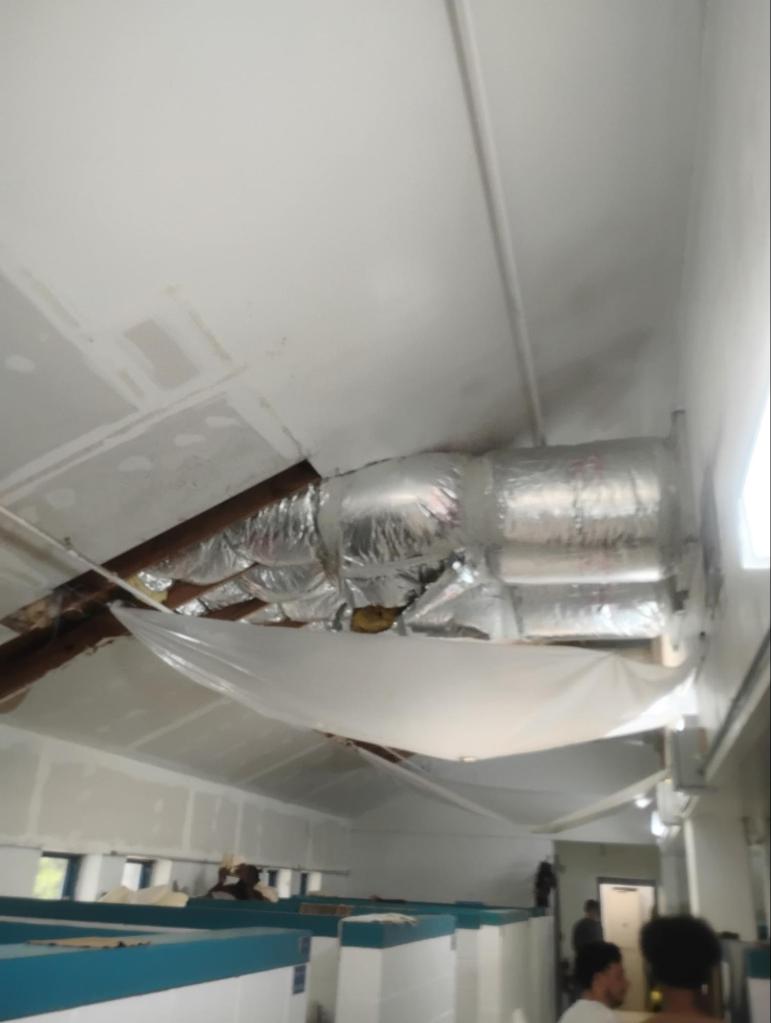
Photographs submitted to Loved Ones Coalition appear to show extensive ceiling damage throughout occupied housing areas. Multiple images depict missing ceiling sections exposing HVAC ductwork, water-stained drywall, and large sheets of plastic suspended overhead. One image appears to show containers collecting discolored water dripping from the ceiling, suggesting ongoing water intrusion. While Loved Ones Coalition cannot independently verify the source of the leaks, the photographs raise concerns regarding deferred maintenance and environmental conditions within occupied living spaces.
In addition to the physical conditions, Loved Ones Coalition received reports alleging that institution staff instructed incarcerated individuals not to speak with an inspection team regarding concerns about First Step Act or Second Chance Act implementation. According to one message submitted to the Coalition:
“The captain and Camp Administrator came here and clearly stated under no circumstances is anybody to approach or talk to the inspection team about First Step Act or Second Chance Act.”
Loved Ones Coalition cannot independently verify this allegation. However, if accurate, such directives could discourage incarcerated individuals from raising concerns during official inspections.
Separate reporting alleges that an inspection team recently visited the institution but did not enter the camp housing area. One reporting party stated that inspectors “cleared the metal detectors and turned around and left,” leaving incarcerated individuals believing their housing conditions were never observed.
The Coalition also received correspondence alleging lengthy delays in adjudicating petitions filed under 28 U.S.C. § 2241 in the federal court serving the Jesup area. According to the reporting, some incarcerated individuals pursuing First Step Act earned time credit litigation allegedly remain incarcerated while awaiting court action, only to have petitions dismissed after release as moot. Loved Ones Coalition cannot independently verify these allegations, but the reports reflect ongoing concerns regarding timely judicial review of earned time credit disputes.
2. Key Concern Table
| Concern Area | Description | Potential Concern Area |
| Facility Maintenance | Photographs appear to show extensive ceiling damage, exposed HVAC systems, water intrusion, and ongoing structural deterioration in occupied housing units. | Facility Maintenance |
| Environmental Conditions | Reports and photographs raise concerns regarding water leaks, moisture damage, and potential indoor environmental hazards. | Environmental Health |
| Inspection Practices | Reporting alleges incarcerated individuals were instructed not to discuss First Step Act concerns with inspection personnel. | Institutional Oversight |
| Transparency | Reporting alleges inspection personnel did not enter camp housing areas despite conducting an institutional visit. | Accountability |
| First Step Act | Multiple reports continue to describe concerns regarding implementation of earned time credits and Second Chance Act placement. | Sentence Computation |
| Judicial Delays | Reporting alleges prolonged delays in resolving First Step Act-related habeas petitions filed under 28 U.S.C. § 2241. | Access to Judicial Review |
3. Direct Testimony
“Under no circumstances is anybody to approach or talk to the inspection team about First Step Act or Second Chance Act.”
“They just cleared the metal detectors and turned around and left.”
“People literally wait over a year or more for literally nothing.”
4. Systemic Concerns
The reporting received regarding FCI Jesup Camp raises concerns that extend beyond deferred maintenance alone. Submitted photographs appear to document prolonged water intrusion affecting occupied housing areas, with temporary plastic sheeting reportedly being used to divert leaking water. If these conditions have persisted over time, they raise broader questions regarding preventive maintenance, infrastructure management, and environmental health within the institution.
The allegations concerning inspection practices are also significant. If incarcerated individuals were instructed not to communicate concerns to visiting inspection teams, such actions could undermine the purpose of institutional oversight by limiting inspectors’ ability to obtain candid information regarding operational issues. Loved Ones Coalition cannot independently verify these allegations but believes they warrant clarification from institution leadership.
The additional reports regarding inspection teams allegedly not entering the camp housing area likewise raise questions about the scope of recent inspections and whether living conditions observed by incarcerated individuals were adequately evaluated.
Finally, repeated reporting regarding delays in First Step Act litigation reflects broader concerns already being reported from multiple institutions nationwide. Allegations that petitions remain unresolved until after release, resulting in dismissal as moot, raise questions regarding timely judicial review of earned time credit disputes and the practical ability of incarcerated individuals to obtain meaningful relief before their release dates.
5. Questions for Clarification
- What is the current status of repairs addressing the reported ceiling damage, water intrusion, and deteriorating housing conditions documented in the submitted photographs?
- Have Environmental Health or Facilities staff evaluated the reported leaks for potential mold, moisture damage, or other health concerns?
- Were incarcerated individuals provided any instructions regarding communicating with visiting inspection teams, and if so, what guidance was given?
- Did the recent inspection team conduct walkthroughs of the camp housing units, or were portions of the institution excluded from inspection?
- What measures are currently being taken to ensure First Step Act and Second Chance Act concerns may be raised freely during institutional oversight visits?
- Has institution leadership identified any ongoing infrastructure issues contributing to repeated roof or ceiling leaks within the camp?
- What coordination, if any, exists between the institution and the appropriate federal court regarding timely resolution of First Step Act-related habeas petitions where release dates may be affected?
WESTERN REGION
FCI PHOENIX
Water Quality, Environmental Health, and Access to Safe Drinking Water
1. Summary of Concerns
Loved Ones Coalition received multiple independent reports this reporting period regarding alleged water contamination at FCI Phoenix. The reports consistently describe concerns about access to safe drinking water, use of facility water for food preparation and hygiene, and reported health symptoms among incarcerated individuals.
According to multiple submissions, incarcerated individuals have allegedly been instructed not to drink the institution’s tap water and have instead been provided a limited number of bottled waters each day. Several reporting parties stated that bottled water allocations are insufficient to meet hydration needs, particularly during periods of extreme heat.
Several submissions also allege that institution water continues to be used for cooking, showers, and hygiene despite concerns regarding contamination. Multiple reports specifically reference alleged arsenic contamination, while others reference parasites or worms in the water. Loved Ones Coalition cannot independently verify the nature or source of the reported contamination, nor whether these characterizations accurately reflect official water testing results. However, the consistency of the reporting warrants further review.
Loved Ones Coalition also received reports alleging that incarcerated individuals have experienced headaches, diarrhea, gastrointestinal illness, and concerns regarding long-term health effects. One submission expressed concern for an incarcerated individual with kidney disease whose prescribed medications require adequate hydration, stating that current bottled water allocations may be insufficient to safely support prescribed medical treatment.
Several reporting parties stated they believe the water issues have persisted for an extended period and expressed concern that many incarcerated individuals may have been exposed before bottled water restrictions were implemented.
2. Key Concern Table
| Concern Area | Description | Potential Concern Area |
| Drinking Water | Multiple reports allege the institution’s tap water is unsafe for consumption and bottled water is being substituted. | Environmental Health |
| Water Access | Reporting alleges incarcerated individuals receive limited bottled water that may be insufficient during extreme temperatures. | Basic Living Conditions |
| Food Preparation | Reports allege institution water continues to be used for cooking despite concerns regarding contamination. | Food Safety |
| Medical Care | Families expressed concern that limited access to safe drinking water may adversely affect individuals with chronic medical conditions requiring hydration. | Medical Services |
| Reported Illness | Multiple submissions describe headaches, diarrhea, gastrointestinal illness, and other symptoms reportedly affecting incarcerated individuals. | Environmental Health |
| Long-Term Exposure | Several reporting parties expressed concern regarding prolonged exposure to alleged water contamination before protective measures were implemented. | Public Health |
3. Direct Testimony
“The inmates cannot drink or cook with it.”
“They are being given a bottle of water with each meal and told they cannot cook or brush their teeth.”
“Others have reported symptoms of headaches and diarrhea.”
“Water is undrinkable. Arsenic levels too high.”
“My loved one is even scared to eat what is served due to them cooking with that water.”
4. Systemic Concerns
The volume and consistency of reports received regarding FCI Phoenix raise significant concerns regarding access to safe drinking water and environmental health within the institution. Although Loved Ones Coalition cannot independently verify the reported contamination or identify the specific contaminants involved, multiple independent submissions consistently describe restricted access to potable water, reliance on bottled water, and concerns regarding the continued use of institution water for cooking and hygiene.
The reports also highlight the potential impact on medically vulnerable individuals, including those with kidney disease or other chronic medical conditions requiring adequate hydration. If bottled water allocations are insufficient, such individuals could face heightened health risks, particularly during periods of elevated temperatures.
Several submissions also suggest incarcerated individuals continue to report headaches, diarrhea, and gastrointestinal illness. While these symptoms cannot be directly attributed to water quality based solely on witness reporting, the consistency of the complaints underscores the importance of timely environmental testing, transparent communication, and ongoing medical monitoring.
5. Questions for Clarification
- What prompted the institution to begin distributing bottled water to incarcerated individuals?
- Has the institution identified any water quality issue requiring restrictions on consumption, and if so, what contaminants have been identified?
- Are incarcerated individuals currently permitted to use tap water for cooking, brushing teeth, or preparing beverages?
- What quantity of bottled water is being provided daily, and has that amount been evaluated for adequacy during periods of extreme heat?
- Have independent water quality tests been conducted, and will the results be made available to incarcerated individuals and their families?
- Has Health Services evaluated reports of headaches, gastrointestinal illness, or other symptoms that may be associated with the reported water concerns?
- What accommodations are being provided for medically vulnerable individuals whose treatment plans require increased hydration or access to safe drinking water?