
September 14, 2026 – Weekly Oversight Report
LOVED ONES COALITION
Weekly Oversight Report
Documenting Systemic Concerns Across the Federal Bureau of Prisons
September 14, 2026
There comes a point when continued documentation must result in meaningful corrective action.
Loved Ones Coalition has spent considerable time documenting conditions inside federal institutions because our objective has never been simply to expose problems. We want them fixed. When concerns can be addressed directly, quickly, and cooperatively, that is always our preferred outcome.
But cooperation cannot become an endless cycle of photographs, videos, testimony, reports, and documentation while the same conditions continue.
This week’s report again raises concerns involving deteriorating infrastructure, sanitation and plumbing failures, restrictive-housing conditions, medical and medication access, programming, mail, staffing, disability accommodation, and other basic institutional operations.
Some of what we are documenting should not require prolonged debate.
Mail should be delivered. People with disabilities should have their documented limitations respected. Treatment and educational programs should function as intended. Prescribed medications should be available. Toilets, showers, plumbing, ceilings, and occupied housing areas should be maintained in conditions appropriate for human occupancy.
And when an institution has deteriorated to the point that those standards cannot reasonably be maintained, the question must be asked whether people should continue to be housed there at all.
FCC Forrest City is now a priority focus for Loved Ones Coalition. The volume and persistence of documentation we have received from that complex—including photographs, videos, firsthand accounts, and real-time documentation—have reached a point where we believe piecemeal responses are no longer sufficient. We are requesting comprehensive review of the facility’s condition and whether continued occupancy is appropriate without substantial remediation.
Our approach going forward is simple:
Fix what can be fixed. Tell us what cannot be fixed immediately and provide a credible timeline. And when serious documented conditions continue without meaningful correction, we will escalate the evidence to those with the authority to require action.
That may include congressional offices, independent oversight entities, inspectors, policymakers, media, and other appropriate accountability channels.
We would much rather publish photographs showing repairs than photographs showing deterioration.
We would much rather report progress than repeat the same concerns.
But until the conditions change, the reporting will continue—and where necessary, so will the escalation.
Loved Ones Coalition remains committed to one outcome:
Document it. Verify it. Fix it.
NORTHEAST REGION
FCI FORT DIX
Deteriorating Restroom and Shower Conditions, Broken Fixtures, Sanitation, Deferred Maintenance, Infrastructure Deterioration, and Remediation Timeline Concerns
1. Summary of Concerns
Loved Ones Coalition received photographic documentation depicting deteriorating restroom and shower conditions at FCI Fort Dix. The conditions documented are reportedly longstanding and raise significant concerns regarding sanitation, plumbing and fixture maintenance, physical-plant deterioration, preventative maintenance, and the continued use of institutional areas in visibly deteriorated condition.
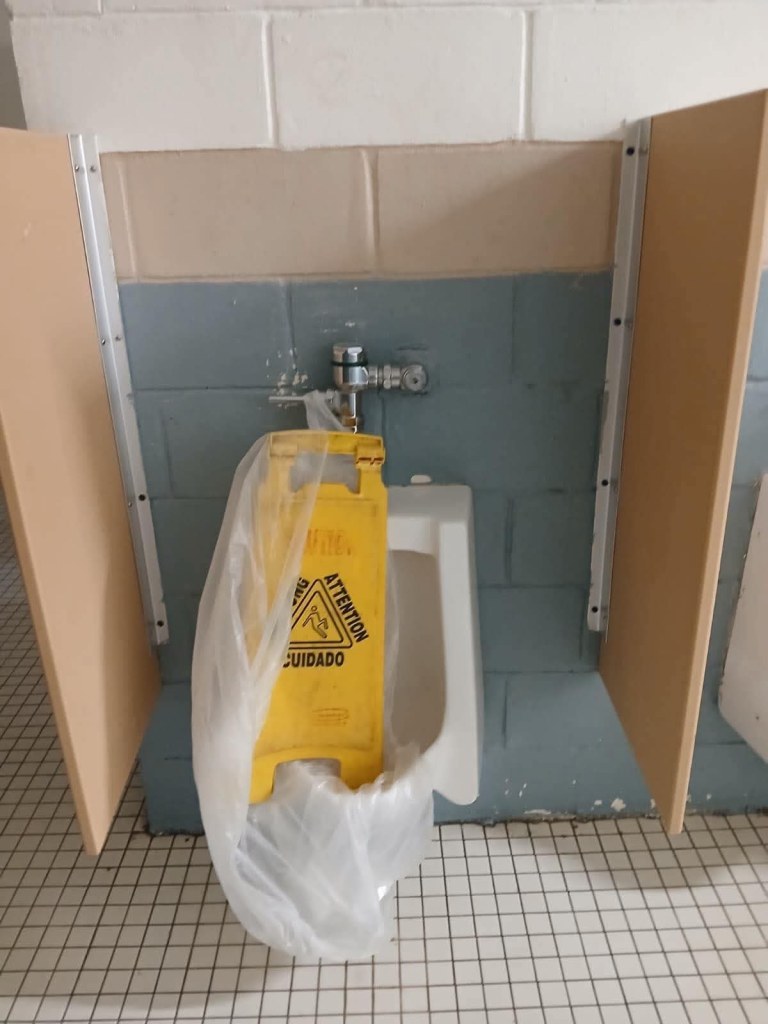
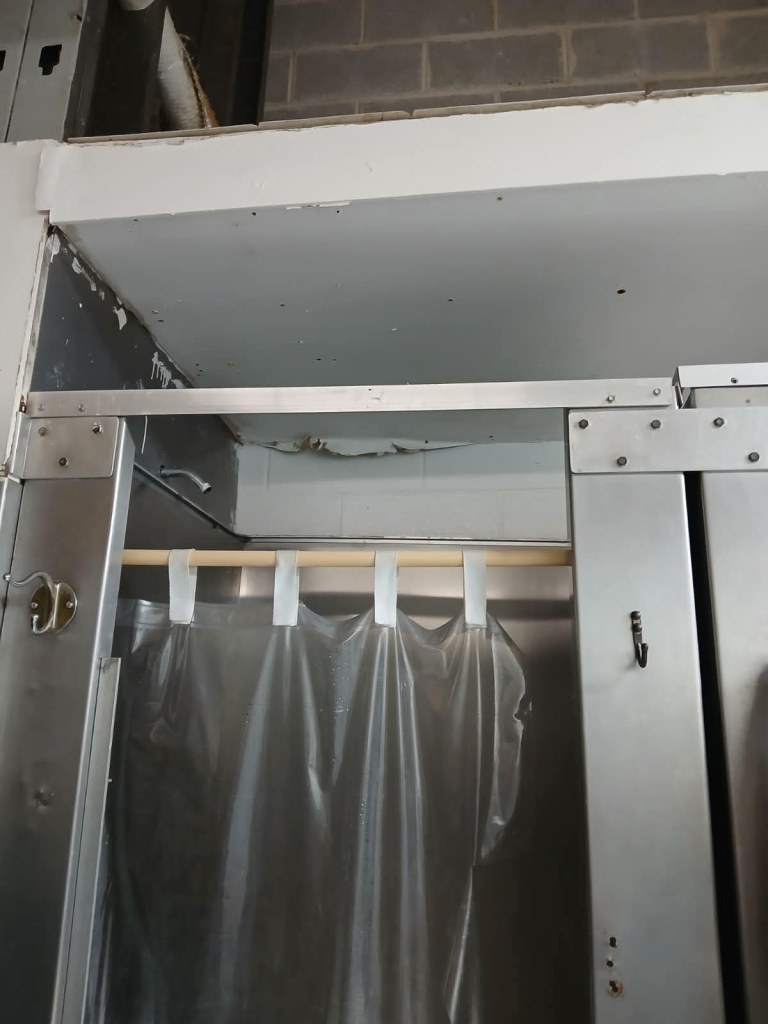
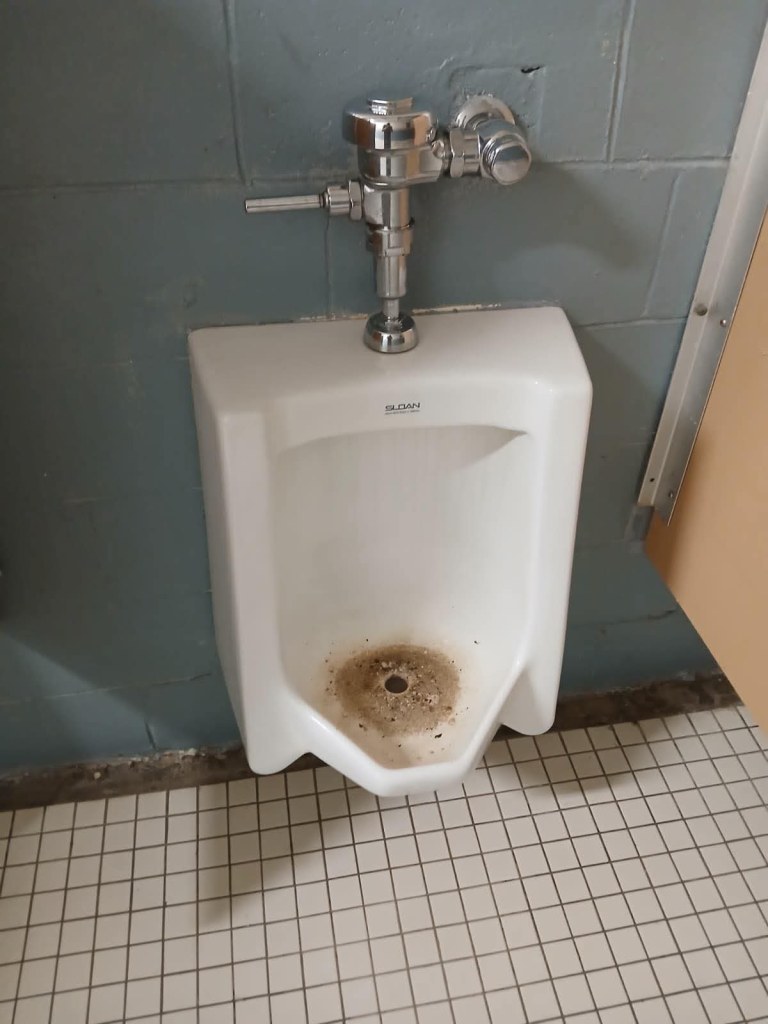
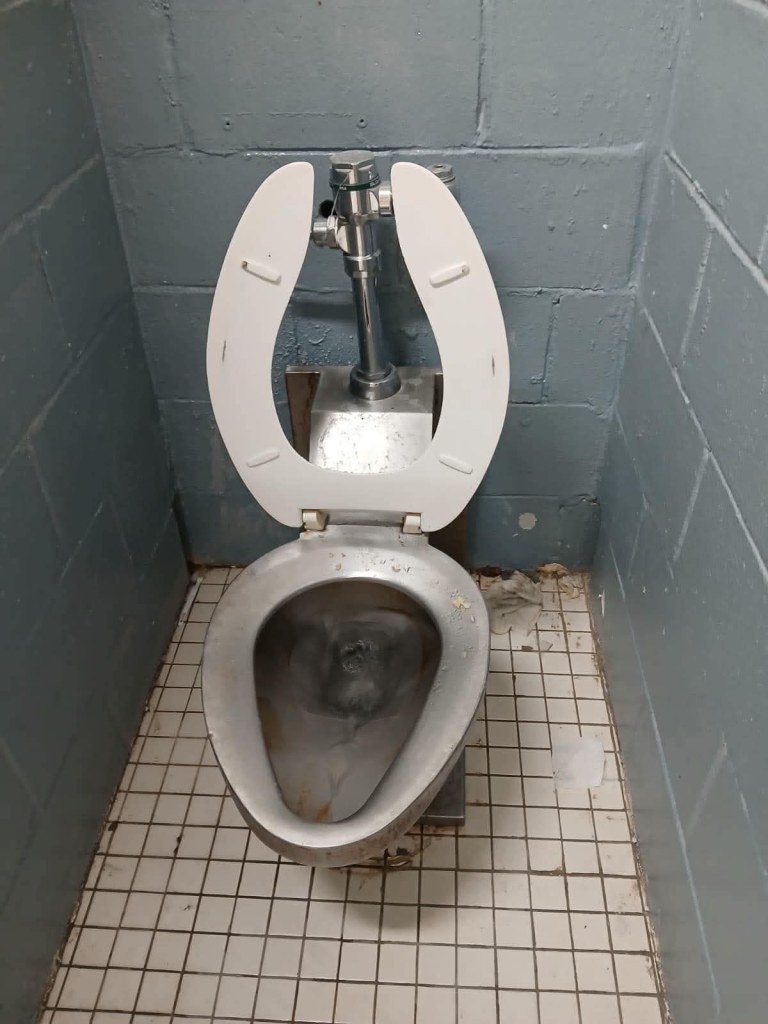
The photographs depict multiple conditions that can be evaluated directly from the documentation without relying upon unverified testimony. One restroom fixture is covered with cardboard bearing the handwritten notation, “Does NOT Work.” Another urinal appears to have been taken out of service using a plastic covering and a caution sign. Additional photographs depict substantial staining and accumulated residue within and around restroom and shower fixtures.
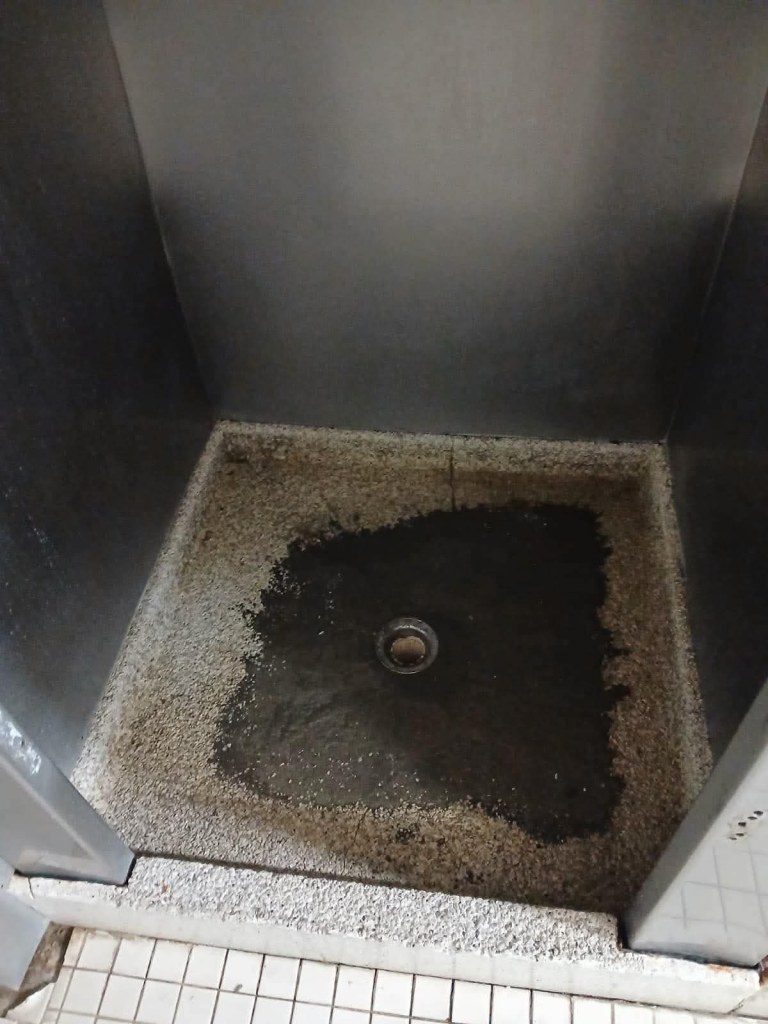
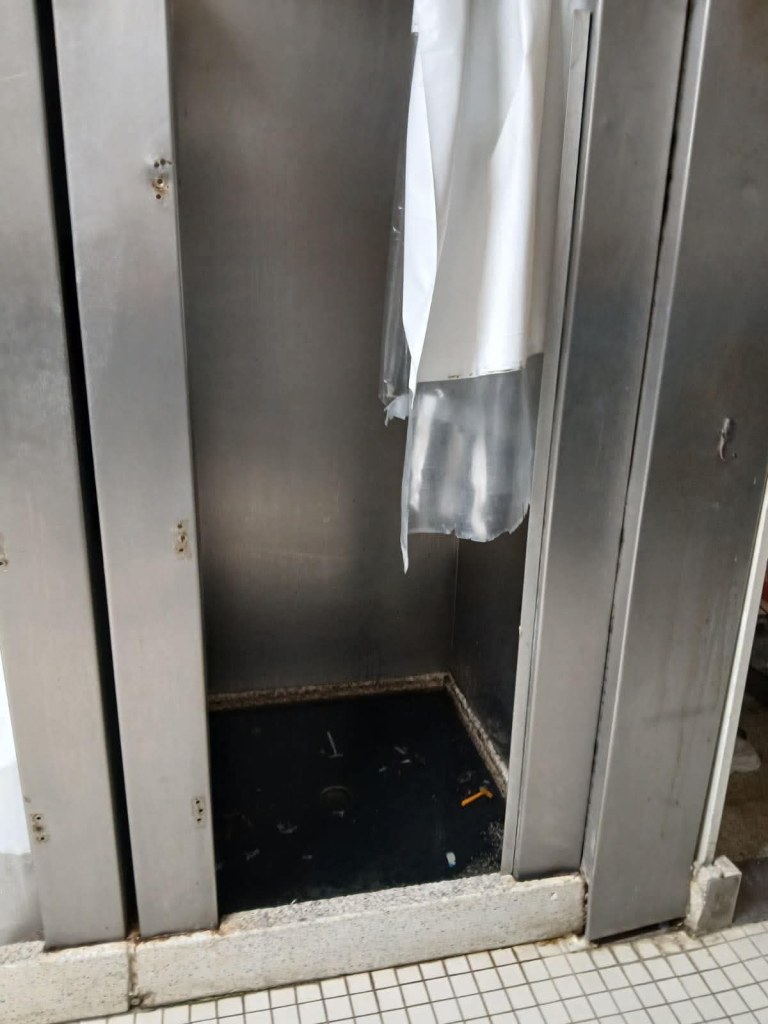
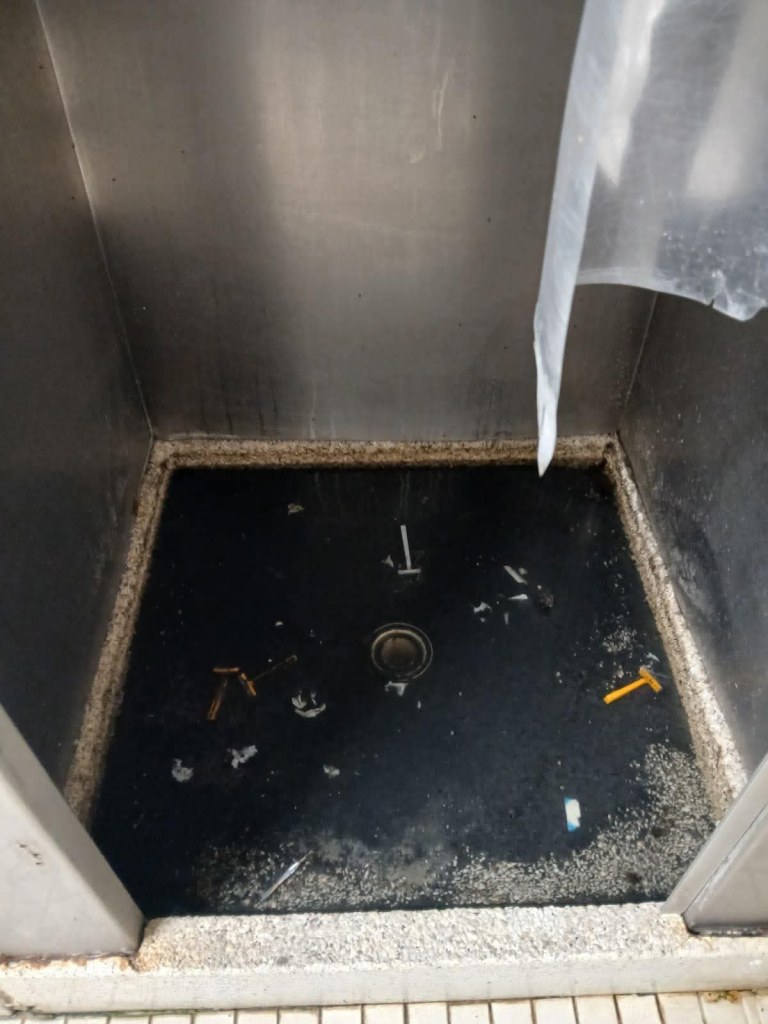
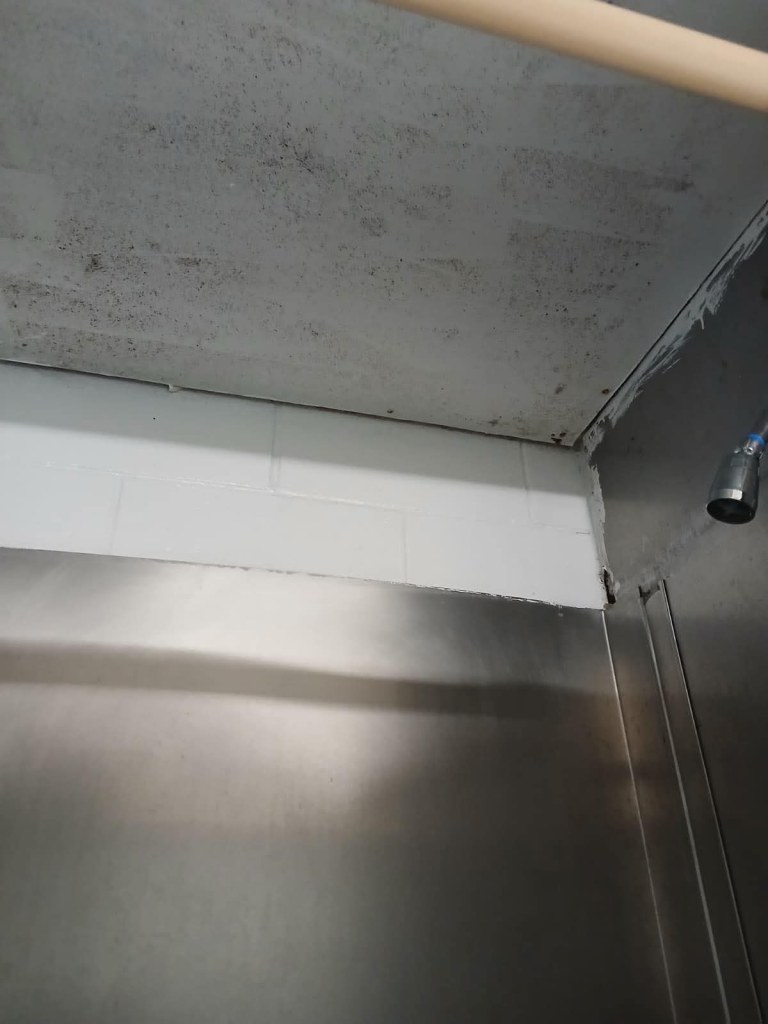
The shower areas depicted raise additional concerns. Photographs show extensive dark discoloration and staining across portions of shower floors and lower surfaces, including around drains and perimeter areas. Loved Ones Coalition cannot determine from photographs alone whether any visible material represents mold, mildew, microbial growth, mineral accumulation, biological residue, or another substance. The condition and apparent extent of the affected surfaces nevertheless warrant direct sanitation and environmental-health inspection.
More significantly, the photographs appear to document deterioration extending beyond individual bathroom fixtures.
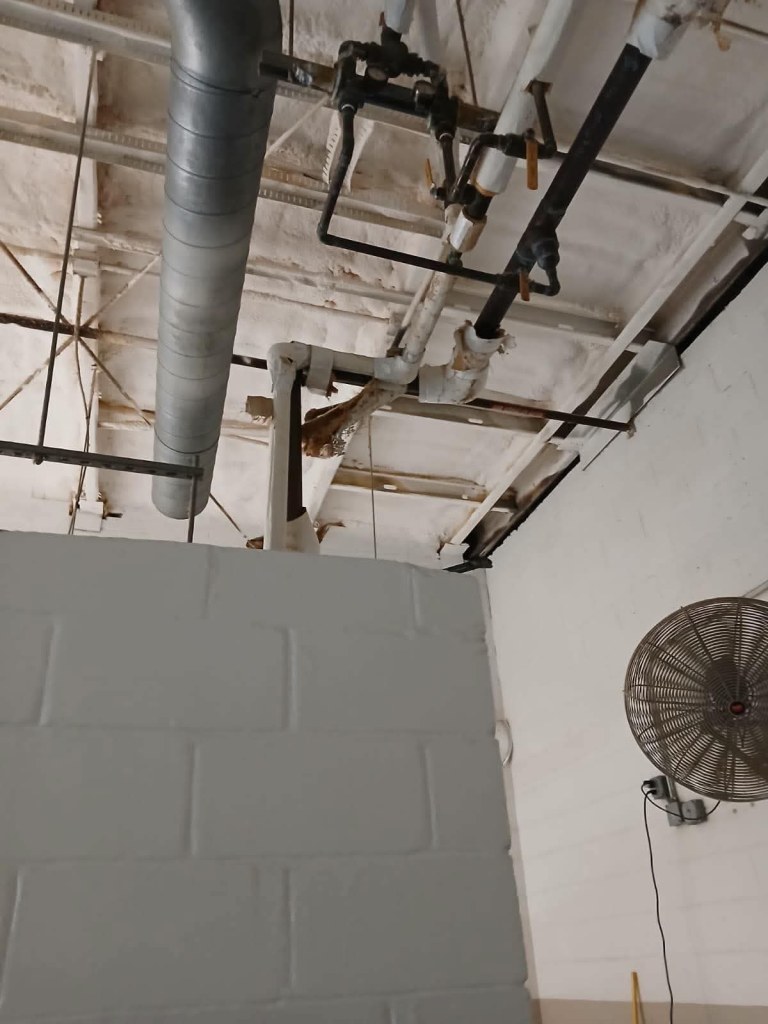
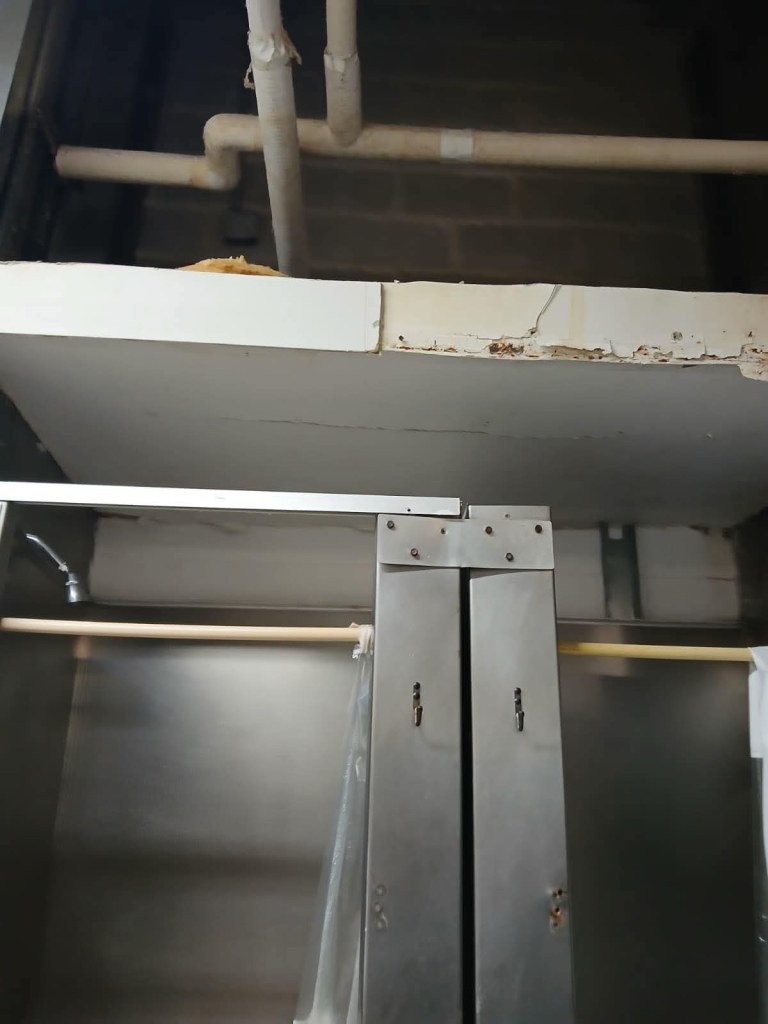
Several images show large portions of overhead building infrastructure exposed above shower areas, including extensive piping, ductwork, framing, and other mechanical components. Portions of pipe covering or insulation appear damaged, deteriorated, or missing. Other photographs depict damaged or deteriorating ceiling and wall material, including areas where material appears cracked, separated, peeling, or absent.
Taken collectively, these photographs do not depict a single broken toilet, isolated dirty shower, or minor maintenance deficiency. They depict multiple maintenance and sanitation concerns occurring within the same general institutional environment and raise questions regarding the condition of the underlying physical plant.
Loved Ones Coalition has repeatedly documented deteriorating infrastructure and sanitation conditions across Bureau institutions. At Fort Dix specifically, the concern now is not simply whether individual work orders have been generated. The question is what comprehensive assessment has been conducted, what repairs have been authorized, and what timeline exists for permanent remediation.
If these conditions have persisted for a significant period, continued temporary measures are not an adequate substitute for repair.
A cardboard sign stating that a fixture “does not work” does not repair the fixture. A caution sign and plastic covering do not restore a urinal to service. Continued deterioration of overhead building materials is not corrected by leaving infrastructure exposed.
The Bureau should be able to identify when these deficiencies were first documented internally, when work orders were submitted, what repairs have been completed, what repairs remain outstanding, whether funding or contracting limitations are delaying remediation, and—most importantly—when the affected areas will be restored to an appropriate condition.
2. Key Concern Table
| Concern Area | Description | Potential Concern Area |
| Restroom Fixtures | Photographs depict restroom fixtures apparently out of service, including one covered by cardboard marked “Does NOT Work” and another apparently taken out of service using a plastic covering and caution sign. | Facilities / Plumbing |
| Shower Sanitation | Photographs depict substantial staining, discoloration, residue, and deterioration within shower areas and around drains and perimeter surfaces. | Environmental Health / Sanitation |
| Building Infrastructure | Photographs depict extensive exposed overhead piping, ductwork, framing, and mechanical infrastructure above restroom/shower areas. | Facilities / Physical Plant |
| Deteriorating Materials | Portions of ceiling, wall, and pipe-covering materials appear damaged, deteriorated, separated, or missing. | Facilities / Preventative Maintenance |
| Longstanding Conditions | The documented conditions are reported to have existed for a significant period, raising questions regarding whether temporary measures have replaced permanent repair. | Institutional Administration / Facilities |
| Remediation Timeline | The continued condition of these areas raises questions regarding outstanding work orders, repair authorization, funding, contracting, and the expected completion date for remediation. | Regional / Institutional Facilities Oversight |
3. Photographic Documentation
Loved Ones Coalition is including the photographic documentation received from FCI Fort Dix with this report.
The photographs are significant because many of the central concerns do not depend upon competing accounts of what occurred. Broken or unavailable fixtures, makeshift coverings, deteriorated surfaces, exposed infrastructure, damaged building materials, and the general physical condition of the documented areas can be directly evaluated by institutional and Regional personnel.
Loved Ones Coalition does not attempt to determine from photographs alone the cause, age, environmental composition, or precise severity of every visible condition. Those determinations require an on-site inspection.
The photographs establish the need for that inspection.





4. Systemic Concerns
The larger concern presented by FCI Fort Dix is the apparent normalization of deteriorating institutional conditions.
Federal correctional facilities are complex physical plants, and individual plumbing failures and maintenance needs will inevitably occur. The appropriate oversight question is therefore not whether something eventually breaks. It is whether the institution has an effective system for identifying deficiencies, prioritizing repairs, maintaining sanitation while repairs are pending, and permanently correcting recurring or longstanding problems.
Where visibly deteriorated conditions remain for extended periods, the distinction between an unexpected maintenance problem and deferred maintenance becomes increasingly important.
Loved Ones Coalition continues receiving photographic, video, documentary, and testimonial evidence from federal institutions across the country depicting conditions that appear to persist across reporting periods. The recurring question is increasingly straightforward:
How long is an incarcerated population expected to live around a documented deficiency before that deficiency is permanently corrected?
At Fort Dix, Regional and institutional leadership should physically inspect the documented areas rather than limiting review to whether individual work orders exist in an electronic maintenance system.
The condition of the areas should be evaluated as a whole.
If repairs are already underway, Loved Ones Coalition welcomes that information and will document the corrective action just as clearly as the conditions that prompted this report.
If repairs are planned but not yet completed, the Bureau should provide a realistic timeline.
If repairs have been delayed because of procurement, contracting, staffing, funding, or infrastructure limitations, that should also be identified.
But “pending” cannot become an indefinite condition of confinement.
5. Questions for Clarification
- Have Facilities and Environmental Health personnel physically inspected the restroom and shower areas depicted in the photographs?
- When were the documented broken or unavailable restroom fixtures first reported to institutional Facilities personnel?
- What work orders currently exist for the plumbing, restroom, shower, ceiling, piping, and other infrastructure deficiencies depicted in the documentation?
- Which repairs have been completed, which remain outstanding, and what are the anticipated completion dates?
- Has the institution conducted a broader physical-plant assessment to determine whether the conditions represent isolated deficiencies or more extensive deferred-maintenance needs?
- Have the dark discoloration, staining, residue, and deteriorated surfaces within the shower areas been evaluated by Environmental Health personnel, including evaluation for moisture-related or microbial contamination where appropriate?
- Has the damaged or deteriorated pipe covering or insulation visible in the photographs been evaluated to determine its condition and whether repair, containment, or replacement is necessary?
- Are any restroom or shower fixtures currently unavailable because of the documented maintenance conditions, and if so, how many functioning toilets, urinals, and showers remain available to the population relying upon these areas?
- Are procurement, contracting, staffing, funding, or other resource limitations contributing to delays in permanent remediation?
- What is the Bureau’s specific timeline for bringing the documented restroom, shower, sanitation, and infrastructure conditions at FCI Fort Dix into an appropriate state of repair?
- If no definitive remediation timeline currently exists, why are incarcerated individuals continuing to be housed in and required to use areas affected by longstanding documented deficiencies without a defined plan and completion date for permanent correction?
NORTHEAST REGION
FCI McKEAN — PENNSYLVANIA
RDAP Program Suspension, Program Continuity, Graduation Delays, Unequal Discipline, Collective Sanctions, Administrative Remedy Access, Participant Retaliation Concerns, and Program Oversight
1. Summary of Concerns
Loved Ones Coalition received substantial reporting concerning the operation of the Residential Drug Abuse Program (RDAP) at FCI McKean, culminating in reporting that the program has now been suspended indefinitely following an institutional security incident or investigation.
The concerns presented extend beyond the circumstances of the current suspension. Reporting describes longstanding problems involving delays in formal program placement, canceled or uncertain graduation dates, recurring cancellation of programming, inconsistent disciplinary practices, collective consequences imposed upon participants for the conduct of individuals, fear of retaliation for raising concerns, unanswered administrative remedies, and difficulty obtaining meaningful review from institutional or Regional personnel.
Loved Ones Coalition has intentionally withheld identifying information concerning incarcerated participants. Reporting indicates that individuals inside the program are reluctant to raise concerns because they fear adverse consequences for speaking openly about program operations. The purpose of this report is therefore not to identify individual complainants, but to request review of the administration and continuity of the program itself.
RDAP Participation and Delayed Formal Placement
Reporting alleges that some participants have been required to participate fully in RDAP programming and associated unit expectations for substantial periods before being formally placed into the program.
According to the reporting received, individuals may attend sessions, comply with program expectations, and participate in the RDAP therapeutic community while the period preceding formal placement is not credited in the same manner as official participation.
If accurate, this warrants clarification regarding the distinction between pre-placement participation and formal RDAP enrollment, the reasons participants may remain in that status for extended periods, and whether administrative delays can effectively extend the period necessary to complete the program.
Graduation Dates and Program Continuity
Loved Ones Coalition received reporting that previously anticipated RDAP graduation dates have been withdrawn or canceled with little advance notice.
In one reported instance, participants reportedly learned through a posted notice that an anticipated graduation date would no longer occur. Reporting indicates that participants were not provided a new graduation date or a detailed explanation regarding the change.
Other participants approaching later completion dates reportedly remain uncertain regarding whether their anticipated schedules will also be affected.
RDAP completion can have significant implications for release planning and transition. Even where anticipated completion dates are subject to legitimate operational changes, participants should receive timely and understandable information regarding changes that may affect program progression and release planning.
Recurring Class Cancellations
Reporting further alleges recurring last-minute cancellation of RDAP classes without meaningful explanation.
Loved Ones Coalition has been advised that these cancellations have occurred with sufficient frequency that participants have begun independently documenting canceled programming.
If programming is routinely canceled because of staffing, institutional operations, security concerns, or other limitations, the cumulative impact should be evaluated to determine whether participants are receiving the frequency and continuity of programming necessary for timely progression through RDAP.
Discipline, Collective Consequences, and Consistency
Additional reporting raises concerns regarding inconsistent disciplinary practices within the RDAP unit.
Participants reportedly perceive substantial differences in how rule violations are addressed. Reporting alleges that conduct by an individual participant may sometimes result in consequences affecting an entire class or group, while other reported violations receive little or no apparent intervention.
Loved Ones Coalition cannot independently determine whether individual disciplinary decisions were appropriate. The broader concern is whether behavioral expectations and program consequences are being administered consistently and whether participants who comply with program requirements are experiencing delays or restrictions because of conduct attributable to other individuals.
Where staff can identify the individuals responsible for particular conduct, individualized accountability should be favored over prolonged consequences imposed upon participants who were not involved, absent a legitimate and articulable program or security justification.
Administrative Remedy Access and Oversight
Reporting also raises concerns regarding the effectiveness of the Administrative Remedy Program as a mechanism for addressing RDAP concerns.
Loved Ones Coalition received reporting describing unanswered or substantially delayed BP-9, BP-10, and BP-11 filings. In at least one reported instance, an extension was reportedly requested for a response, yet the response allegedly remained outstanding beyond the extended period.
These allegations warrant review because the Administrative Remedy Program is the formal mechanism through which incarcerated individuals are expected to seek institutional and administrative review.
If participants cannot obtain timely responses through that process while simultaneously fearing consequences for raising concerns informally, there may be no meaningful internal avenue through which problems involving program administration can be addressed.
Fear of Retaliation and Participant Reporting
A particularly significant concern involves participants’ reported reluctance to raise concerns regarding RDAP operations.
Loved Ones Coalition has received reporting indicating that individuals fear that openly challenging program practices or identifying problems could negatively affect their standing within RDAP or otherwise expose them to adverse treatment.
Whether those fears ultimately prove substantiated or not, a treatment program cannot function effectively if participants reasonably believe that raising legitimate concerns about its administration may jeopardize their progression through the program.
Independent review should therefore include mechanisms allowing participants to provide information confidentially and without the presence of staff whose conduct or program administration may be the subject of their concerns.
Indefinite Suspension of RDAP
The most immediate concern is reporting that RDAP at FCI McKean has now been suspended indefinitely.
Participants reportedly learned through a posted institutional bulletin that the suspension was being implemented for institutional safety and security in connection with an investigation involving an item reportedly discovered concealed within the unit.
Loved Ones Coalition does not possess sufficient information to evaluate the underlying security incident and does not question the institution’s authority to investigate legitimate security concerns.
The oversight question is different:
Why must the entire treatment program remain suspended indefinitely while that investigation occurs, and what safeguards are in place to prevent uninvolved participants from losing additional program progress because of conduct they did not commit?
Reporting indicates participants were advised that the suspension does not reflect upon their individual performance. If so, the Bureau should explain how their individual program progression will be protected during the suspension.
For participants already experiencing uncertainty surrounding formal placement, canceled programming, and graduation dates, an indefinite program-wide suspension creates another layer of uncertainty over circumstances outside their individual control.
The Bureau should identify whether the suspension is expected to last days, weeks, or longer; what conditions must be satisfied before programming resumes; whether alternative programming can continue during the investigation; and how missed programming will affect anticipated completion dates.
2. Key Concern Table
| Concern Area | Description | Potential Concern Area |
| RDAP Suspension | Reporting indicates RDAP has been suspended indefinitely following a security-related investigation. | Psychology / Institutional Operations |
| Program Continuity | Participants report recurring cancellations and disruption of scheduled programming. | Psychology Services / RDAP |
| Formal Placement | Participants reportedly perform RDAP requirements for extended periods before receiving formal program placement. | Psychology Services |
| Graduation Dates | Reporting describes canceled or uncertain anticipated graduation dates without clear replacement dates. | RDAP Administration |
| Collective Consequences | Reporting alleges entire groups may experience consequences arising from individual participant conduct. | Program Administration |
| Consistency of Discipline | Participants report inconsistent application of behavioral expectations and consequences. | Psychology / Program Administration |
| Administrative Remedies | Reporting describes delayed or unanswered BP-9, BP-10, and BP-11 filings. | Institutional Administration |
| Retaliation Concerns | Participants reportedly fear adverse consequences for raising concerns regarding program operations. | Program Integrity / Accountability |
| Release Planning | Program disruption and uncertain completion dates may affect individuals attempting to plan transitions and release-related logistics. | Reentry / Psychology Services |
3. Prior Regional Outreach
The concerns regarding RDAP at FCI McKean reportedly predate the current suspension.
Earlier concerns regarding the program were elevated to the Northeast Regional level and forwarded to the Regional Psychology Treatment Program Coordinator. Communication was initiated in January 2026, including an offer to discuss the concerns by telephone.
The reporting party instead encouraged Regional personnel to speak directly with incarcerated participants regarding conditions within the program and subsequently provided additional written information.
According to the documentation provided to Loved Ones Coalition, subsequent correspondence seeking review did not receive a response.
The absence of meaningful follow-up is particularly concerning now that the program has reportedly reached the point of an indefinite suspension. Earlier reporting should be reviewed to determine whether concerns regarding program administration, continuity, staffing, or participant confidence were identified before the current disruption.
4. Systemic Concerns
RDAP is not ordinary institutional programming.
Participants are expected to engage seriously with treatment, accept accountability, follow behavioral expectations, participate in a structured therapeutic community, and make meaningful personal changes.
That requires institutional accountability as well.
A program built around responsibility and accountability loses credibility when participants perceive administrative delays, unexplained cancellations, inconsistent consequences, unanswered grievances, uncertain graduation schedules, and no safe mechanism for raising concerns.
The current suspension therefore should not be reviewed solely as an isolated security response.
Regional and Central Office Psychology Services should examine the cumulative operation of RDAP at FCI McKean: staffing and class continuity; enrollment and placement practices; graduation scheduling; disciplinary consistency; administrative-remedy responsiveness; participant confidence in reporting mechanisms; and whether institutional disruptions are interfering with timely program completion.
Most importantly, participants who were not responsible for the conduct underlying the current investigation should not experience indefinite consequences simply because they happen to participate in the same program.
An indefinite suspension requires a defined path back to operation.
5. Questions for Clarification
- What specifically is the current operational status of RDAP at FCI McKean, and on what date was programming suspended?
- Is the suspension truly indefinite, or has the institution established an anticipated date or criteria for resuming programming?
- What specific conditions must be satisfied before RDAP classes resume?
- Can portions of RDAP programming safely continue while the underlying security investigation proceeds?
- How will canceled programming during the suspension affect participants’ program progression and anticipated completion dates?
- Will participants who had no involvement in the incident underlying the suspension be protected from losing program progress because of the interruption?
- What is the current average period between beginning participation in RDAP-related activities and formal placement into the program at FCI McKean?
- Are participants required to comply with full RDAP programming or therapeutic-community expectations during periods that are not credited toward formal program participation?
- How many scheduled RDAP classes have been canceled during the previous six months, and what were the reasons for those cancellations?
- What policies govern modification or cancellation of anticipated RDAP graduation dates, and how are affected participants notified?
- What standards govern group or class-wide consequences arising from misconduct attributed to individual participants?
- What mechanisms exist for RDAP participants to report concerns confidentially without jeopardizing their standing or progression within the program?
- Are there currently outstanding administrative remedies concerning RDAP operations at FCI McKean that exceeded applicable response periods, including extensions?
- Were concerns previously elevated to Northeast Regional Psychology Services reviewed, and what follow-up occurred?
- What is the Bureau’s concrete plan and timeline for restoring stable RDAP programming at FCI McKean and ensuring that participants do not experience additional delays because of circumstances outside their individual control?
MID-ATLANTIC REGION
FCI HAZELTON — WEST VIRGINIA
Mail Distribution, Unit-Team Access, Inmate Pay Practices, Education Staffing, Disability Accommodation, Staff Conduct, Short Staffing, and Institutional Culture
1. Summary of Concerns
FCI Hazelton remains one of the highest-reported institutions to Loved Ones Coalition.
The volume and variety of reporting received from this facility continue to raise concerns not only about individual incidents, but about the broader institutional culture being described by incarcerated individuals.
This reporting period includes concerns involving mail distribution, unit-team accessibility, inmate compensation practices, education staffing, restrictions on commissary-purchased condiments, repeated short-staffing disruptions, and an allegation involving a correctional officer repeatedly directing an individual who uses a wheelchair to stand despite the individual reporting that he is physically unable to do so.
Individually, each of these issues warrants review.
Collectively, they raise a more fundamental question:
What is happening at FCI Hazelton that allows basic operational responsibilities, routine communication, access to staff, and treatment of incarcerated individuals to repeatedly become points of conflict?
Some of the concerns presented this week are not complicated.
Mail must be distributed.
Individuals must have meaningful access to their unit teams.
Educational programming should have instructors.
Inmate workers should be able to understand how and why they are being paid.
And staff interacting with individuals with documented physical disabilities should understand and respect those limitations.
These are basic institutional functions.
Loved Ones Coalition is asking FCI Hazelton leadership and the Mid-Atlantic Regional Office to address the underlying culture and operational practices that continue generating this level of reporting.
Mail Distribution
Loved Ones Coalition received multiple reports alleging that incoming mail was delivered to the institution but was not distributed to incarcerated individuals.
One submission alleges that a correctional officer declined to distribute mail during an evening shift for the second week in which that officer worked, despite mail reportedly being present and available for distribution.
Separate reporting alleges that mail bags for the compound were left sitting near the lieutenant’s office rather than being delivered to housing units.
The concern is straightforward:
Mail is not a luxury.
Regular correspondence is one of the primary ways incarcerated individuals remain connected to spouses, children, parents, attorneys, courts, service providers, and the outside community.
When housing-unit mail bags are not delivered, the consequences may also extend to outgoing correspondence and legal mail.
If mail has arrived at the institution and there is no legitimate security or operational reason preventing distribution, it should be distributed.
Loved Ones Coalition respectfully asks FCI Hazelton leadership to determine why mail is reportedly being left undistributed and to ensure that routine mail delivery is treated as an institutional responsibility rather than an optional task.
Disability Accommodation and Staff Conduct
Loved Ones Coalition received reporting from an incarcerated individual who uses a wheelchair and reports that his right leg does not function sufficiently for him to stand independently.
The individual alleges that Correctional Officer Maria has repeatedly instructed him to stand and has threatened disciplinary action, cell searches, a disciplinary report, and placement in the Special Housing Unit when he cannot comply.
The reporting party states that this has occurred approximately four times and that other correctional officers do not impose the same demand.
Loved Ones Coalition cannot independently verify the interactions or determine what medical restrictions are formally documented.
However, this allegation should be extremely easy for institutional leadership to review.
If the individual has a documented mobility impairment preventing him from standing independently, staff should not repeatedly threaten discipline for his inability to perform an action that his physical condition prevents him from performing.
A wheelchair is not a disciplinary issue.
Institutional leadership should immediately review the individual’s documented accommodations, determine whether relevant staff understand those accommodations, and ensure that he is not threatened or punished for limitations associated with a documented disability.
Unit-Team Access
Reporting from N Building raises concerns regarding access to unit-team staff.
According to the submission, incarcerated individuals have been advised that when the unit-team office door is open, they may approach staff because regular open-office hours are not consistently posted.
On September 8, 2026, an individual reportedly approached the open office seeking assistance with a telephone issue.
The submission alleges that Unit Manager M. Duzbak did not allow the individual to explain the issue, instructed him not to return to the office area, and then locked the door.
Loved Ones Coalition cannot verify the interaction independently.
The larger concern is simple: if individuals are expected to resolve case-management, telephone, classification, release, documentation, or other institutional issues through their unit team, they must have a realistic means of accessing that unit team.
An office door cannot simultaneously function as the method of access and as a barrier to access.
Reported “Maintained Pay” Practice
Loved Ones Coalition received reporting concerning a compensation practice referred to at FCI Hazelton as “maintained pay.”
According to the reporting received, individuals placed under this status may receive approximately $5 per month regardless of their normal job rate or hours worked.
Individuals reporting the practice expressed confusion regarding what policy authorizes it and how compensation is calculated.
Loved Ones Coalition is requesting clarification regarding exactly what “maintained pay” means, what policy authorizes it, when it may be imposed, how long it may continue, and how actual hours worked are accounted for during that period.
Incarcerated workers should be able to understand how their compensation is calculated and why their pay has been reduced.
GED Programming
Reporting alleges that during approximately 30 days of scheduled GED programming, the assigned teacher was physically present for class only twice.
The submission states that an incarcerated tutor was left to handle much of the class and further alleges that meaningful assistance from that tutor was inconsistent.
Loved Ones Coalition cannot independently verify teacher attendance or the allegation involving the tutor.
However, instructor attendance can be easily reviewed through Education Department records.
If an assigned teacher is routinely absent from scheduled GED classes and incarcerated tutors are effectively being left to operate the program, the institution should explain how educational quality and program integrity are being maintained.
Commissary-Purchased Condiments
Reporting indicates that FCI Hazelton recently began preventing incarcerated individuals from bringing commissary-purchased condiments and seasonings into the dining hall.
Loved Ones Coalition is requesting clarification regarding the purpose of this restriction and whether it is based on security, sanitation, Food Service policy, or another institutional concern.
Where incarcerated individuals are permitted to purchase food seasonings and condiments through commissary, the institution should explain why those products may not be used with institutionally served meals.
Short Staffing and Restricted Operations
Loved Ones Coalition also received reporting that the institution was placed under significantly restricted operations because of short staffing, with individuals reportedly allowed out primarily for meal pickup and approximately one additional hour of movement.
If staffing levels are insufficient to support normal institutional operations, that is a leadership and workforce issue.
It should not become a routine condition absorbed indefinitely by the incarcerated population.
Repeated reliance on lockdowns or severely restricted movement because of staffing shortages warrants Regional review of staffing levels, vacancy rates, augmentation practices, overtime, recruitment, retention, and the effect shortages are having on institutional operations.
2. Systemic Concerns
FCI Hazelton is not generating an unusual volume of reporting because people are complaining about one unpopular rule.
The concerns being reported span mail, education, staffing, disability accommodation, access to unit teams, inmate compensation, Food Service, and staff conduct.
That breadth matters.
When concerns repeatedly arise across different departments and different aspects of daily institutional life, leadership should examine whether the problem extends beyond individual employees or isolated incidents.
The culture being described from inside Hazelton is one in which incarcerated individuals report difficulty getting answers, difficulty accessing staff, inconsistent performance of basic institutional functions, and fear or frustration when attempting to raise concerns.
That culture needs to be addressed.
Loved Ones Coalition is not asking the Bureau to accept every allegation as fact.
We are asking leadership to go look.
Check the mail logs.
Check the education attendance records.
Check the payroll practices.
Check the unit-team access schedule.
Check the staffing records.
Check the wheelchair accommodation.
Speak directly with incarcerated individuals without exposing them to retaliation.
Then fix what is confirmed.
Some of these issues do not require a committee, study, or months of review.
Mail needs to be delivered.
People with mobility impairments need to have those impairments respected.
Unit teams need to be accessible.
Classes need instructors.
Workers need to understand how they are being paid.
And an institution that continues generating this level of reporting needs meaningful leadership attention.
3. Questions for Clarification
- Why is incoming mail reportedly being left undistributed despite being physically present at the institution?
- What supervisory controls exist to ensure housing-unit mail is distributed consistently?
- Has the institution reviewed the allegation involving Correctional Officer Maria and an individual who uses a wheelchair?
- Does that individual have documented mobility restrictions that limit or prevent independent standing?
- What steps will be taken to ensure staff instructions are consistent with documented physical limitations?
- What open-house or accessibility schedule currently governs N Building unit-team access?
- What is “maintained pay,” and what policy authorizes its use?
- How is compensation calculated for individuals placed on maintained pay?
- How many scheduled GED classes during the previous 30 days were attended by the assigned teacher?
- Why were commissary-purchased condiments and seasonings recently prohibited from the dining hall?
- How frequently has short staffing resulted in lockdown or substantially restricted movement during the previous 60 days?
- What is the Mid-Atlantic Regional Office doing to address the broader institutional culture being reported at FCI Hazelton?
- At what point does the volume of reporting from one institution trigger direct Regional intervention rather than continued handling of complaints one at a time?
SOUTHEAST REGION
FCI MARIANNA — FLORIDA
Special Housing Unit Conditions, Mail and Legal Access, Visitation Restrictions, Lack of Reading Material, Plumbing Failures, Suspected Mold or Microbial Growth, and Conditions of Confinement
1. Summary of Concerns
Loved Ones Coalition received reporting from the wife of an incarcerated individual currently housed in the Special Housing Unit at FCI Marianna regarding conditions within the SHU.
The reporting raises concerns involving mail access, legal-resource access, visitation, access to reading material, plumbing failures, water intrusion, deteriorated infrastructure, suspected mold or microbial growth, and the overall conditions within SHU cells.
According to the submission, individuals housed in the SHU are reportedly not receiving mail, are not being permitted access to the law library, are not receiving visits, and have limited or no access to basic reading materials such as books and magazines.
The reporting party further describes deteriorated physical conditions inside the SHU, including leaking faucets, exposed or hanging piping, persistent water leakage, dark material described as “black mold,” and unsanitary water conditions.
Loved Ones Coalition cannot independently verify from this submission whether the dark material is mold or determine the source or composition of the reported water leakage. Those conditions nevertheless warrant direct inspection by Facilities and Environmental Health personnel.
Of particular concern, the reporting party states that her husband was moved from one cell because of the conditions, only to encounter similar conditions in the replacement cell.
If accurate, that raises a broader question as to whether the issue is limited to a single cell or reflects more extensive deterioration within the SHU.
Mail, Communication, and Visitation
The reporting alleges that individuals housed in the Special Housing Unit are not receiving mail.
Mail is not a luxury, including for individuals housed in restrictive settings.
The institution should clarify whether incoming correspondence is currently being withheld from SHU residents, whether any restrictions are temporary, and what procedures are being used to ensure that personal and legal correspondence continues to be processed.
The reporting also alleges that visitation has been suspended or denied.
Loved Ones Coalition is requesting clarification regarding whether SHU visitation is currently restricted, what authority or operational reason supports those restrictions, and whether the restrictions apply broadly to the unit or to particular individuals.
Legal Access
The submission further alleges that individuals in SHU are not being permitted access to the law library.
That allegation warrants immediate clarification.
Individuals housed in restrictive housing retain a need for meaningful access to legal materials, particularly where active litigation, administrative remedies, appeals, deadlines, or other time-sensitive legal matters may be involved.
The institution should explain what alternative legal-resource process is currently available to SHU residents if physical law-library access is restricted.
Reading Material and Basic Quality of Life
The reporting party states that books and magazines are not being provided to individuals housed in the unit and that access to radio is also restricted.
While some restrictions may be inherent to Special Housing Unit placement, the institution should clarify what reading material, legal material, correspondence, and other basic items are ordinarily permitted and whether current restrictions exceed normal SHU operations.
The concern is not whether every comfort available in general population must be replicated in restrictive housing.
The concern is whether individuals are being left for extended periods with minimal communication, minimal reading material, limited legal resources, and deteriorated living conditions simultaneously.
Plumbing, Water Intrusion, and Infrastructure Conditions
The reporting describes substantial physical-plant concerns within the SHU.
According to the submission, cells contain leaking faucets, exposed or hanging pipes, ongoing water leakage, and deteriorated conditions. The reporting party described the water as unsanitary and stated that dark material believed to be mold is present.
Loved Ones Coalition does not present the reported mold characterization as independently established fact.
However, persistent moisture, active plumbing leakage, visible deterioration, exposed piping, and dark discoloration within occupied cells are conditions that should be inspected directly rather than dismissed based solely on terminology.
The reported movement of the incarcerated individual from one affected cell to another similarly affected cell is especially important.
If multiple cells contain comparable plumbing or environmental deficiencies, simply moving an individual from one cell to another does not resolve the underlying issue.
2. Key Concern Table
| Concern Area | Description | Potential Concern Area |
| Mail Access | Reporting alleges individuals in SHU are not receiving incoming mail. | Institutional Operations / Mailroom |
| Legal Access | Reporting alleges SHU residents are not being permitted access to the law library. | Legal Access |
| Visitation | Reporting alleges visitation is being denied or suspended for SHU residents. | Correctional Services / Visiting |
| Reading Material | Reporting alleges individuals are not receiving books or magazines. | SHU Operations / Conditions of Confinement |
| Plumbing Failures | Submission describes leaking faucets and persistent water leakage. | Facilities / Plumbing |
| Exposed Infrastructure | Reporting describes pipes hanging or exposed inside affected areas. | Facilities / Physical Plant |
| Suspected Mold or Microbial Growth | Dark material described by the reporting party as black mold is alleged in affected cells. | Environmental Health |
| Cell-to-Cell Recurrence | The incarcerated individual was reportedly moved from one problematic cell to another with similar conditions. | Facilities / SHU Oversight |
3. Systemic Concerns
The most concerning aspect of the Marianna reporting is the combination of restrictive housing conditions and physical deterioration.
An individual placed in SHU has very little ability to remove himself from the environment around him.
If there is a leak, he cannot simply move rooms.
If there is persistent moisture or suspected microbial growth, he cannot leave the area.
If mail, visits, legal access, books, and other forms of outside contact are simultaneously restricted, the conditions become even more isolating.
That makes basic sanitation, functioning plumbing, access to correspondence, access to legal resources, and appropriate environmental conditions especially important.
The reported movement from one deteriorated cell to another also raises concern that this may not be an isolated maintenance problem.
Moving someone from one bad cell to another bad cell is not remediation.
If the conditions described are present in multiple SHU cells, institutional leadership should inspect the unit comprehensively rather than addressing cells individually as complaints arise.
4. Questions for Clarification
- Are individuals currently housed in the FCI Marianna SHU receiving incoming personal mail and legal mail?
- If mail is being restricted, what is the basis for the restriction and how long is it expected to remain in place?
- What legal-resource access is currently available to SHU residents?
- Are SHU residents currently permitted visitation, and if not, what policy or operational condition supports the restriction?
- What books, magazines, religious materials, legal materials, and other reading resources are available to individuals housed in SHU?
- Have Facilities personnel inspected the reported leaking faucets, exposed piping, water intrusion, and deteriorated cell conditions?
- Has Environmental Health inspected the dark discoloration or material reportedly present in affected cells?
- How many SHU cells currently have active plumbing, moisture, or maintenance work orders?
- Why was the affected individual reportedly moved from one cell with deteriorated conditions into another cell experiencing similar problems?
- Has the entire SHU been physically inspected to determine whether these conditions extend beyond isolated cells?
- What corrective action is being taken, and what is the timeline for bringing the affected SHU cells into an appropriate state of repair?
- If multiple cells are currently affected by active leaks, deteriorated infrastructure, or environmental concerns, why are individuals continuing to be housed in those cells while permanent repairs remain outstanding?
SOUTH CENTRAL REGION
FCC FORREST CITY — ARKANSAS
Severe and Recurrent Infrastructure Deterioration, Sanitation and Sewage Concerns, Medication Access, and Continued Habitability





1. Summary of Concerns
FCC Forrest City has become one of the most serious and persistent infrastructure concerns being monitored by Loved Ones Coalition.
This is not a new report, an isolated maintenance complaint, or a conclusion based on a handful of photographs.
Over an extended period, Loved Ones Coalition has received and reviewed dozens of photographs, dozens of videos, firsthand accounts, and real-time communications from individuals housed at FCC Forrest City documenting deteriorating physical conditions throughout the complex.
The documentation continues.
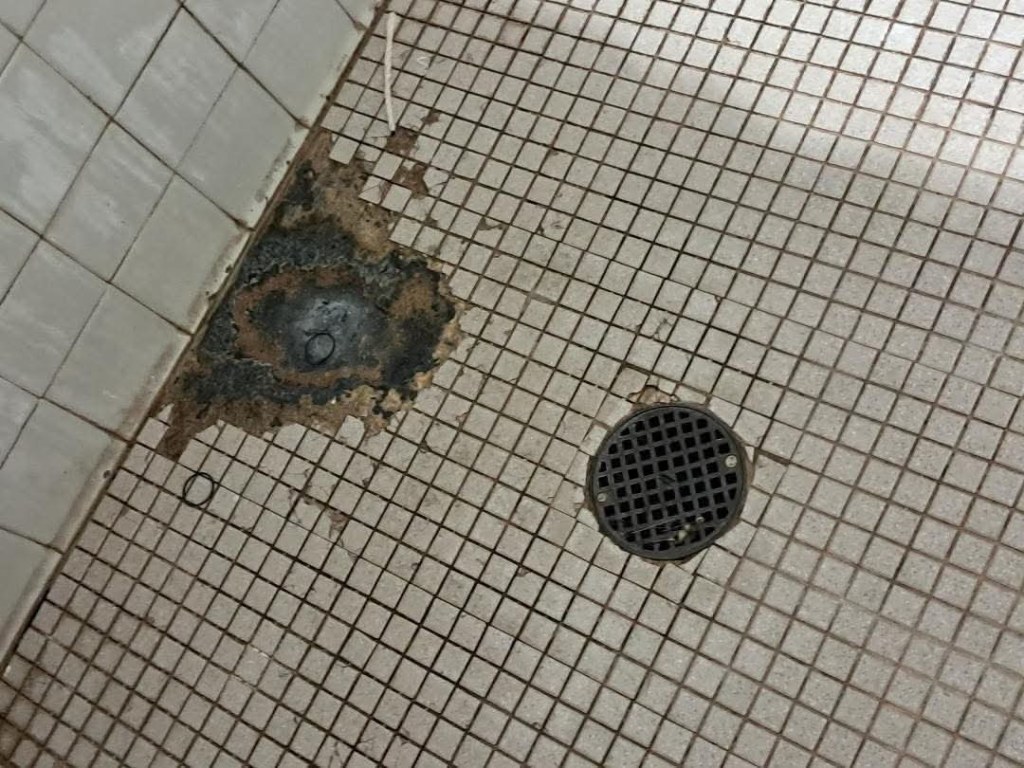
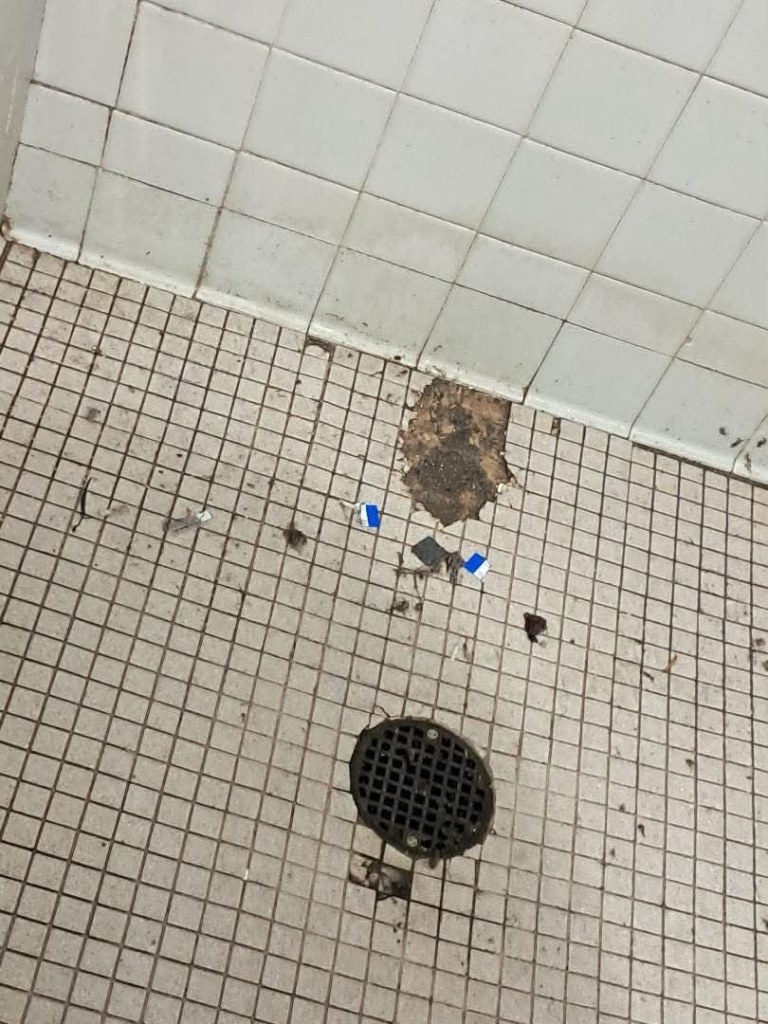
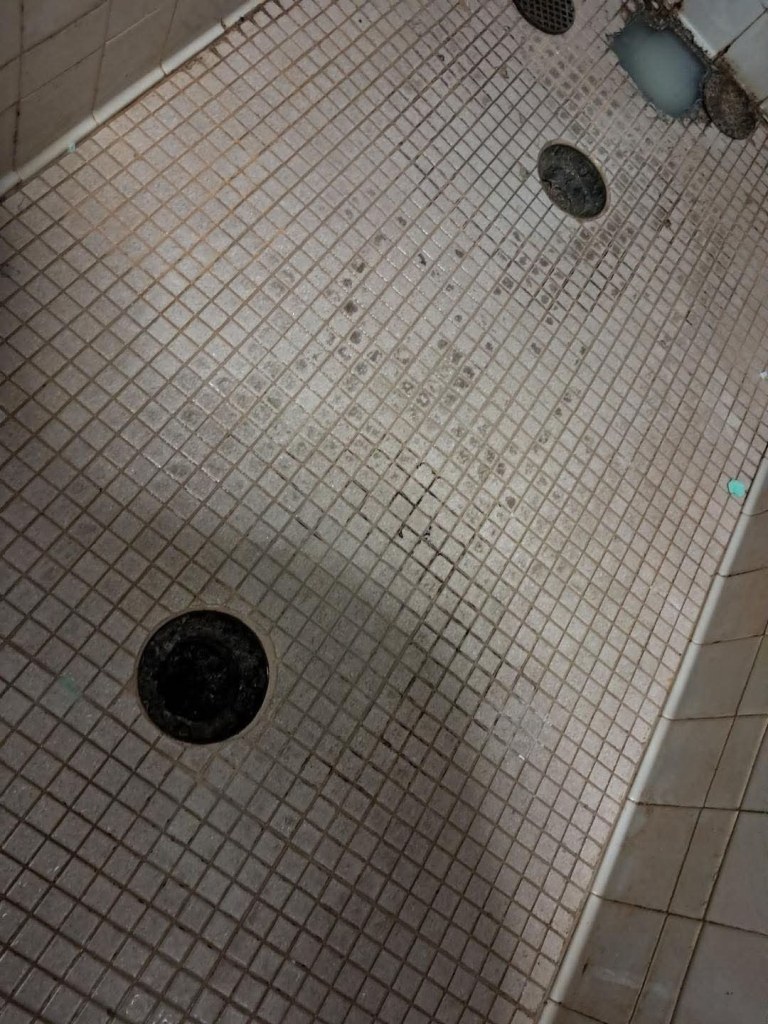
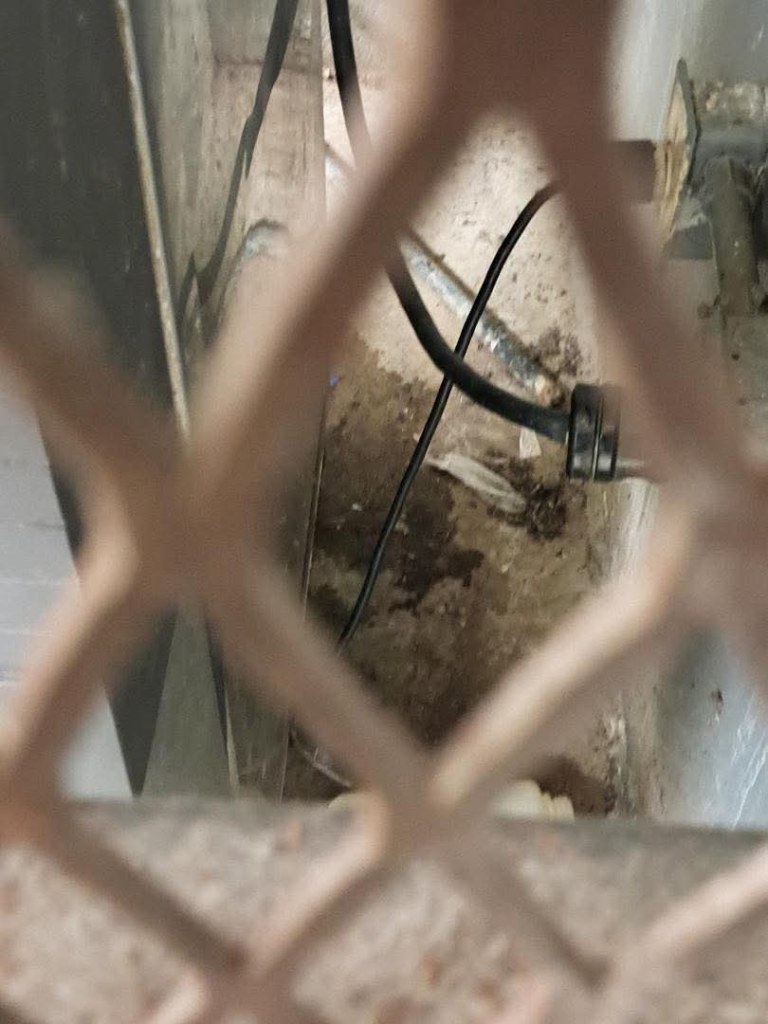
Current photographs provided to Loved Ones Coalition show standing water across deteriorated and cracked flooring, extensive dark staining and discoloration, damaged or missing floor tiles around drains and plumbing fixtures, corroded metal structures, deteriorated sanitation areas, and damaged or open portions of building infrastructure.
Loved Ones Coalition has also received repeated reporting concerning leaking plumbing, wastewater and sewage intrusion, deteriorating ceilings, and environmental conditions inside occupied areas.
During live communications from inside the institution, we have witnessed conditions as they were occurring, including incidents involving portions of ceiling material reportedly collapsing.
At this point, the question is no longer whether FCC Forrest City has maintenance problems.
The question is why people continue to be housed in a facility experiencing this level of documented deterioration.
2. Documented Physical Conditions
The photographic documentation accompanying this report shows substantial deterioration across multiple areas.
Visible conditions include:
- Standing water and apparent ongoing moisture intrusion;
- Cracked, deteriorated, and heavily stained flooring;
- Missing and deteriorated tile surrounding drains and plumbing penetrations;
- Extensive corrosion on metal infrastructure;
- Deteriorated sanitation and shower areas;
- Dark staining and discoloration in areas affected by moisture;
- Damaged or exposed portions of building infrastructure; and
- Conditions suggesting longstanding rather than newly occurring deterioration.
Loved Ones Coalition cannot determine from photographs alone whether dark material visible in affected areas constitutes mold, sewage contamination, or another substance.
That determination belongs to qualified Environmental Health and Facilities personnel.
What does not require laboratory testing is recognition that the physical deterioration itself is plainly visible.
These are occupied spaces.
People are living in them.
3. Plumbing, Water Intrusion, and Reported Sewage Exposure
Loved Ones Coalition has received reporting alleging serious plumbing failures within FCC Forrest City.
One particularly concerning allegation states that when toilets are flushed or water is used on an upper level, wastewater or raw sewage can leak into occupied areas below.
Photographs show substantial moisture and standing water in affected locations, although photographs alone cannot establish the source or composition of that liquid.
The sewage allegation therefore requires immediate inspection and verification.
If wastewater from plumbing fixtures is entering occupied areas, those areas should not simply remain occupied while a maintenance request works its way through the system.
The source must be identified.
The plumbing must be repaired.
Affected surfaces must be properly cleaned and disinfected.
And individuals should not be required to sleep, shower, eat, or live in areas contaminated by sewage or persistent wastewater.
4. Deteriorating Ceilings and Structural Conditions
Loved Ones Coalition has repeatedly received documentation involving deteriorating ceilings and overhead infrastructure at Forrest City.
More concerning, we have observed conditions during live communications from inside the institution in which ceiling material reportedly collapsed.
That substantially changes the nature of the concern.
A deteriorated ceiling is a maintenance issue.
A ceiling or building material actively falling into an occupied area presents a potential safety issue requiring assessment of the surrounding structure.
Loved Ones Coalition is requesting that the Bureau determine whether affected ceilings, overhead piping, ventilation systems, walls, floors, and other structural components have undergone comprehensive inspection rather than continued piecemeal repair.
5. Reported Medication Interruptions
Separate family reporting raises a potentially urgent Health Services concern.
Loved Ones Coalition received a report from a family member whose loved one reportedly contacted her in significant distress and stated that several incarcerated individuals had gone approximately three months without prescribed medications.
The medications reportedly affected include treatment for blood pressure, anxiety, depression, and other medical or mental-health conditions.
Loved Ones Coalition has not independently reviewed the affected individuals’ medical records, prescriptions, or medication-administration histories and therefore cannot independently establish the duration or cause of any interruption.
However, this allegation is objectively reviewable.
Health Services can determine whether prescriptions remained active, whether medication was available, when it was dispensed, whether clinically prescribed doses were missed, why any interruptions occurred, and whether affected individuals received appropriate follow-up.
If multiple individuals are going weeks or months without clinically prescribed medication, particularly cardiovascular or psychiatric medication, that requires immediate correction.
6. Reported Death
The family submission also referenced the recent death of an incarcerated individual who reportedly had cancer and expressed concern that inadequate medication access may have contributed.
Loved Ones Coalition has no evidence establishing that the individual’s death resulted from medication interruption and does not present that allegation as fact.
However, given the separate allegations concerning medication continuity, the institution should ensure that individuals with cancer and other serious or chronic illnesses are consistently receiving prescribed treatment, medication, and appropriate clinical monitoring.
7. Habitability and Continued Occupancy
Loved Ones Coalition has reached a point where we are no longer asking only when individual maintenance problems at FCC Forrest City will be repaired.
We are asking why people continue to be housed there under these conditions.
The documentation we continue to receive does not depict a functioning institution experiencing several ordinary maintenance deficiencies.
Portions of the facility appear decrepit, dilapidated, severely deteriorated, and more visually consistent with an abandoned institutional structure than an actively occupied federal correctional facility.
Yet people continue to live there.
Week after week, additional documentation reaches Loved Ones Coalition.
Photographs.
Videos.
Firsthand accounts.
Real-time communications.
Water intrusion.
Damaged sanitation areas.
Deteriorating ceilings.
Corrosion.
Plumbing failures.
Reported sewage exposure.
And now serious allegations concerning continuity of medical treatment.
At some point, repeatedly documenting deterioration without permanent remediation stops being a series of maintenance problems and becomes a habitability and leadership issue.
8. Request for Deactivation Review
The Bureau of Prisons has demonstrated that institutions can be closed, deactivated, consolidated, or repurposed when infrastructure and operational circumstances warrant such action.
Loved Ones Coalition is therefore asking directly:
Why has FCC Forrest City not received serious consideration for deactivation or closure?
If the Bureau’s position is that Forrest City remains capable of being safely rehabilitated while occupied, then provide the plan.
Provide the scope of work.
Provide the projects that have been approved.
Provide the funding status.
Provide the outstanding deficiencies.
Provide the timeline.
And provide the expected date by which these conditions will actually be corrected.
If the infrastructure cannot be brought into acceptable condition while people remain safely housed there, then the Bureau should begin evaluating population reduction, relocation, temporary deactivation of affected areas, or closure of the affected institution.
Moving people around deteriorated areas while the underlying infrastructure continues to fail is not remediation.
Neither is repeatedly responding to individual leaks, ceiling failures, plumbing problems, or sanitation complaints without addressing the condition of the facility as a whole.
9. Loved Ones Coalition Escalation
Loved Ones Coalition is formally identifying FCC Forrest City as a priority focus of our continuing oversight work.
We have provided documentation.
We have continued receiving documentation.
The conditions persist.
At this point, continued reporting to the same officials without meaningful remediation is not sufficient.
If the Bureau cannot or will not produce a credible, time-bound plan to correct these conditions, Loved Ones Coalition will begin pursuing additional avenues of oversight and accountability with entities capable of requiring corrective action.
That may include providing our accumulated documentation to appropriate federal oversight bodies, elected officials, inspectors, policymakers, and other entities with authority to independently examine the condition of the complex and the government’s continued decision to house people there.
This is not intended as a threat.
It is the necessary next stage of oversight when documented conditions continue without adequate resolution.
We would prefer to report that FCC Forrest City was repaired.
We would prefer to document progress.
We would prefer to show that the Bureau identified the problems, established a timeline, invested the necessary resources, and corrected them.
But if that does not happen, we will continue documenting what is occurring inside the institution and seek review from entities capable of compelling a response.
FCC Forrest City will remain a priority until there is meaningful, verifiable improvement.
10. Questions Requiring Direct Response
- Has FCC Forrest City undergone a recent comprehensive facility-condition and structural assessment rather than individual maintenance inspections?
- When was the most recent comprehensive assessment conducted, and what deficiencies were identified?
- What is causing the recurring standing water and moisture documented inside the institution?
- Are plumbing failures allowing wastewater or sewage from upper levels to enter occupied areas below?
- Have the affected areas been evaluated for sewage contamination, mold, microbial growth, or other environmental hazards?
- Have the documented ceiling and overhead infrastructure conditions been evaluated for structural or falling-material hazards?
- How many active Facilities work orders currently exist at FCC Forrest City?
- How many involve plumbing, roofs or ceilings, drainage, sanitation facilities, ventilation, water intrusion, or structural deterioration?
- What major capital improvements are currently funded, approved, pending, or unfunded?
- What is the projected timeline for permanent remediation of the conditions documented in this report?
- Are individuals currently housed in areas where significant plumbing, water intrusion, ceiling, sanitation, or environmental deficiencies remain unresolved?
- If so, what assessment determined those areas remain appropriate for occupancy?
- Has Health Services identified interruptions in clinically prescribed medications during the previous three months?
- If medication interruptions occurred, what caused them and what corrective measures have been implemented?
- Has the Bureau evaluated reducing the population, relocating individuals, temporarily deactivating affected housing areas, or closing or repurposing either institution within FCC Forrest City?
- If FCC Forrest City has not been considered for deactivation despite the extent and duration of the documented deterioration, why not?
- What objective criteria does the Bureau use to determine that a correctional institution has deteriorated beyond the point at which continued occupancy is appropriate?
- Does FCC Forrest City currently satisfy those criteria?
- If the Bureau maintains that FCC Forrest City remains suitable for continued occupancy, what objective assessment supports that conclusion?
- What specifically will be different at FCC Forrest City 30, 60, and 90 days from now?
Requested Action
Loved Ones Coalition requests direct South Central Regional review of FCC Forrest City; a comprehensive structural, environmental, plumbing, sanitation, and habitability assessment; immediate remediation of any conditions presenting health or safety risks; review of the reported medication interruptions; and formal consideration of population relocation or facility deactivation if the complex cannot be safely and promptly rehabilitated.
We have documented these conditions long enough.
The next report should be about what has been fixed—not another collection of photographs showing that people are still living in the same deteriorating facility.